Portable Dental Instrument: Professional Mobile Dental Care Equipment for Modern Practitioners

EN EN

Call Us:+86-757-81267151

portable dental instrument

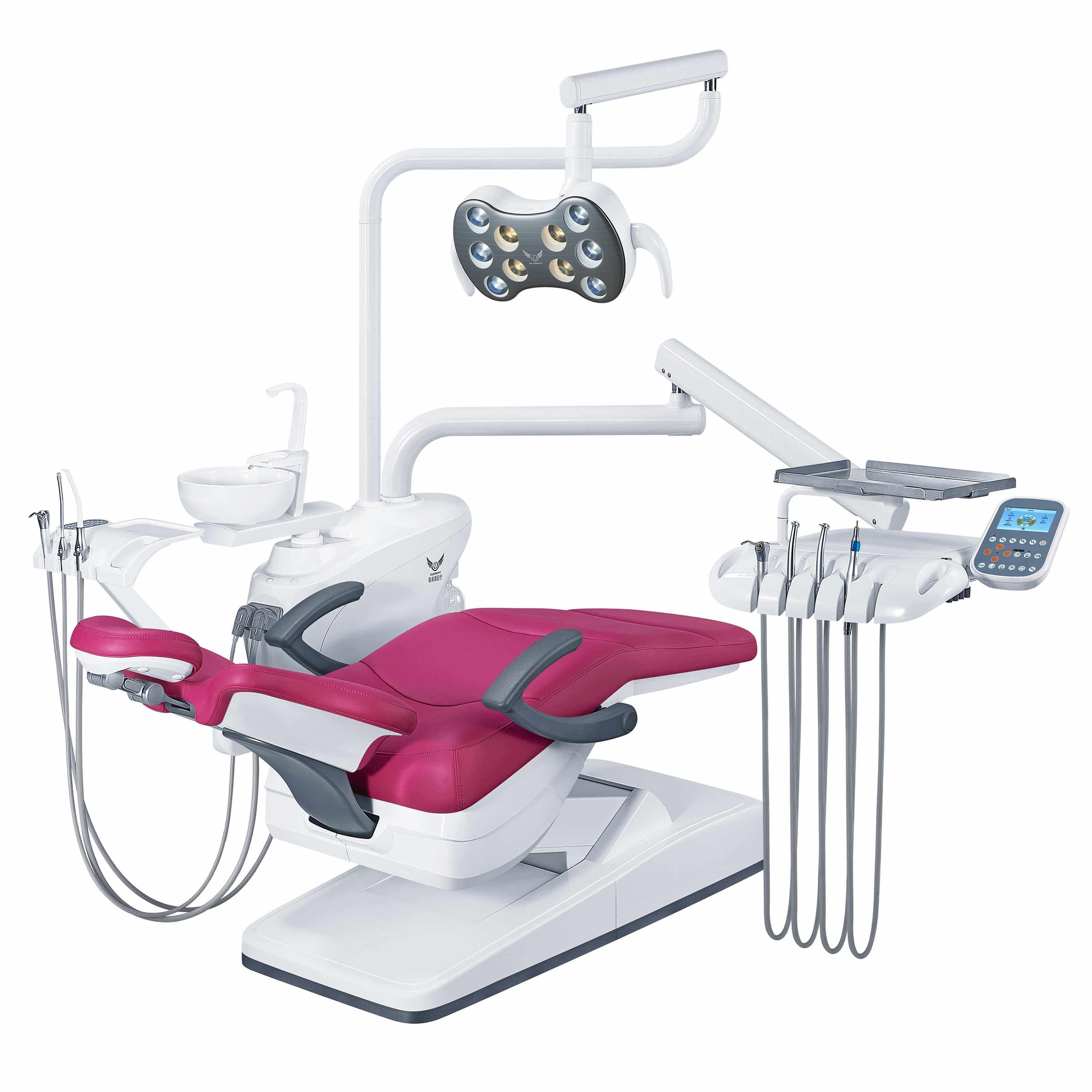
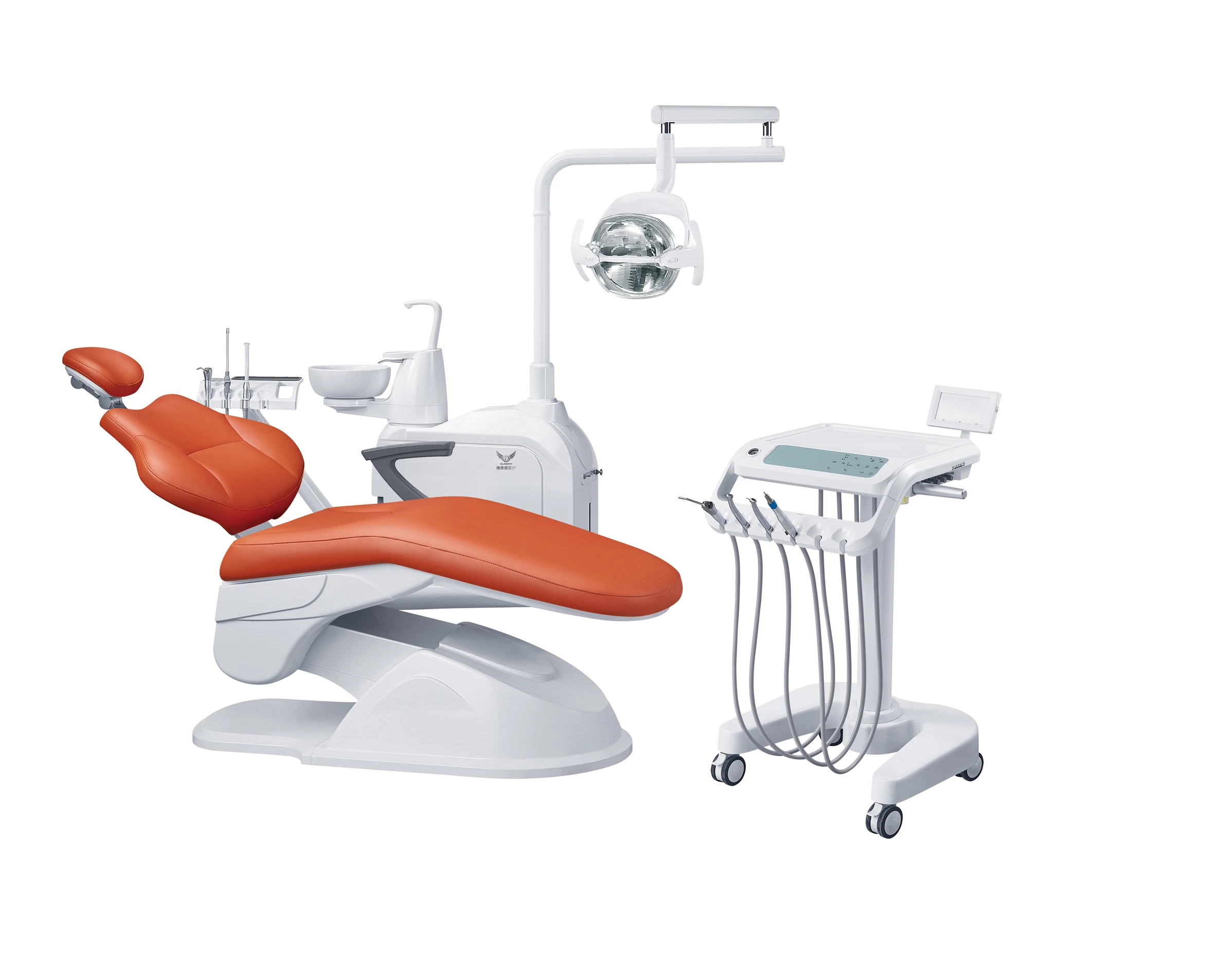
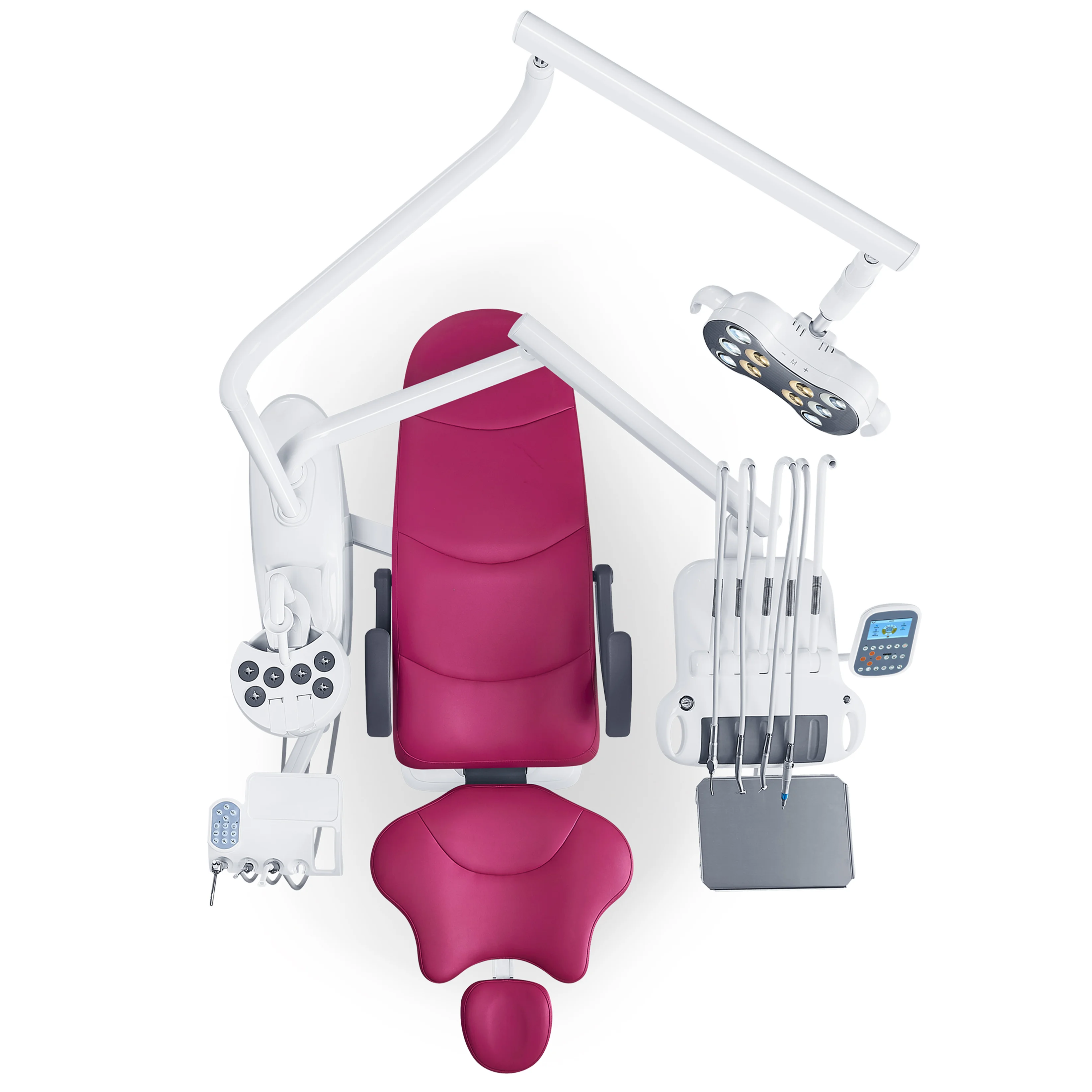
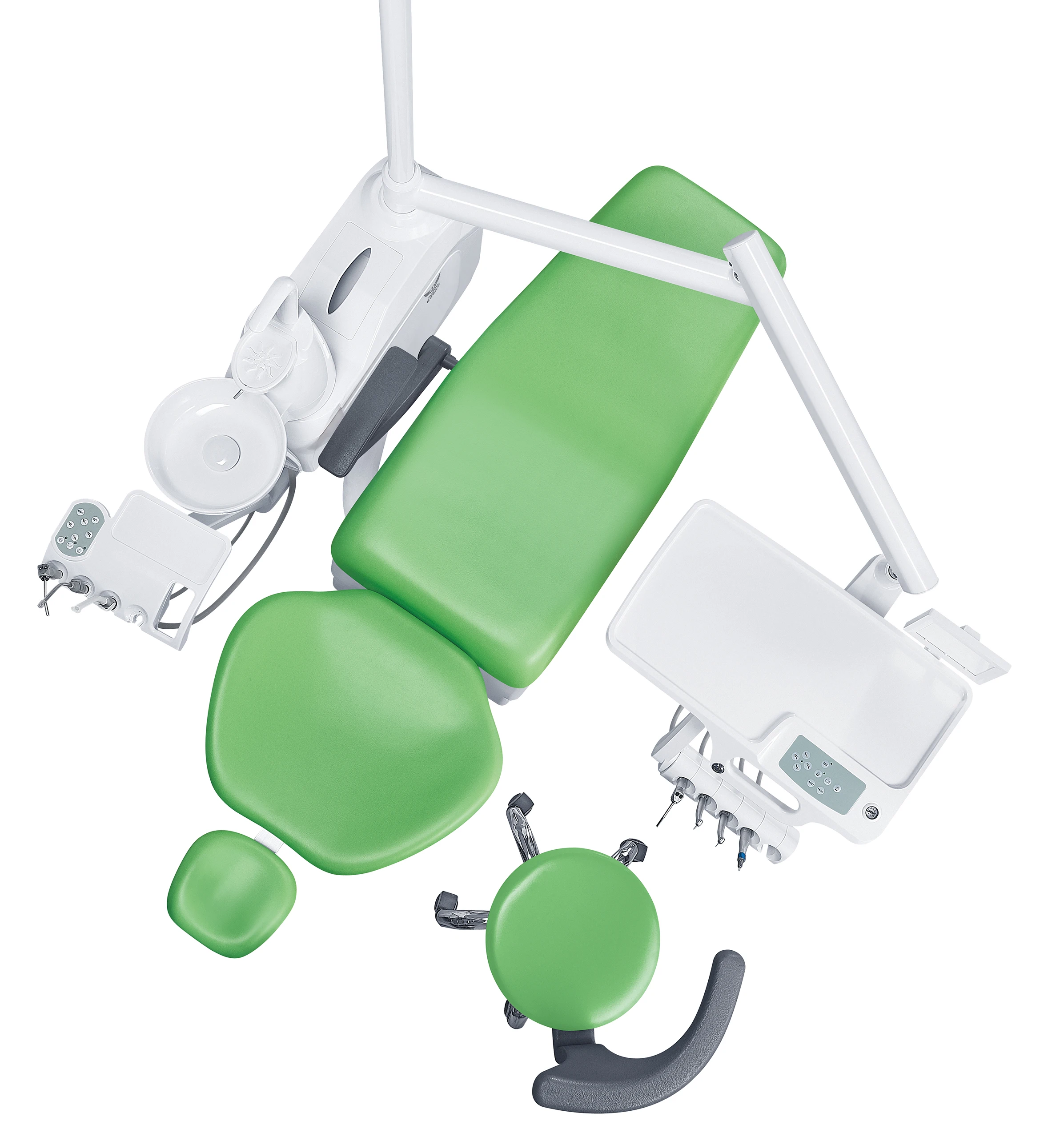
A portable dental instrument represents a significant advancement in modern dental care, offering practitioners and patients unprecedented flexibility in oral health management. These compact, self-contained devices integrate essential dental functions into a mobile platform that can be transported easily between locations, making professional dental care accessible in diverse settings. The primary functions of a portable dental instrument include scaling, polishing, cavity detection, and basic examination capabilities, all powered by rechargeable battery systems or lightweight power adapters. Modern portable dental instruments incorporate advanced piezoelectric technology that generates ultrasonic vibrations for effective plaque and tartar removal without requiring bulky external equipment. The technological features of these devices often include variable power settings, allowing practitioners to adjust intensity based on patient sensitivity and treatment requirements. Many portable dental instruments feature LED illumination systems that provide clear visibility of the treatment area, eliminating the need for separate overhead lighting equipment. Wireless connectivity has become increasingly common, enabling practitioners to document procedures and share diagnostic information with patients or colleagues in real-time. The applications of portable dental instruments extend far beyond traditional clinical settings, making them invaluable for mobile dental clinics, remote healthcare missions, nursing home visits, and home-based patient care. Emergency responders and military medical units rely on these devices to provide urgent dental care in field conditions where conventional equipment is unavailable. Educational institutions use portable dental instruments for training purposes, allowing students to practice techniques without occupying expensive clinical spaces. The ergonomic design of modern portable dental instruments reduces practitioner fatigue during extended use, featuring lightweight construction and balanced weight distribution. Water reservoir systems integrated into these devices eliminate dependency on external plumbing connections, while efficient fluid management prevents cross-contamination between patients.


New Products

The most compelling advantage of a portable dental instrument is the freedom it provides to deliver quality dental care anywhere patients need it. Traditional dental equipment confines practitioners to fixed clinical locations, but portable solutions break down these barriers, enabling dentists to reach underserved populations in rural areas, provide bedside care for hospitalized patients, and offer convenient home visits for elderly or mobility-impaired individuals. This accessibility directly translates to improved public health outcomes as more people receive timely dental interventions. Cost efficiency represents another significant benefit, as portable dental instruments require substantially lower initial investment compared to setting up a complete stationary practice. The reduced overhead allows new practitioners to begin serving patients without overwhelming debt, while established practices can expand their service offerings without major capital expenditures. The compact footprint of these devices makes them ideal for practices with limited space, allowing efficient use of every square foot while maintaining full treatment capabilities. Time savings become immediately apparent when using a portable dental instrument, as setup and breakdown procedures take mere minutes rather than the extended preparations required for traditional equipment. This efficiency means practitioners can see more patients throughout the day, increasing practice productivity and revenue potential while reducing patient wait times. The quick deployment capability proves invaluable during dental emergencies, allowing practitioners to respond rapidly to urgent situations without delays caused by equipment preparation. Patient comfort improves dramatically with portable dental instruments due to their quieter operation compared to conventional dental equipment that can generate anxiety-inducing noise levels. The less intimidating appearance of these compact devices helps reduce dental anxiety, particularly among children and nervous patients who might otherwise avoid necessary treatments. Flexibility in patient positioning becomes possible since portable dental instruments do not require patients to recline in specialized dental chairs, accommodating those with back problems, breathing difficulties, or other conditions that make traditional positioning uncomfortable. Maintenance requirements for portable dental instruments are typically minimal, with fewer moving parts and simpler mechanisms than complex stationary systems, resulting in lower long-term operating costs and reduced downtime. The durability of modern portable dental instruments ensures reliable performance across thousands of procedures, with many manufacturers offering extended warranties that protect the investment. Sterilization procedures are straightforward since the compact components can be easily processed using standard autoclave systems or chemical disinfection methods.

Latest News

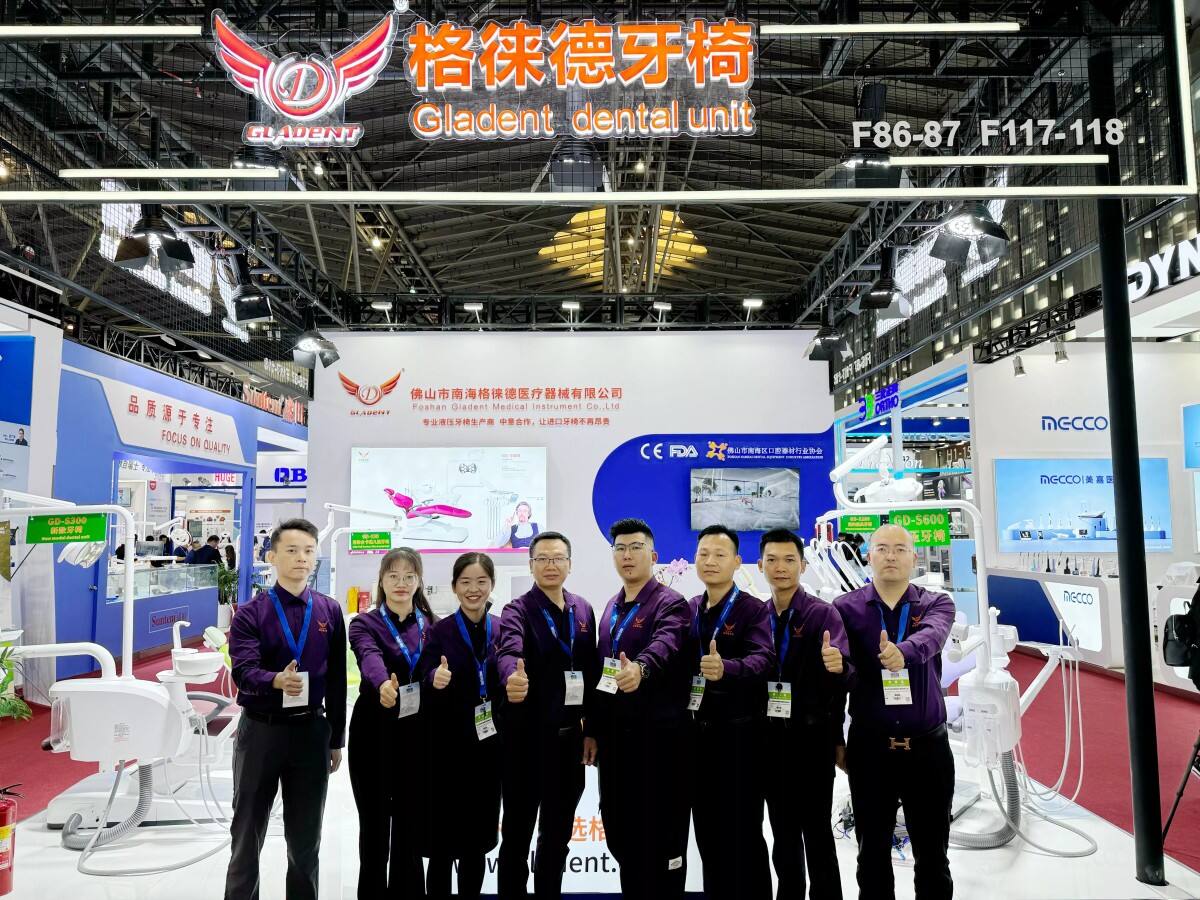
Gladent Medical in DenTech 2024 in Shanghai

27

Aug

Gladent Medical in DenTech 2024 in Shanghai

View More
Innovation Journey - GLADENT Dental Chairs: [The 30th South China International Dental Exhibition 2025 Concludes Successfully]

27

Aug

Innovation Journey - GLADENT Dental Chairs: [The 30th South China International Dental Exhibition 2025 Concludes Successfully]

View More
Distribute Women's Day gifts to female employees

28

Aug

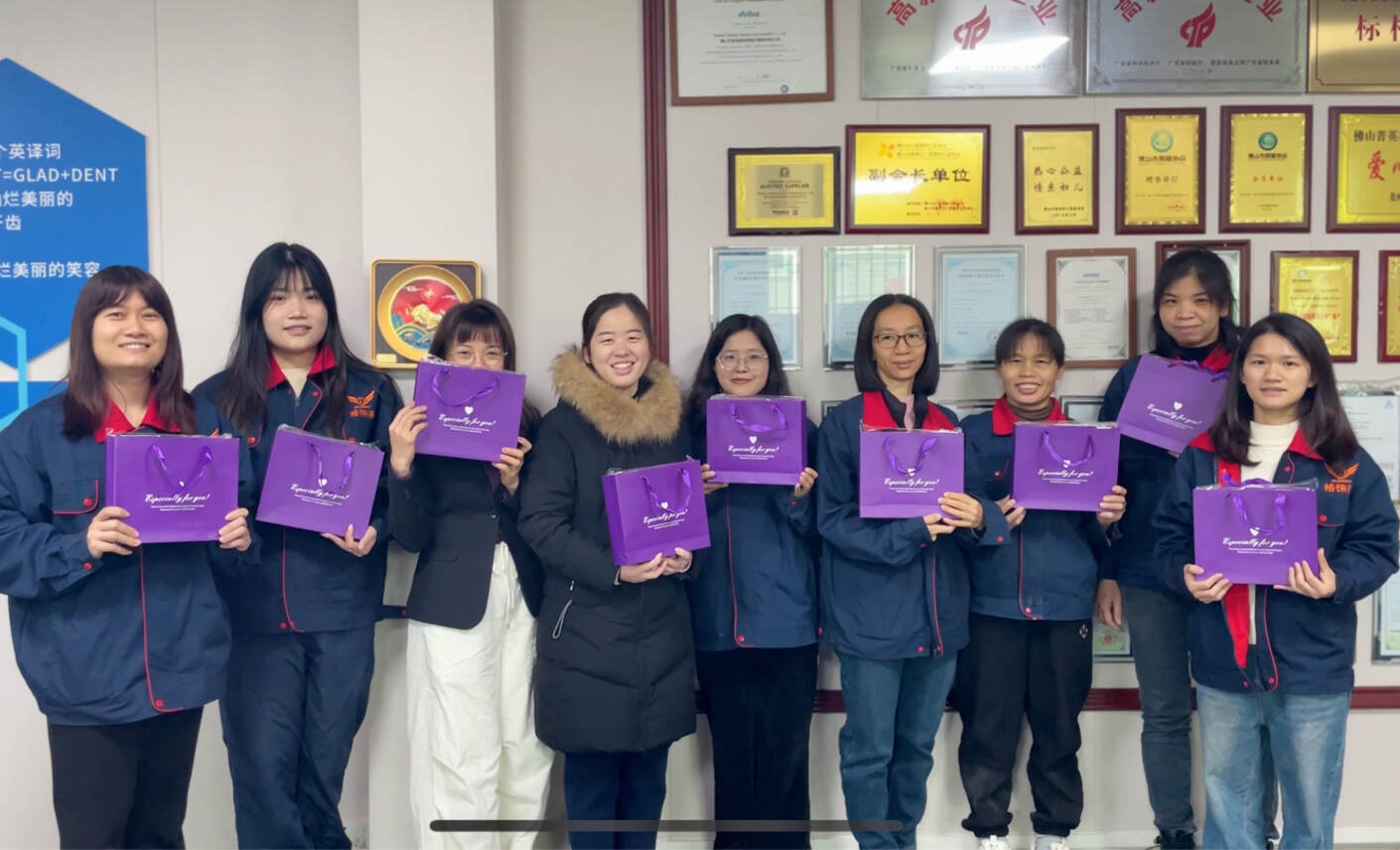
Distribute Women's Day gifts to female employees

View More

Get a Free Quote

Our representative will contact you soon.
Email
Mobile
Name
Company Name
Message
0/1000

portable dental instrument

Revolutionary Mobility Transforms Dental Service Delivery

Revolutionary Mobility Transforms Dental Service Delivery

The transformative mobility offered by a portable dental instrument fundamentally changes how dental professionals approach patient care and practice management. Unlike conventional dental equipment that anchors practitioners to a single location, these innovative devices empower dentists to bring professional-grade treatment capabilities directly to patients wherever they are located. This mobility advantage proves particularly valuable in addressing healthcare disparities that affect millions of people who lack convenient access to dental clinics due to geographic isolation, transportation challenges, or physical limitations. A portable dental instrument enables practitioners to establish temporary treatment sites in community centers, schools, workplace wellness programs, and senior living facilities, dramatically expanding the reach of preventive and therapeutic dental services. The equipment typically weighs less than ten pounds and fits into a compact carrying case, making transportation effortless whether traveling by car, public transit, or even on foot to reach patients in multi-story buildings without elevator access. Battery operation ensures complete independence from electrical infrastructure, allowing treatments to proceed smoothly even in locations with unreliable power supplies or outdoor settings where traditional equipment would be impossible to use. The strategic advantage extends to disaster response scenarios where dental emergencies arise in evacuation centers or temporary shelters lacking any dental infrastructure. Mobile dental programs serving homeless populations, migrant workers, and other vulnerable communities rely heavily on portable dental instruments to deliver compassionate care that would otherwise remain completely unavailable to these underserved groups. The flexibility to practice in diverse environments also benefits practitioners who wish to maintain work-life balance by offering satellite services or house calls that accommodate their personal schedules. Insurance companies and healthcare organizations increasingly recognize the value proposition of portable dental care, often providing enhanced reimbursement rates for home visits and mobile services that reduce emergency room utilization for dental problems. The environmental impact deserves consideration as well, since concentrated mobile services reduce the cumulative carbon footprint associated with numerous patients traveling individually to distant dental offices.
Advanced Technology Delivers Professional Results in Compact Form

Advanced Technology Delivers Professional Results in Compact Form

The technological sophistication packed into a portable dental instrument rivals and often exceeds the capabilities of traditional stationary equipment, demonstrating that compact size does not require compromising performance quality. Modern piezoelectric transducers generate ultrasonic frequencies between 25,000 and 45,000 Hertz, creating cavitation bubbles that effectively disrupt bacterial biofilms and calculus deposits through both mechanical vibration and acoustic microstreaming effects. This advanced scaling technology removes stubborn tartar accumulations with remarkable efficiency while minimizing trauma to tooth enamel and surrounding soft tissues. Adjustable power settings allow practitioners to customize treatment intensity for different procedures and patient sensitivity levels, ranging from gentle prophylaxis suitable for patients with gum recession to more aggressive scaling required for heavy calculus buildup. The precision tip designs available for portable dental instruments include universal scalers, perio-specific tips, and specialized configurations for accessing difficult areas like furcations and narrow interproximal spaces. Integrated LED illumination systems provide brilliant, shadow-free visibility of the treatment field without requiring separate operatory lighting, with some models offering adjustable color temperature to enhance tissue visualization and lesion detection. Ergonomic handpiece designs reduce operator fatigue through balanced weight distribution and textured grip surfaces that maintain control even when wet, while autoclavable construction ensures proper infection control between patients. Water delivery systems built into portable dental instruments regulate irrigation flow to maintain optimal cavitation while clearing debris from the treatment site, with transparent reservoirs that allow practitioners to monitor fluid levels at a glance. Some advanced models incorporate Bluetooth connectivity that links to smartphone applications for documenting procedures, tracking maintenance schedules, and accessing clinical reference materials during treatments. The reliability of modern portable dental instruments stems from simplified mechanical designs with fewer failure points than complex stationary units, while solid-state electronics provide consistent performance across thousands of activation cycles.
Economic Advantages Create Opportunities for Practice Growth

Economic Advantages Create Opportunities for Practice Growth

The financial benefits of incorporating a portable dental instrument into a practice model extend far beyond the obvious initial cost savings, creating multiple revenue streams and operational efficiencies that significantly impact long-term profitability. Entry-level practitioners facing student loan obligations and limited startup capital can launch successful practices with portable dental instruments that cost a fraction of traditional equipment investments, allowing them to begin serving patients and generating income months or years earlier than would be possible when attempting to finance a conventional practice setup. The elimination of overhead expenses associated with maintaining a fixed clinical location, including rent, utilities, property insurance, and facility maintenance, redirects thousands of dollars monthly toward direct patient care or practice development initiatives. Established practices can leverage portable dental instruments to expand service territories without the substantial capital requirements of opening satellite offices, testing market demand in new areas before committing to permanent facilities. The ability to offer convenient home visits and workplace dental services commands premium pricing that patients willingly pay for the time savings and comfort advantages, with many practitioners charging 25 to 50 percent above standard office visit rates for mobile services. Corporate wellness programs and senior living facilities often contract for regular on-site dental services, providing predictable recurring revenue streams that stabilize practice finances and reduce dependence on fluctuating walk-in patient volumes. The operational efficiency gains translate directly to increased patient throughput since portable dental instruments enable practitioners to eliminate the downtime between appointments typically spent on treatment room turnover and equipment recalibration. Marketing advantages emerge naturally as portable dental services differentiate practices in competitive markets, generating word-of-mouth referrals and positive online reviews that attract new patients seeking modern, convenient care options. Tax advantages may apply to portable dental instrument purchases through accelerated depreciation schedules and Section 179 deductions that reduce taxable income in the acquisition year, while vehicle expenses for mobile services often qualify for business mileage deductions. Insurance reimbursement policies increasingly favor portable dental care as payers recognize the cost-effectiveness of preventing emergency room visits for dental problems through accessible preventive services.