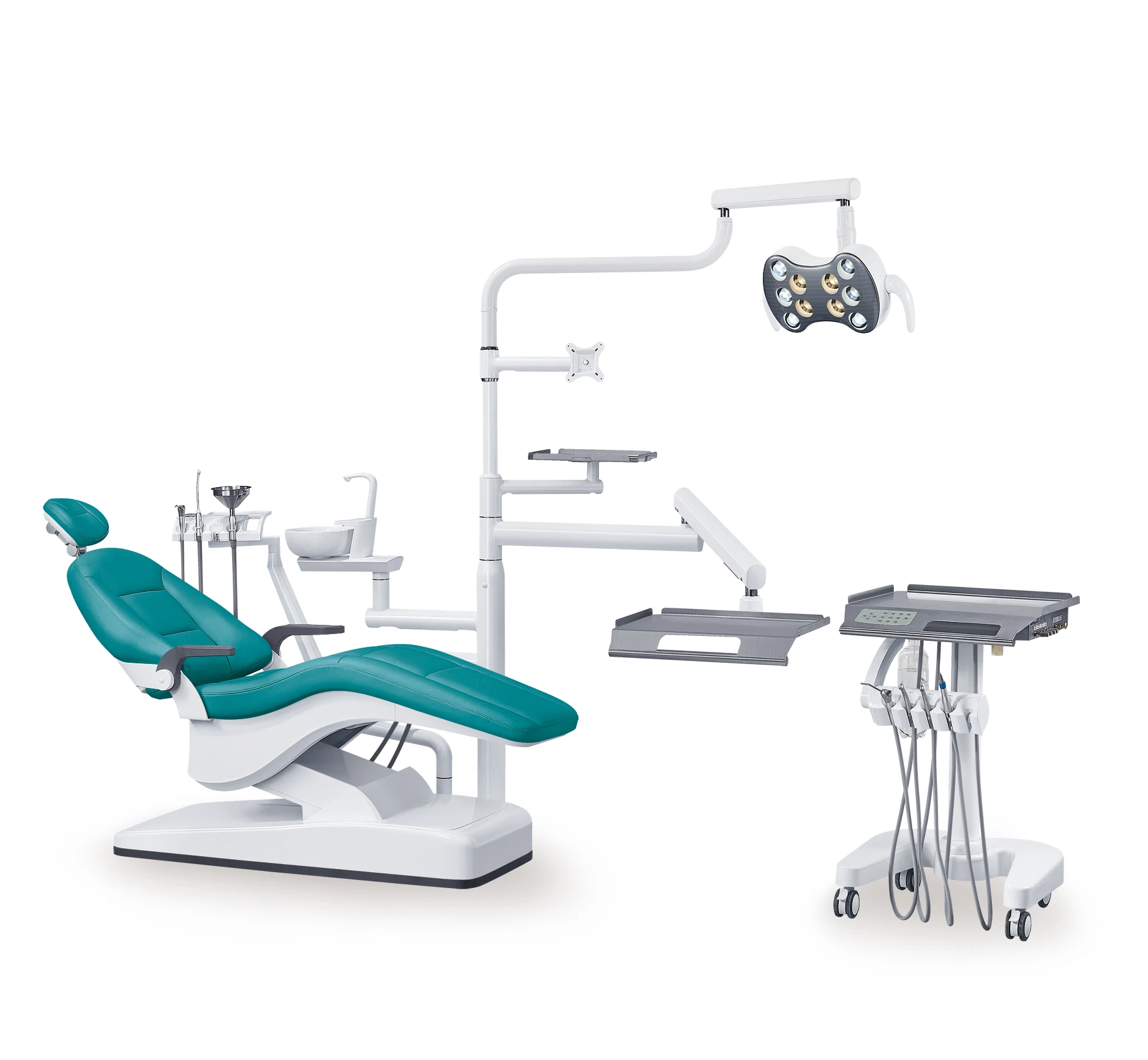
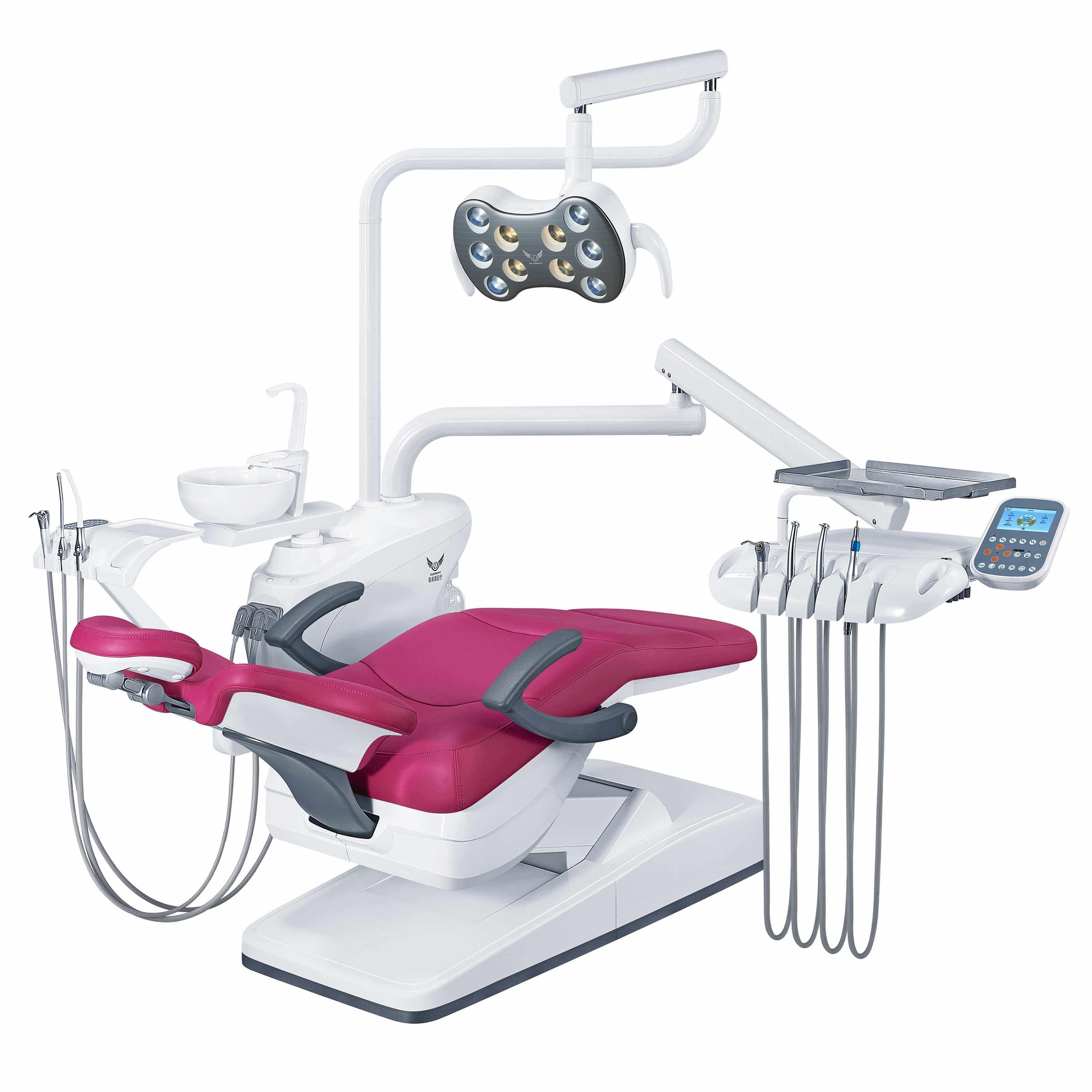
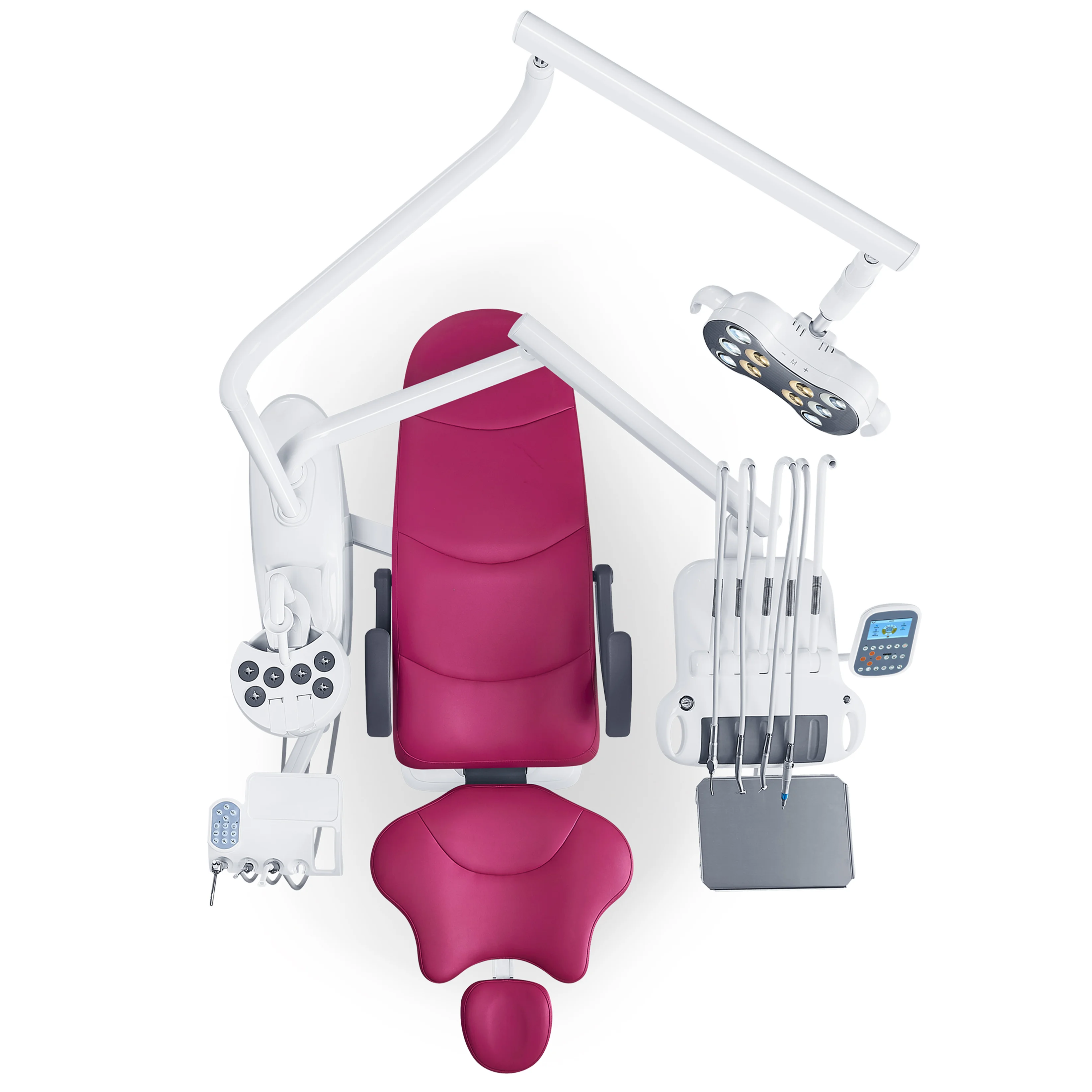
dental instrument tools
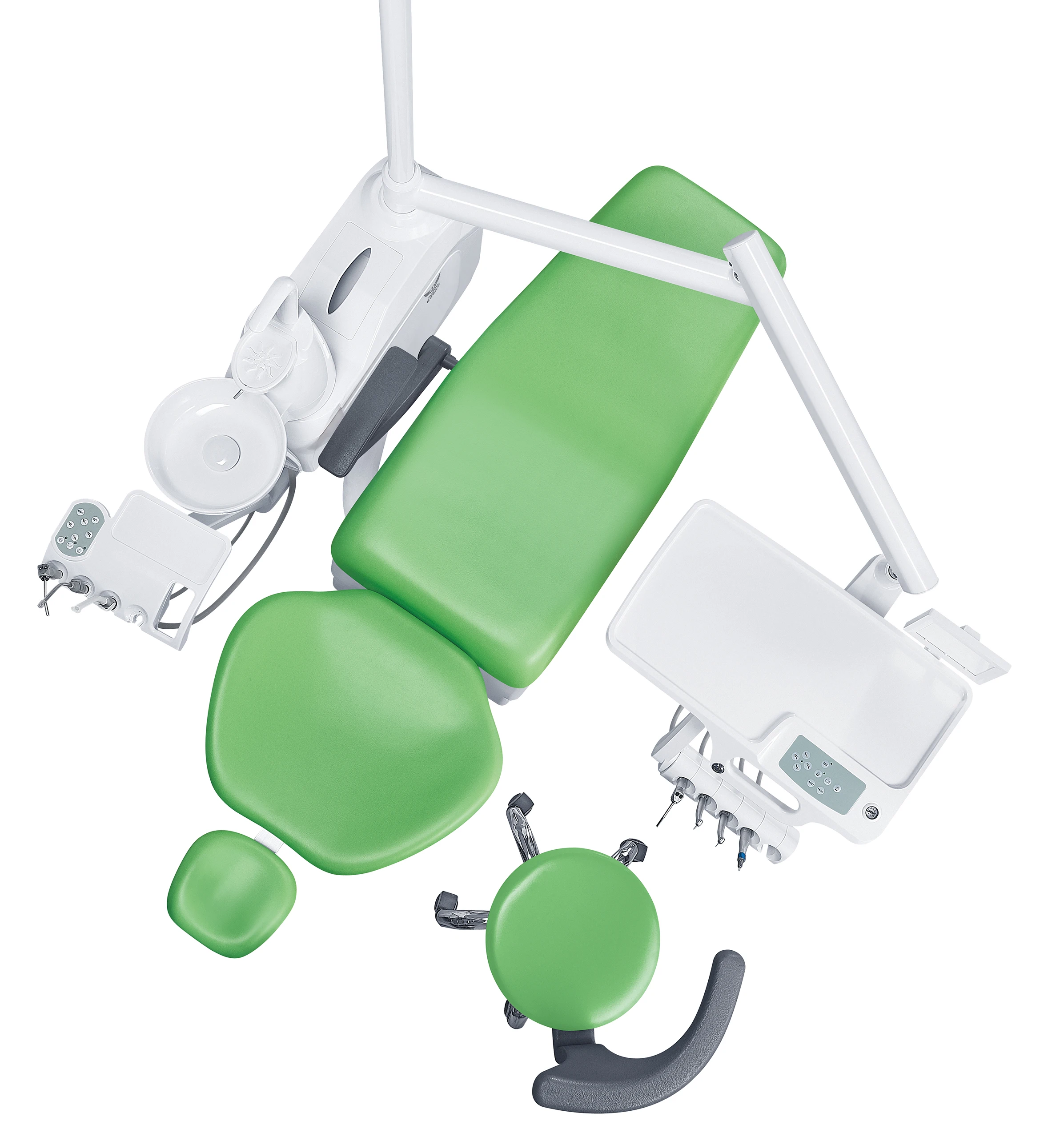
Dental instrument tools represent the cornerstone of modern dentistry, serving as essential equipment that enables dental professionals to deliver comprehensive oral healthcare services with precision and efficiency. These specialized instruments encompass a wide array of devices designed to perform diagnostic evaluations, preventive treatments, restorative procedures, and surgical interventions. The primary functions of dental instrument tools include examining oral cavities, removing plaque and calculus, preparing teeth for fillings, extracting damaged teeth, performing root canal treatments, and conducting cosmetic dental procedures. Each tool is meticulously engineered to address specific clinical needs while ensuring patient comfort and procedural accuracy. Modern dental instrument tools incorporate advanced technological features such as ergonomic designs that reduce hand fatigue during extended procedures, antimicrobial coatings that minimize infection risks, and lightweight materials like titanium alloys that enhance maneuverability without compromising strength. Many contemporary instruments feature textured grips that provide superior control even in moist environments, while precision-ground edges ensure clean incisions and accurate material removal. The manufacturing process utilizes medical-grade stainless steel and surgical-quality materials that withstand repeated sterilization cycles without degradation. Applications of dental instrument tools span across general dentistry, orthodontics, periodontics, endodontics, oral surgery, and prosthodontics. In general practice, these tools facilitate routine examinations, cavity preparations, and basic extractions. Orthodontists rely on specialized instruments for bracket placement and wire adjustments, while periodontists use scaling and root planing instruments to treat gum disease. Endodontists employ files and reamers for root canal therapy, and oral surgeons utilize extraction forceps and elevators for complex tooth removals. The versatility of dental instrument tools makes them indispensable across all dental specialties, contributing to improved treatment outcomes and enhanced patient experiences in clinical settings worldwide.

 EN
EN


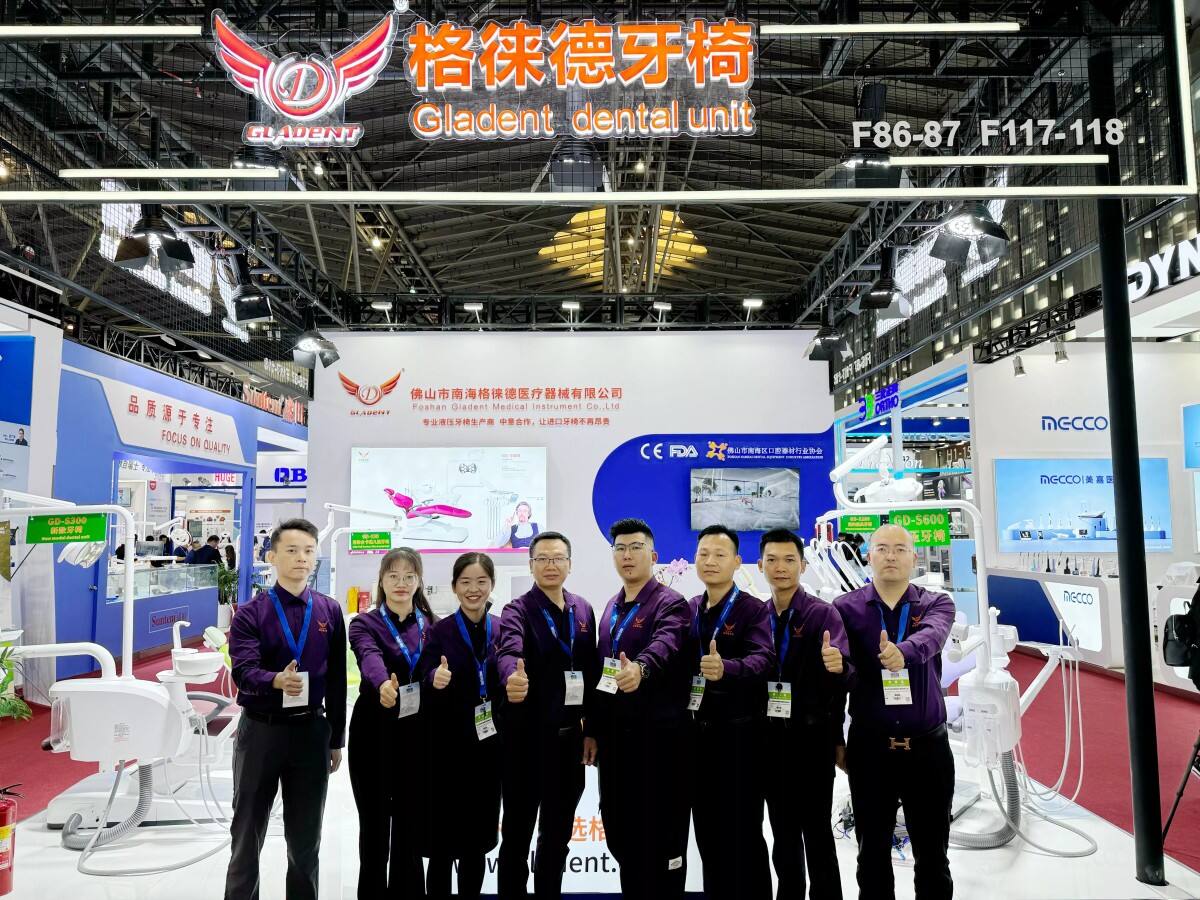
![Innovation Journey - GLADENT Dental Chairs: [The 30th South China International Dental Exhibition 2025 Concludes Successfully]](https://shopcdnpro.grainajz.com/category/19383/3803/616cc2b5bdfecec5e7c5b6aa95e40d84/%E5%BE%AE%E4%BF%A1%E5%9B%BE%E7%89%87_20250826164700.jpg)