good dental instrument
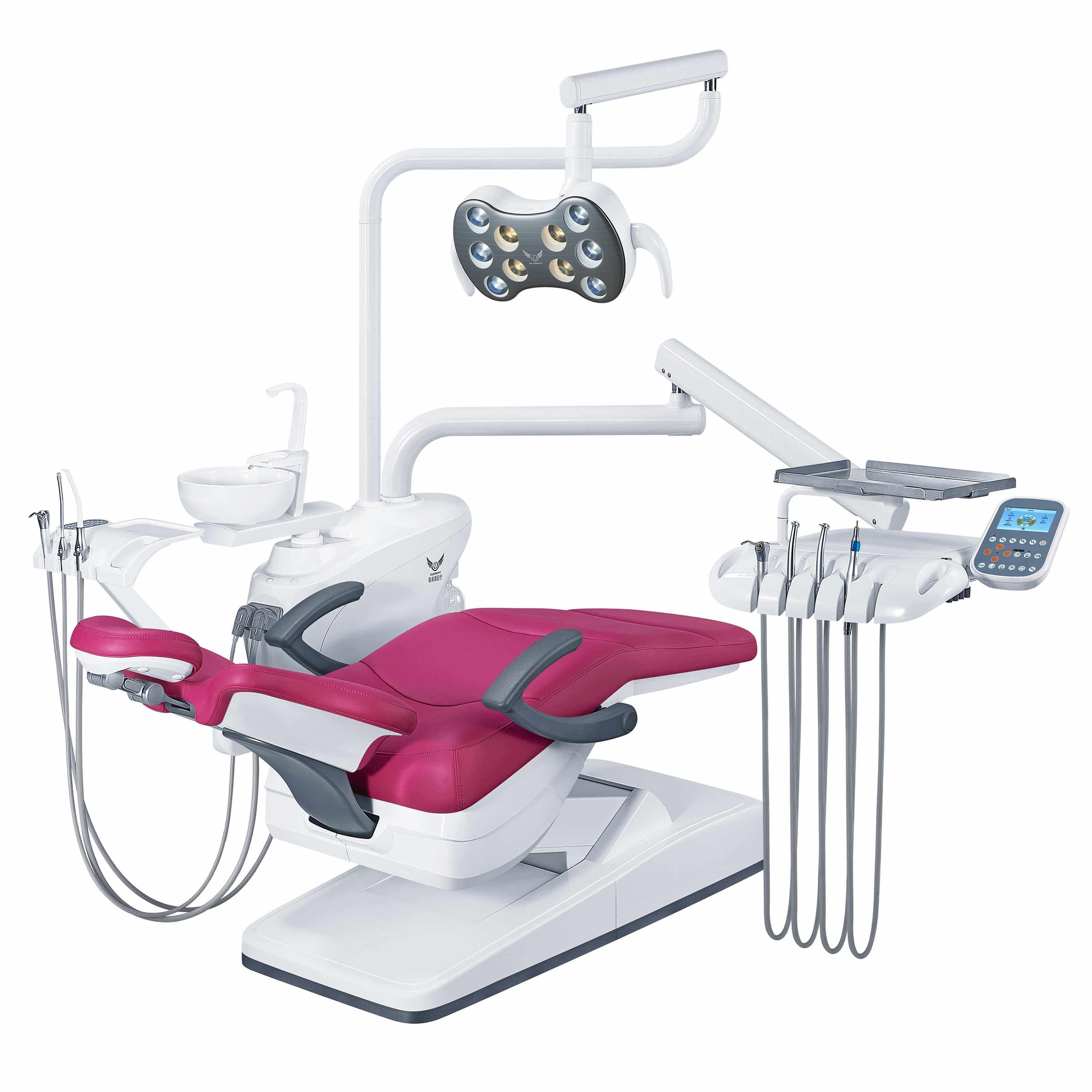
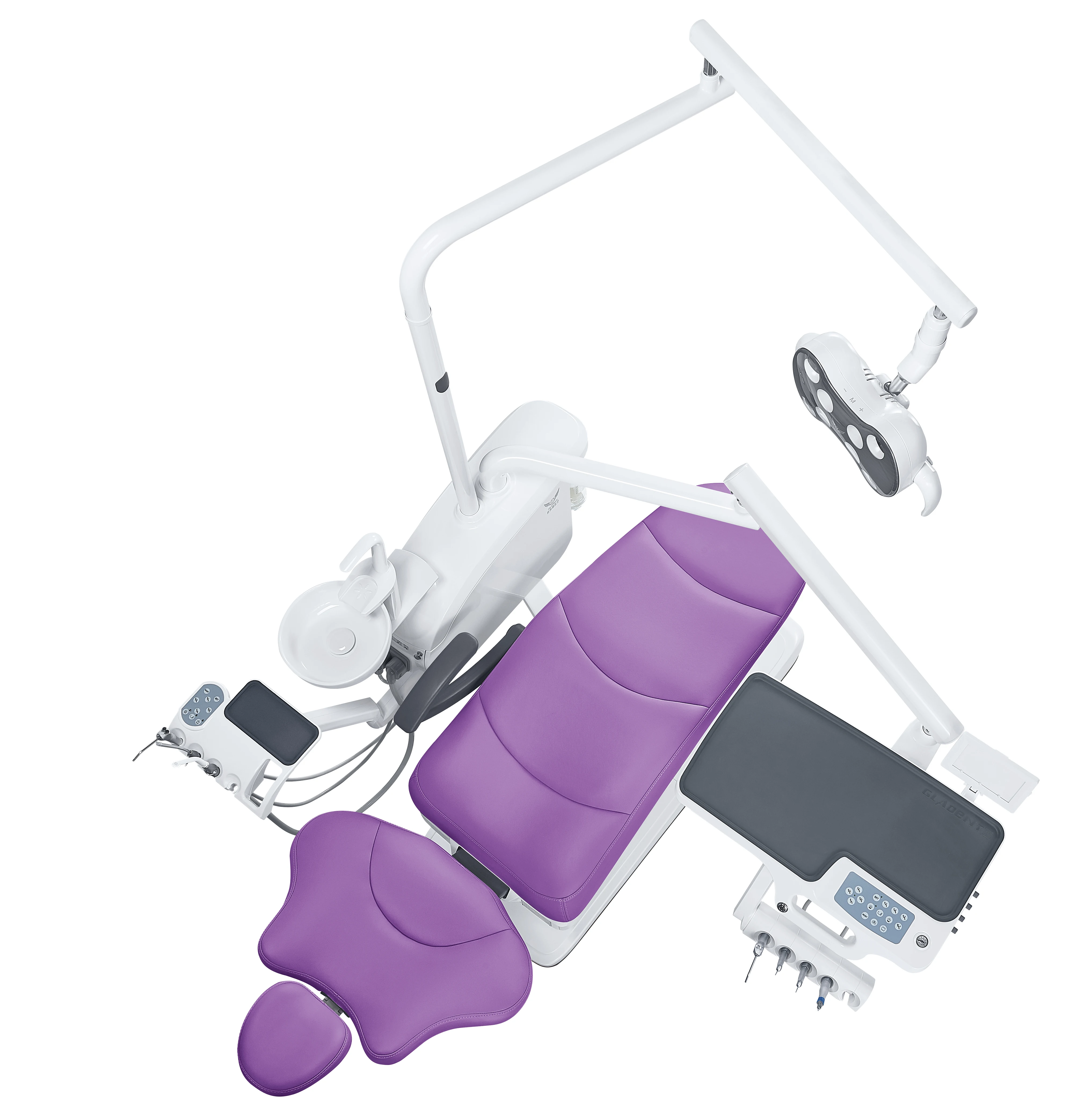
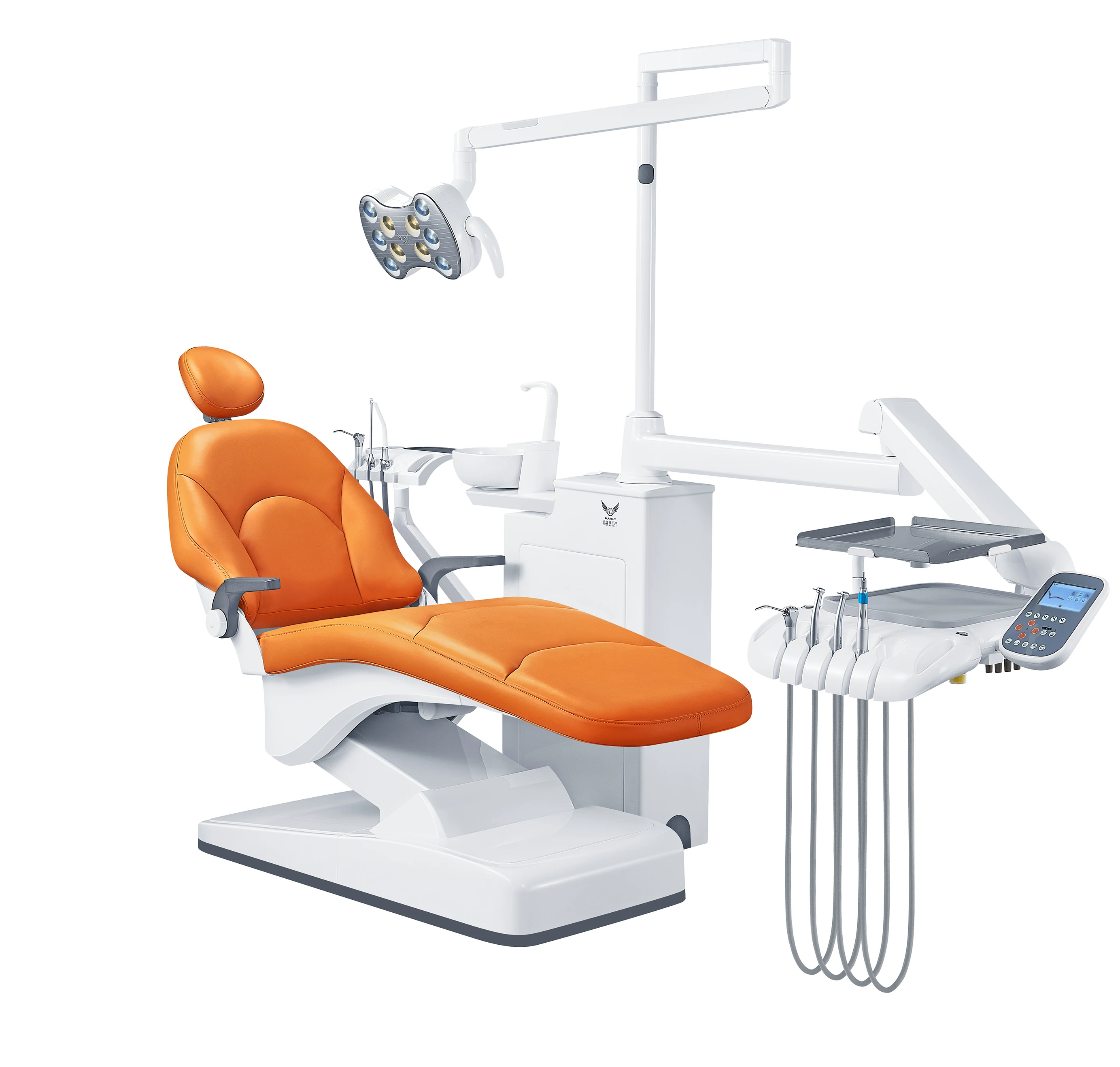
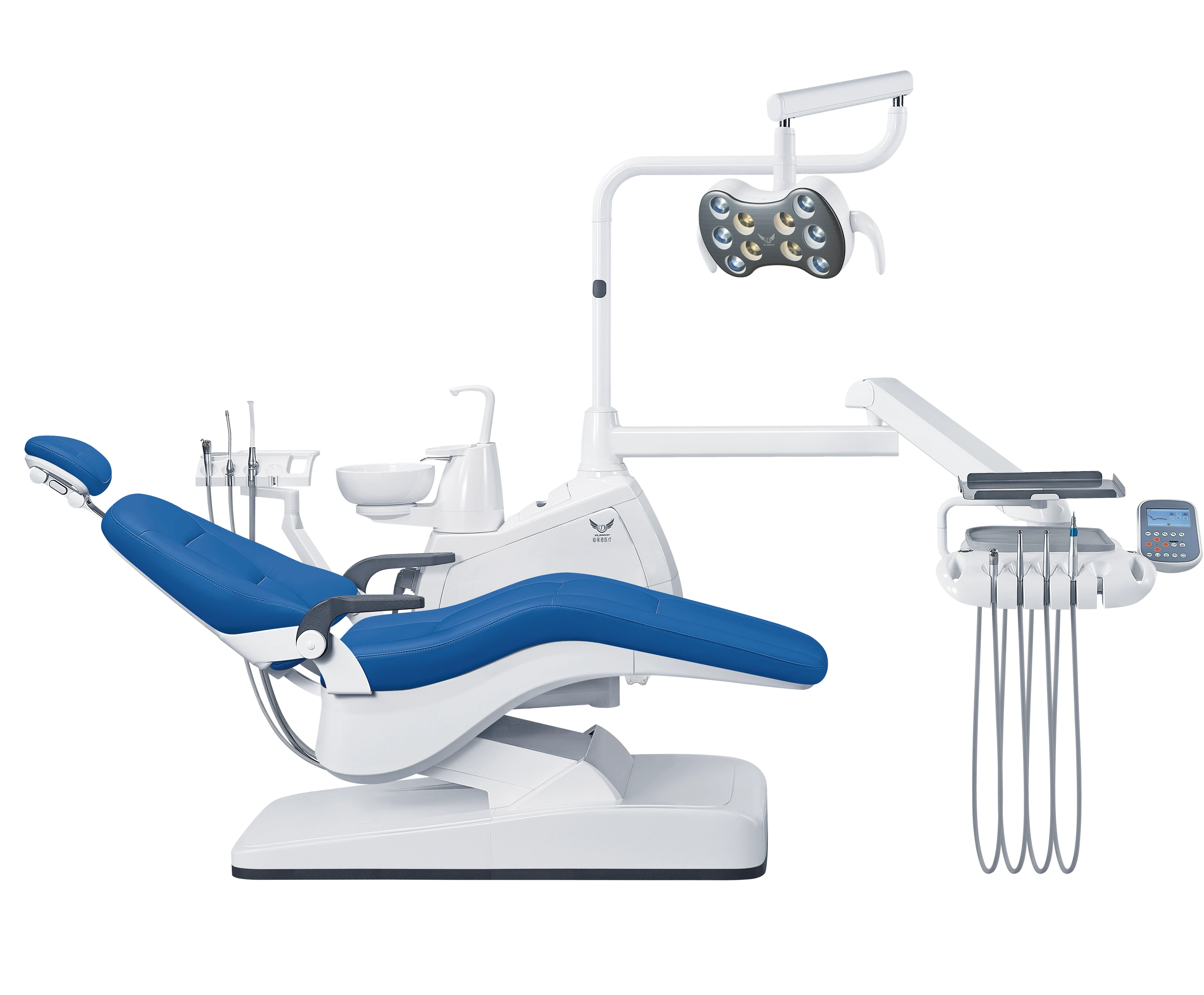
A good dental instrument represents the cornerstone of modern dental practice, combining precision engineering with ergonomic design to deliver exceptional performance in clinical settings. These specialized tools are meticulously crafted to meet the demanding requirements of dental professionals who require reliability, accuracy, and comfort during procedures. The main functions of a good dental instrument encompass examination, diagnosis, treatment, and maintenance of oral health conditions. From basic examinations to complex surgical interventions, these instruments serve as the primary interface between clinician expertise and patient care. Technological features integrated into a good dental instrument include premium-grade stainless steel construction that resists corrosion and maintains sharpness through countless sterilization cycles. Advanced manufacturing processes ensure consistent dimensions and tolerances, allowing for predictable performance in diverse clinical scenarios. The surface finishing techniques applied to a good dental instrument minimize tissue trauma while maximizing tactile feedback, enabling practitioners to work with confidence and precision. Ergonomic handle designs reduce hand fatigue during extended procedures, incorporating textured grips that maintain control even in wet conditions. Applications for a good dental instrument span the entire spectrum of dental specialties, including general dentistry, periodontics, endodontics, orthodontics, and oral surgery. In restorative procedures, a good dental instrument facilitates cavity preparation, material placement, and contouring with exceptional accuracy. During periodontal treatments, these instruments enable thorough scaling and root planing while preserving healthy tissue structures. Endodontic applications benefit from the precision engineering of a good dental instrument, allowing for intricate canal preparation and obturation. Diagnostic procedures rely on a good dental instrument to detect caries, assess periodontal health, and evaluate soft tissue conditions. The versatility of a good dental instrument makes it indispensable for practitioners seeking to deliver comprehensive care across multiple treatment modalities, ensuring optimal outcomes for every patient encounter.

 EN
EN


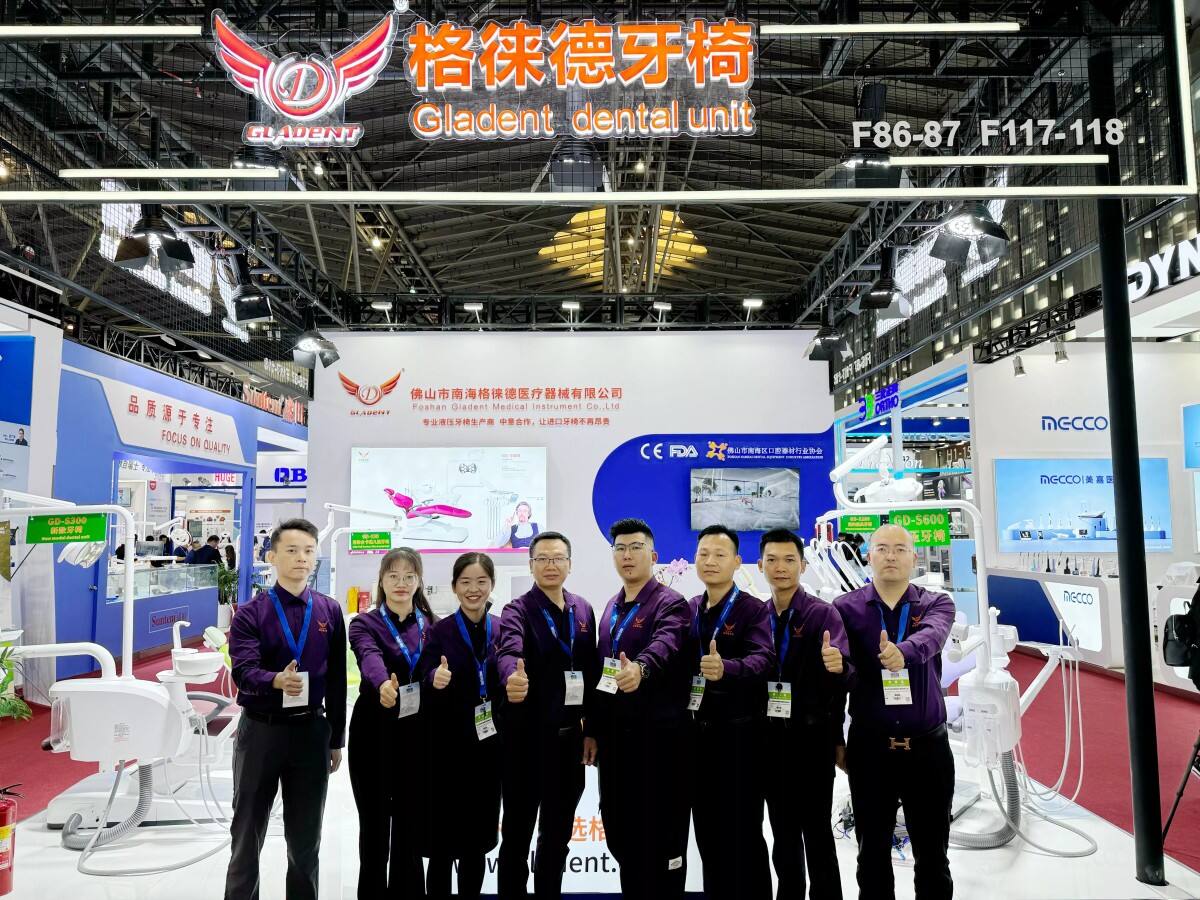
![Innovation Journey - GLADENT Dental Chairs: [The 30th South China International Dental Exhibition 2025 Concludes Successfully]](https://shopcdnpro.grainajz.com/category/19383/3803/616cc2b5bdfecec5e7c5b6aa95e40d84/%E5%BE%AE%E4%BF%A1%E5%9B%BE%E7%89%87_20250826164700.jpg)