Professional Dental Instrument Factory | Precision Manufacturing & Quality Tools

EN EN

Call Us:+86-757-81267151

dental instrument factory

A dental instrument factory serves as a specialized manufacturing facility dedicated to producing precision tools and equipment used by dental professionals worldwide. These factories operate at the intersection of medical device manufacturing and precision engineering, creating instruments that dentists, orthodontists, oral surgeons, and dental hygienists rely on daily. The main functions of a dental instrument factory encompass the complete production cycle, from initial design and prototyping to final quality inspection and distribution. Modern facilities integrate computer-aided design systems with advanced manufacturing technologies to ensure each instrument meets rigorous medical standards. The factory produces diverse product lines including examination tools like mirrors and explorers, extraction forceps, scalers, curettes, surgical instruments, orthodontic pliers, and composite placement tools. Technological features distinguish leading dental instrument factory operations from conventional manufacturing. These facilities employ CNC machining centers for creating complex geometries with micron-level precision, ensuring instruments perform consistently across thousands of procedures. Laser welding technology joins components without compromising material integrity, while electropolishing processes create smooth, non-porous surfaces that resist bacterial adhesion and simplify sterilization. Many factories utilize medical-grade stainless steel, titanium alloys, and specialized polymers that withstand repeated autoclaving cycles without degradation. Quality control systems incorporate optical inspection, dimensional verification, and functional testing to validate each instrument before packaging. Applications for dental instrument factory products span general dentistry, specialized surgical procedures, orthodontic treatments, periodontal therapy, endodontic procedures, and pediatric dentistry. Hospitals, private practices, dental schools, and public health clinics all depend on reliable instrument supply chains. The factory model enables economies of scale that make quality instruments accessible to practitioners in diverse economic settings, supporting global oral health initiatives. By centralizing expertise in metallurgy, ergonomic design, and sterilization compatibility, a dental instrument factory becomes an essential partner in delivering patient care.


New Products

Choosing products from an established dental instrument factory brings measurable benefits that directly impact clinical outcomes and practice economics. Cost efficiency stands as a primary advantage, as factory-direct purchasing eliminates intermediary markups that inflate prices unnecessarily. Practices can acquire complete instrument sets at lower per-unit costs compared to retail channels, freeing budget for technology upgrades or staff development. Volume production capabilities mean factories maintain consistent inventory levels, preventing the frustrating delays that occur when specialty items go out of stock. Practitioners gain peace of mind knowing replacement instruments arrive promptly when existing tools wear out or break during procedures. Quality consistency represents another crucial benefit. Factory-controlled manufacturing processes ensure every scaler, forcep, or mirror meets identical specifications, eliminating the performance variability that plagues inconsistent suppliers. Dental professionals develop muscle memory with their instruments, and knowing each replacement tool will feel and function identically reduces adaptation time and maintains procedural efficiency. Factories invest in metallurgical testing and heat treatment protocols that optimize hardness, flexibility, and corrosion resistance, extending instrument lifespan far beyond cheaper alternatives. This durability translates to fewer replacements over time, reducing long-term costs despite potentially higher initial prices. Ergonomic design emerges from factories that collaborate with practicing clinicians during product development. Instruments balanced for reduced hand fatigue allow practitioners to maintain precision during lengthy procedures without developing repetitive strain injuries. Textured handles provide secure grip even when wet, and weight distribution minimizes the pressure required to maintain control. These human-factor considerations directly improve practitioner comfort and patient safety. Regulatory compliance assurance gives additional confidence, as reputable factories maintain certifications from medical device authorities and document manufacturing processes for traceability. This documentation proves invaluable during audits or if questions arise about instrument performance. Factories also support sustainability through material recycling programs and packaging reduction initiatives, aligning with practices seeking to minimize environmental impact. Technical support and warranty programs provide problem resolution channels when issues occur, contrasting with anonymous overseas suppliers who disappear after sale. Training resources help staff optimize instrument use and maintenance, extending lifespan and preventing premature failure from improper handling. The relationship with a dental instrument factory becomes a partnership in practice success rather than a transactional commodity purchase.

Tips And Tricks

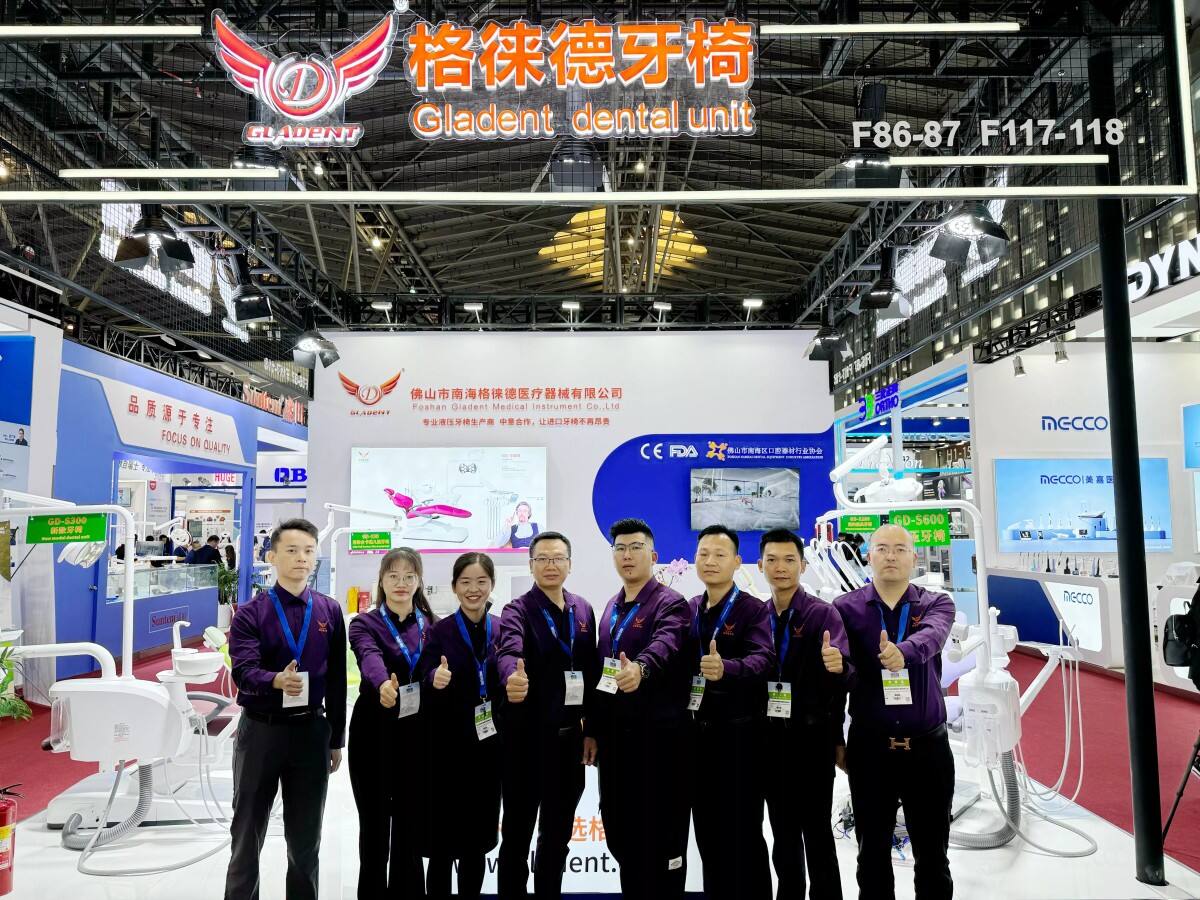
Gladent Medical in DenTech 2024 in Shanghai

27

Aug

Gladent Medical in DenTech 2024 in Shanghai

View More
Innovation Journey - GLADENT Dental Chairs: [The 30th South China International Dental Exhibition 2025 Concludes Successfully]

27

Aug

Innovation Journey - GLADENT Dental Chairs: [The 30th South China International Dental Exhibition 2025 Concludes Successfully]

View More
Distribute Women's Day gifts to female employees

28

Aug

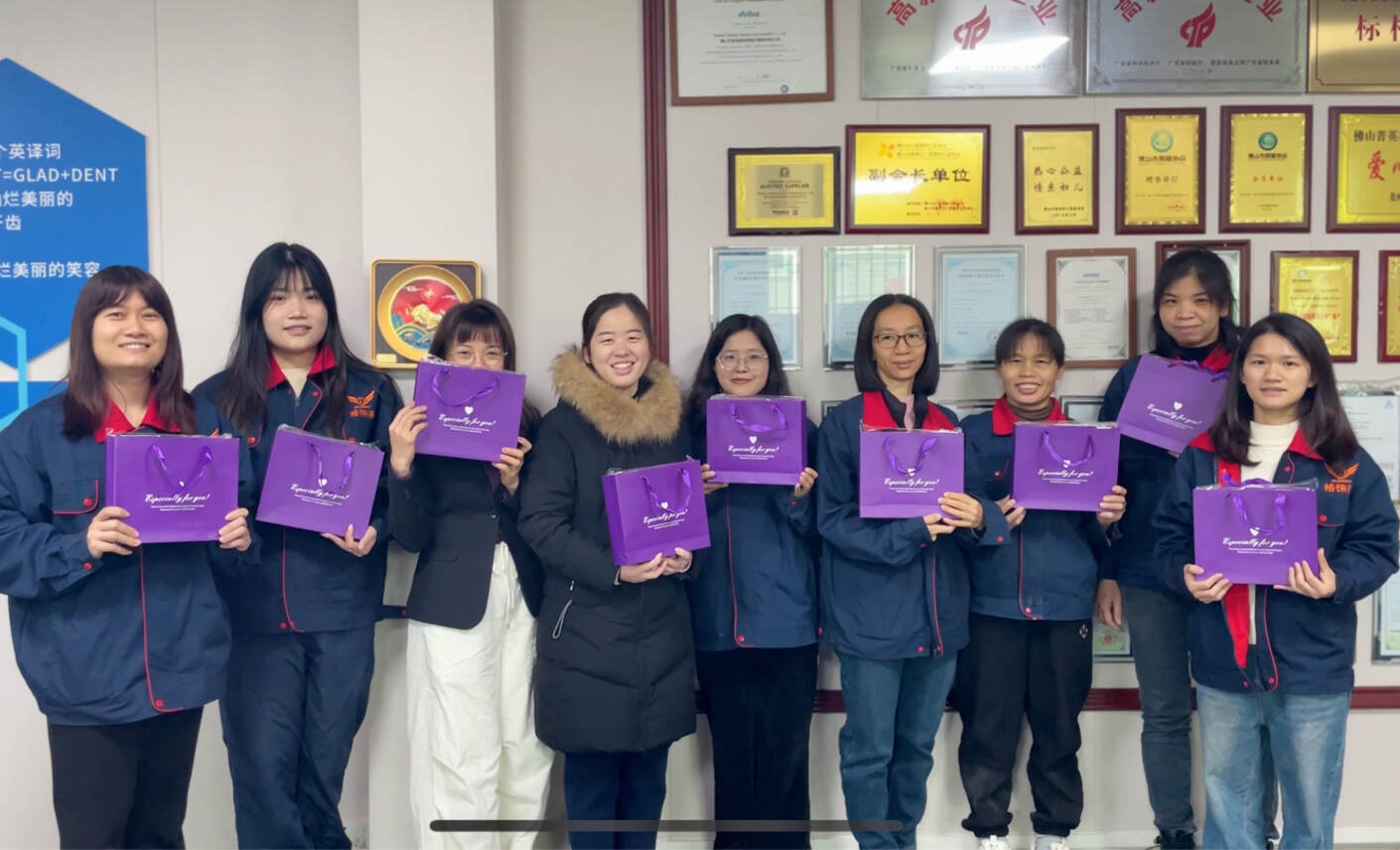
Distribute Women's Day gifts to female employees

View More

Get a Free Quote

Our representative will contact you soon.
Email
Mobile
Name
Company Name
Message
0/1000

dental instrument factory

Advanced Manufacturing Technology Integration

Advanced Manufacturing Technology Integration

Modern dental instrument factory facilities represent the convergence of traditional craftsmanship with cutting-edge manufacturing technology, creating instruments that previous generations could only imagine. The integration begins with three-dimensional modeling software that allows engineers to simulate instrument performance before physical prototypes exist, testing stress points, ergonomic factors, and functional characteristics in virtual environments. This digital design phase eliminates costly trial-and-error cycles and accelerates development timelines from concept to production. Once designs receive approval, computer numerical control machining centers translate digital specifications into physical components with extraordinary precision. These automated systems maintain tolerances measured in micrometers, ensuring that working ends of scalers and explorers achieve the exact angles required for effective calculus removal without damaging tooth enamel. Multi-axis machining capabilities create complex curves and contours that would be impossible through manual fabrication, enabling instrument designs optimized for specific procedures rather than generic approximations. Laser cutting technology sections raw materials without introducing heat-affected zones that could compromise metallurgical properties, while electrical discharge machining creates intricate details in hardened steels that conventional tools cannot touch. Surface finishing processes employ specialized techniques beyond simple polishing. Electropolishing removes microscopic surface irregularities through controlled material dissolution, creating non-porous finishes that prevent bacterial colonization and simplify sterilization protocols. Passivation treatments enhance corrosion resistance by forming protective oxide layers on stainless steel surfaces, extending instrument lifespan in demanding clinical environments. Some factories incorporate diamond-like carbon coatings that provide exceptional hardness and lubricity, reducing friction during tissue manipulation and extending sharpness retention for cutting instruments. Quality verification systems employ optical comparators that magnify instruments for dimensional inspection, coordinate measuring machines that map three-dimensional geometries, and automated testing rigs that simulate years of clinical use in compressed timeframes. These technological capabilities transform the dental instrument factory from a simple production facility into an innovation center that continuously pushes the boundaries of what dental instruments can achieve for practitioners and patients alike.
Comprehensive Quality Management Systems

Comprehensive Quality Management Systems

Quality assurance within a dental instrument factory extends far beyond final inspection, encompassing every stage from raw material procurement through post-sale support. This systematic approach begins with supplier qualification programs that evaluate material vendors against stringent criteria including certification documentation, metallurgical consistency, and traceability systems. Only materials meeting medical device standards enter the production environment, establishing quality at the foundation. Incoming inspection protocols verify material properties through spectroscopic analysis, hardness testing, and dimensional verification before manufacturing begins. During production, in-process checkpoints monitor critical characteristics at defined intervals, catching deviations before they propagate through subsequent operations. Statistical process control methods identify trends that might indicate emerging issues, enabling corrective action before defects occur rather than reacting after problems arise. This proactive approach minimizes waste and maintains output consistency that practitioners depend upon. Instrument calibration programs ensure that cutting edges meet specified angles, that handles achieve proper balance, and that all dimensions conform to design specifications. Functional testing validates that instruments perform their intended tasks under conditions simulating clinical use. Forceps must grip securely without slipping, mirrors must provide distortion-free visualization, and scalers must remove deposits efficiently without excessive force. These functional validations complement dimensional checks by confirming that measurements translate into real-world performance. Sterilization compatibility testing subjects instruments to repeated autoclave cycles while monitoring for discoloration, corrosion, or mechanical degradation that would limit clinical lifespan. Environmental testing exposes instruments to temperature extremes, humidity variations, and chemical exposures they might encounter in diverse practice settings. Documentation systems create complete traceability from raw material lot numbers through manufacturing operations to final distribution, enabling rapid response if field issues require investigation. When a dental instrument factory maintains these comprehensive quality systems, practitioners receive tools that perform reliably across thousands of procedures, justifying their investment through consistent results. The quality management framework represents an invisible but invaluable component of the value proposition, distinguishing professional-grade instruments from superficially similar alternatives that lack rigorous validation. This commitment to systematic quality creates the reliability that builds practitioner confidence and ultimately supports optimal patient outcomes.
Customization Capabilities and Product Development Partnership

Customization Capabilities and Product Development Partnership

A sophisticated dental instrument factory offers more than standardized catalog items, providing customization capabilities that address specific clinical needs and enabling practitioners to specify instruments optimized for their particular techniques. This flexibility begins with handle modifications that accommodate individual ergonomic preferences, including diameter variations, texturing patterns, and length adjustments that suit different hand sizes and grip styles. Practitioners with smaller hands benefit from reduced-diameter handles that improve control, while those performing lengthy procedures appreciate extended lengths that reduce wrist flexion. Surface treatments range from smooth stainless finishes to aggressive knurling that provides secure grip under wet conditions, with intermediate texturing options offering balanced compromises. Working end customization addresses the diverse requirements of specialized procedures. Endodontists might request modified explorer angles for accessing specific canal anatomies, while periodontists could specify scaler blade geometries optimized for subgingival access in deep pockets. Oral surgeons benefit from forcep beak modifications that improve purchase on tooth structures with unusual morphology or compromised integrity. These customizations transform generic instruments into precision tools that enhance procedural efficiency and outcomes. The product development partnership extends beyond individual modifications to collaborative instrument design for emerging techniques. When practitioners identify unmet needs in their clinical work, forward-thinking factories engage in dialogue to understand the challenges and develop purpose-built solutions. This collaborative process might span months as prototypes undergo refinement through iterative testing and feedback cycles, but results in instruments that advance clinical capabilities rather than perpetuating historical limitations. Material selection consultation helps practices choose appropriate instrument grades for their specific sterilization protocols, patient volumes, and budget constraints. Premium alloys offer maximum longevity for high-volume practices, while standard grades provide excellent value for lower-utilization scenarios. Factories with broad material expertise guide these decisions based on actual performance data rather than marketing claims. Marking and identification customization helps practices implement instrument tracking systems, with laser engraving, color coding, or custom shapes facilitating organization and inventory management. These seemingly minor features significantly impact operational efficiency in busy practices managing extensive instrument inventories. The customization and partnership capabilities of an advanced dental instrument factory transform the supplier relationship from transactional commodity purchasing into a strategic alliance that supports practice growth and clinical excellence. Practitioners gain access to engineering expertise and manufacturing capabilities that would be impossible to develop internally, extending their clinical reach through better tools designed specifically for their needs.