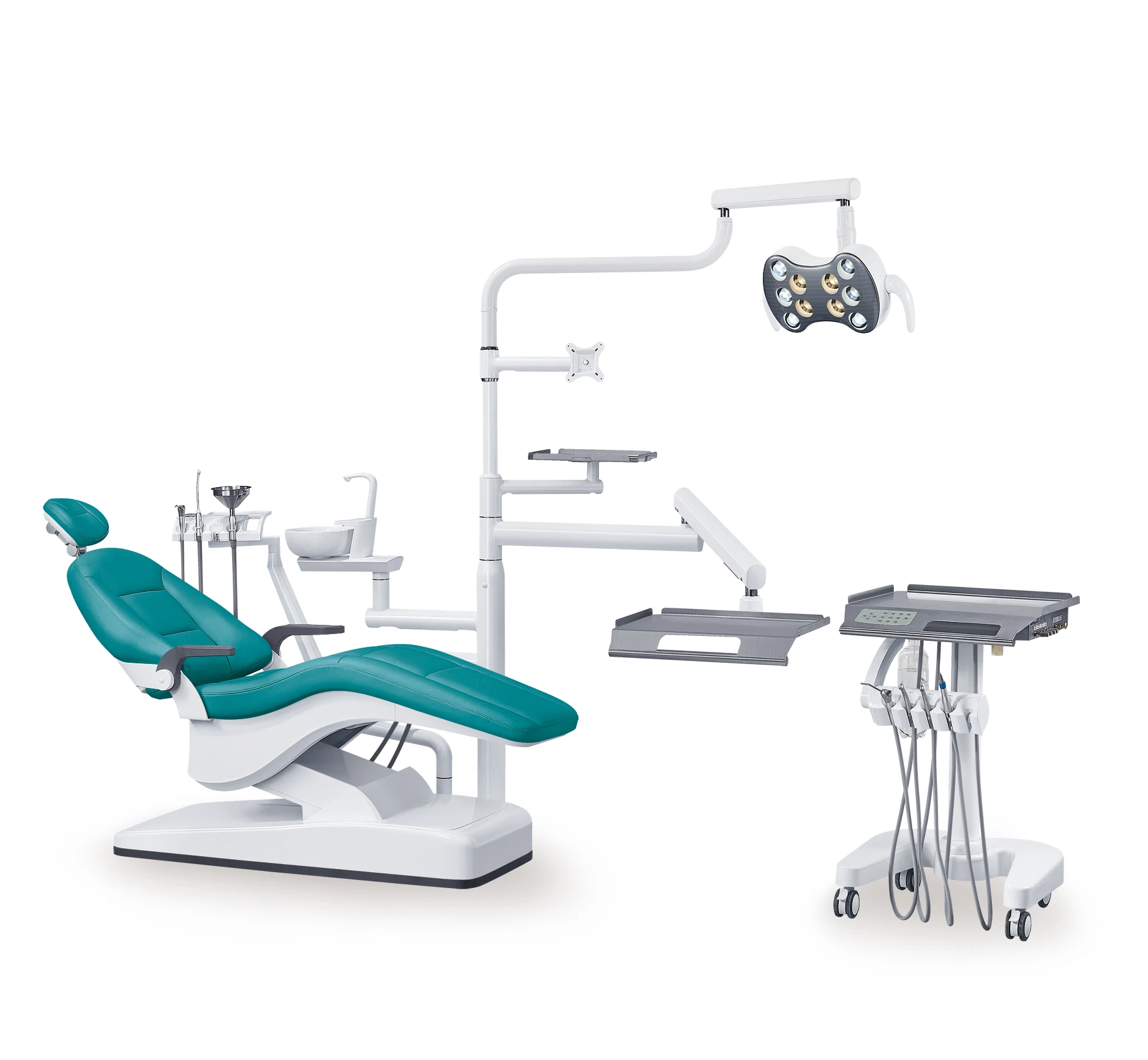
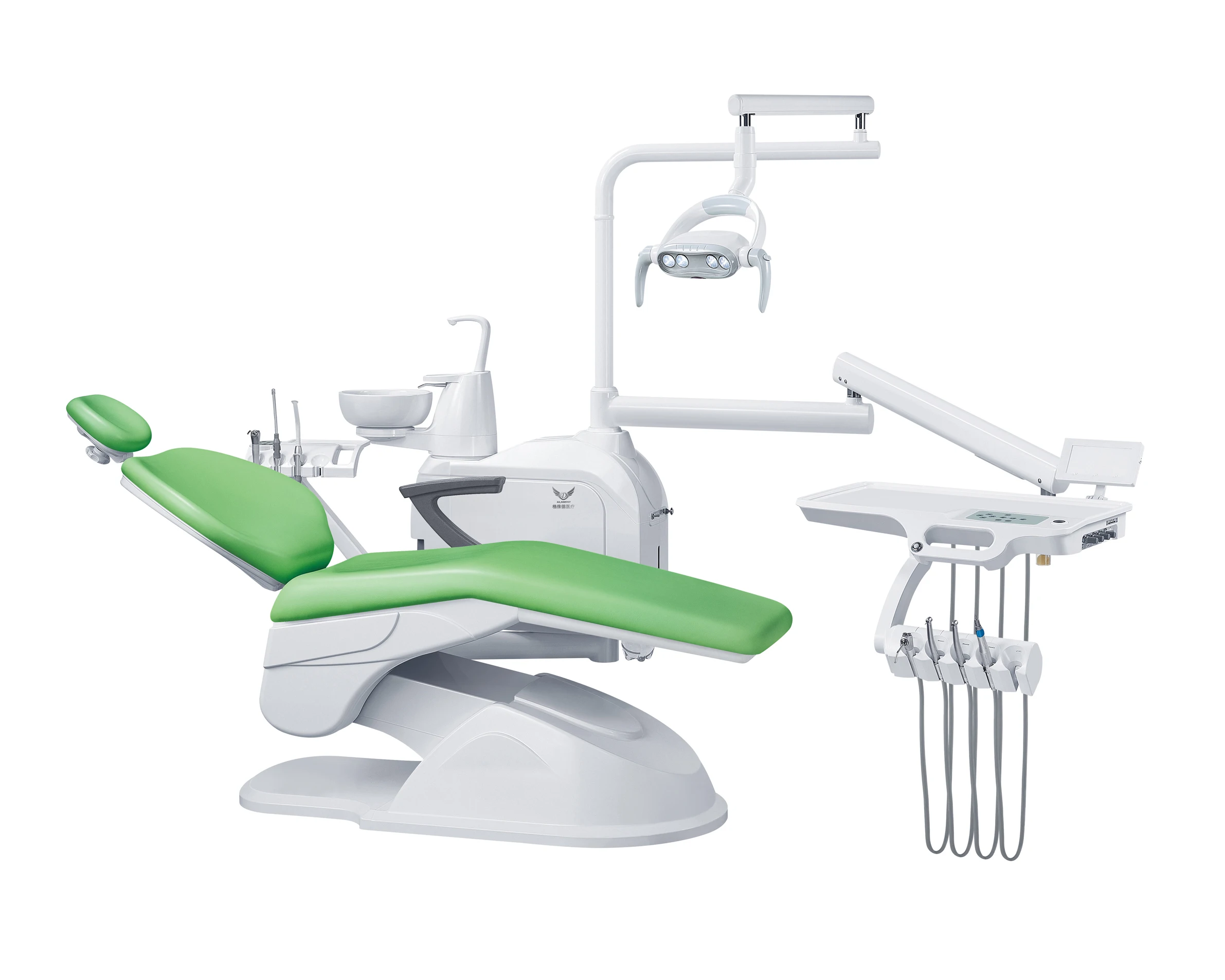
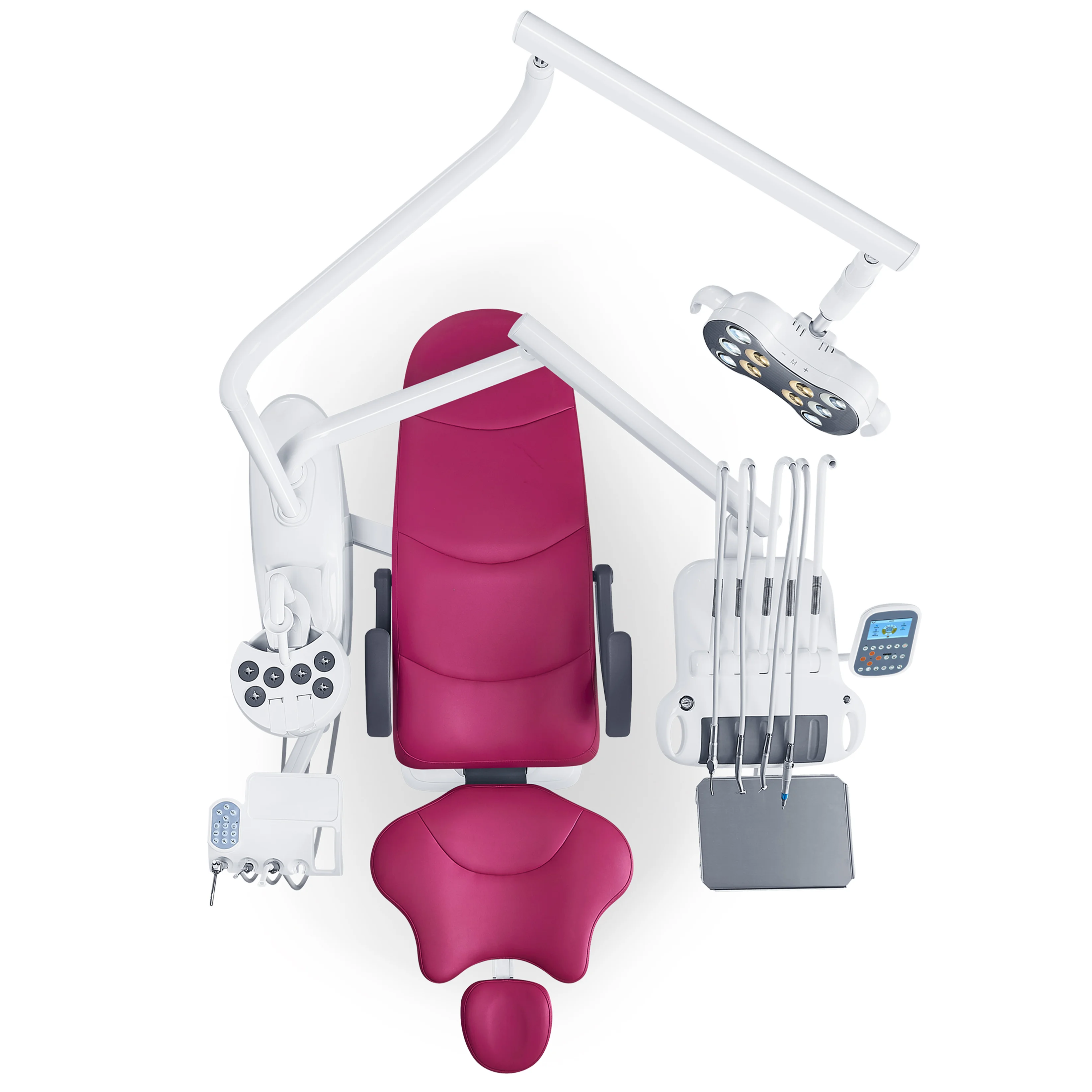
dental instrument for clinics
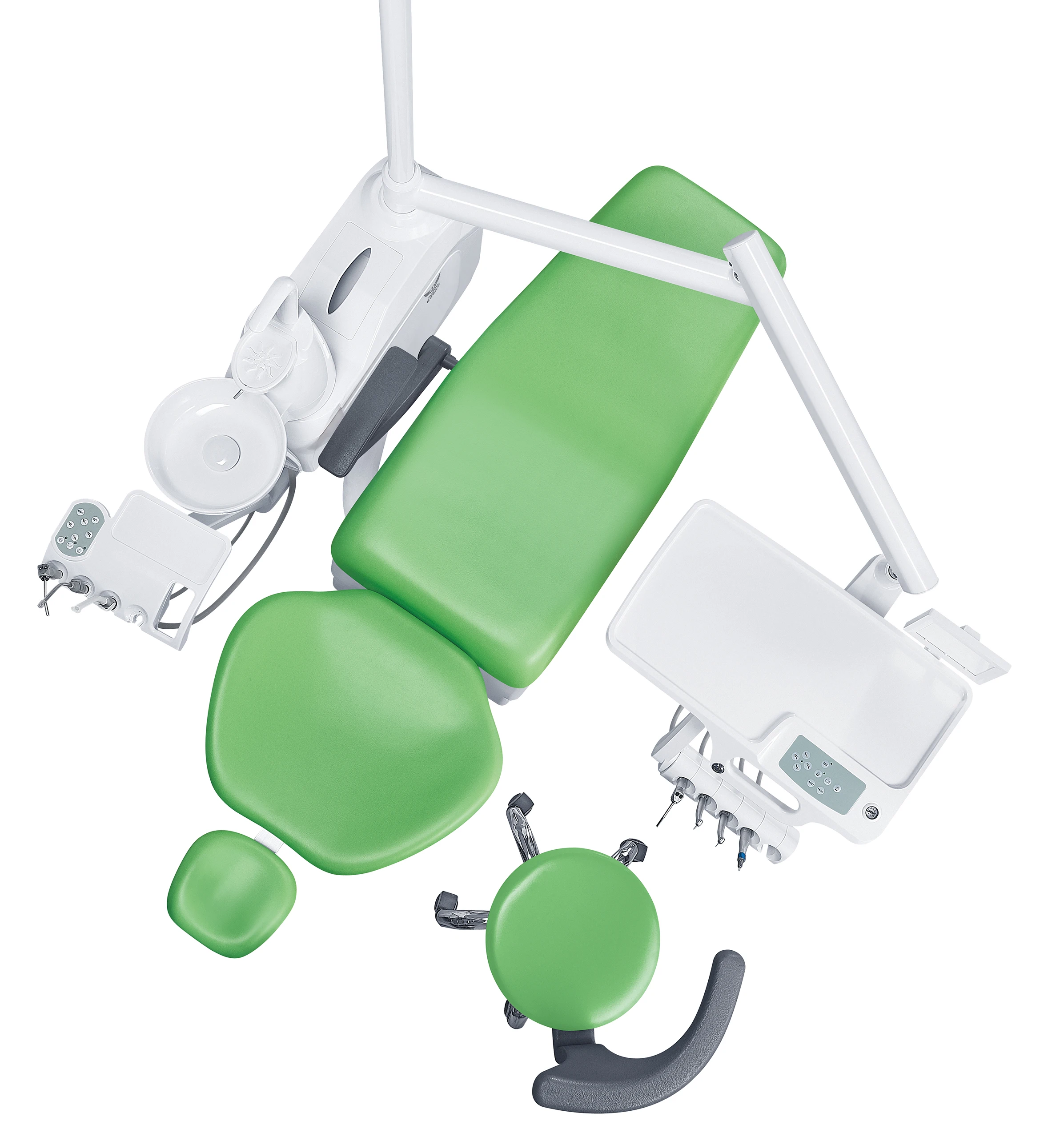
Modern dental instrument for clinics represents a cornerstone of contemporary oral healthcare delivery, combining precision engineering with advanced technology to meet the demanding requirements of professional dental practices. These specialized tools encompass a comprehensive range of equipment designed to facilitate diagnostic procedures, therapeutic interventions, and preventive care protocols. The dental instrument for clinics serves as an essential component in examining oral cavities, identifying pathological conditions, performing restorative treatments, and maintaining optimal patient comfort throughout various procedures. Healthcare providers rely on these sophisticated instruments to deliver accurate assessments and execute treatment plans with remarkable efficiency. The technological evolution of dental instrument for clinics has transformed traditional dentistry into a highly specialized field where digital integration, ergonomic design, and material science converge to create superior clinical outcomes. Contemporary instruments feature lightweight construction, enhanced tactile feedback, and improved visibility characteristics that enable practitioners to work with greater confidence and reduced fatigue during extended procedures. The applications of dental instrument for clinics extend across multiple disciplines including general dentistry, orthodontics, periodontics, endodontics, and oral surgery. Each specialized field benefits from purpose-built instruments that address specific clinical challenges while maintaining universal standards of sterilization compatibility and durability. Advanced models incorporate smart sensors, wireless connectivity, and real-time data capture capabilities that facilitate documentation and treatment monitoring. The integration of antimicrobial coatings, corrosion-resistant alloys, and precision manufacturing techniques ensures that dental instrument for clinics maintains performance reliability throughout thousands of sterilization cycles. Practitioners appreciate instruments that offer intuitive handling characteristics, reducing the learning curve for new team members while maximizing procedural efficiency for experienced clinicians.

 EN
EN


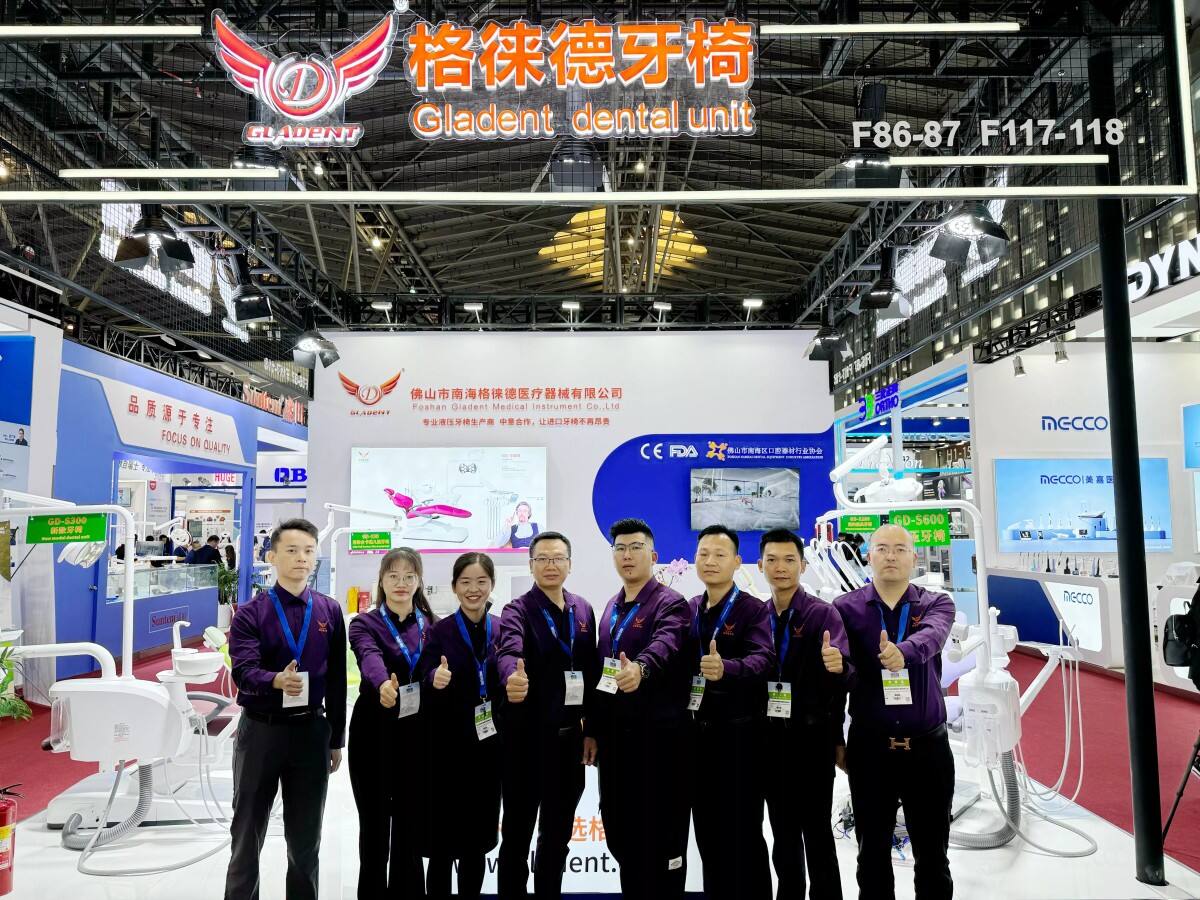
![Innovation Journey - GLADENT Dental Chairs: [The 30th South China International Dental Exhibition 2025 Concludes Successfully]](https://shopcdnpro.grainajz.com/category/19383/3803/616cc2b5bdfecec5e7c5b6aa95e40d84/%E5%BE%AE%E4%BF%A1%E5%9B%BE%E7%89%87_20250826164700.jpg)