Professional Dental Instruments - Precision Tools for Superior Patient Care

EN EN

Call Us:+86-757-81267151

dental instrument professional

A dental instrument professional represents a comprehensive solution designed to meet the exacting standards of modern dental practices. These specialized tools combine precision engineering with ergonomic design to deliver exceptional performance across a wide range of clinical procedures. The dental instrument professional encompasses everything from diagnostic instruments to surgical implements, each crafted to enhance procedural accuracy and patient comfort. At its core, the dental instrument professional integrates advanced materials science with cutting-edge manufacturing techniques. Stainless steel alloys and titanium composites ensure durability while maintaining the lightweight characteristics essential for prolonged use. The instruments feature autoclave-compatible construction, allowing repeated sterilization cycles without compromising structural integrity or sharpness. Surface treatments include antimicrobial coatings that reduce cross-contamination risks, while textured grips provide secure handling even in wet conditions. The main functions of a dental instrument professional extend across multiple disciplines within dentistry. For restorative procedures, these instruments enable precise cavity preparation, material placement, and finishing work. In periodontal applications, they facilitate accurate scaling, root planing, and tissue management. Surgical procedures benefit from the refined cutting edges and balanced weight distribution that characterize professional-grade instruments. Diagnostic functions include detailed examination capabilities through mirrors, explorers, and probes engineered for tactile sensitivity. Technological features distinguish the dental instrument professional from standard alternatives. Many incorporate measurement markings for depth assessment, color-coded systems for quick identification, and modular designs allowing component replacement rather than complete instrument disposal. The manufacturing process employs computer-controlled machining to achieve tolerances measured in microns, ensuring consistent performance across production batches. Applications span general dentistry, specialized practices, dental schools, and research facilities. Whether performing routine cleanings, complex reconstructions, or delicate endodontic procedures, practitioners rely on the dental instrument professional to deliver predictable results that meet both clinical requirements and patient expectations.


New Product Releases

Choosing a dental instrument professional delivers tangible benefits that directly impact daily practice efficiency and treatment outcomes. First and foremost, these instruments reduce procedural time through their superior design and functionality. The balanced weight distribution minimizes hand fatigue during extended procedures, allowing practitioners to maintain steady control and precision throughout lengthy appointments. This ergonomic advantage translates into fewer breaks, reduced strain injuries, and the ability to schedule more patients without compromising quality of care. The enhanced durability of a dental instrument professional creates significant cost savings over time. While initial investment may exceed basic alternatives, the extended lifespan means fewer replacements and lower long-term expenses. These instruments withstand thousands of sterilization cycles without edge degradation or handle deterioration, maintaining their original performance characteristics for years. Practices avoid the hidden costs associated with frequent instrument replacement, including ordering time, inventory management, and staff training on new tools. Patient comfort improves measurably when practitioners use a dental instrument professional. The refined edges and smooth surfaces reduce tissue trauma during procedures, resulting in less post-operative discomfort and faster healing times. Patients appreciate the gentle approach these instruments enable, leading to higher satisfaction scores and increased treatment acceptance rates. When patients feel more comfortable, they schedule regular visits and recommend the practice to others, directly contributing to practice growth. Clinical outcomes reach higher standards with a dental instrument professional. The precision these tools provide allows for more conservative preparations, preserving healthy tooth structure while effectively addressing pathology. Restorations fit better, margins close more accurately, and finishing work achieves superior aesthetics. These quality improvements reduce callback appointments for adjustments and enhance the practice's reputation for excellence. Infection control becomes more reliable with instruments designed for professional healthcare environments. The seamless construction prevents debris accumulation in joints and crevices where bacteria might otherwise harbor. Materials resist corrosion from disinfectants and steam sterilization, maintaining surface integrity that supports thorough cleaning protocols. Staff members can process instruments efficiently, knowing the dental instrument professional will emerge from each cycle ready for immediate clinical use. Practice flexibility expands when equipped with versatile instruments that handle multiple applications. A well-designed dental instrument professional adapts to various procedures, reducing the total number of specialized tools required in inventory. This versatility streamlines tray setups, simplifies staff training, and decreases storage space requirements. Practitioners can respond confidently to diverse clinical situations without searching for specific instruments or improvising with inadequate alternatives.

Tips And Tricks

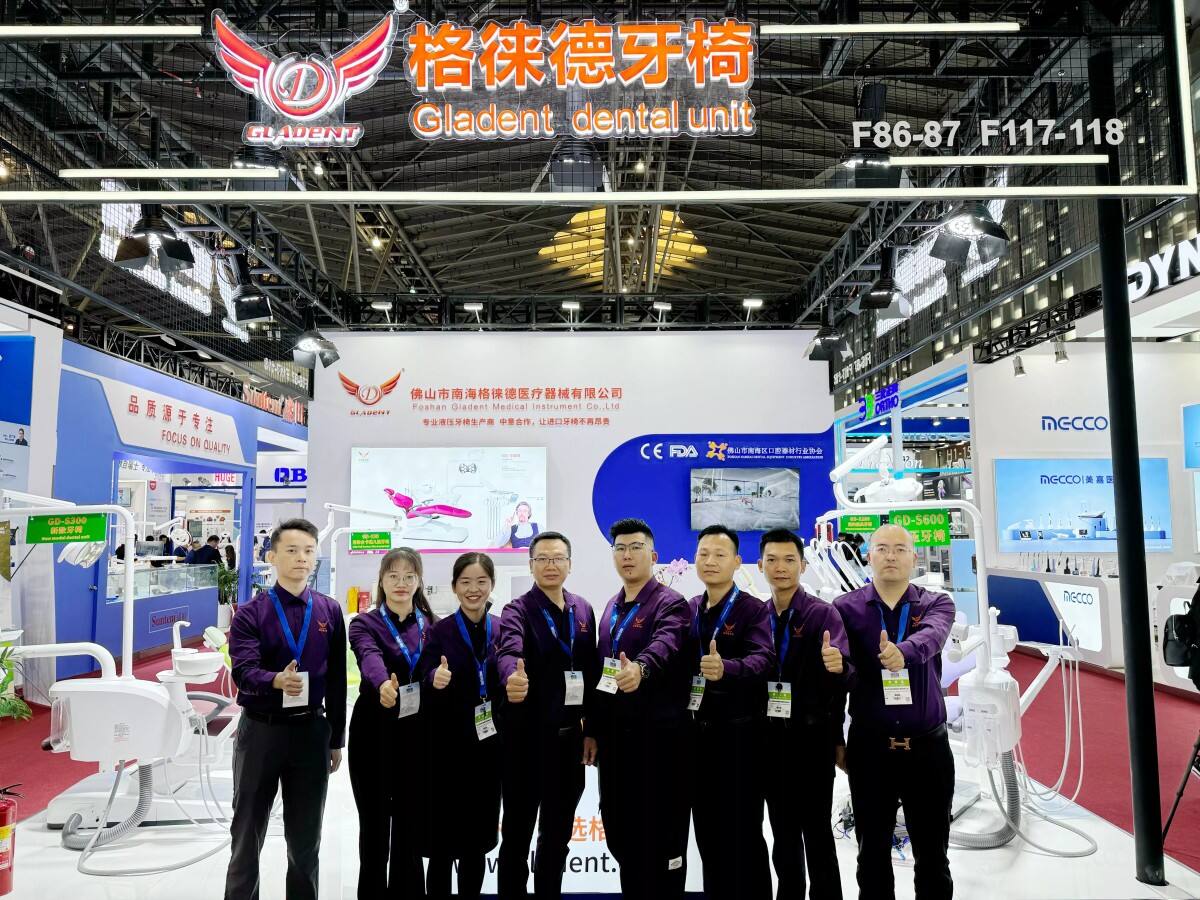
Gladent Medical in DenTech 2024 in Shanghai

27

Aug

Gladent Medical in DenTech 2024 in Shanghai

View More
Innovation Journey - GLADENT Dental Chairs: [The 30th South China International Dental Exhibition 2025 Concludes Successfully]

27

Aug

Innovation Journey - GLADENT Dental Chairs: [The 30th South China International Dental Exhibition 2025 Concludes Successfully]

View More
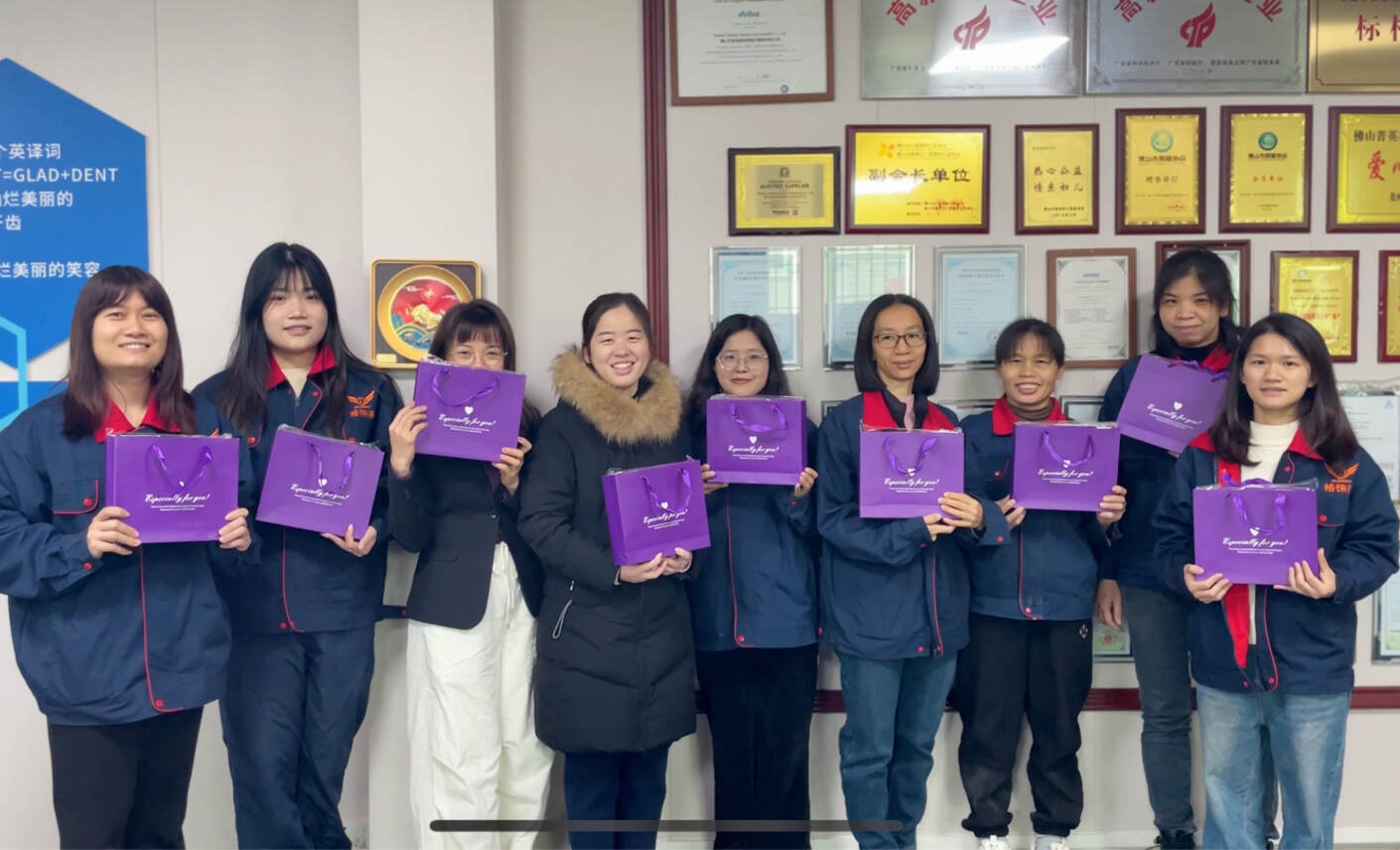
Distribute Women's Day gifts to female employees

28

Aug

Distribute Women's Day gifts to female employees

View More

Get a Free Quote

Our representative will contact you soon.
Email
Mobile
Name
Company Name
Message
0/1000

dental instrument professional

Precision Engineering for Consistent Clinical Results

Precision Engineering for Consistent Clinical Results

The dental instrument professional stands apart through its commitment to precision engineering that delivers consistent clinical results across every application. Manufacturing processes employ advanced computer numerical control technology to create instruments with tolerances that traditional methods cannot achieve. Each cutting edge receives individual attention during the grinding and honing stages, ensuring sharpness meets exacting specifications before leaving the production facility. This meticulous approach means practitioners receive instruments performing at peak capability from their first use, eliminating the break-in period associated with lesser alternatives. The blade geometry of a dental instrument professional reflects decades of research into optimal cutting angles and edge configurations. Engineers analyze how different designs interact with various dental tissues, from enamel's crystalline structure to dentin's tubular composition and the delicate nature of soft tissues. This research translates into instruments that cut efficiently with minimal force application, reducing the physical demand on practitioners while improving patient comfort during procedures. The refined edges maintain their sharpness through extended use, providing reliable performance that practitioners can depend on throughout the instrument's service life. Material selection plays a crucial role in the dental instrument professional's precision capabilities. High-grade stainless steel alloys combine hardness for edge retention with sufficient flexibility to prevent brittle failure under stress. The specific alloy composition undergoes rigorous testing to ensure it meets medical device standards while providing the working characteristics clinicians require. Heat treatment processes further enhance these properties, creating a microstructure that supports both durability and functionality. Surface finishing on a dental instrument professional goes beyond simple polishing to create functionally optimized textures. Mirror finishes on working ends reduce friction and prevent material adherence during restorative procedures. Textured grip zones provide secure handling without excessive gripping force, reducing hand fatigue and improving control during delicate manipulations. These surface treatments undergo quality verification to ensure they meet specifications that support both performance and sterilization requirements. The balanced design of each dental instrument professional reflects ergonomic principles validated through clinical studies and practitioner feedback. Weight distribution centers near the grip area, reducing the lever arm effect that causes wrist strain during extended procedures. Handle dimensions accommodate various hand sizes without forcing awkward postures or grip adjustments. This thoughtful design enables practitioners to work comfortably for hours, maintaining the steady hand control essential for precise clinical work.
Comprehensive Durability for Long-Term Value

Comprehensive Durability for Long-Term Value

Investing in a dental instrument professional means acquiring tools built to withstand the demanding environment of clinical dental practice for years of reliable service. The comprehensive durability these instruments offer extends far beyond simple longevity to encompass maintained performance characteristics throughout their extended lifespan. Unlike economy alternatives that quickly lose their edge or develop handling issues, a dental instrument professional continues delivering the same precision and functionality after thousands of uses and sterilization cycles as it did when first placed into service. This sustained performance creates exceptional value for dental practices of all sizes. The corrosion resistance engineered into every dental instrument professional protects against the aggressive chemicals and high temperatures encountered during standard sterilization protocols. Autoclaving exposes instruments to saturated steam at elevated pressures, conditions that rapidly degrade inferior materials. The specialized alloys used in professional-grade instruments resist this harsh environment, emerging from each cycle without the pitting, discoloration, or surface degradation that compromises both aesthetics and function. This resistance extends to chemical disinfectants used in pre-cleaning and cold sterilization applications, ensuring instruments maintain their integrity regardless of which approved protocols the practice follows. Structural integrity remains paramount throughout the dental instrument professional's service life. Joints and hinges in articulating instruments maintain smooth operation without developing the looseness or binding that affects lesser products. Springs retain their tension, providing consistent tactile feedback that practitioners rely on for proper technique. Handles resist cracking, chipping, or delamination even after years of repeated thermal cycling and mechanical stress. This structural reliability means practitioners can focus on their clinical work without concerns about instrument failure at critical moments during procedures. The edge retention capabilities of a dental instrument professional significantly reduce maintenance requirements and extend intervals between sharpening services. Advanced metallurgy and precise heat treatment create a blade structure that resists dulling during normal clinical use. When sharpening does become necessary, the quality materials respond predictably to professional reconditioning, restoring full functionality without excessive material removal. This characteristic allows instruments to undergo multiple sharpening cycles throughout their lifetime, each time returning to their original performance level rather than showing progressive degradation. Environmental resistance protects the dental instrument professional during storage and transport between operatories and sterilization areas. Humidity fluctuations, temperature variations, and incidental contact with surfaces do not compromise instrument integrity. This robustness supports various practice workflows, whether instruments are processed immediately after use or collected for batch sterilization. The consistent reliability reduces anxiety about proper handling procedures while maintaining the performance standards practices depend on for quality patient care.
Enhanced Patient Care Through Advanced Design

Enhanced Patient Care Through Advanced Design

The dental instrument professional elevates patient care through advanced design features that prioritize comfort, safety, and optimal treatment outcomes. Every aspect of these instruments reflects a patient-centered philosophy that recognizes excellent clinical results depend on tools that support gentle, efficient procedures. The refined working ends interact with dental tissues in ways that minimize trauma while maximizing effectiveness, creating a treatment experience that builds patient confidence and encourages ongoing preventive care. This focus on patient welfare distinguishes the dental instrument professional from alternatives designed primarily around manufacturing convenience or cost reduction. Tissue preservation stands as a fundamental advantage of the dental instrument professional design. The precisely controlled cutting edges remove only the intended material, whether decayed tooth structure, calculus deposits, or excess restorative material during finishing procedures. This selectivity allows practitioners to adopt conservative treatment approaches that preserve maximum healthy tissue, supporting long-term dental health. Patients benefit from preparations that maintain tooth strength while effectively addressing pathology, reducing the need for more extensive interventions later. The conservative approach these instruments enable aligns with modern dentistry's emphasis on minimally invasive techniques that respect biological structures. Reduced procedural discomfort represents a significant patient benefit when practitioners use a dental instrument professional. The smooth surfaces and refined edges cause less irritation to soft tissues during retraction and manipulation. Cutting actions require less force, generating reduced vibration and pressure sensations that patients find uncomfortable. These subtle improvements in technique enabled by superior instruments accumulate throughout a procedure, resulting in a noticeably more pleasant experience. Patients who experience less discomfort during treatment are more likely to maintain regular appointments and accept recommended procedures rather than delaying care until problems become severe. Safety features integrated into the dental instrument professional design protect both patients and practitioners from inadvertent injury. Rounded backs on scalers and curettes prevent tissue laceration during subgingival work. Balanced instruments reduce the likelihood of slippage that could cause puncture wounds or abrasions. Clear visual identification through color coding or distinctive designs helps prevent instrument confusion that might lead to using inappropriate tools for specific procedures. These safety considerations reflect the professional-grade standards that characterize instruments designed for healthcare applications rather than general industrial use. The aesthetic results achievable with a dental instrument professional contribute significantly to patient satisfaction and treatment acceptance. Finishing instruments create smooth, naturally contoured restorations that blend seamlessly with surrounding tooth structure. The precision these tools provide enables practitioners to achieve the detailed work that distinguishes acceptable results from truly excellent outcomes. Patients notice and appreciate the quality difference, recognizing the care and skill invested in their treatment. This positive perception strengthens the patient-practitioner relationship and reinforces the value of professional dental care.