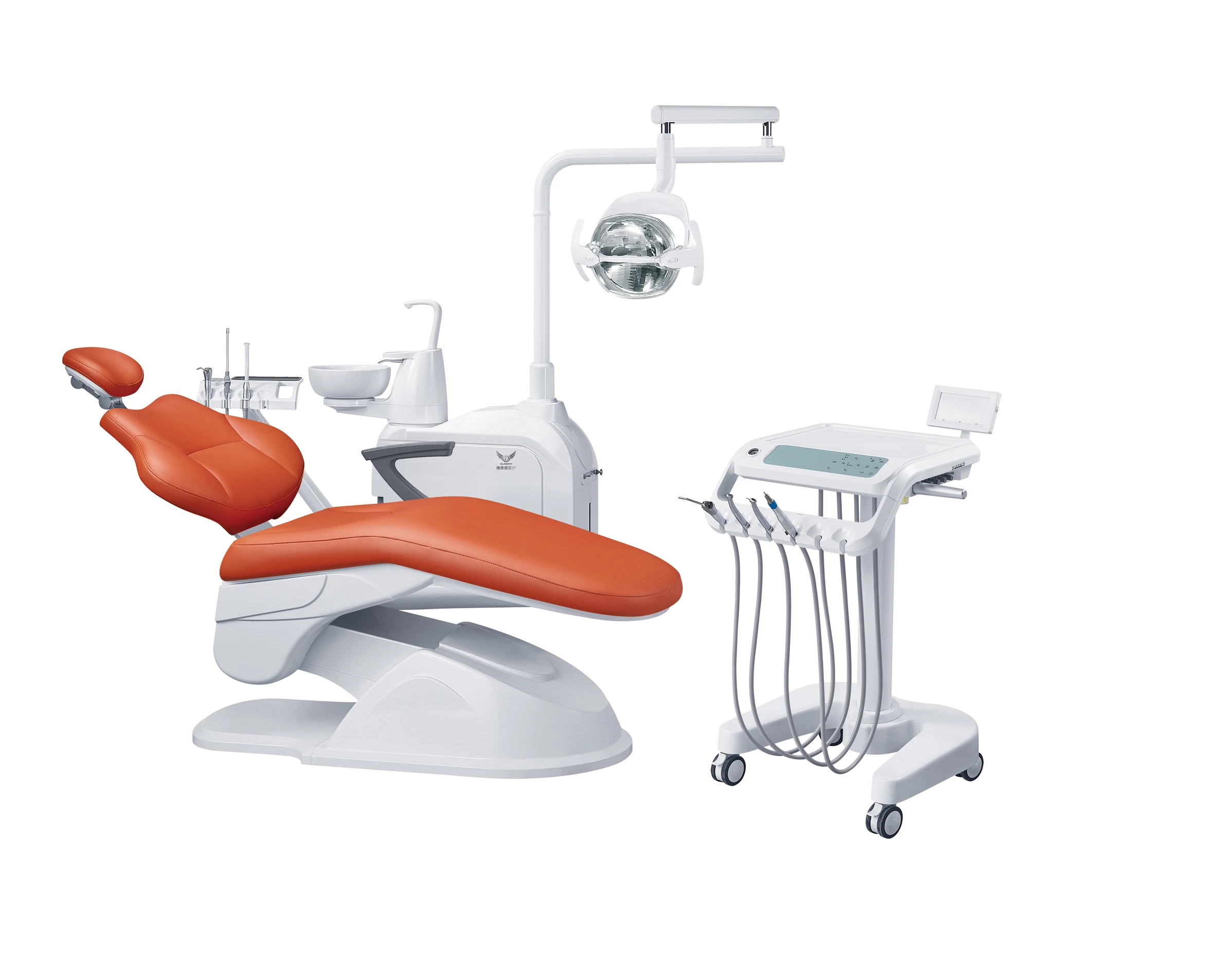
durable dental instrument
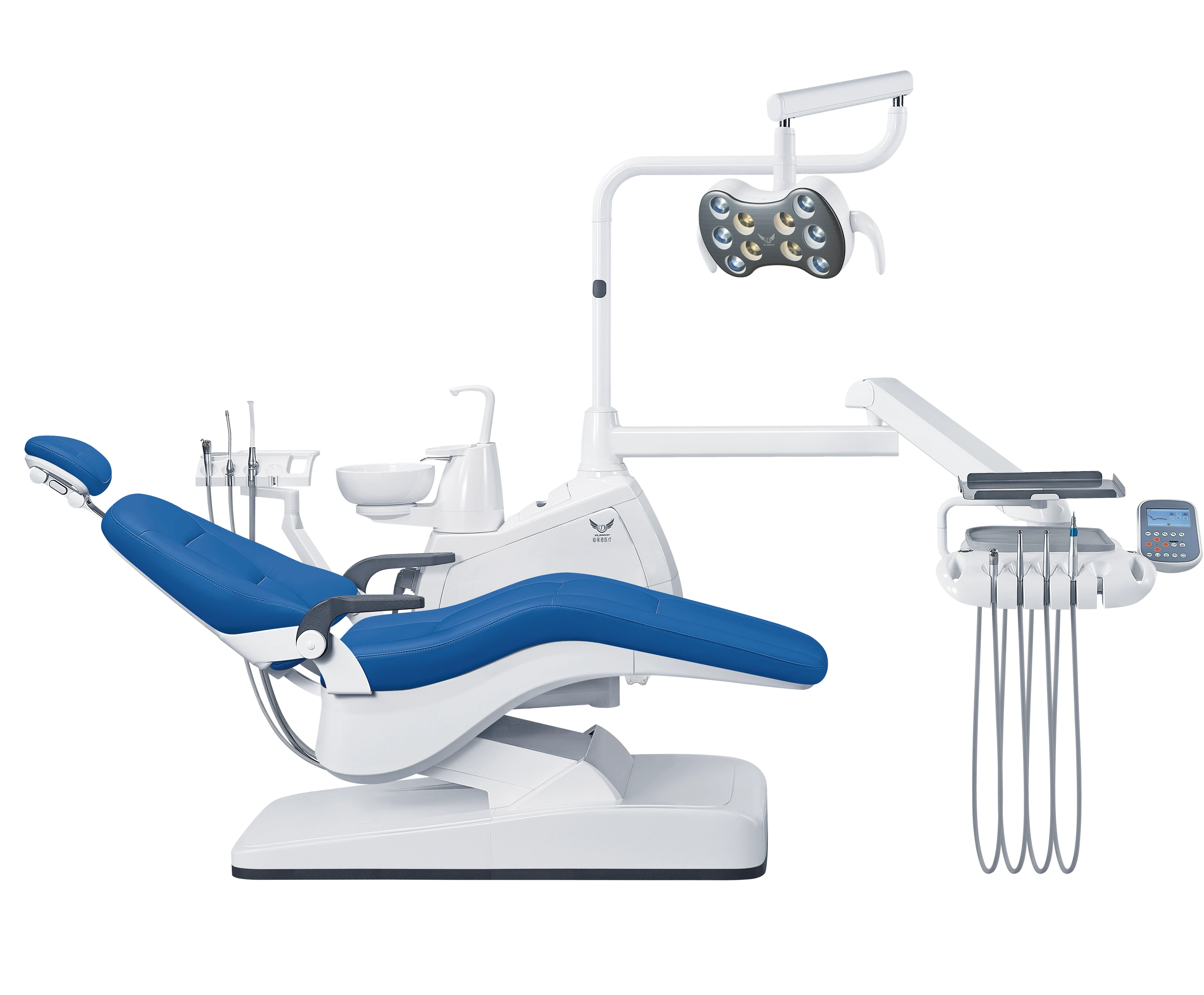
A durable dental instrument represents a critical investment for modern dental practices, combining precision engineering with long-lasting performance to deliver exceptional results in patient care. These specialized tools are designed to withstand the rigorous demands of daily clinical use while maintaining their accuracy and functionality over extended periods. The primary function of a durable dental instrument is to provide dental professionals with reliable equipment that performs consistently across various procedures, from routine examinations to complex restorative treatments. Built with high-grade stainless steel or advanced titanium alloys, these instruments resist corrosion, wear, and degradation even after countless sterilization cycles. The technological features incorporated into a durable dental instrument include ergonomic handle designs that reduce hand fatigue during prolonged procedures, precisely calibrated working ends that ensure accurate treatment delivery, and surface treatments that enhance grip and control. Many models feature advanced manufacturing processes such as laser welding and computer-controlled grinding, which create seamless joints and perfectly balanced instruments. Applications for a durable dental instrument span the entire spectrum of dental care, including diagnostic examinations, scaling and root planing, restorative procedures, surgical interventions, and orthodontic adjustments. These tools serve general practitioners, specialists, and dental hygienists alike, adapting to diverse clinical scenarios with consistent performance. The construction quality of a durable dental instrument directly impacts clinical outcomes, as precise instruments enable more accurate diagnoses and treatments while reducing the risk of tissue damage or procedural complications. Investment in such instruments demonstrates a commitment to professional excellence and patient safety, as reliable tools contribute to smoother workflows and better treatment experiences. The longevity of a durable dental instrument translates into significant cost savings over time, eliminating the need for frequent replacements and reducing practice overhead while ensuring that practitioners always have dependable tools at their disposal for delivering optimal patient care.

 EN
EN


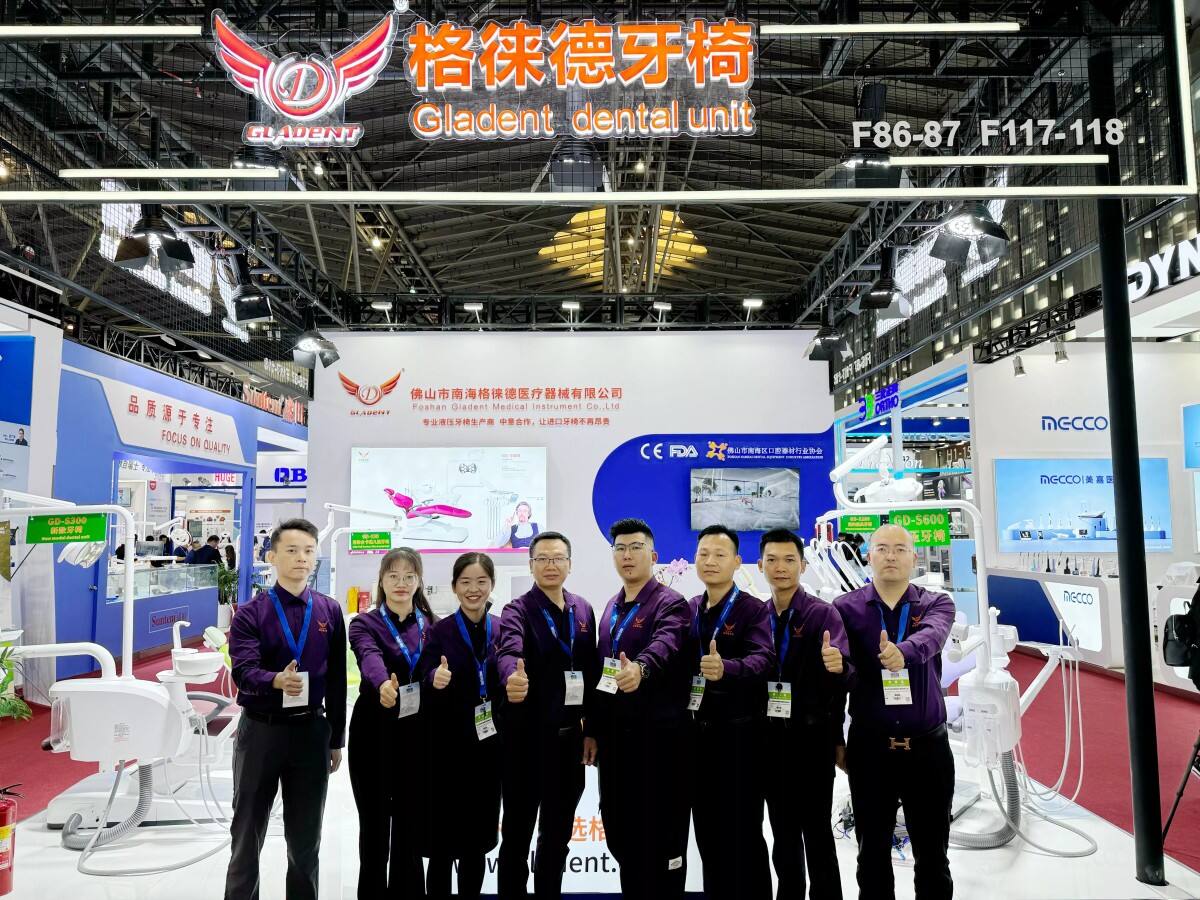
![Innovation Journey - GLADENT Dental Chairs: [The 30th South China International Dental Exhibition 2025 Concludes Successfully]](https://shopcdnpro.grainajz.com/category/19383/3803/616cc2b5bdfecec5e7c5b6aa95e40d84/%E5%BE%AE%E4%BF%A1%E5%9B%BE%E7%89%87_20250826164700.jpg)