Premium Dental Instrument High Quality Solutions for Modern Practice Excellence

EN EN

Call Us:+86-757-81267151

dental instrument high quality

In the demanding world of modern dentistry, selecting dental instrument high quality products represents a fundamental decision that impacts treatment outcomes, patient safety, and practice efficiency. These precision-engineered tools form the backbone of every successful dental procedure, from routine examinations to complex surgical interventions. High quality dental instruments distinguish themselves through superior materials, meticulous manufacturing processes, and rigorous quality control standards that ensure consistent performance over extended periods. The main functions of dental instrument high quality products encompass diagnostic evaluation, restorative procedures, periodontal treatments, endodontic interventions, and surgical operations. These instruments enable practitioners to perform examinations with tactile sensitivity, prepare cavities with precision, remove decay efficiently, place restorations accurately, and conduct soft tissue procedures with minimal trauma. Technological features incorporated into dental instrument high quality items include advanced stainless steel alloys that resist corrosion and maintain sharp edges, ergonomic handle designs that reduce hand fatigue during extended procedures, and specialized surface treatments that facilitate sterilization while preventing instrument degradation. Many premium instruments utilize surgical-grade materials with specific hardness ratings that balance durability with the necessary flexibility for delicate manipulations. The manufacturing process involves multiple stages of forging, tempering, grinding, and polishing, with each dental instrument high quality piece undergoing individual inspection before reaching clinical settings. Applications span the entire spectrum of dental specialties, including general dentistry, orthodontics, periodontics, endodontics, oral surgery, and prosthodontics. Whether a practitioner requires explorers for caries detection, scalers for calculus removal, elevators for tooth extraction, or forceps for tissue management, dental instrument high quality options provide the reliability and performance necessary for delivering optimal patient care in contemporary dental practice environments.


New Product Releases

Investing in dental instrument high quality products delivers substantial practical benefits that directly impact your practice's success and patient satisfaction levels. First and foremost, these superior instruments offer exceptional longevity, maintaining their functional integrity through thousands of sterilization cycles without suffering from premature wear, corrosion, or structural failure. This extended lifespan translates into significant cost savings over time, as you replace instruments less frequently and avoid the productivity losses associated with instrument failure during procedures. The financial advantage becomes particularly evident when you calculate the total cost of ownership rather than simply comparing initial purchase prices. Beyond economic considerations, dental instrument high quality products enhance your clinical capabilities by providing consistent tactile feedback that allows you to detect subtle tissue changes, identify calculus deposits accurately, and navigate complex anatomical structures with confidence. This sensitivity proves invaluable during diagnostic procedures and minimally invasive treatments where precision determines success. Patient comfort represents another compelling advantage, as sharper cutting edges and properly balanced instruments enable you to work more efficiently with less applied force, reducing procedure duration and minimizing post-treatment discomfort. Your patients appreciate shorter appointment times and gentler treatment experiences, which strengthen their trust and encourage treatment acceptance. Ergonomic benefits cannot be overstated, particularly for practitioners concerned about occupational health and career longevity. Dental instrument high quality designs incorporate thoughtful weight distribution, textured gripping surfaces, and handle dimensions that accommodate various hand sizes, allowing you to maintain proper positioning without excessive muscle tension. This ergonomic optimization reduces the risk of repetitive strain injuries that plague dental professionals, enabling you to practice comfortably throughout long workdays. Sterilization efficiency improves significantly with premium instruments, as their superior surface finishes and corrosion-resistant materials withstand aggressive cleaning protocols without degrading. You can confidently employ high-level disinfection methods knowing your dental instrument high quality items will emerge ready for immediate use without concerns about hidden contamination or material deterioration. Professional reputation enhancement occurs naturally when you consistently deliver precise, comfortable treatments using reliable instruments that perform flawlessly. Patients may not consciously recognize your instrument quality, but they certainly notice the difference in treatment outcomes and experiences, leading to positive reviews and referrals that grow your practice organically.

Practical Tips

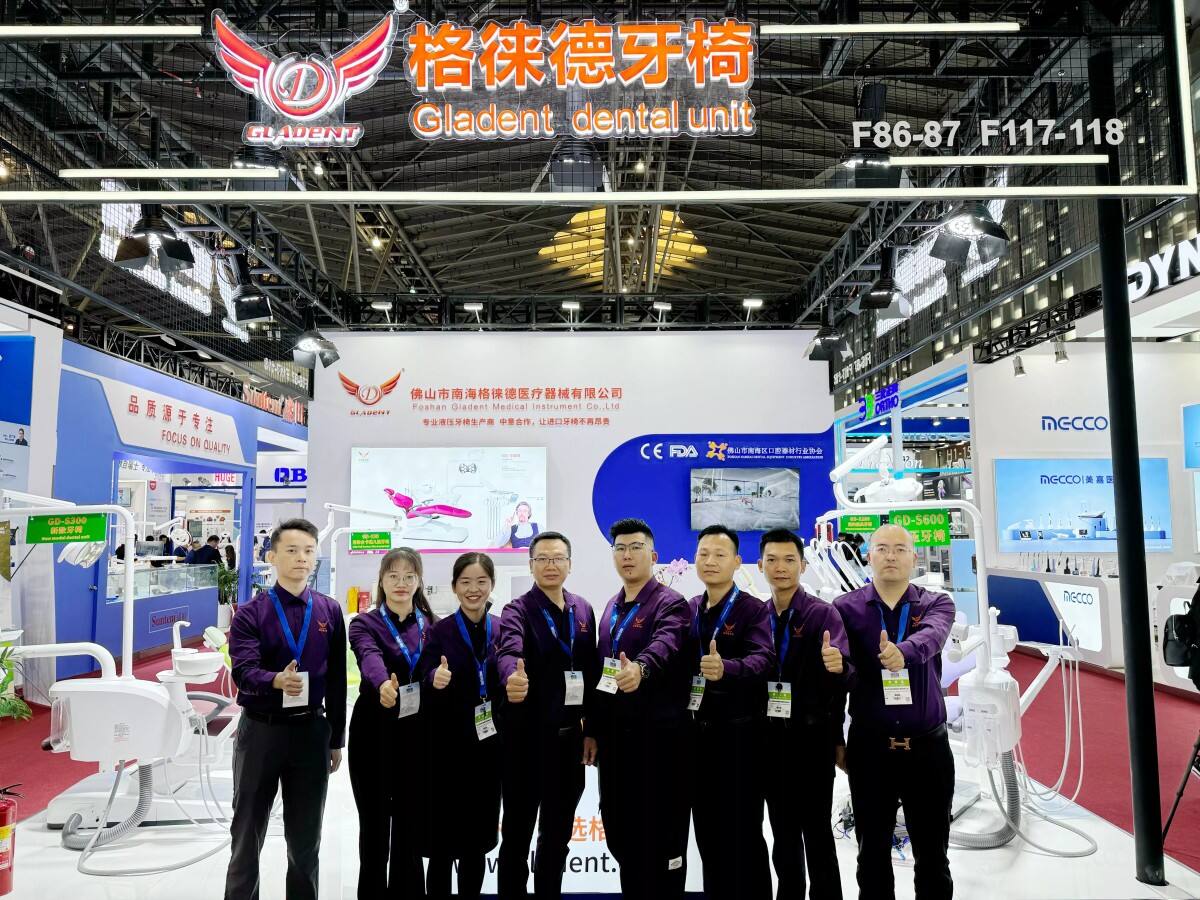
Gladent Medical in DenTech 2024 in Shanghai

27

Aug

Gladent Medical in DenTech 2024 in Shanghai

View More
Innovation Journey - GLADENT Dental Chairs: [The 30th South China International Dental Exhibition 2025 Concludes Successfully]

27

Aug

Innovation Journey - GLADENT Dental Chairs: [The 30th South China International Dental Exhibition 2025 Concludes Successfully]

View More
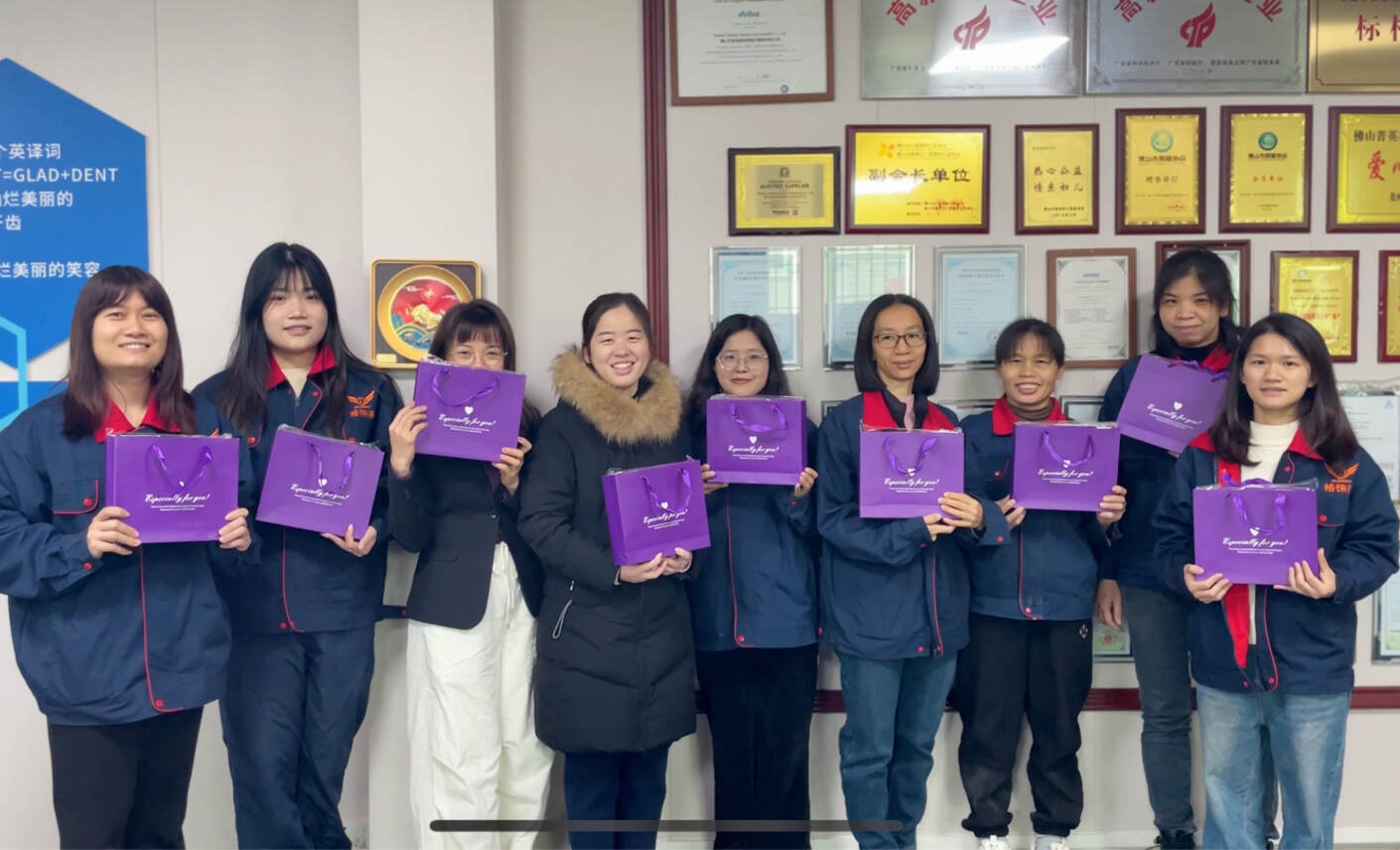
Distribute Women's Day gifts to female employees

28

Aug

Distribute Women's Day gifts to female employees

View More

Get a Free Quote

Our representative will contact you soon.
Email
Mobile
Name
Company Name
Message
0/1000

dental instrument high quality

Uncompromising Material Excellence and Manufacturing Precision

Uncompromising Material Excellence and Manufacturing Precision

The foundation of dental instrument high quality products lies in their exceptional material composition and sophisticated manufacturing methodologies that set them apart from standard alternatives. Premium manufacturers begin with carefully selected stainless steel alloys, typically utilizing medical-grade formulations that contain precise ratios of chromium, nickel, and carbon to achieve optimal characteristics. These specialized alloys provide the perfect balance between hardness for edge retention and flexibility to prevent brittle fracture during clinical use. The metallurgical properties ensure that instruments resist the corrosive effects of saliva, blood, and chemical sterilants while maintaining dimensional stability through repeated thermal cycling. Advanced manufacturing processes employed in creating dental instrument high quality items involve multiple precision stages that transform raw materials into finely crafted clinical tools. Forging techniques align the metal's grain structure to maximize strength along stress lines, while controlled heat treatment processes establish the ideal hardness gradient from cutting edge to handle. Computer-guided grinding operations create cutting edges with specific geometries measured in microns, ensuring consistency across production batches that hand-crafted methods cannot achieve. Surface finishing procedures go beyond aesthetic considerations, incorporating specialized polishing techniques that eliminate microscopic irregularities where bacterial biofilms might otherwise colonize. Some dental instrument high quality manufacturers apply proprietary coatings or surface treatments that enhance corrosion resistance, reduce friction during tissue manipulation, or provide visual wear indicators that signal when replacement becomes necessary. Quality assurance protocols subject each instrument to rigorous testing, including dimensional verification, edge sharpness assessment, balance evaluation, and corrosion resistance validation. This comprehensive inspection process identifies any deviations from specifications before instruments reach clinical environments, ensuring that every dental instrument high quality piece performs exactly as intended. The investment in superior materials and precision manufacturing directly translates into clinical advantages that practitioners experience with every use, from the satisfying tactile response during cavity preparation to the clean tissue separation during surgical procedures that lesser instruments simply cannot replicate consistently.
Ergonomic Innovation for Enhanced Clinical Performance

Ergonomic Innovation for Enhanced Clinical Performance

Modern dental instrument high quality designs incorporate sophisticated ergonomic principles that recognize the physical demands placed on practitioners during daily clinical activities. The evolution from traditional cylindrical handles to anatomically optimized profiles represents a significant advancement in occupational health and clinical efficiency. Research into hand biomechanics and grip dynamics informs the development of handle shapes that distribute pressure across broader surface areas, reducing localized stress concentrations that contribute to muscle fatigue and nerve compression syndromes. Textured gripping surfaces on dental instrument high quality products utilize scientifically validated patterns that maximize friction without creating uncomfortable pressure points, allowing practitioners to maintain secure control with lighter grip forces. This reduction in required grip strength proves particularly valuable during lengthy procedures where cumulative muscle exertion can compromise precision and contribute to chronic repetitive strain injuries. Weight distribution receives careful consideration in dental instrument high quality engineering, with designers strategically positioning mass to create natural balance points that align with typical working positions. Properly balanced instruments require less corrective muscular effort to maintain desired orientations, enabling practitioners to work with relaxed hands and wrists rather than constantly tensioning muscles to counteract poorly balanced tools. Handle diameter optimization accommodates the statistical range of practitioner hand sizes, ensuring that both petite and larger hands can achieve comfortable, efficient grips without excessive finger extension or crowding. Some dental instrument high quality manufacturers offer multiple handle size options within the same instrument type, recognizing that one size truly does not fit all in ergonomic design. The angle relationships between working ends and handles reflect extensive clinical observation and biomechanical analysis, positioning functional surfaces at orientations that minimize wrist deviation during common procedures. This thoughtful angulation allows practitioners to maintain neutral joint positions while accessing various areas of the oral cavity, reducing the cumulative stress that contributes to musculoskeletal disorders. Material selection for handles balances thermal properties, weight considerations, and tactile characteristics, with dental instrument high quality products often incorporating metals or composites that remain comfortable during extended procedures without becoming slippery when wet or transmitting excessive cold during restorative procedures involving refrigerated materials.
Comprehensive Versatility Across All Dental Specialties

Comprehensive Versatility Across All Dental Specialties

The true value of dental instrument high quality products becomes evident through their remarkable versatility and adaptability across the entire spectrum of dental specialties and procedural applications. Unlike basic instrument sets that provide minimal functionality, premium instruments offer specialized designs optimized for specific clinical scenarios while maintaining the durability and precision necessary for diverse applications. General practitioners benefit from dental instrument high quality scalers engineered with blade angulations and edge geometries suited to both supragingival and subgingival calculus removal across all tooth surfaces, eliminating the need for excessive instrument changes during prophylaxis procedures. Explorers crafted to exacting specifications provide the tactile sensitivity necessary for detecting incipient carious lesions, marginal discrepancies in existing restorations, and subtle anatomical variations that influence treatment planning decisions. Restorative dentistry demands instruments capable of precise cavity preparation, matrix placement, and restoration contouring, with dental instrument high quality offerings providing the sharpness retention and tip strength necessary for controlled enamel margin beveling and composite sculpting without instrument deformation. Endodontic applications require specialized instruments that combine flexibility for navigating curved canals with sufficient stiffness to remove pulpal tissue and obstructions effectively, characteristics that dental instrument high quality manufacturing techniques achieve through precise material selection and heat treatment protocols. Periodontal practitioners depend on instruments with blade designs optimized for specific surfaces and pocket depths, with premium curettes featuring offset blade angles and precisely ground cutting edges that maximize calculus removal efficiency while minimizing soft tissue trauma. Surgical procedures demand instruments that maintain sharp cutting edges through extended operations, resist deformation under substantial forces, and provide the tactile feedback necessary for delicate tissue manipulation, requirements that dental instrument high quality scalpels, elevators, and forceps consistently fulfill. Orthodontic applications benefit from specialized pliers and wire-bending instruments engineered with precise jaw alignments and surface treatments that prevent appliance scratching while providing the mechanical advantage necessary for controlled force application. Prosthodontic work requires instruments capable of precise impression trimming, temporary crown adjustment, and delicate ceramic manipulation, with dental instrument high quality options offering the controlled cutting action and tip configurations necessary for these demanding tasks without causing unwanted material damage or practitioner fatigue during extended laboratory sessions.