Premium Dental Instrument Manufacturer | Quality Tools for Modern Dentistry

EN EN

Call Us:+86-757-81267151

dental instrument manufacturer

A dental instrument manufacturer represents a specialized company dedicated to designing, engineering, and producing precision tools essential for modern dentistry. These manufacturers serve as the backbone of dental healthcare by creating equipment that enables practitioners to deliver exceptional patient care. The primary function of a dental instrument manufacturer involves developing comprehensive product lines that include examination tools, extraction instruments, restorative equipment, surgical devices, and diagnostic apparatus. Each piece undergoes rigorous quality control to meet international healthcare standards and regulatory requirements. The technological features incorporated into contemporary manufacturing processes include computer-aided design systems, advanced metallurgy techniques, and automated production lines that ensure consistency across every unit produced. Modern dental instrument manufacturers employ state-of-the-art materials such as surgical-grade stainless steel, titanium alloys, and specialized polymers that provide durability, corrosion resistance, and optimal performance characteristics. The applications of products from a dental instrument manufacturer extend across general dentistry, orthodontics, periodontics, endodontics, oral surgery, and cosmetic procedures. These tools enable professionals to perform everything from routine cleanings to complex surgical interventions with precision and confidence. Manufacturing facilities typically maintain cleanroom environments and implement stringent sterilization protocols during production to guarantee instrument safety. Leading manufacturers invest substantially in research and development to innovate new designs that enhance ergonomics, reduce procedure times, and improve patient comfort. They collaborate closely with dental professionals to understand clinical challenges and translate feedback into product improvements. The global reach of established manufacturers ensures that dental practices worldwide have access to reliable, high-performance instruments regardless of their geographic location. Quality certifications such as ISO standards, FDA approvals, and CE markings demonstrate a manufacturer's commitment to excellence and compliance with international healthcare regulations, providing assurance to buyers regarding product reliability and safety standards.


New Products

Choosing the right dental instrument manufacturer brings numerous practical benefits that directly impact your practice operations and patient outcomes. First and foremost, working with an established manufacturer guarantees you receive tools built to exacting specifications that perform reliably day after day. This consistency means fewer instrument failures during procedures, reducing interruptions and maintaining smooth workflow throughout your practice. Quality manufacturing translates into longer instrument lifespans, which significantly reduces your replacement costs over time and provides better return on investment. When you partner with a reputable manufacturer, you gain access to comprehensive product warranties and responsive customer support teams ready to address any concerns promptly. This support network proves invaluable when you need technical guidance, replacement parts, or assistance with product selection for specific procedures. Another substantial advantage involves the continuous innovation that leading manufacturers bring to the market. They invest heavily in developing improved designs that make your work easier, faster, and more precise. Ergonomic improvements reduce hand fatigue during lengthy procedures, allowing you to maintain peak performance throughout busy days. Enhanced instrument designs often incorporate features that improve visibility, access to treatment areas, and overall control during delicate operations. Manufacturers with robust supply chains ensure consistent product availability, preventing frustrating delays that could impact your scheduling and patient care delivery. Bulk purchasing options and flexible ordering systems from established manufacturers help you manage inventory efficiently while controlling costs. Many manufacturers provide educational resources, training materials, and technique guides that help your team maximize the potential of each instrument. This knowledge transfer ensures everyone in your practice uses tools correctly and safely. Strict quality control processes mean every instrument you receive meets the same high standards, eliminating variability that could compromise treatment outcomes. Manufacturers committed to regulatory compliance ensure their products meet all necessary safety standards and certifications, protecting both your practice and your patients. The reputation of your chosen manufacturer reflects on your practice, as using recognized, quality brands demonstrates your commitment to excellence. Finally, environmentally conscious manufacturing practices increasingly adopted by leading companies align with modern sustainability values, allowing you to make responsible purchasing decisions. The combination of reliability, innovation, support, and value makes selecting the right dental instrument manufacturer one of the most important decisions for building a successful, efficient practice that delivers outstanding patient care consistently.

Practical Tips

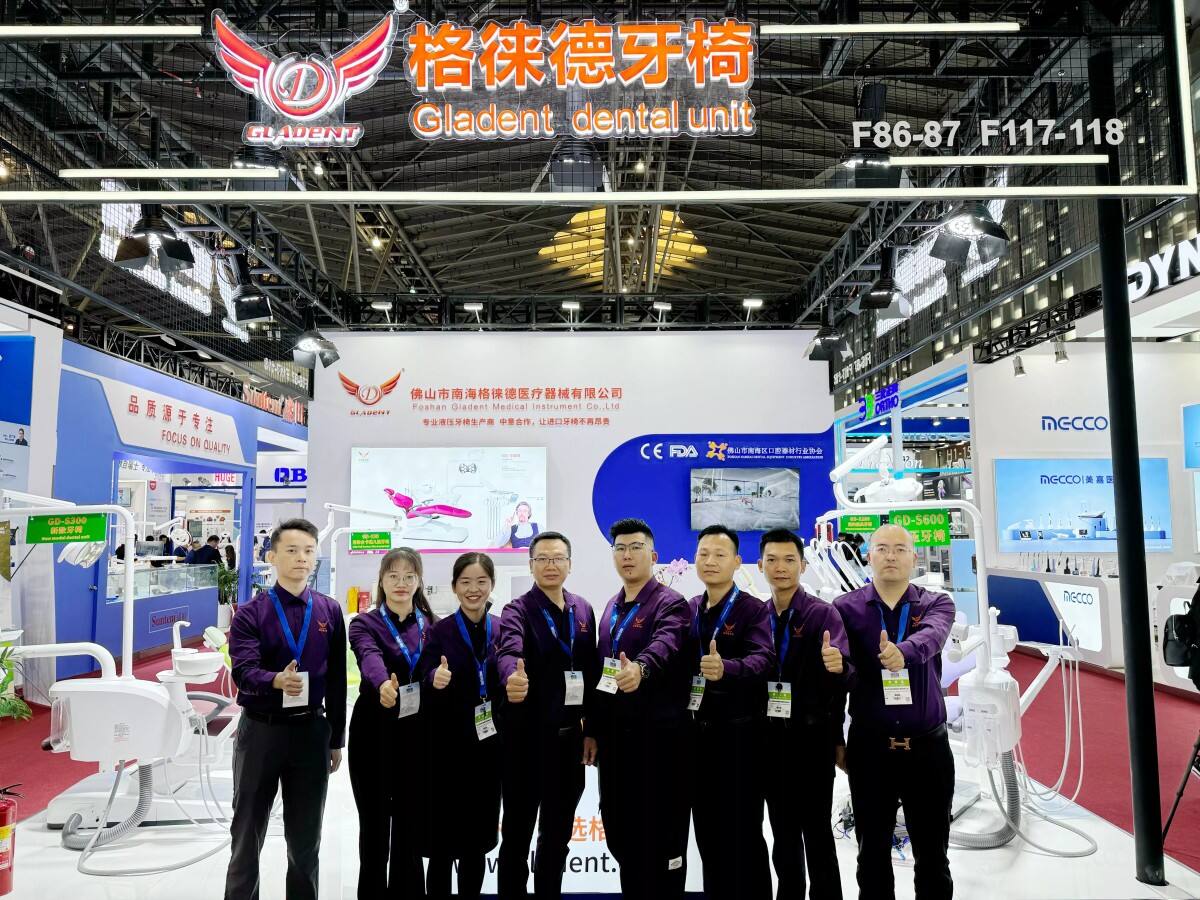
Gladent Medical in DenTech 2024 in Shanghai

27

Aug

Gladent Medical in DenTech 2024 in Shanghai

View More
Innovation Journey - GLADENT Dental Chairs: [The 30th South China International Dental Exhibition 2025 Concludes Successfully]

27

Aug

Innovation Journey - GLADENT Dental Chairs: [The 30th South China International Dental Exhibition 2025 Concludes Successfully]

View More
Distribute Women's Day gifts to female employees

28

Aug

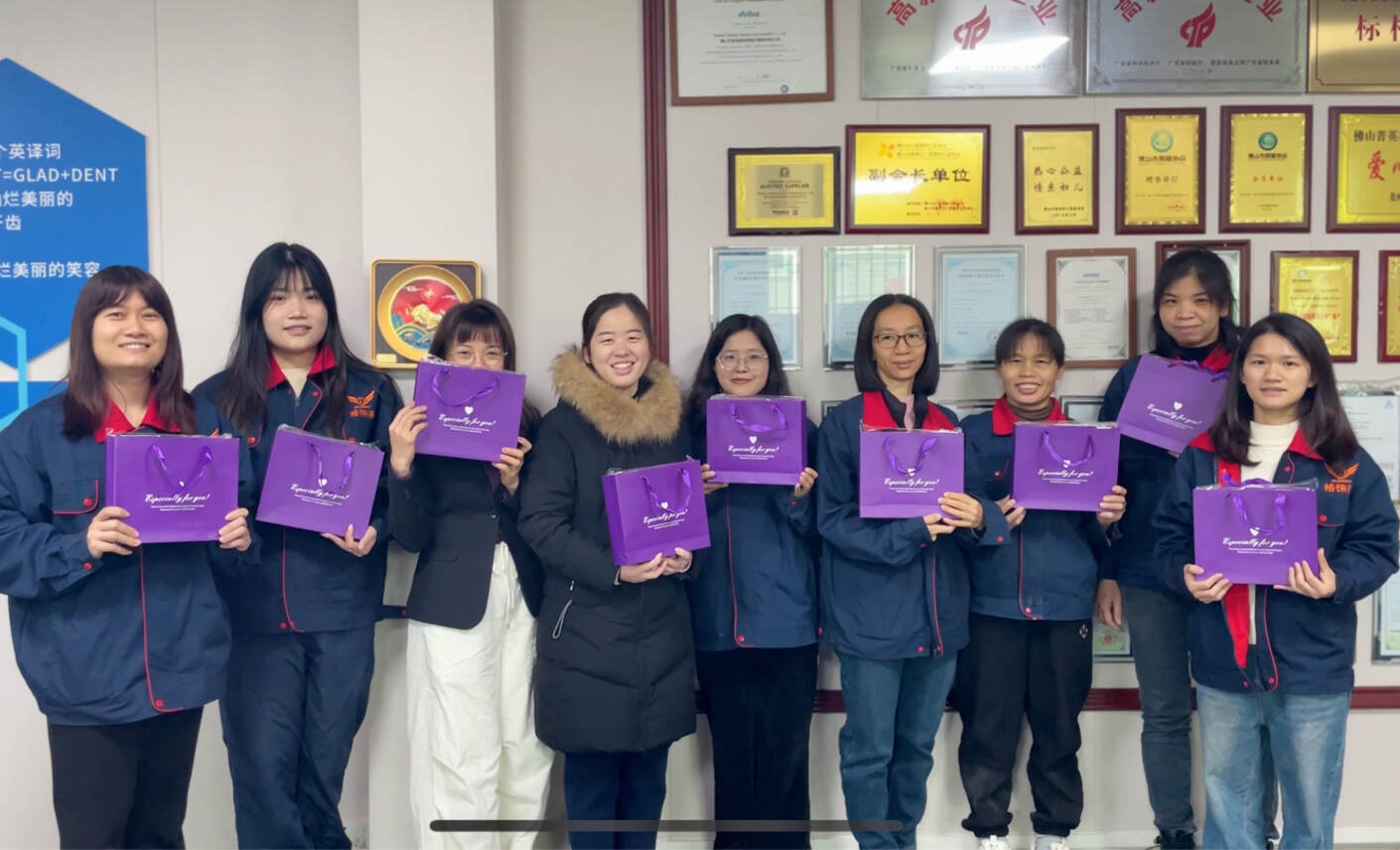
Distribute Women's Day gifts to female employees

View More

Get a Free Quote

Our representative will contact you soon.
Email
Mobile
Name
Company Name
Message
0/1000

dental instrument manufacturer

Precision Engineering and Quality Assurance Systems

Precision Engineering and Quality Assurance Systems

The hallmark of an exceptional dental instrument manufacturer lies in its unwavering commitment to precision engineering and comprehensive quality assurance systems that guarantee every product meets the highest performance standards. Modern manufacturers utilize advanced computer numerically controlled machining centers that achieve tolerances measured in microns, ensuring each instrument dimension precisely matches design specifications. This level of accuracy proves critical because even minor deviations can affect how instruments function during delicate procedures where millimeter-level precision determines success. The manufacturing process begins with careful material selection, where metallurgists evaluate various alloy compositions to identify formulations offering optimal strength, flexibility, and corrosion resistance properties. Surgical-grade stainless steel undergoes special treatments to enhance its hardness and durability while maintaining the necessary flexibility to prevent breakage under stress. Quality assurance extends beyond material selection into every production phase, with multiple inspection points where trained technicians verify dimensional accuracy, surface finish quality, and functional performance. Sophisticated testing equipment including coordinate measuring machines, hardness testers, and surface profilometers validate that each instrument meets stringent specifications before advancing to the next manufacturing stage. Heat treatment processes receive particular attention because proper tempering determines whether instruments maintain their shape under repeated sterilization cycles and clinical use. Manufacturers invest in calibrated furnaces with precise temperature control systems that ensure consistent heat treatment results across production batches. Surface finishing operations employ specialized polishing compounds and techniques that create smooth, non-porous surfaces resistant to bacterial adhesion and easy to sterilize thoroughly. Edge sharpening for cutting instruments involves skilled craftspeople or automated grinding systems programmed to achieve specific edge geometries optimized for particular clinical applications. Final inspection procedures subject completed instruments to rigorous functional testing that simulates actual clinical conditions, verifying they perform as intended before packaging. Statistical process control methods allow manufacturers to monitor production trends and identify potential quality issues before they affect significant quantities of product. Documentation systems track each instrument through the manufacturing process, creating traceability that proves invaluable for quality investigations and regulatory compliance. This comprehensive approach to precision engineering and quality assurance ensures dental professionals receive instruments they can trust completely, knowing each tool will perform reliably when patient care depends on it.
Innovative Design Development and Clinical Collaboration

Innovative Design Development and Clinical Collaboration

Leading dental instrument manufacturers distinguish themselves through dedicated innovative design development programs and meaningful clinical collaboration that drives continuous product improvement. These companies maintain research and development teams staffed by engineers, designers, and materials scientists who focus exclusively on advancing instrument technology to address evolving clinical needs. The innovation process typically begins with extensive consultation with practicing dentists, specialists, and dental educators who provide firsthand insights into the challenges they encounter during various procedures. This clinical input proves invaluable because practitioners understand nuances that only emerge through extensive hands-on experience with existing tools. Manufacturers organize advisory panels, conduct surveys, and host focus groups that gather detailed feedback about instrument performance, ergonomics, and desired improvements. Design teams analyze this information alongside biomechanical studies that examine how dental professionals interact with instruments during typical procedures. Ergonomic considerations receive particular emphasis as manufacturers recognize that comfortable, well-balanced instruments reduce practitioner fatigue and improve procedural outcomes. Computer-aided design software enables rapid prototyping of new concepts, allowing designers to visualize and refine ideas before committing to expensive tooling and production setup. Advanced simulation programs test how proposed designs will behave under various stress conditions, identifying potential weaknesses before physical prototypes exist. When initial designs show promise, manufacturers produce limited prototype quantities for field testing by selected clinicians who provide detailed performance feedback. This iterative refinement process continues through multiple cycles until the design achieves optimal performance across all evaluation criteria. Materials innovation constitutes another critical aspect of development work, with researchers exploring new alloys, coatings, and composite materials that offer superior properties compared to traditional options. Antimicrobial coatings, wear-resistant surface treatments, and color-coding systems represent recent innovations that enhance instrument functionality and usability. Some manufacturers partner with universities and research institutions to access cutting-edge materials science expertise and advanced testing facilities. Patent portfolios protect proprietary innovations, ensuring companies can recoup their substantial research investments while maintaining competitive advantages. The commitment to innovation extends beyond individual instruments to complete procedural systems where multiple tools work together seamlessly to streamline complex treatments. By maintaining close clinical collaboration throughout the design development process, manufacturers ensure their innovations deliver genuine practical benefits that enhance patient care rather than representing change merely for novelty's sake.
Comprehensive Global Distribution and Technical Support Infrastructure

Comprehensive Global Distribution and Technical Support Infrastructure

The value proposition of a premier dental instrument manufacturer extends far beyond product quality to encompass comprehensive global distribution networks and technical support infrastructure that ensures customers receive seamless service regardless of their location. Establishing worldwide distribution capabilities requires substantial investment in logistics systems, regional warehouses, and partnership networks that enable reliable product delivery to dental practices across diverse geographic markets. Strategic warehouse locations in key regions reduce shipping times and costs while ensuring adequate inventory levels to fulfill orders promptly without lengthy delays. Sophisticated inventory management systems track stock levels in real-time, automatically triggering replenishment orders when quantities fall below predetermined thresholds to prevent stockouts that could disrupt customer operations. These systems integrate with online ordering platforms that provide customers convenient 24-hour access to product catalogs, pricing information, and order status tracking. Distribution partnerships with established medical supply companies leverage existing relationships and logistics infrastructure to reach customers in markets where manufacturers lack direct presence. Quality maintenance throughout the distribution chain receives constant attention, with climate-controlled transportation and storage facilities protecting instruments from environmental conditions that could cause corrosion or damage. Each distribution center employs trained personnel who understand proper instrument handling procedures and can address basic customer inquiries about product specifications and applications. Beyond physical distribution, manufacturers invest heavily in technical support infrastructure that provides customers expert assistance when needed. Multilingual support teams staffed by individuals with clinical knowledge and product expertise can address questions ranging from instrument selection guidance to troubleshooting performance issues. Comprehensive product documentation including detailed specifications, usage instructions, and maintenance guidelines ensures customers have ready access to information necessary for optimal instrument utilization. Many manufacturers develop extensive educational content including instructional videos, technique guides, and best practice recommendations that help dental professionals maximize the value of their instrument investments. Training programs offered at manufacturer facilities or through traveling education teams provide hands-on learning opportunities for dental staff to develop proficiency with new instruments and techniques. Warranty programs demonstrate manufacturer confidence in product quality while providing customers financial protection against defects or premature failures. Efficient warranty claim processes with reasonable turnaround times ensure customers experience minimal disruption when replacement or repair becomes necessary. Some manufacturers offer instrument refurbishment services that restore worn tools to like-new condition at costs substantially below new instrument prices, extending useful life and improving cost-effectiveness. Technical support extends to helping practices establish proper instrument maintenance protocols and sterilization procedures that preserve instrument integrity and ensure patient safety. This comprehensive approach to distribution and support infrastructure creates lasting partnerships between manufacturers and dental practices built on reliability, responsiveness, and mutual success.