Professional Dental Instrument - Precision Tools for Superior Oral Healthcare

EN EN

Call Us:+86-757-81267151

professional dental instrument

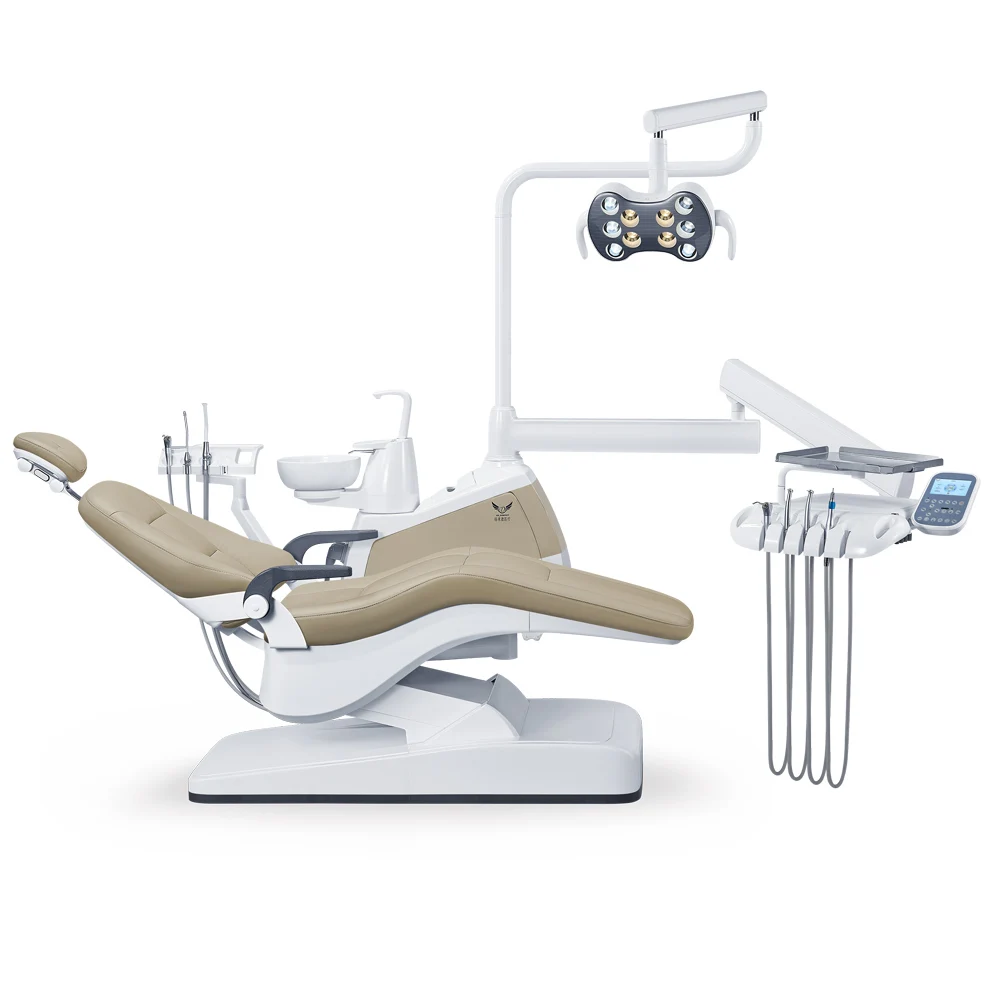
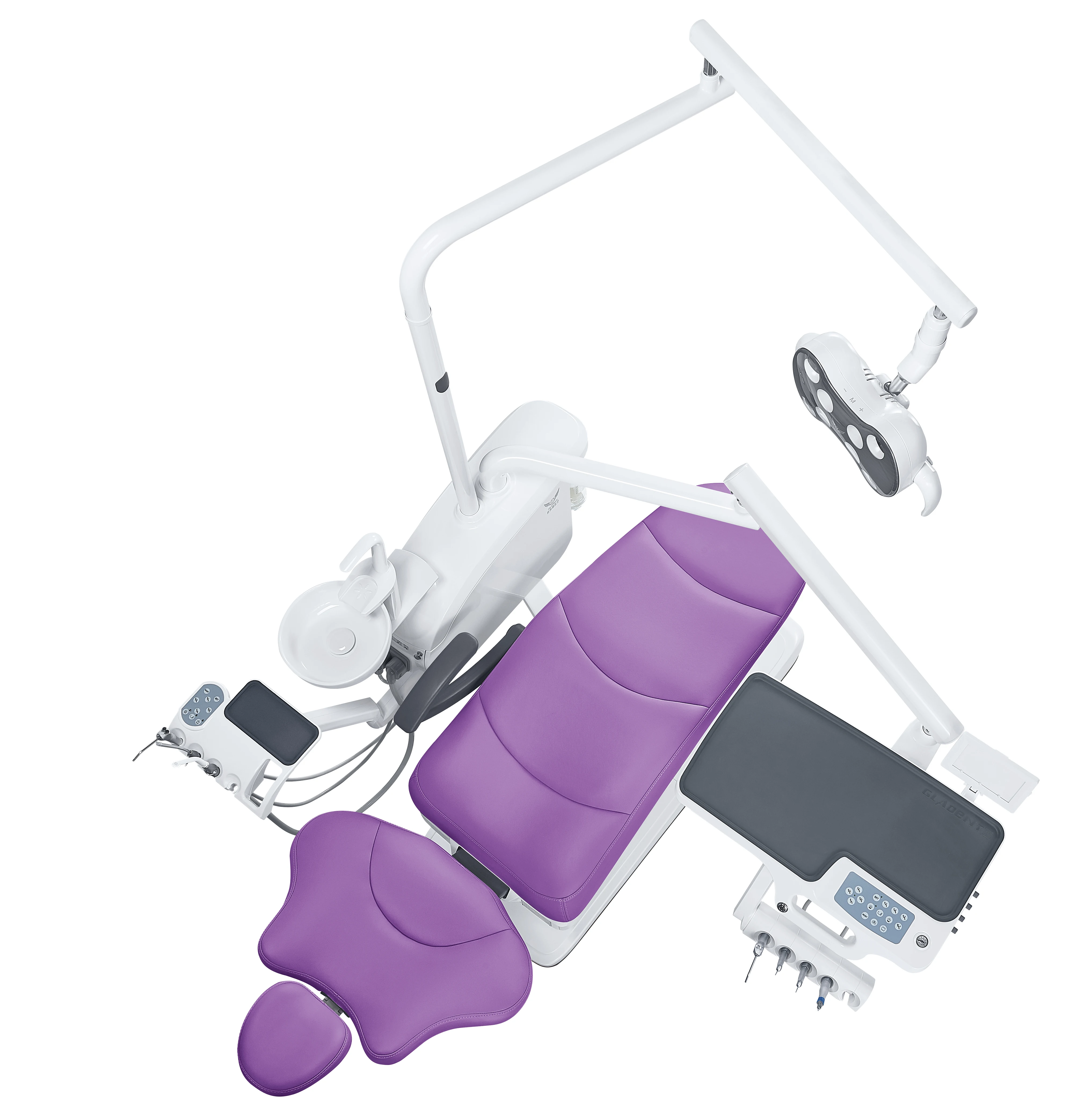
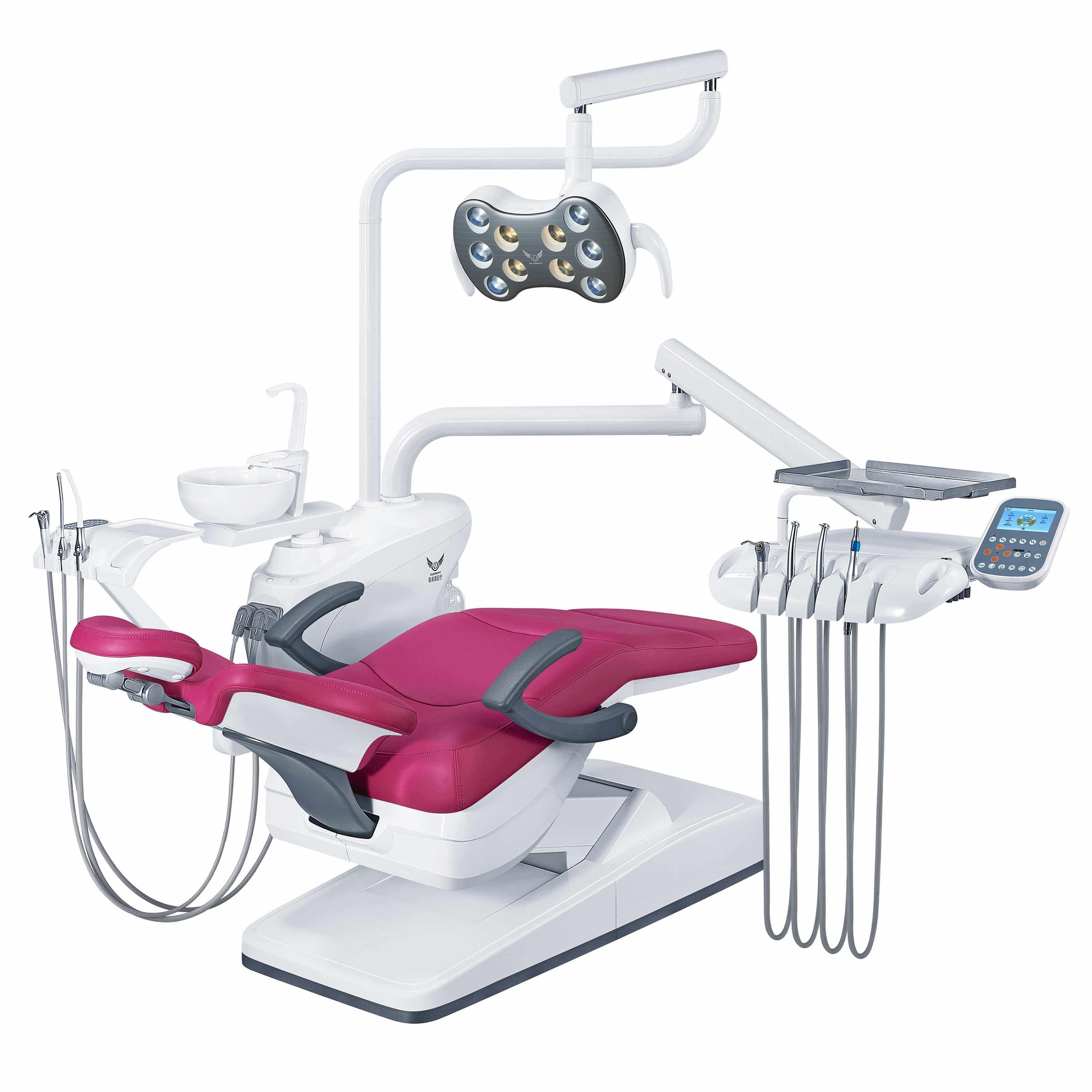
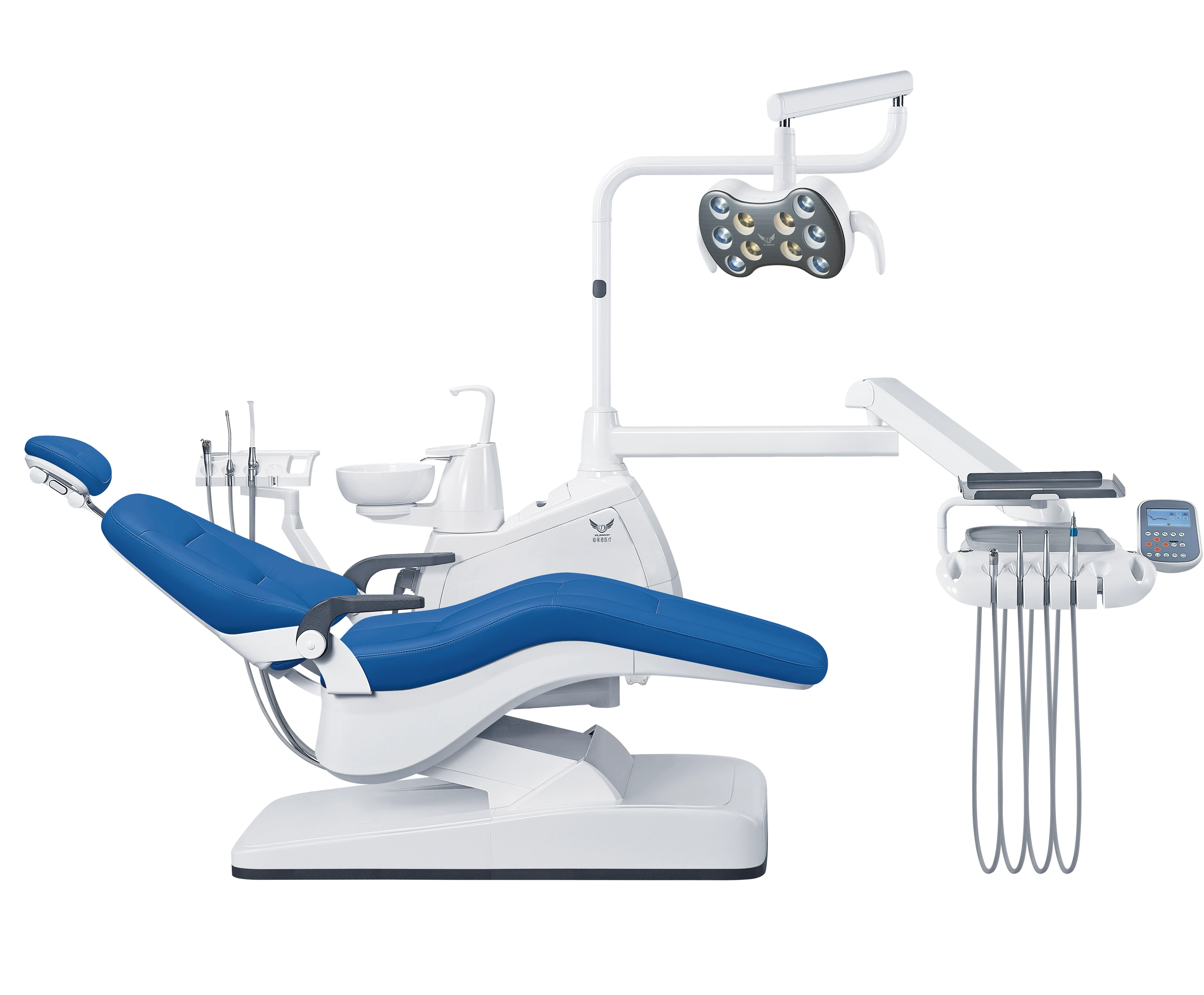
A professional dental instrument represents the cornerstone of modern oral healthcare delivery, combining precision engineering with ergonomic design to meet the demanding requirements of contemporary dental practice. These specialized tools are manufactured using medical-grade materials that undergo rigorous quality control processes to ensure durability, sterility, and optimal performance during various clinical procedures. The professional dental instrument encompasses a wide range of devices designed for examination, diagnosis, treatment, and surgical interventions within the oral cavity. Each instrument is meticulously crafted to address specific clinical needs, from routine examinations to complex restorative and surgical procedures. The main functions of these instruments include tissue manipulation, debris removal, cavity preparation, tooth extraction, periodontal treatment, and precise material placement. Technological features incorporated into modern professional dental instruments include advanced metallurgical compositions that resist corrosion and maintain sharp edges throughout extended use. Many instruments now feature enhanced surface treatments that facilitate thorough sterilization while preventing material degradation. Ergonomic handle designs reduce practitioner fatigue during prolonged procedures, incorporating balanced weight distribution and textured gripping surfaces that ensure secure handling even in moist environments. Some advanced professional dental instruments integrate innovative mechanisms such as self-adjusting components, interchangeable working ends, and calibrated measurement markings that enhance procedural accuracy. Applications of professional dental instruments span across general dentistry, orthodontics, periodontics, endodontics, prosthodontics, and oral surgery specialties. In preventive care, these instruments enable thorough oral examinations and prophylactic treatments. Restorative applications include cavity preparation, filling placement, and crown cementation. Surgical procedures rely on specialized instruments for tissue incision, flap elevation, bone recontouring, and suturing. The versatility and reliability of professional dental instruments make them indispensable assets in delivering comprehensive patient care while maintaining the highest standards of clinical excellence and treatment outcomes.


Popular Products

Investing in high-quality professional dental instruments delivers substantial benefits that directly impact both clinical outcomes and practice efficiency. The superior construction quality ensures these instruments maintain their functional integrity through countless sterilization cycles, eliminating the need for frequent replacements and reducing long-term operational costs. Practitioners experience enhanced precision during delicate procedures, as the refined working ends and balanced designs allow for controlled movements and improved tactile feedback. This precision translates directly into better treatment results, with reduced procedure times and minimized patient discomfort. The ergonomic engineering of professional dental instruments significantly decreases hand and wrist strain, allowing dental professionals to maintain peak performance throughout demanding workdays without experiencing fatigue-related complications. This ergonomic advantage becomes particularly valuable in practices with high patient volumes, where sustained comfort directly affects service quality. Professional dental instruments manufactured from premium materials demonstrate exceptional resistance to staining, pitting, and corrosion, maintaining their aesthetic appearance and functional performance over extended periods. This durability ensures consistent instrument availability, reducing disruptions during procedures caused by equipment failure. The standardized designs of professional dental instruments facilitate seamless integration into existing practice workflows, with staff members quickly mastering their operation without extensive retraining. Sterilization processes become more straightforward with these instruments, as their construction materials withstand high-temperature autoclaving and chemical disinfection without degradation. This compatibility with standard sterilization protocols ensures compliance with infection control regulations while maintaining instrument longevity. Professional dental instruments also enhance practice reputation by demonstrating commitment to quality care, as patients recognize and appreciate the use of professional-grade equipment. The improved visibility during procedures, enabled by polished surfaces and optimized working end angles, allows practitioners to identify treatment areas more effectively, reducing diagnostic errors and improving treatment planning accuracy. Financial benefits extend beyond durability savings, as professional dental instruments contribute to increased patient satisfaction and retention through superior treatment experiences. These instruments support a wider range of procedures, eliminating the need for multiple specialized tools and streamlining inventory management. The consistent performance of professional dental instruments builds practitioner confidence, allowing dental professionals to approach complex cases with assurance in their equipment capabilities. Ultimately, professional dental instruments represent a strategic investment that pays dividends through enhanced clinical capabilities, improved practice efficiency, and elevated patient care standards.

Latest News

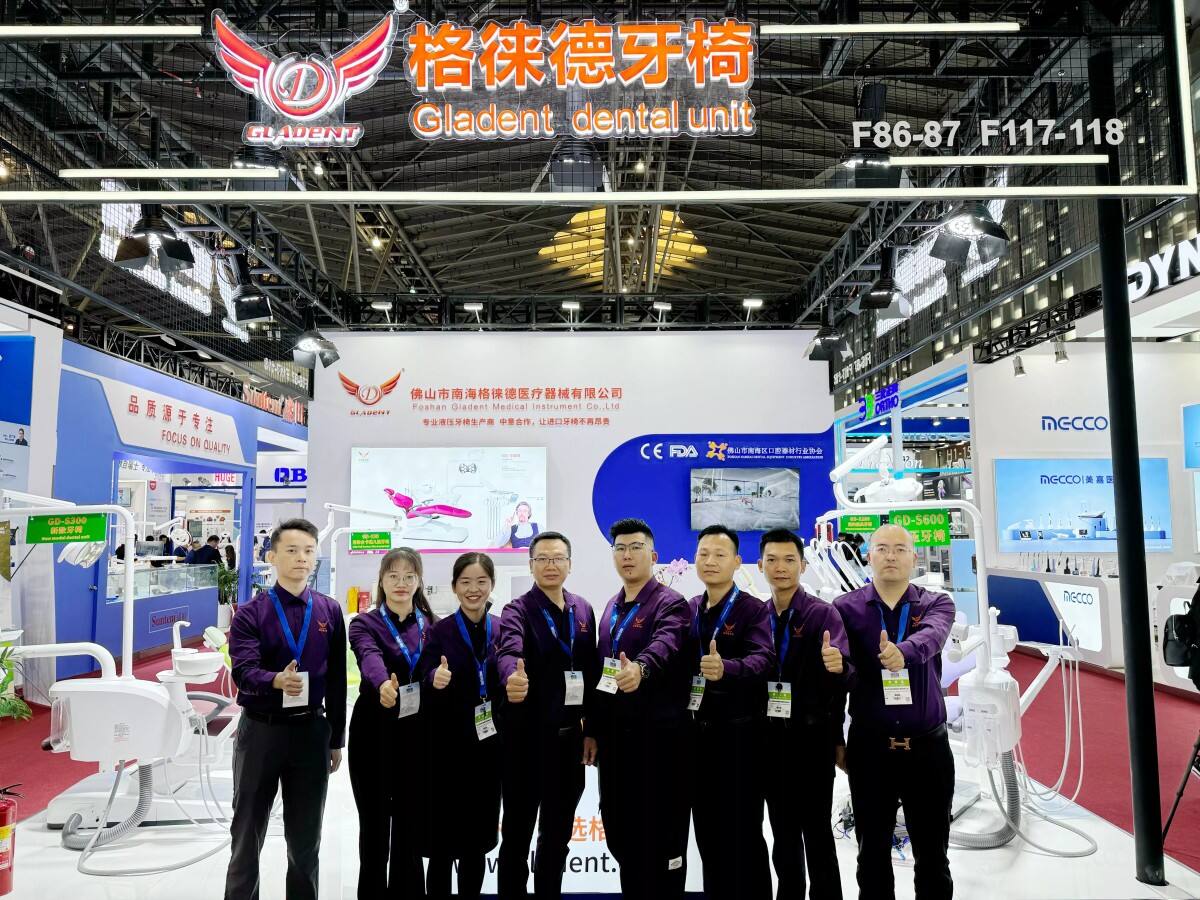
Gladent Medical in DenTech 2024 in Shanghai

27

Aug

Gladent Medical in DenTech 2024 in Shanghai

View More
Innovation Journey - GLADENT Dental Chairs: [The 30th South China International Dental Exhibition 2025 Concludes Successfully]

27

Aug

Innovation Journey - GLADENT Dental Chairs: [The 30th South China International Dental Exhibition 2025 Concludes Successfully]

View More
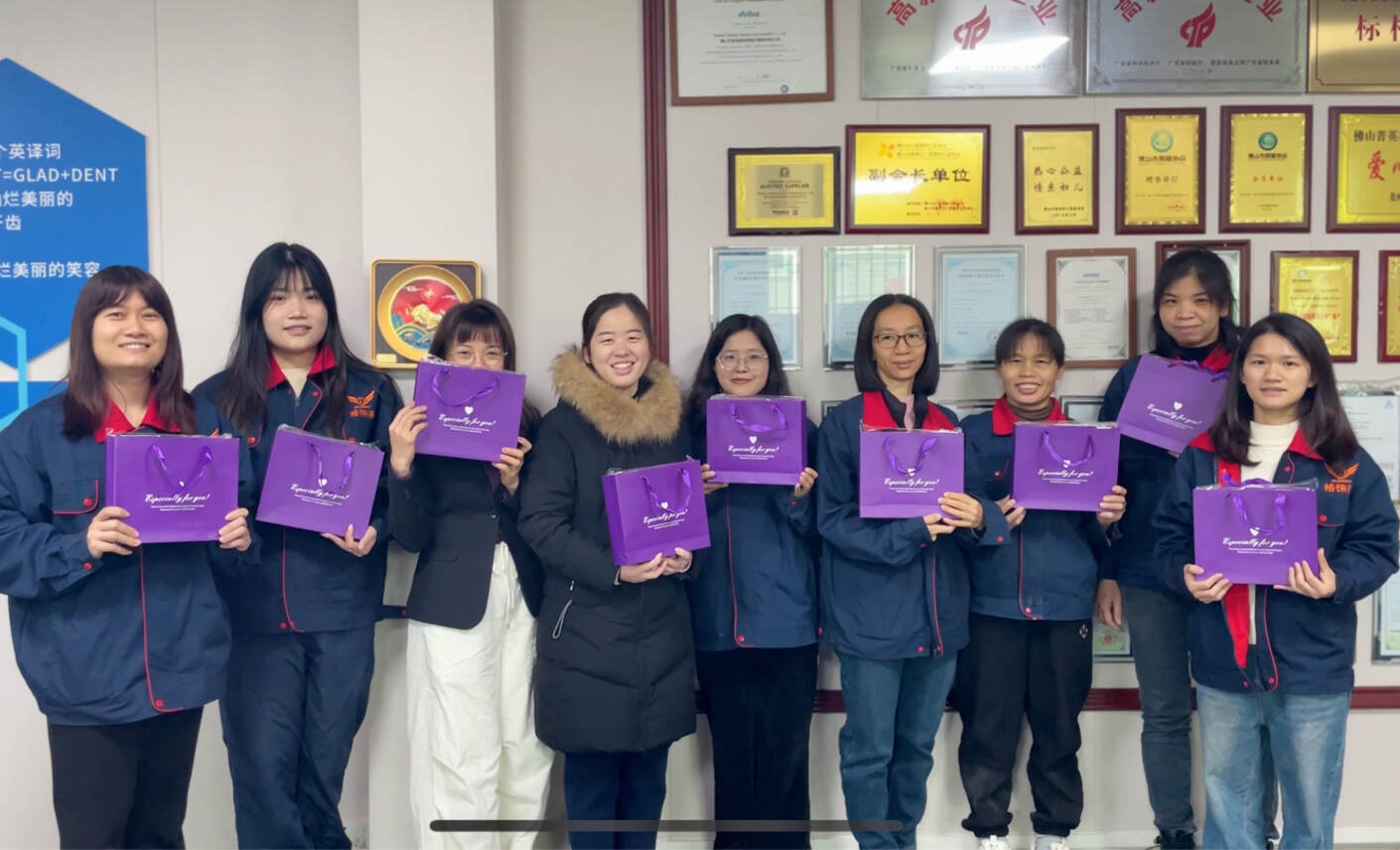
Distribute Women's Day gifts to female employees

28

Aug

Distribute Women's Day gifts to female employees

View More

Get a Free Quote

Our representative will contact you soon.
Email
Mobile
Name
Company Name
Message
0/1000

professional dental instrument

Precision Engineering for Superior Clinical Outcomes

Precision Engineering for Superior Clinical Outcomes

The hallmark of any professional dental instrument lies in its precision engineering, which fundamentally transforms the quality of dental procedures and patient outcomes. Manufacturing processes for these instruments employ advanced computer-aided design systems and precision machining technologies that achieve tolerances measured in micrometers, ensuring each instrument meets exacting specifications. This level of precision directly impacts clinical performance, as working ends maintain consistent dimensions that allow practitioners to execute techniques with predictable results. The cutting edges of excavators and scalers undergo specialized sharpening processes that create geometrically optimized angles, enabling efficient tissue removal while minimizing trauma to surrounding structures. Professional dental instruments feature carefully calibrated balance points that distribute weight evenly across the instrument length, allowing practitioners to apply appropriate force without excessive pressure that could damage tooth structures or soft tissues. The relationship between handle diameter, length, and working end angulation has been optimized through extensive ergonomic research, resulting in instruments that naturally align with hand anatomy and reduce compensatory movements. Surface finishing processes create smooth, non-porous exteriors that prevent bacterial adhesion and facilitate thorough cleaning, contributing to infection control while maintaining the instrument's tactile properties. Professional dental instruments incorporate strategic thickness variations throughout their structure, providing strength where stress concentrates while maintaining flexibility in areas requiring spring action. This sophisticated engineering enables instruments to withstand the lateral forces encountered during clinical use without bending or breaking, ensuring reliable performance even in challenging applications. The metallurgical composition of professional dental instruments typically involves stainless steel alloys specifically formulated for dental applications, offering optimal combinations of hardness, corrosion resistance, and edge retention. Some advanced instruments utilize titanium alloys or ceramic materials for specific applications where weight reduction or enhanced biocompatibility provides clinical advantages. The precision engineering extends to connection mechanisms in modular instruments, where interchangeable components fit together with minimal play yet separate easily for maintenance. This engineering excellence ensures that professional dental instruments deliver consistent, predictable performance across diverse clinical scenarios, from routine examinations to complex surgical interventions, ultimately supporting practitioners in achieving optimal treatment outcomes while maintaining patient comfort and safety throughout every procedure.
Ergonomic Design Reducing Practitioner Fatigue

Ergonomic Design Reducing Practitioner Fatigue

Ergonomic considerations in professional dental instrument design represent a critical advancement that directly addresses the occupational health challenges faced by dental professionals throughout their careers. Extended periods of precise hand movements and sustained gripping force contribute to musculoskeletal disorders that affect a significant percentage of practicing dentists and hygienists. Professional dental instruments combat these challenges through thoughtfully engineered handle designs that optimize force distribution across the hand and fingers, reducing pressure concentration points that lead to discomfort and repetitive strain injuries. The handle diameter of professional dental instruments follows evidence-based dimensions that accommodate natural hand positions, typically ranging from 8 to 12 millimeters depending on the instrument type and intended application. This sizing ensures that practitioners can maintain a relaxed grip without excessive finger flexion, reducing tension in the intrinsic hand muscles and forearm flexors. Surface texturing on instrument handles employs knurling patterns or silicone overlays that enhance grip security without requiring excessive gripping force, particularly valuable in the moist environment of the oral cavity where conventional smooth surfaces become slippery. The weight distribution of professional dental instruments has been optimized to position the center of gravity near the grip area, minimizing the moment arm that would otherwise require sustained muscle contraction to control instrument position. This balanced design allows practitioners to manipulate instruments using primarily finger movements rather than whole-arm motions, conserving energy and reducing shoulder and neck strain. Professional dental instruments feature handle lengths that accommodate various grasp styles, from pen grips to palm grips, allowing practitioners to select the most comfortable and efficient technique for each procedure. The working end angulation relative to the handle has been carefully determined for each instrument type, positioning the cutting edge or working surface at optimal angles that minimize wrist deviation during typical clinical access. This thoughtful angulation reduces the need for awkward postures that contribute to carpal tunnel syndrome and other nerve compression conditions. Material selection for handles considers not only durability but also tactile feedback, with compositions that transmit subtle vibrations and resistance changes that inform practitioners about tissue characteristics and instrument engagement. Some advanced professional dental instruments incorporate cushioned grip zones using medical-grade polymers that absorb vibration while maintaining dimensional stability through sterilization cycles. The ergonomic benefits of professional dental instruments extend beyond immediate comfort to long-term career sustainability, enabling practitioners to maintain their clinical skills and productivity throughout decades of practice without debilitating musculoskeletal deterioration.
Exceptional Durability and Sterilization Compatibility

Exceptional Durability and Sterilization Compatibility

The exceptional durability of professional dental instruments stems from advanced material science and manufacturing processes that create tools capable of withstanding the rigorous demands of daily clinical use and repeated sterilization cycles. Dental practices require instruments that maintain functional integrity despite exposure to extreme temperature fluctuations, chemical disinfectants, mechanical stress, and the corrosive oral environment. Professional dental instruments meet these challenges through carefully selected materials and surface treatments that resist degradation while preserving critical performance characteristics. The stainless steel alloys used in premium professional dental instruments contain precise ratios of chromium, nickel, and molybdenum that form passive oxide layers, protecting the underlying metal from corrosive attack by saliva, blood, and cleaning chemicals. This corrosion resistance ensures that instruments maintain their structural integrity and aesthetic appearance throughout years of service, avoiding the pitting and discoloration that compromise inferior tools. Heat treatment processes applied during manufacturing optimize the crystalline structure of instrument materials, achieving hardness levels that resist wear while maintaining sufficient toughness to prevent brittle fracture under impact or bending loads. Professional dental instruments undergo rigorous testing protocols that simulate years of clinical use, including repeated autoclaving cycles, mechanical fatigue testing, and corrosion exposure, ensuring only instruments meeting stringent durability standards reach clinical practice. The compatibility of professional dental instruments with various sterilization methods provides practices with flexibility in infection control protocols, accommodating steam autoclaving, chemical vapor sterilization, and dry heat processes without material degradation. This sterilization compatibility addresses one of the most critical challenges in dental practice, as instruments must achieve complete microbial elimination between patients while maintaining their functional properties. The thermal stability of professional dental instruments allows them to withstand autoclave temperatures exceeding 135 degrees Celsius without tempering the cutting edges or weakening the instrument structure. Surface treatments applied to some professional dental instruments include passivation processes that enhance the protective oxide layer, further improving corrosion resistance and reducing surface roughness that could harbor microorganisms. The dimensional stability of professional dental instruments through sterilization cycles ensures that calibrated features maintain their accuracy, critical for instruments used in precise measurements or implant placement procedures. Professional dental instruments feature construction techniques such as solid forging rather than assembly of multiple components, eliminating potential failure points where joints might weaken or harbor contaminants. The longevity of professional dental instruments delivers substantial economic value to practices, as the initial investment distributes across many years of reliable service, reducing the frequency of replacement purchases and minimizing downtime caused by instrument failure. This durability also supports sustainable practice management by reducing medical waste generation and the environmental impact associated with frequent instrument disposal and replacement manufacturing.