Modern Dental Device: Advanced Technology for Superior Oral Healthcare and Patient Comfort

EN EN

Call Us:+86-757-81267151

modern dental device

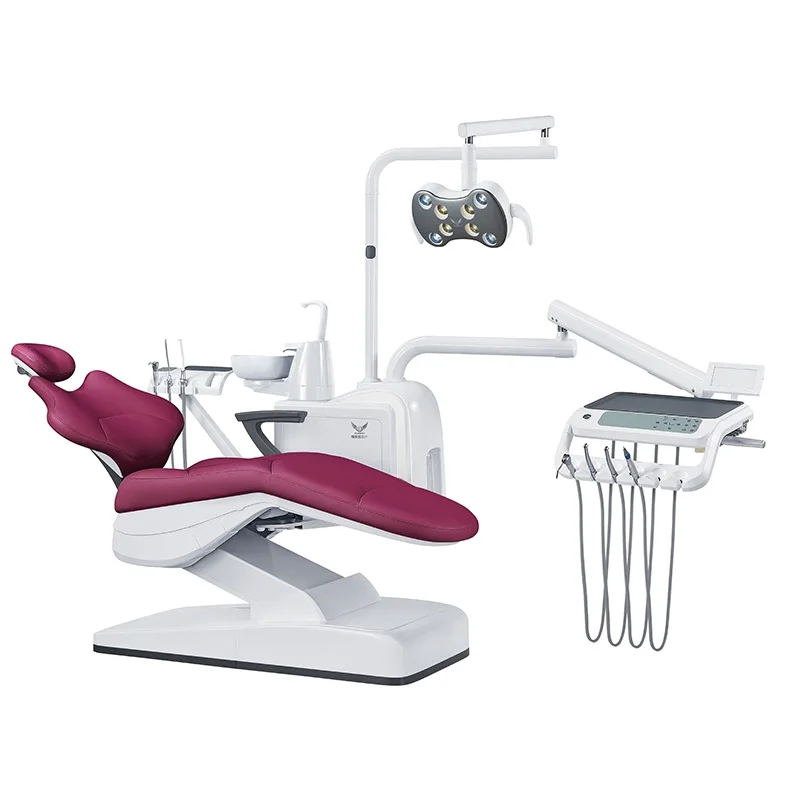
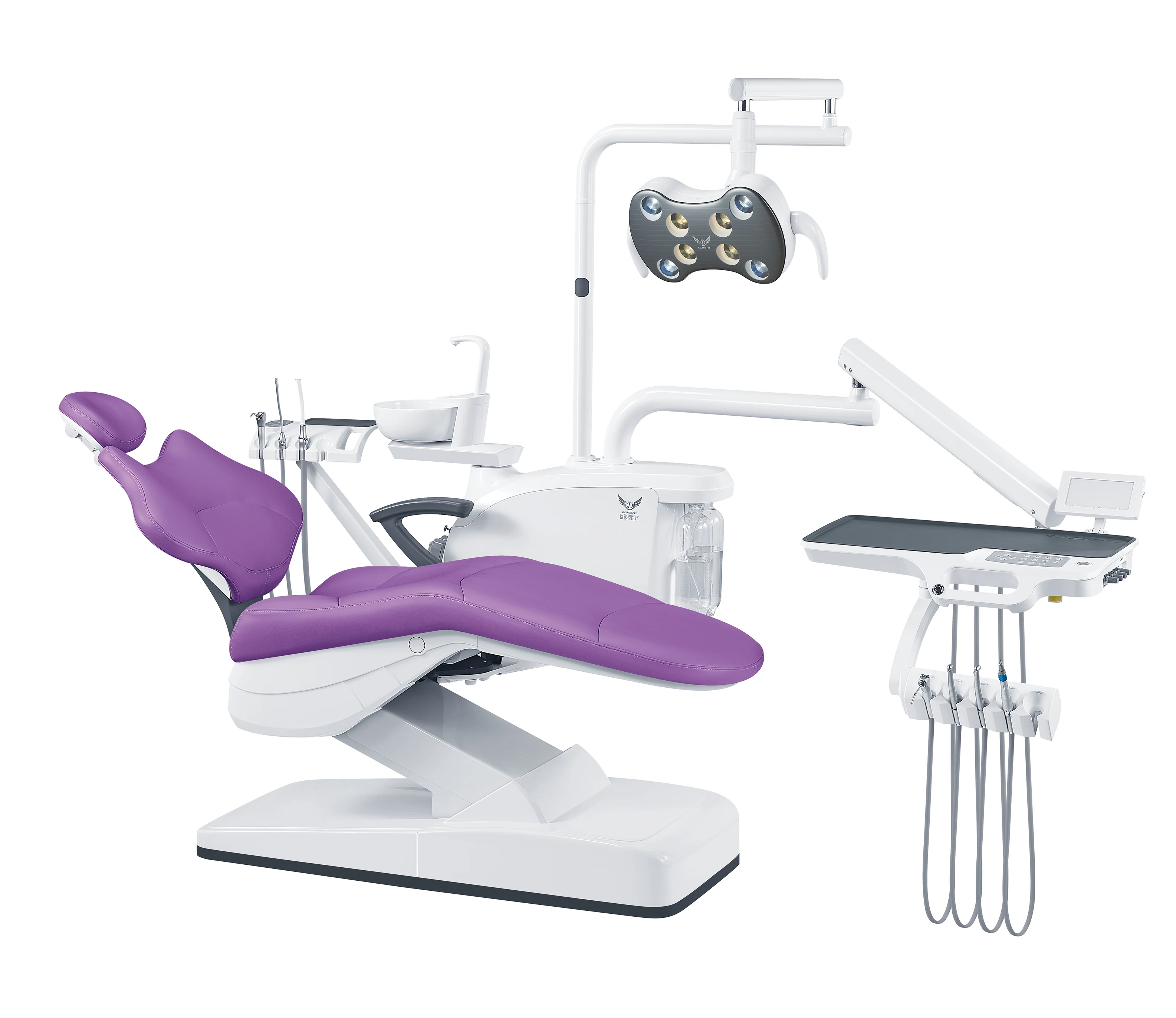
The modern dental device represents a significant leap forward in oral healthcare technology, combining precision engineering with user-friendly design to deliver exceptional results for both dental professionals and patients. These sophisticated instruments incorporate advanced materials, digital integration, and ergonomic features that transform the way dental procedures are performed. At its core, the modern dental device utilizes state-of-the-art sensors and microprocessors that enable real-time monitoring and adjustment during treatment, ensuring optimal outcomes with minimal discomfort. The primary functions include diagnostic capabilities that can detect cavities, gum disease, and other oral health issues at their earliest stages, often before they become visible to the naked eye. Treatment functions range from precise cleaning and scaling to more complex restorative procedures, all executed with unprecedented accuracy. The technological features embedded within the modern dental device include wireless connectivity that allows seamless data transfer to electronic health records, high-resolution imaging systems that provide detailed views of tooth structure and surrounding tissues, and automated calibration systems that maintain consistent performance over time. Many units feature LED lighting systems that enhance visibility while reducing eye strain for practitioners. The applications of the modern dental device extend across general dentistry, orthodontics, periodontics, and cosmetic procedures. In preventive care, these devices enable thorough examinations and early intervention strategies. For restorative work, they provide the precision needed for crown preparations, filling placements, and implant procedures. The modern dental device also plays a crucial role in patient education, as many models include display screens that allow patients to see exactly what the practitioner sees, fostering better understanding and treatment acceptance. The integration of artificial intelligence in some modern dental devices helps predict potential complications and suggests optimal treatment pathways based on vast databases of clinical outcomes.

New Product Recommendations

The modern dental device delivers remarkable benefits that directly impact patient comfort, treatment outcomes, and overall dental practice efficiency. First and foremost, these devices significantly reduce treatment time compared to traditional methods, meaning patients spend less time in the dental chair while receiving superior care. The precision offered by the modern dental device minimizes the need for repeat procedures, saving both time and money for patients and practitioners alike. Pain reduction stands as one of the most appreciated advantages, as the modern dental device operates with such accuracy that it can target problem areas while leaving healthy tissue completely untouched. This selective approach means less trauma, faster healing, and reduced need for anesthesia in many cases. Patients consistently report feeling more comfortable during procedures performed with the modern dental device, leading to decreased dental anxiety and better long-term oral health habits. The diagnostic capabilities provide another substantial advantage by catching problems early when they are easiest and least expensive to treat. Early detection through the modern dental device can prevent minor issues from developing into serious conditions that require extensive intervention. From a hygiene perspective, the modern dental device offers superior sterilization and contamination control compared to older equipment, protecting both patients and dental staff from infection risks. The digital documentation features create comprehensive records that facilitate continuity of care, especially valuable for patients who travel or change dental providers. Practice efficiency improves dramatically with the modern dental device, as automated features reduce setup time, streamline workflows, and minimize the need for auxiliary staff during procedures. This efficiency translates into cost savings that can be passed along to patients through more competitive pricing. The modern dental device also supports environmental sustainability through reduced waste generation, lower energy consumption, and elimination of certain disposable components required by older systems. Maintenance requirements are typically lower for the modern dental device due to self-diagnostic capabilities that alert users to potential issues before they cause breakdowns. Training time for new staff members decreases because intuitive interfaces and standardized controls make the modern dental device easier to master than conventional equipment. The longevity of these devices provides excellent return on investment, as quality construction and regular software updates keep them current for many years. Patient satisfaction scores consistently rise when practices adopt the modern dental device, leading to increased referrals and practice growth.

Latest News

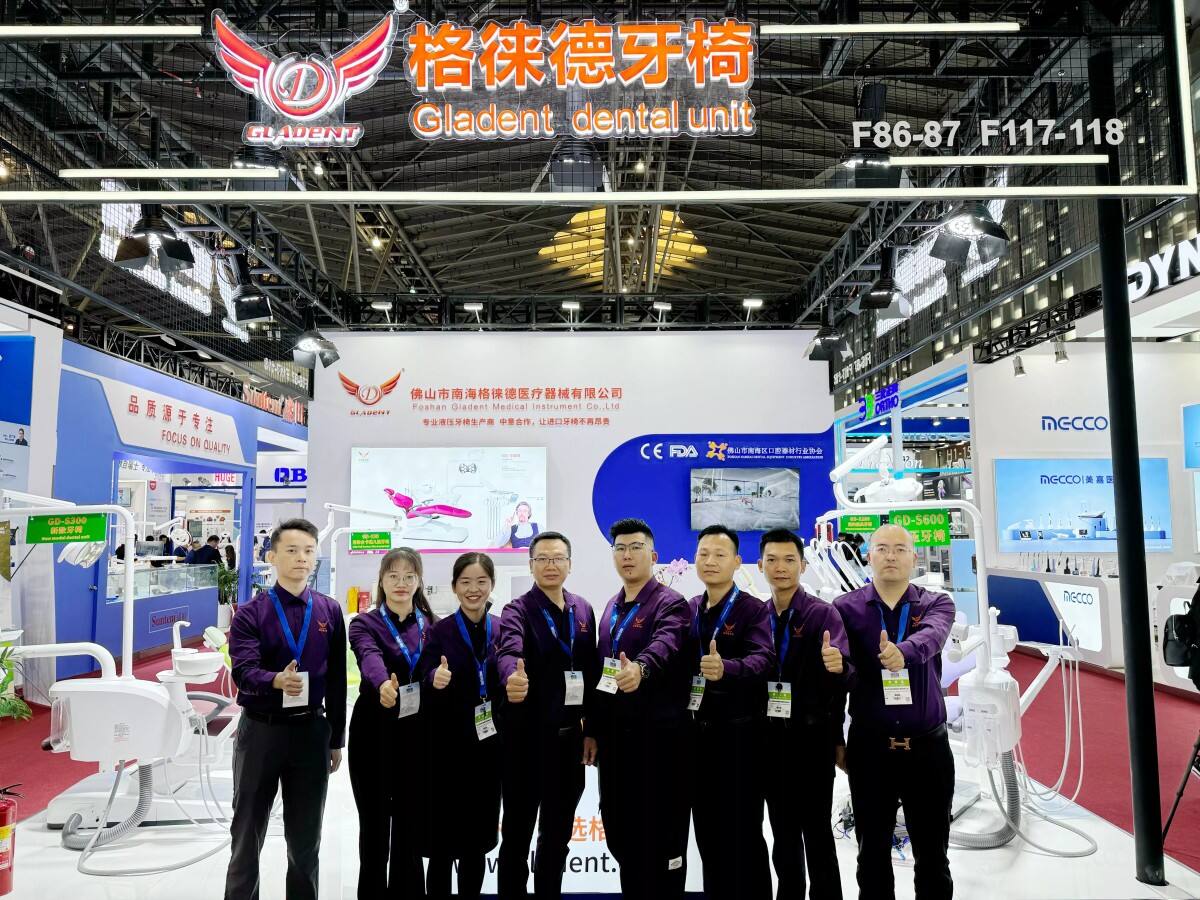
Gladent Medical in DenTech 2024 in Shanghai

27

Aug

Gladent Medical in DenTech 2024 in Shanghai

View More
Innovation Journey - GLADENT Dental Chairs: [The 30th South China International Dental Exhibition 2025 Concludes Successfully]

27

Aug

Innovation Journey - GLADENT Dental Chairs: [The 30th South China International Dental Exhibition 2025 Concludes Successfully]

View More
Distribute Women's Day gifts to female employees

28

Aug

Distribute Women's Day gifts to female employees

View More

Get a Free Quote

Our representative will contact you soon.
Email
Mobile
Name
Company Name
Message
0/1000

modern dental device

Revolutionary Precision Technology for Superior Treatment Outcomes

Revolutionary Precision Technology for Superior Treatment Outcomes

The precision technology integrated into the modern dental device sets a new standard for accuracy in oral healthcare delivery. This capability stems from advanced sensor arrays that measure pressure, angle, and depth in real-time, providing feedback that guides the practitioner's hand with microscopic precision. Unlike conventional tools that rely solely on practitioner skill and experience, the modern dental device acts as an intelligent assistant that enhances human capability rather than replacing it. The precision mechanisms work through multiple layers of technology, starting with high-frequency vibration control that can be adjusted to match the specific density of tooth enamel, dentin, or restorative materials being worked on. This adaptability ensures that the modern dental device performs optimally regardless of the procedure being conducted. The tip designs have been refined through extensive research and incorporate geometries that maximize effectiveness while minimizing collateral impact on surrounding tissues. Precision extends to the diagnostic functions as well, where the modern dental device can measure pocket depths to within fractions of a millimeter, detect microscopic cracks in tooth structure that might lead to future problems, and identify areas of demineralization that indicate the beginning stages of decay. This level of detail empowers dental professionals to make informed decisions based on objective data rather than subjective assessments alone. For patients, the precision of the modern dental device translates into procedures that feel more comfortable, heal faster, and produce results that last longer. The accuracy also means that less healthy tooth structure needs to be removed during restorative procedures, preserving more of the natural tooth and contributing to better long-term oral health. The modern dental device achieves this precision through a combination of mechanical excellence and digital intelligence, with microprocessors constantly analyzing conditions and making micro-adjustments that occur too quickly for human perception but make a tremendous difference in outcomes.
Enhanced Patient Comfort Through Intelligent Design Features

Enhanced Patient Comfort Through Intelligent Design Features

Patient comfort represents a cornerstone benefit of the modern dental device, achieved through thoughtful engineering that addresses every aspect of the dental experience. The devices operate at significantly reduced noise levels compared to traditional equipment, eliminating the anxiety-inducing whine that many patients associate with dental visits. This quieter operation results from advanced motor designs and sound-dampening materials that absorb vibration before it can generate disturbing noise. The modern dental device also incorporates temperature regulation systems that prevent the uncomfortable heat buildup that sometimes occurs with older tools, maintaining a consistent, comfortable temperature throughout the procedure. Vibration dampening technology represents another comfort innovation, as the modern dental device isolates operational vibrations from the patient contact surfaces, resulting in a smoother, less jarring experience. The ergonomic design considerations extend to the patient interface as well, with tips and surfaces shaped to fit naturally within the oral cavity without creating pressure points or causing tissue irritation. Many modern dental devices include adjustable intensity settings that allow practitioners to customize the treatment experience based on individual patient sensitivity levels, something impossible with fixed-output traditional tools. The speed and efficiency of the modern dental device contribute to comfort by reducing the duration of procedures, recognizing that even mild discomfort becomes more tolerable when it lasts for shorter periods. Water delivery systems in the modern dental device are precisely calibrated to provide cooling and debris removal without the excessive spray and pooling that can trigger gag reflexes or create a sensation of drowning. The modern dental device also enables procedures to be performed in stages with built-in pause functions and precise position memory, allowing patients who need breaks to resume treatment exactly where it was interrupted without compromising results. Visual feedback displays on some modern dental devices help reduce anxiety by showing patients the progress of their treatment in real-time, transforming the experience from mysterious to transparent and giving patients a sense of control and understanding.
Comprehensive Digital Integration for Seamless Healthcare Management

Comprehensive Digital Integration for Seamless Healthcare Management

The digital integration capabilities of the modern dental device revolutionize how dental practices manage patient information, treatment planning, and follow-up care. These devices connect wirelessly to practice management systems, automatically uploading treatment data, diagnostic images, and procedural notes without requiring manual data entry that consumes valuable staff time and introduces opportunities for errors. The modern dental device creates a digital ecosystem where patient records remain current, complete, and accessible from any authorized location, facilitating collaboration between specialists, enabling remote consultations, and ensuring that every provider who treats a patient has access to their complete dental history. Cloud connectivity means that the modern dental device can receive software updates and performance enhancements automatically, ensuring that practices always operate with the latest features and security protocols without disruptive downtime or expensive upgrade cycles. The imaging capabilities integrated into many modern dental devices produce high-resolution photographs and scans that document conditions before, during, and after treatment, creating a visual record that supports insurance claims, helps patients understand their oral health status, and provides valuable evidence in the rare cases where treatment outcomes are questioned. Data analytics features in the modern dental device help practices identify trends in patient populations, optimize scheduling efficiency, and track clinical outcomes across different treatment modalities, supporting evidence-based practice improvements and quality assurance initiatives. The interoperability standards built into the modern dental device ensure compatibility with existing practice systems regardless of manufacturer, preventing vendor lock-in and protecting the substantial investments practices make in their technology infrastructure. Security features including encryption, access controls, and audit trails protect sensitive patient information while ensuring compliance with healthcare privacy regulations that govern electronic health records. The modern dental device also supports teledentistry applications, enabling remote monitoring of healing progress, virtual follow-up appointments, and preliminary screenings that can be conducted outside the traditional office setting, expanding access to care and improving convenience for patients with mobility limitations or demanding schedules. Educational content delivery through the modern dental device helps patients understand their conditions and treatment options through interactive presentations, animated explanations, and personalized recommendations based on their specific oral health data.