Comprehensive Treatment Monitoring and Adjustment Protocols
The dental device for orthodontics functions within a comprehensive monitoring framework that ensures treatment progresses according to plan while allowing for responsive adjustments based on individual patient responses. Orthodontic specialists implement systematic evaluation protocols during scheduled appointments, assessing tooth movement velocity, angulation accuracy, and overall treatment trajectory against predetermined objectives. Advanced diagnostic tools including digital radiography, intraoral scanning, and photographic documentation provide objective data that guides decision-making throughout the correction process. These monitoring technologies reveal subtle changes invisible to casual observation, enabling practitioners to detect and address deviations from planned movement patterns before they compromise final outcomes. The dental device for orthodontics requires periodic adjustments where orthodontists modify wire configurations, elastic placements, or bracket positions to maintain optimal force vectors as teeth approach their target positions. These adjustment visits represent critical opportunities for patient education, where specialists explain progress milestones, address concerns, and reinforce proper home care techniques that protect both teeth and orthodontic appliances. Monitoring protocols identify individual variation in treatment response, recognizing that biological factors influence how quickly teeth move through surrounding bone tissue. Some patients exhibit rapid responses requiring more frequent adjustments to prevent overshooting target positions, while others demonstrate slower movement necessitating force augmentation or alternative mechanical approaches. The comprehensive framework surrounding the dental device for orthodontics includes emergency protocols for addressing unexpected issues such as bracket detachment, wire breakage, or soft tissue injuries that occasionally occur despite proper care. Patients receive detailed guidance about recognizing situations requiring immediate professional attention versus minor inconveniences manageable with temporary home remedies until the next scheduled appointment. Documentation systems track cumulative treatment progress through sequential models, photographs, and measurements that create a permanent record of transformation from initial presentation through final result achievement. This comprehensive data collection serves multiple purposes including treatment optimization, outcome verification, insurance documentation, and contribution to research databases that advance orthodontic science. The dental device for orthodontics benefits from continuous quality improvement processes where practitioners analyze treatment outcomes across patient populations, identifying patterns that inform protocol refinements and technology upgrades. Regular monitoring appointments also address psychosocial aspects of orthodontic treatment, providing encouragement during challenging phases and celebrating milestone achievements that maintain patient motivation throughout the multi-month commitment.

 EN
EN


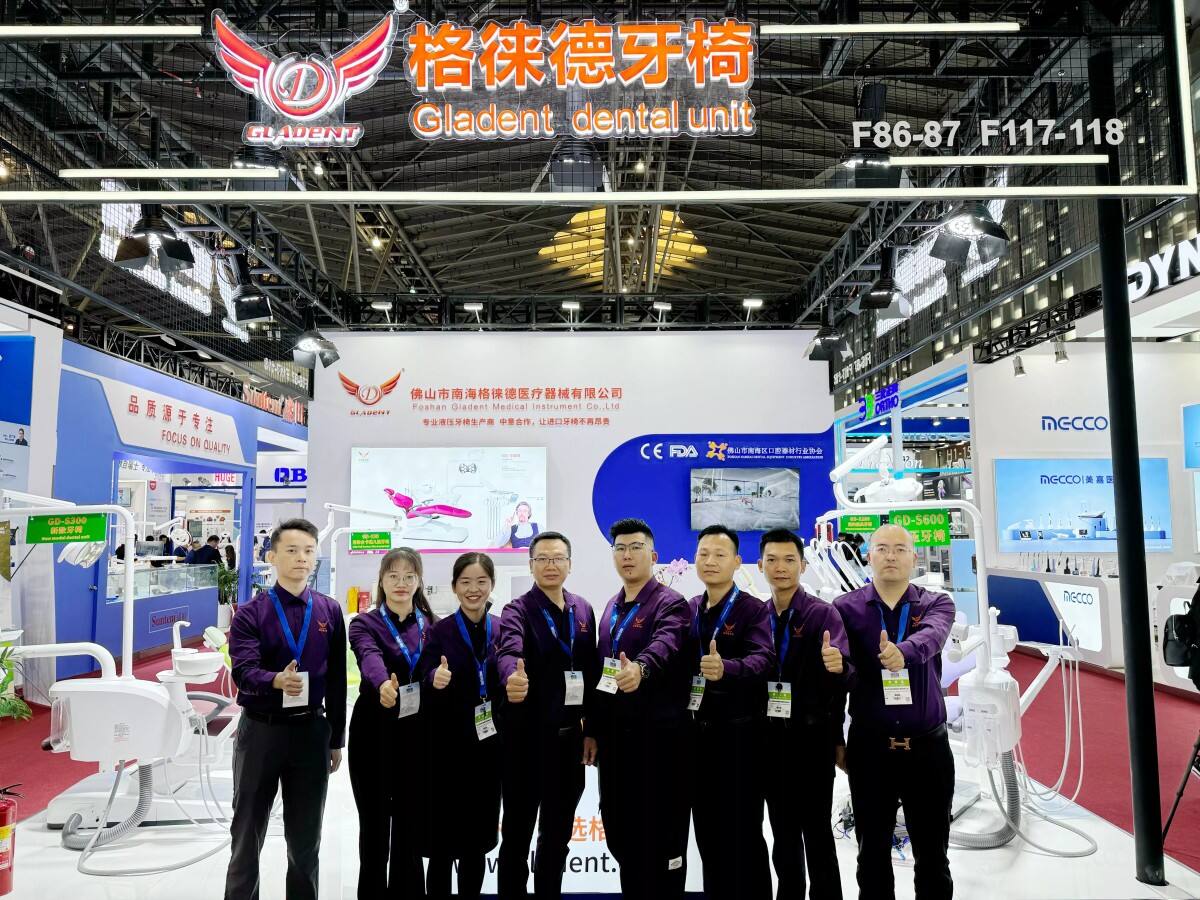
![Innovation Journey - GLADENT Dental Chairs: [The 30th South China International Dental Exhibition 2025 Concludes Successfully]](https://shopcdnpro.grainajz.com/category/19383/3803/616cc2b5bdfecec5e7c5b6aa95e40d84/%E5%BE%AE%E4%BF%A1%E5%9B%BE%E7%89%87_20250826164700.jpg)