Professional Dental Device with Suction System - Enhanced Treatment Efficiency and Patient Comfort Solutions

EN EN

Call Us:+86-757-81267151

dental device with suction system

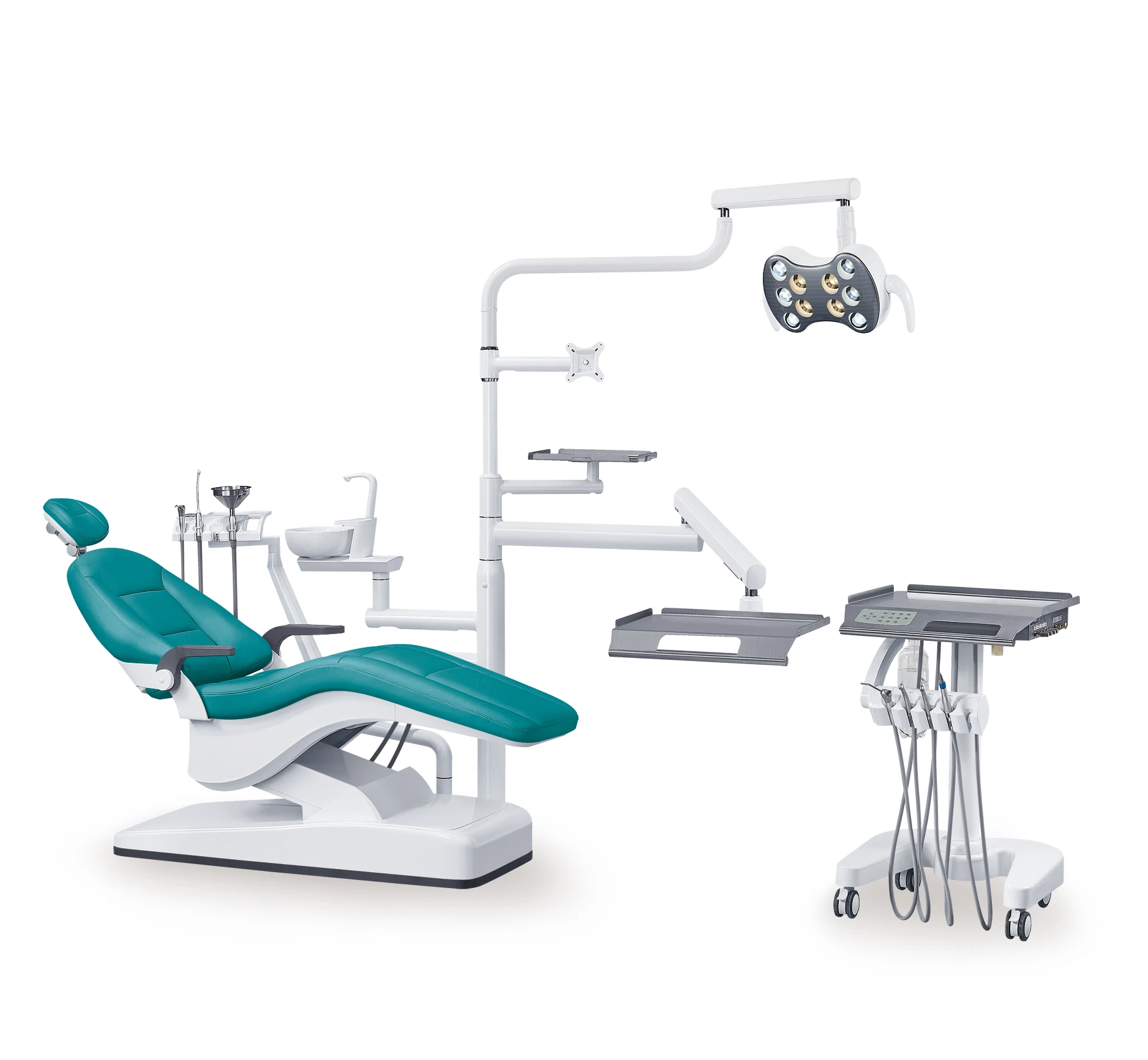
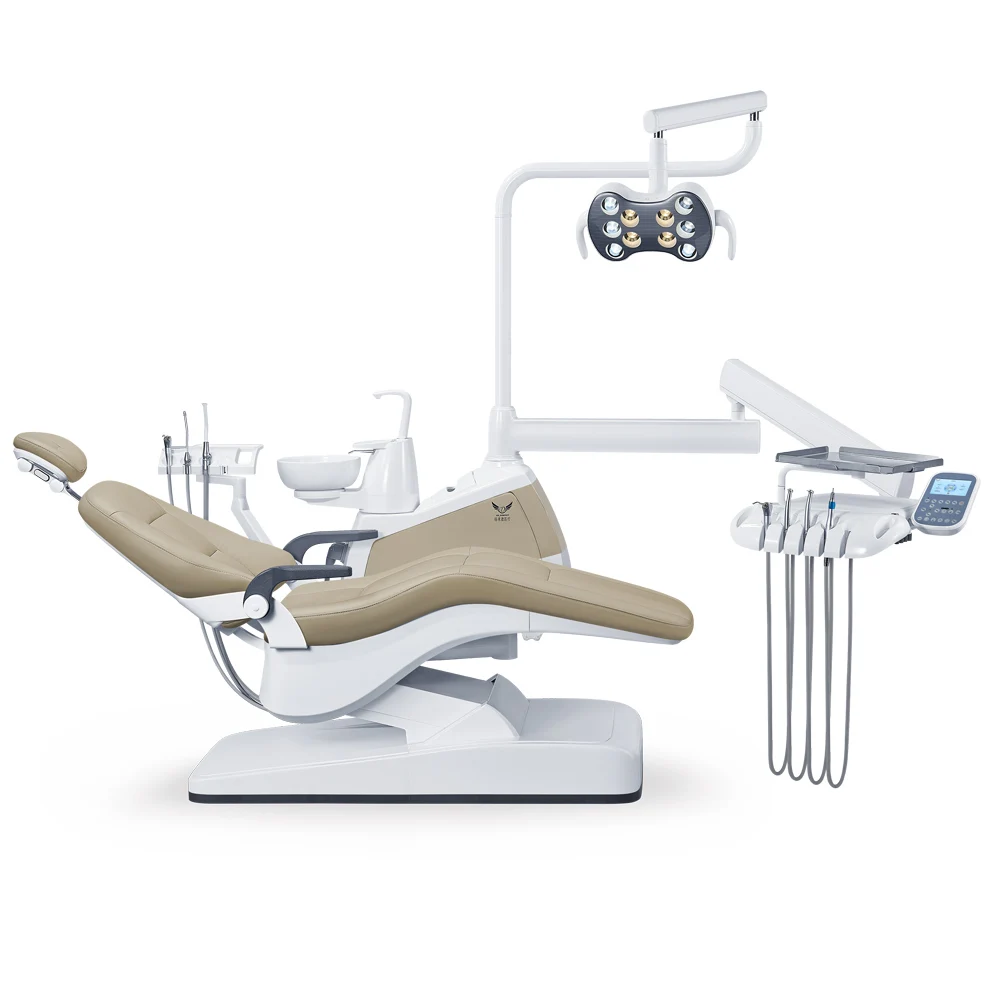
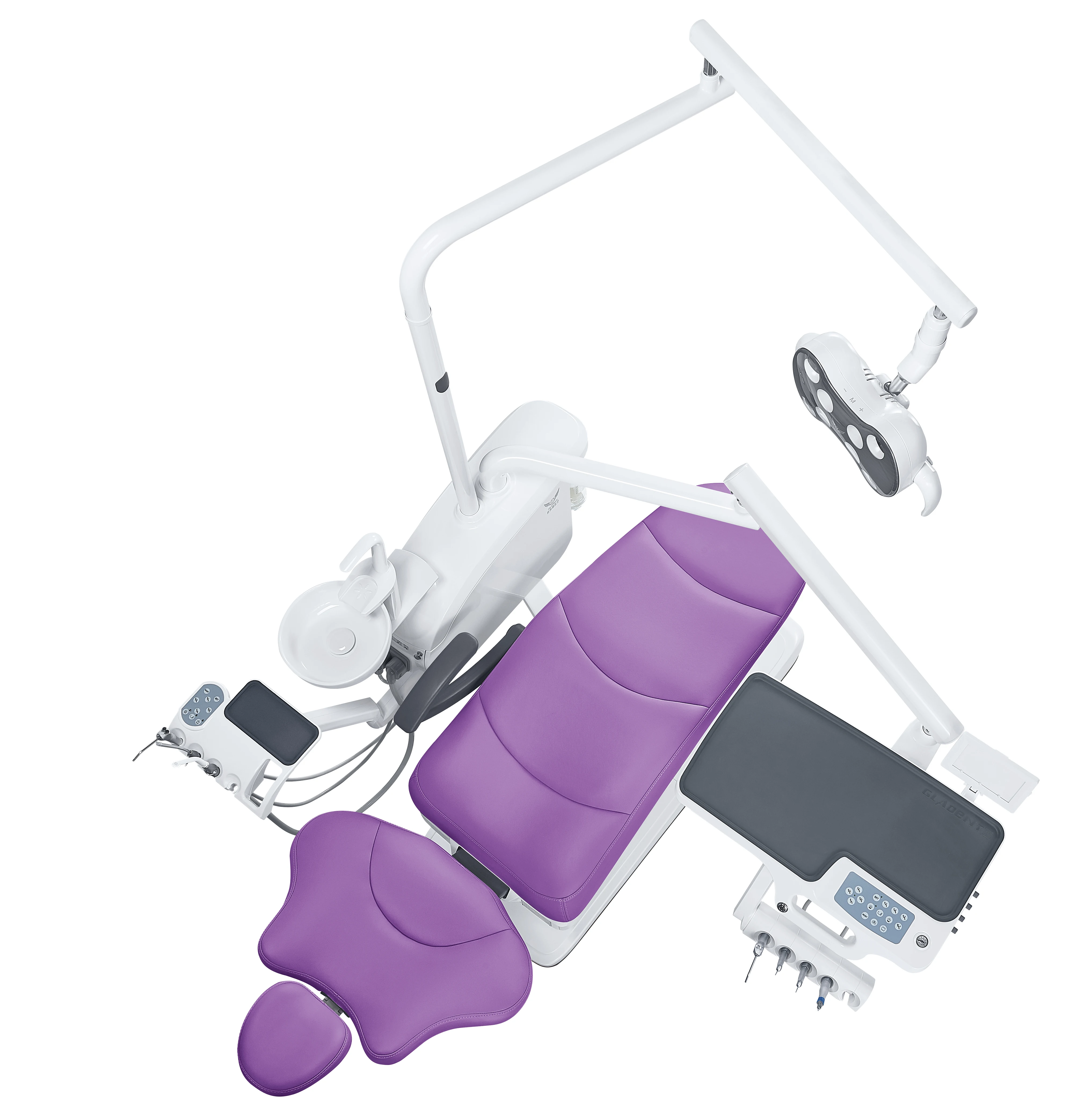
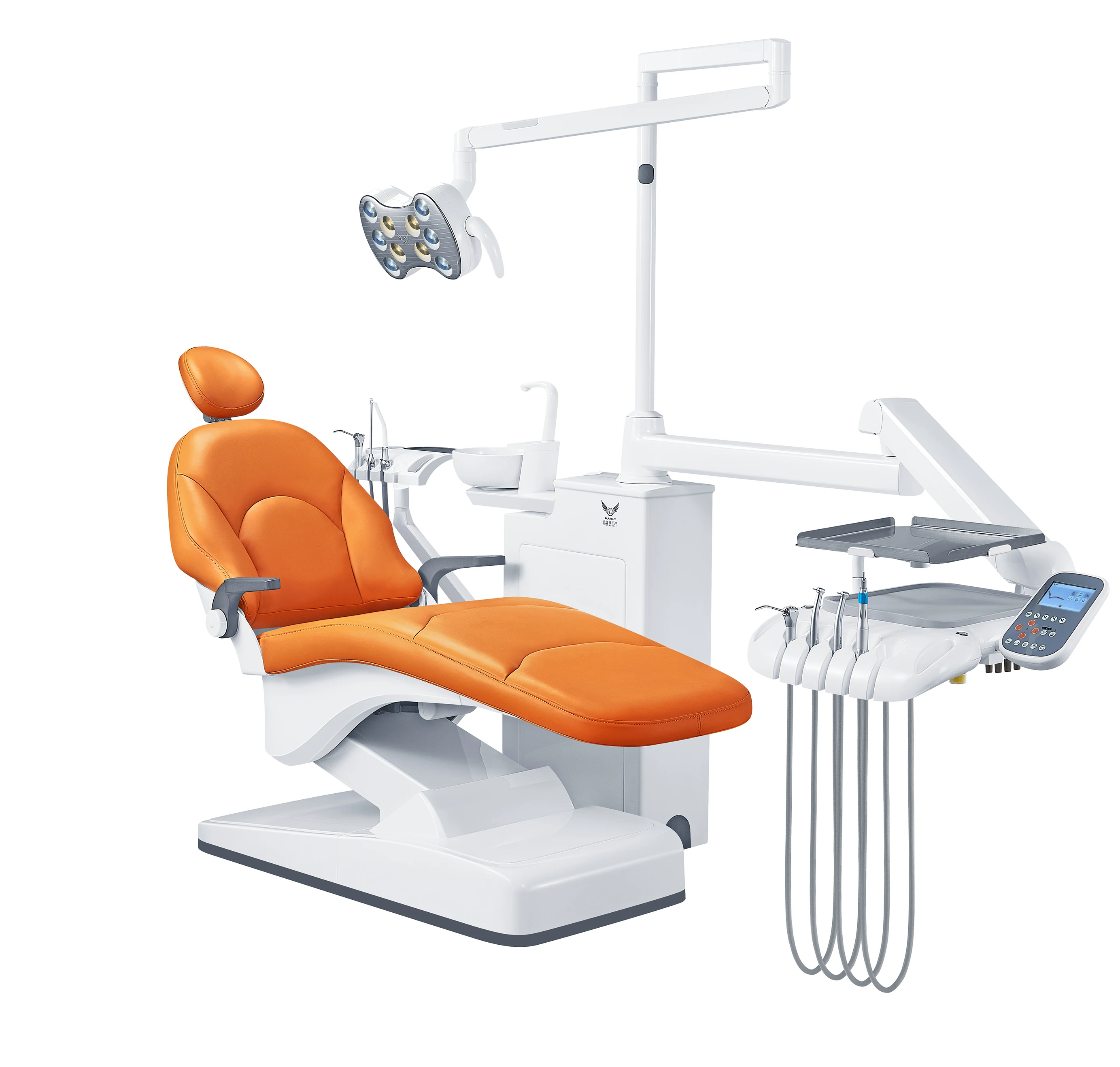
A dental device with suction system represents a fundamental advancement in modern oral care technology, designed to enhance both practitioner efficiency and patient comfort during dental procedures. This sophisticated equipment integrates powerful suction capabilities with precision dental instrumentation, creating a comprehensive solution for managing fluids, debris, and aerosols generated during various dental treatments. The primary function of a dental device with suction system centers on maintaining a clean, dry working field by continuously removing saliva, blood, water, and particulate matter from the oral cavity. This simultaneous evacuation process allows dental professionals to work with improved visibility and accuracy while significantly reducing patient discomfort associated with fluid accumulation. Technological features incorporated into contemporary dental device with suction system designs include variable suction power settings, ergonomic handpiece configurations, and specialized tip designs optimized for different procedural requirements. Many advanced models feature quiet operation motors that minimize noise pollution in clinical settings, along with antimicrobial materials that support infection control protocols. The suction system typically operates through a vacuum pump mechanism that generates negative pressure, channeling removed materials through tubing into collection containers or central waste management systems. Applications for dental device with suction system span virtually all areas of dental practice, from routine cleanings and examinations to complex surgical interventions. General dentists utilize these systems during restorative procedures such as filling placements, crown preparations, and root canal treatments where moisture control proves essential for material bonding and treatment success. Oral surgeons depend on high-volume evacuation capabilities when performing extractions, implant placements, and soft tissue procedures where bleeding management becomes critical. Periodontists employ specialized suction tips during scaling and root planing procedures to maintain clear visualization of subgingival areas. Pediatric dentists benefit from gentle suction settings that accommodate smaller oral cavities while keeping young patients comfortable throughout treatment sessions.

New Product Releases

The dental device with suction system delivers numerous practical benefits that directly improve clinical outcomes and operational efficiency in dental practices. First and foremost, these systems dramatically enhance visibility during procedures by immediately removing fluids and debris that would otherwise obstruct the treatment area. When dentists can clearly see the tooth structure, surrounding tissues, and precise working points, they perform more accurate preparations, place restorations with better margins, and complete treatments with fewer complications. This improved visibility translates into reduced chair time per patient, allowing practices to serve more individuals throughout the day while maintaining quality standards. Patient comfort receives a substantial boost when dental device with suction system technology is properly employed. Rather than experiencing the unpleasant sensation of fluid pooling in the mouth or the anxiety of feeling like they might choke or gag, patients benefit from continuous evacuation that keeps the oral cavity manageable. This comfort factor becomes especially important for individuals with strong gag reflexes, breathing difficulties, or anxiety about dental treatment. When patients feel more comfortable, they relax more fully, cooperate better with positioning requirements, and develop more positive associations with dental care that encourage regular visits. Infection control represents another critical advantage of dental device with suction system implementation. Modern dental procedures generate aerosols containing bacteria, viruses, and other microorganisms that can spread infection to practitioners, staff members, and other patients. High-velocity evacuation systems capture these aerosols at the source, preventing their dispersal throughout the clinical environment. This protective function has gained increased recognition as healthcare facilities worldwide prioritize airborne pathogen control. The dental device with suction system also protects expensive equipment from moisture damage by preventing water and debris from entering handpiece motors, air compressors, and other sensitive components. Treatment quality improves when moisture control is optimized, particularly for procedures involving adhesive materials, composite resins, and dental cements that require dry bonding surfaces for proper adhesion. Without effective suction, these materials may fail prematurely, necessitating retreatment that frustrates patients and reduces practice profitability. Practice efficiency gains extend beyond individual procedures to overall workflow management. Modern dental device with suction system designs incorporate features that reduce maintenance requirements, simplify cleaning protocols, and extend equipment lifespan. Disposable tips eliminate cross-contamination risks while reducing sterilization workload for staff. Quiet operation preserves the calm atmosphere that patients appreciate and that helps dental teams concentrate on detailed work without distraction. Variable power settings allow customization to specific procedures, preventing excessive suction that might damage soft tissues while ensuring adequate evacuation for high-fluid procedures. These practical advantages combine to create measurable value for dental practices through improved patient satisfaction scores, enhanced treatment outcomes, reduced complication rates, and optimized resource utilization.

Latest News

Gladent Medical in DenTech 2024 in Shanghai

27

Aug

Gladent Medical in DenTech 2024 in Shanghai

View More
Innovation Journey - GLADENT Dental Chairs: [The 30th South China International Dental Exhibition 2025 Concludes Successfully]

27

Aug

Innovation Journey - GLADENT Dental Chairs: [The 30th South China International Dental Exhibition 2025 Concludes Successfully]

View More
Distribute Women's Day gifts to female employees

28

Aug

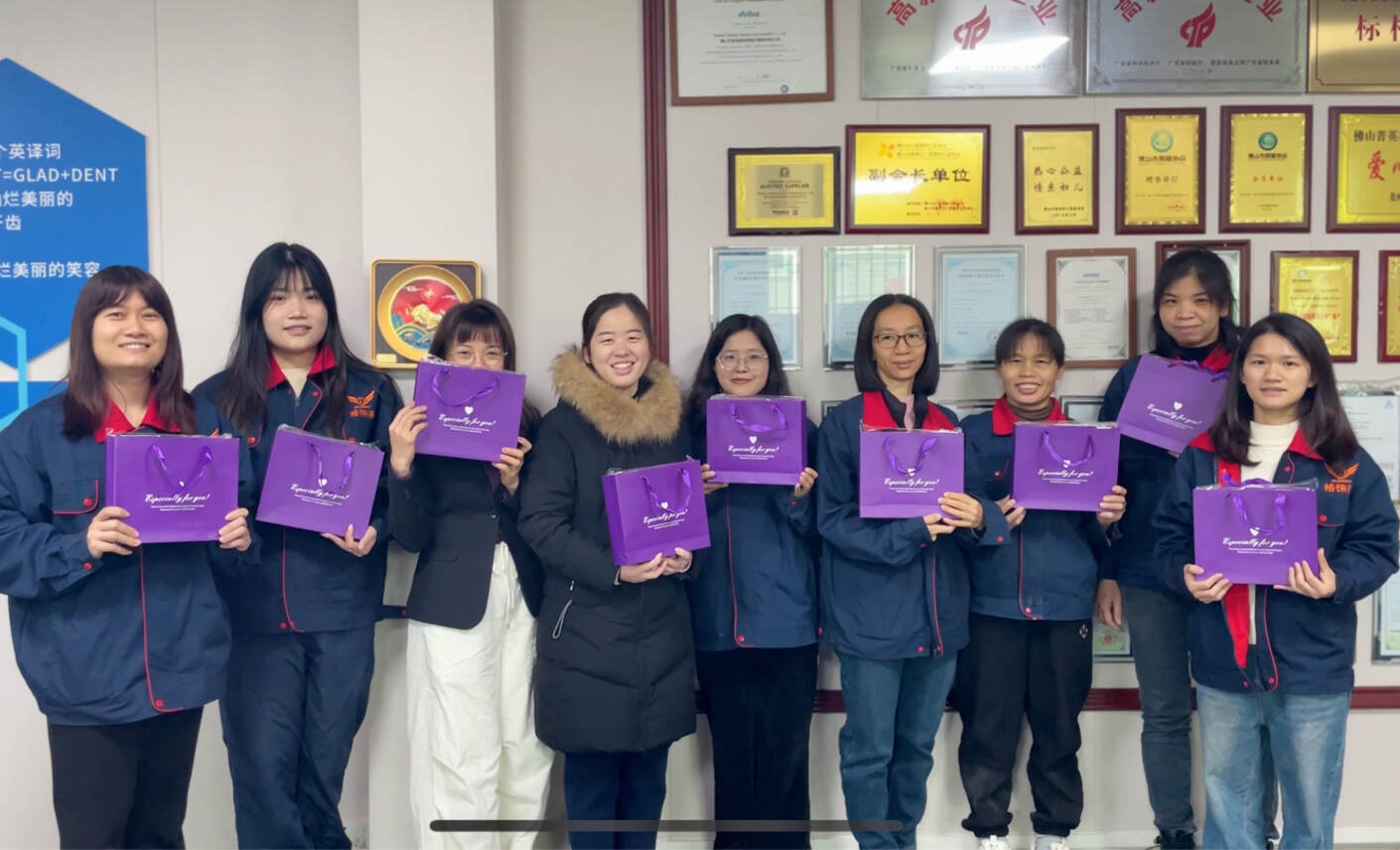
Distribute Women's Day gifts to female employees

View More

Get a Free Quote

Our representative will contact you soon.
Email
Mobile
Name
Company Name
Message
0/1000

dental device with suction system

Superior Moisture Control Technology for Optimal Treatment Conditions

Superior Moisture Control Technology for Optimal Treatment Conditions

The cornerstone advantage of any dental device with suction system lies in its ability to establish and maintain optimal moisture control throughout dental procedures. This capability extends far beyond simple fluid removal, encompassing a sophisticated approach to environmental management that directly impacts treatment success rates. When dental professionals perform restorative procedures such as composite fillings, ceramic crown cementation, or veneer bonding, the presence of even microscopic moisture contamination can compromise adhesive interfaces and lead to premature restoration failure. The dental device with suction system addresses this challenge through continuous, powerful evacuation that creates a consistently dry working field. Advanced systems feature dual-channel designs that simultaneously accommodate high-volume evacuation for bulk fluid removal and precision tips for targeted drying of specific tooth surfaces. This coordinated approach prevents the pooling effect that occurs when saliva production overwhelms single-channel systems, ensuring that prepared tooth structures remain pristine throughout bonding procedures. The moisture control provided by dental device with suction system technology also significantly impacts endodontic treatments where maintaining dry canals is essential for proper disinfection, medication placement, and obturation success. During root canal procedures, any moisture contamination introduced into the canal system can dilute antimicrobial irrigants, reduce the effectiveness of calcium hydroxide medications, and interfere with sealer penetration into dentinal tubules. High-quality suction systems prevent salivary contamination while allowing controlled delivery of irrigation solutions that can be immediately evacuated along with dissolved tissue debris and microorganisms. This precise fluid management capability dramatically reduces the risk of inter-appointment flare-ups and treatment failures that result from inadequate canal disinfection. Surgical applications benefit tremendously from the hemorrhage control facilitated by dental device with suction system technology. During extractions, implant placements, and soft tissue surgeries, bleeding can quickly obscure anatomical landmarks and make precise instrument placement challenging. Surgical suction tips designed with beveled edges and protective guards allow practitioners to evacuate blood from the surgical site while simultaneously retracting soft tissues for improved access and visibility. This dual functionality reduces the need for additional retraction instruments and minimizes tissue trauma from excessive manipulation.
Enhanced Patient Comfort Through Ergonomic Design and Gentle Operation

Enhanced Patient Comfort Through Ergonomic Design and Gentle Operation

Patient comfort represents a paramount consideration in modern dental care delivery, and the dental device with suction system plays an instrumental role in creating positive treatment experiences that encourage ongoing oral health maintenance. Traditional approaches to fluid management often required patients to maintain uncomfortable positions, periodically interrupt procedures to expectorate accumulated fluids, or endure the anxiety-provoking sensation of liquid pooling in the throat area. Contemporary dental device with suction system designs eliminate these discomforts through continuous evacuation that works seamlessly in the background of dental procedures. Patients can recline comfortably in treatment chairs without worrying about fluid accumulation, maintain relaxed jaw positions without frequent interruptions, and breathe naturally through their noses without feeling compromised by oral fluid levels. This enhanced comfort proves especially valuable for individuals with special needs, including those with strong gag reflexes, temporomandibular joint disorders that limit comfortable mouth opening duration, or respiratory conditions that make nasal breathing essential. The dental device with suction system accommodates these needs through adjustable suction power that can be reduced for sensitive patients while maintaining adequate evacuation. Soft, flexible tip materials prevent tissue irritation and trauma that can occur with rigid suction instruments, while anatomically contoured designs conform to oral structures without creating pressure points. Quiet operation technology incorporated into modern dental device with suction system motors addresses the psychological comfort dimension of dental treatment. Dental anxiety affects a substantial portion of the population, with loud mechanical noises frequently cited as triggering factors. High-pitched whining sounds from older suction motors activate stress responses that elevate blood pressure, increase muscle tension, and amplify pain perception. Advanced systems feature sound-dampening motor housings, vibration isolation mounts, and aerodynamic airflow designs that collectively reduce operational noise to barely perceptible levels. This acoustic comfort creates a more spa-like treatment environment that helps anxious patients relax and cooperate more fully with treatment requirements. Pediatric dentistry benefits enormously from comfort-focused dental device with suction system features. Children often feel overwhelmed by the sensory experiences of dental treatment, and traditional bulky suction devices can trigger fear responses. Smaller profile tips designed specifically for pediatric oral cavities, combined with gentle suction pressures and engaging designs featuring colorful components, transform the suction device from a threatening instrument into an accepted part of the treatment experience.
Advanced Infection Control and Practice Safety Features

Advanced Infection Control and Practice Safety Features

Contemporary healthcare delivery demands rigorous infection control protocols, and the dental device with suction system serves as a critical component in comprehensive pathogen management strategies. Dental procedures generate substantial quantities of aerosols and splatter containing bacteria, viruses, fungi, and blood-borne pathogens that pose infection risks to dental teams, patients, and anyone entering the clinical environment. Research has demonstrated that aerosol particles generated during high-speed handpiece use, ultrasonic scaling, and air polishing procedures can remain suspended in the air for extended periods and travel considerable distances from the treatment site. The dental device with suction system mitigates these risks through high-velocity evacuation positioned strategically near the generation source to capture aerosols before they disperse throughout the operatory. Advanced systems feature specially designed tips with large-diameter openings and aerodynamic profiles optimized for aerosol capture efficiency. When properly positioned, these high-volume evacuators can reduce aerosol contamination in the breathing zone of dental personnel by over ninety percent compared to relying solely on saliva ejectors. This protective function has gained critical importance as dental practices implement enhanced safety protocols in response to emerging infectious diseases and heightened awareness of airborne transmission risks. The dental device with suction system also prevents cross-contamination through design features that facilitate thorough cleaning and sterilization between patients. Removable, autoclavable tips eliminate the porous surfaces and complex geometries that can harbor microorganisms despite cleaning efforts. Smooth internal tubing surfaces resist biofilm formation that can occur in evacuation lines, while purge cycles flush residual debris and reduce microbial colonization. Antimicrobial materials incorporated into tubing and handle constructions provide additional protection against pathogen survival on equipment surfaces. Disposable barrier sleeves offer another layer of contamination prevention, allowing quick turnover between patients without compromising infection control standards. Practice safety extends beyond infection control to include protection of the broader healthcare facility infrastructure and environmental systems. The dental device with suction system incorporates filtration and separation technologies that prevent amalgam particles, extracted teeth, bone fragments, and other solid debris from entering waste water systems where they could cause plumbing damage or environmental contamination. Amalgam separators capture mercury-containing particles before they reach municipal water treatment facilities, ensuring regulatory compliance and environmental responsibility. These comprehensive safety features position the dental device with suction system as an essential investment in practice risk management and long-term operational sustainability.