dental device with adjustable headrest
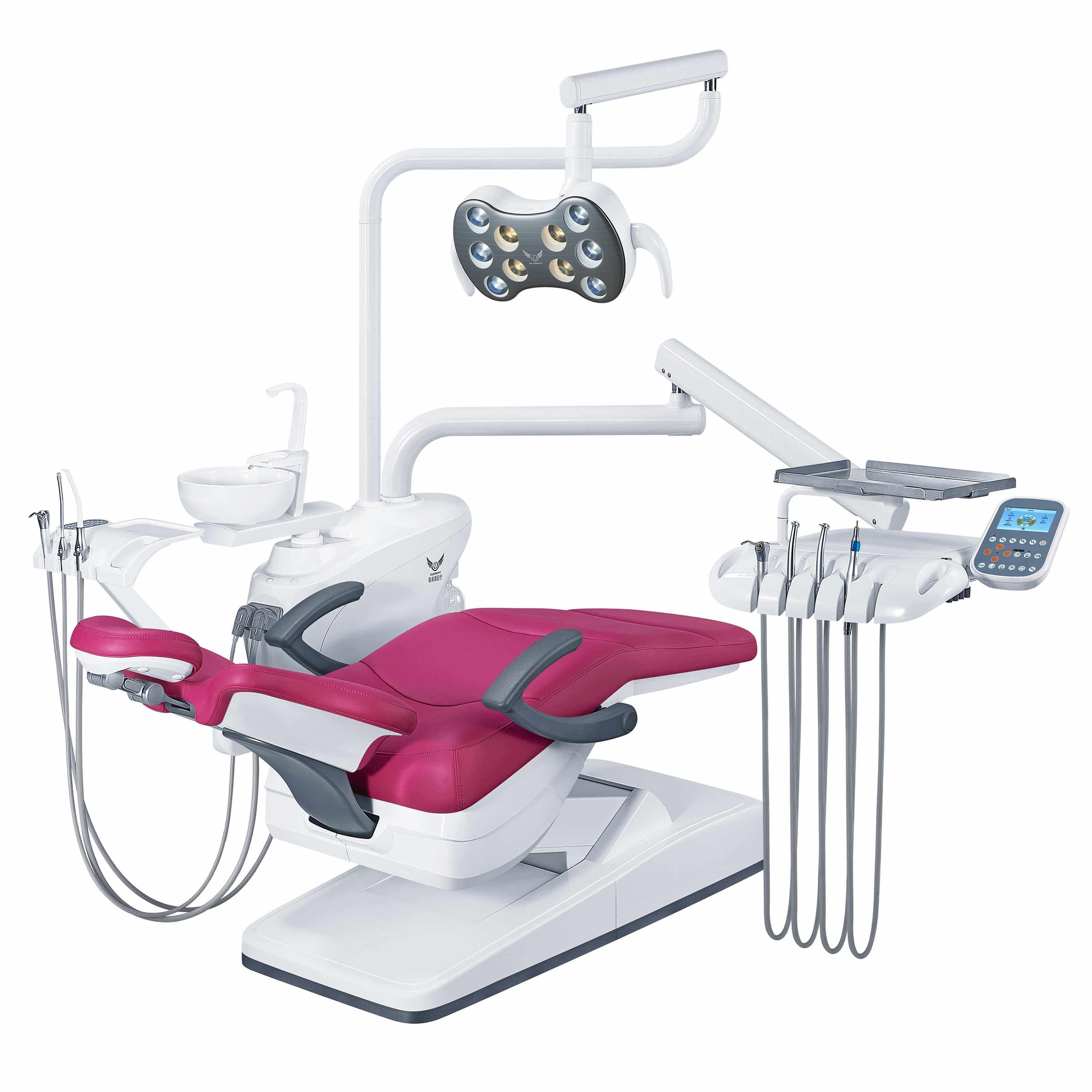
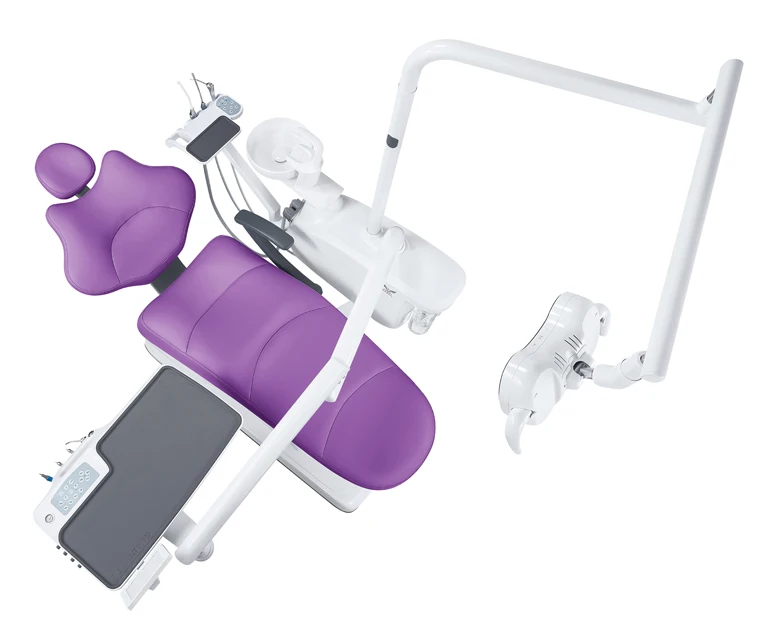
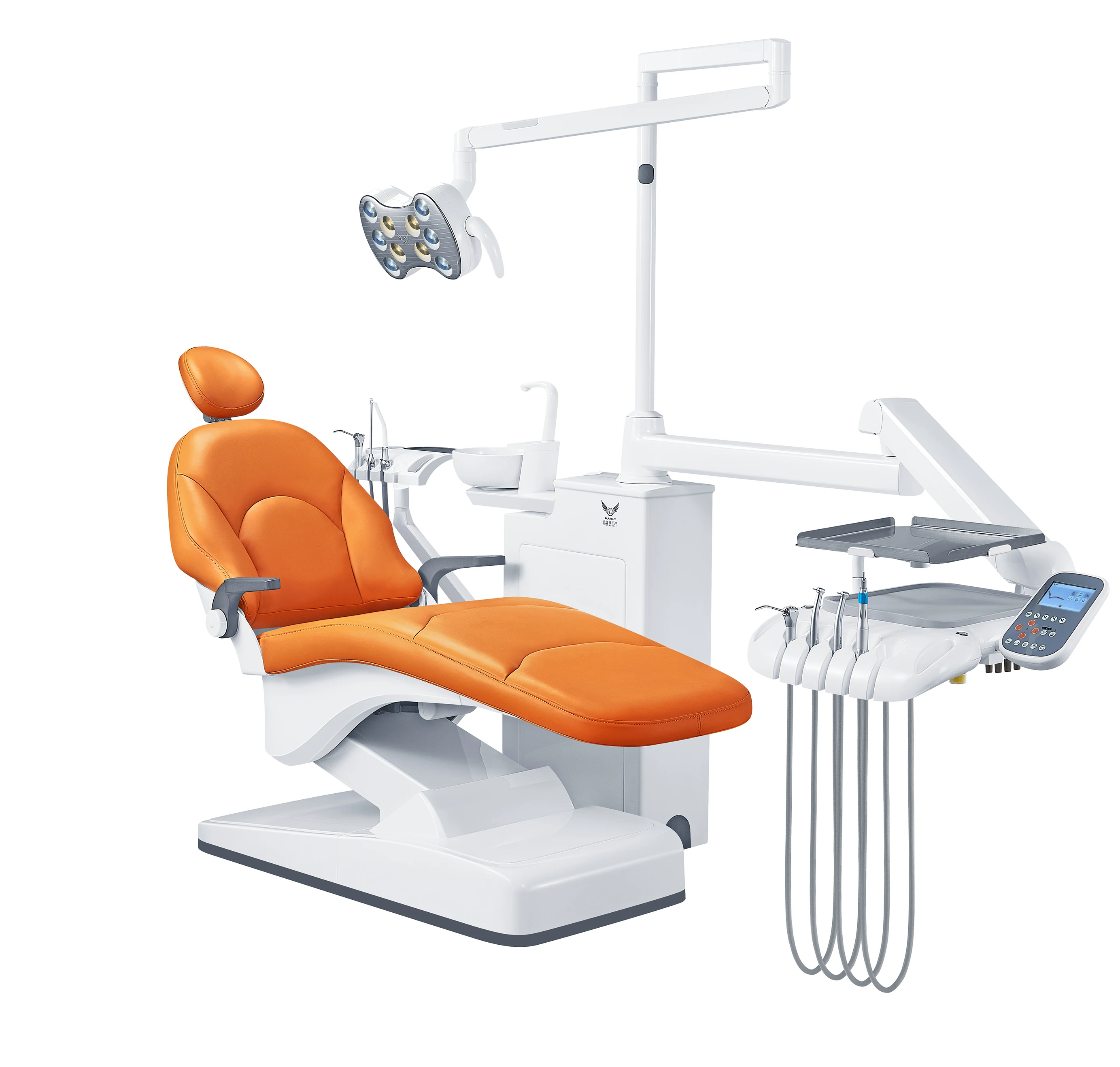
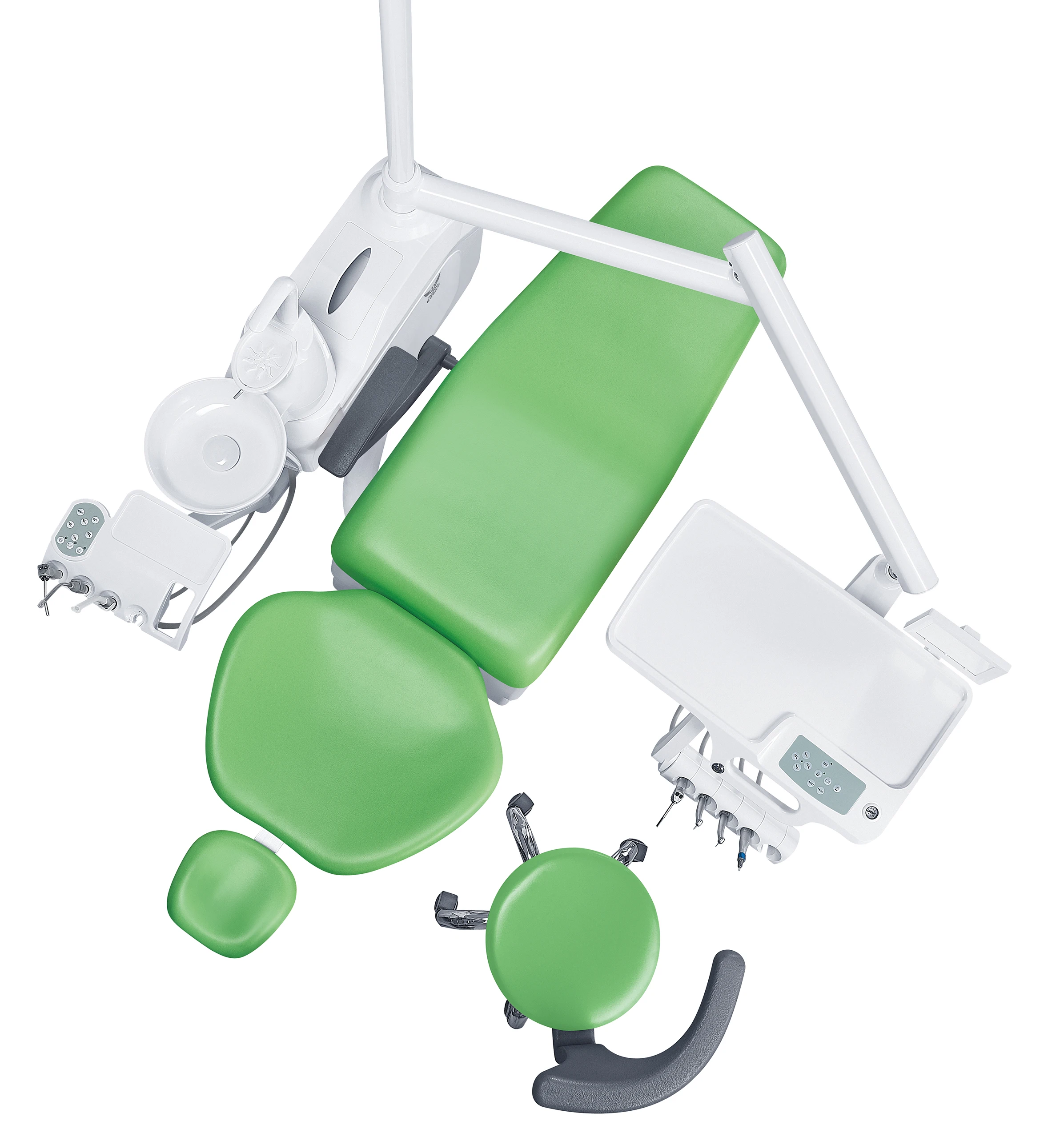
A dental device with adjustable headrest represents a significant advancement in modern dental practice equipment, designed to enhance both patient comfort and practitioner efficiency during various dental procedures. This specialized equipment combines ergonomic design principles with practical functionality to create an optimal treatment environment. The adjustable headrest feature allows dental professionals to position patients precisely, ensuring proper alignment and access to the oral cavity while maintaining patient comfort throughout lengthy procedures. The dental device with adjustable headrest typically incorporates multiple adjustment mechanisms, including height modification, angle tilting, and horizontal positioning capabilities. These features enable customization for patients of different ages, sizes, and physical conditions, making it an versatile solution for diverse clinical scenarios. The headrest component is usually cushioned with medical-grade materials that provide support while remaining easy to clean and disinfect between patients. Modern versions of this dental device with adjustable headrest often include memory foam padding or gel-filled cushions that conform to individual head shapes, reducing pressure points and preventing discomfort during extended appointments. The adjustment mechanisms are engineered for smooth, quiet operation, allowing practitioners to make positioning changes without disrupting the treatment flow. Many models feature intuitive control systems, whether manual levers, pneumatic controls, or electronic buttons, enabling quick adjustments with minimal effort. The structural framework of a dental device with adjustable headrest is typically constructed from durable materials such as stainless steel or reinforced aluminum alloys, ensuring long-term reliability and stability under continuous clinical use. The base unit integrates seamlessly with standard dental chairs and operatory setups, maintaining compatibility with existing equipment configurations. Advanced models may incorporate antimicrobial coatings on contact surfaces, contributing to enhanced infection control protocols within the dental practice environment.

 EN
EN


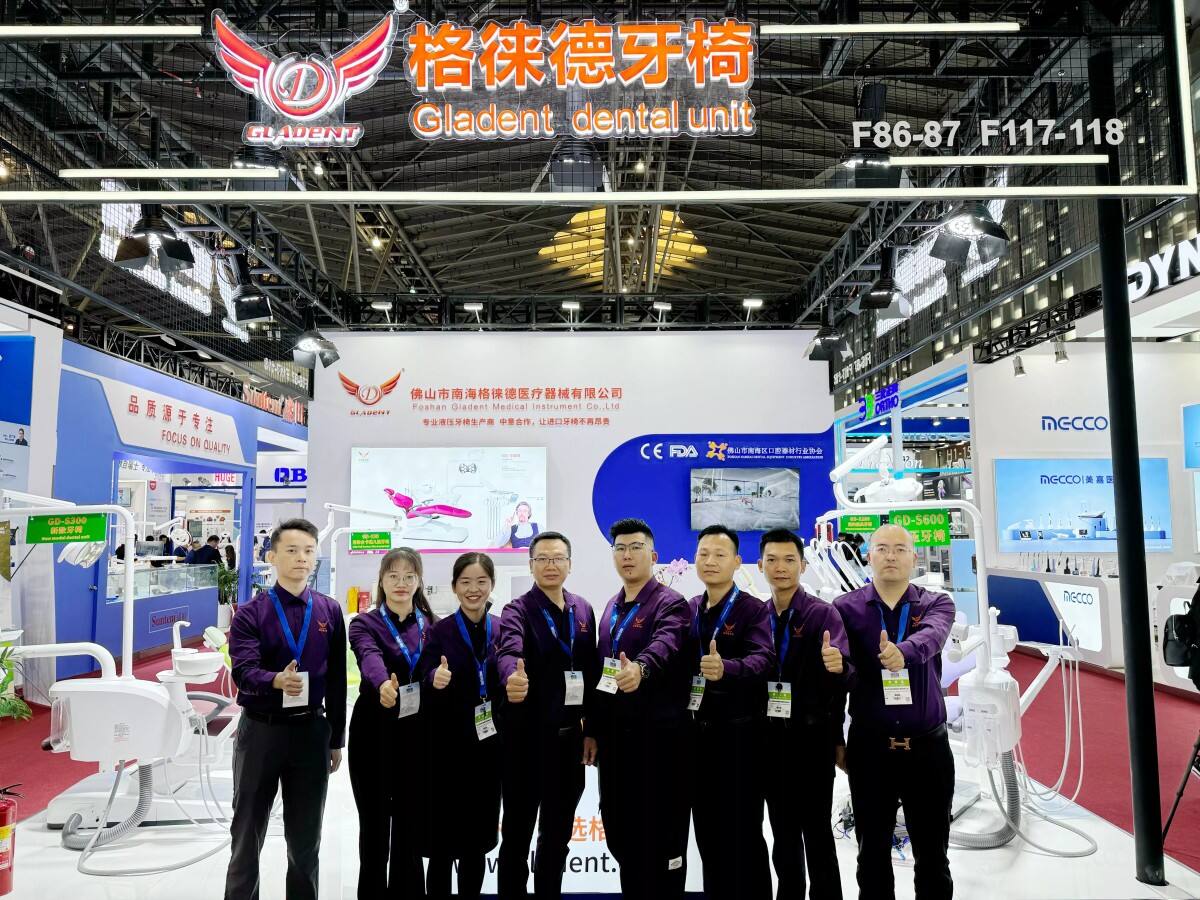
![Innovation Journey - GLADENT Dental Chairs: [The 30th South China International Dental Exhibition 2025 Concludes Successfully]](https://shopcdnpro.grainajz.com/category/19383/3803/616cc2b5bdfecec5e7c5b6aa95e40d84/%E5%BE%AE%E4%BF%A1%E5%9B%BE%E7%89%87_20250826164700.jpg)