Advanced Digital Dental Device Solutions - Precision Scanning Technology for Modern Dentistry

EN EN

Call Us:+86-757-81267151

digital dental device

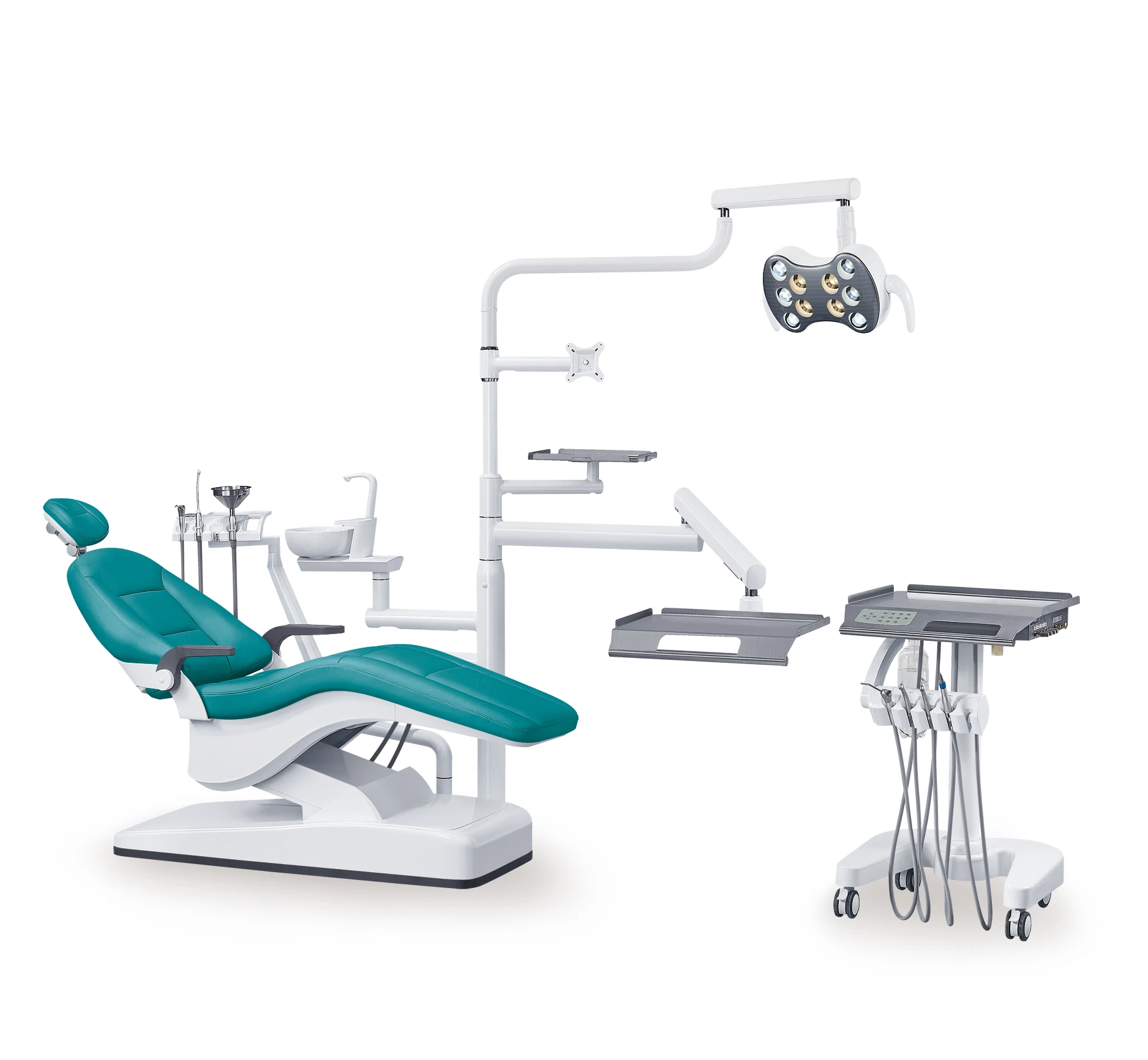
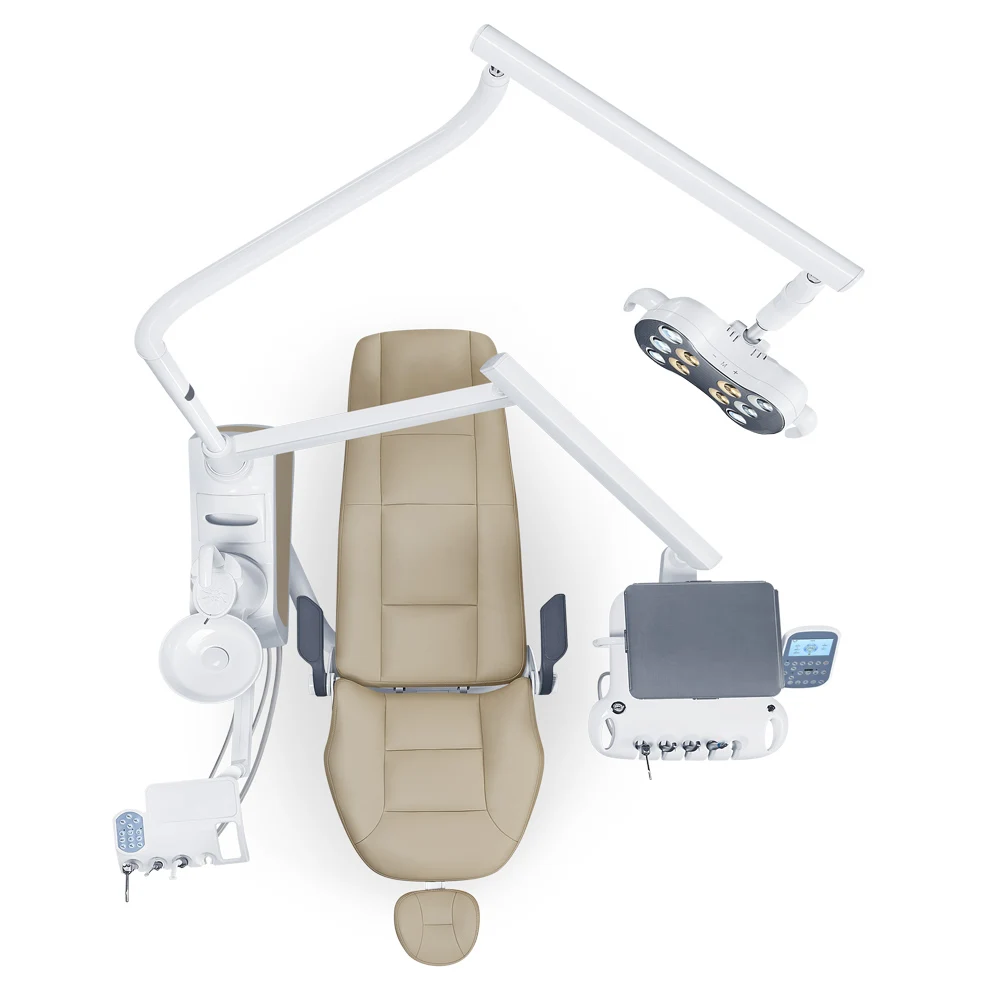
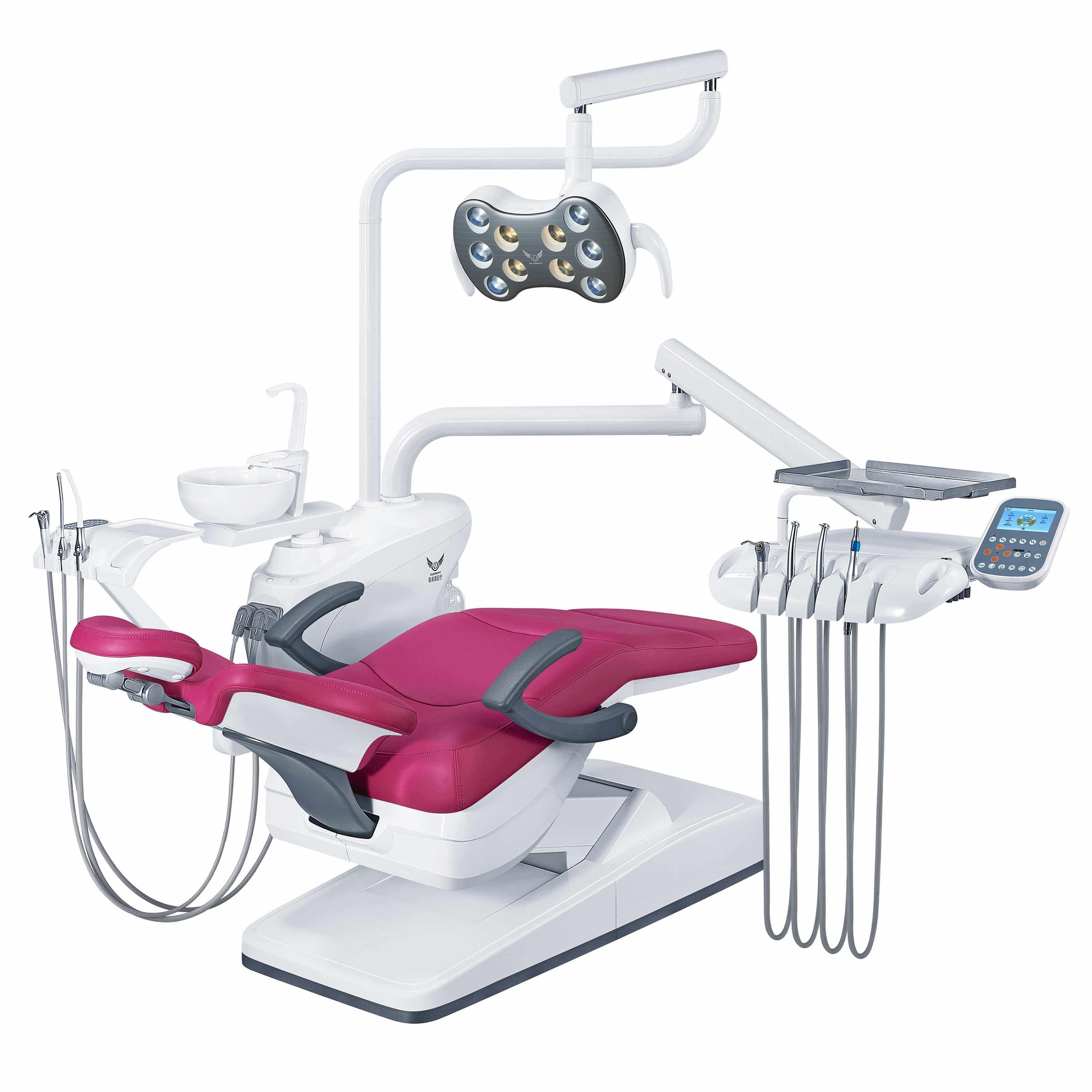
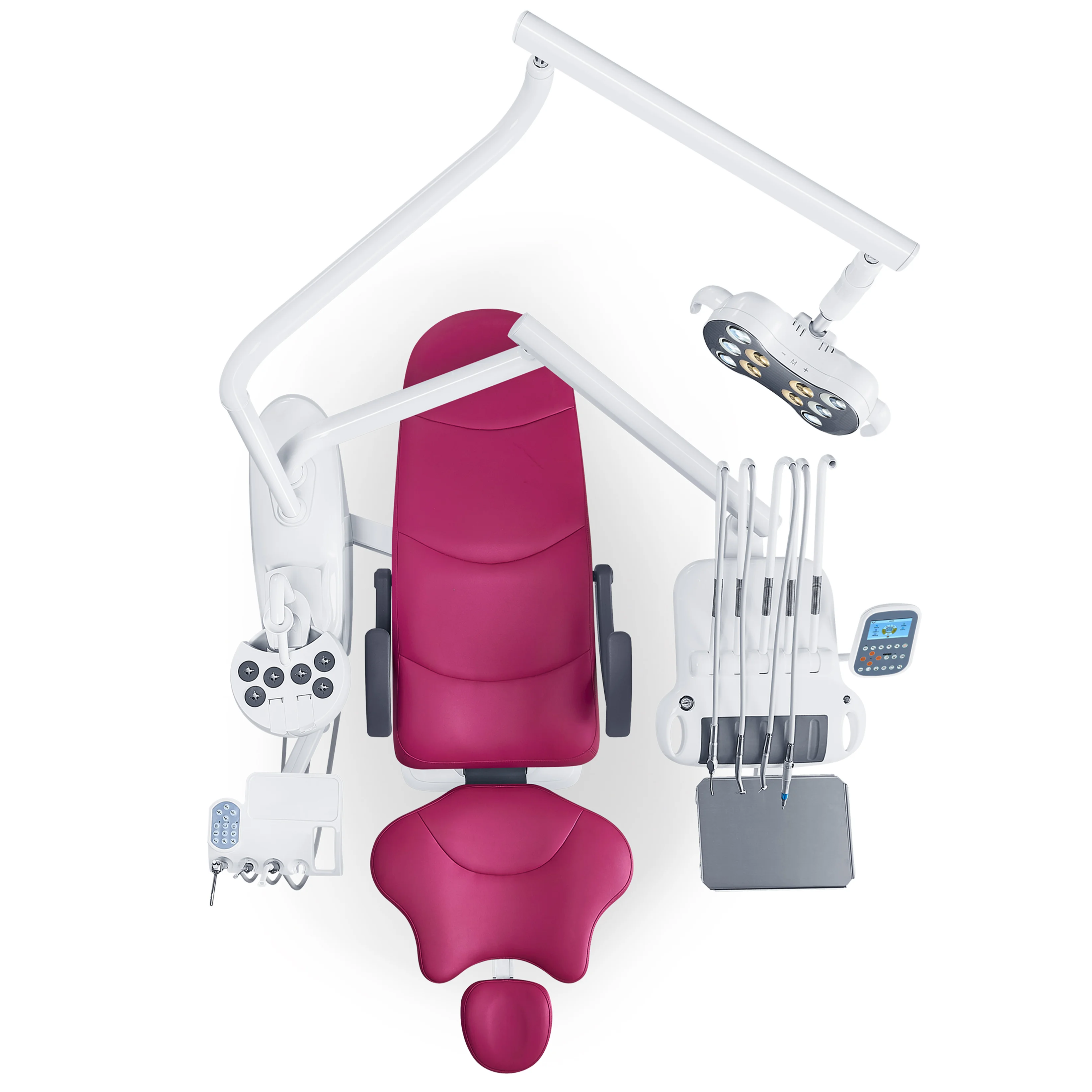
Modern dentistry has undergone a remarkable transformation with the introduction of advanced digital dental devices that revolutionize how dental professionals diagnose, plan, and execute treatments. A digital dental device represents a sophisticated piece of technology that combines precision engineering with cutting-edge software to deliver superior patient care and streamline clinical workflows. These innovative tools have become indispensable in contemporary dental practices, offering capabilities that far exceed traditional analog methods. At its core, a digital dental device integrates high-resolution imaging, computerized analysis, and seamless data management to create a comprehensive solution for various dental procedures. The main functions of these devices include capturing detailed intraoral scans, generating three-dimensional models of teeth and gums, facilitating treatment planning through advanced visualization, and enabling precise fabrication of dental restorations. The technological features that distinguish digital dental devices include optical scanning technology that captures millions of data points per second, intuitive software interfaces that simplify complex procedures, cloud-based storage systems for easy access to patient records, and compatibility with CAD/CAM systems for in-house restoration manufacturing. Applications of digital dental devices span across multiple dental specialties, from general dentistry to orthodontics, prosthodontics, and implantology. These devices enable dentists to create accurate impressions without uncomfortable putty materials, design custom aligners and retainers with exceptional precision, plan implant placements with millimeter accuracy, and communicate treatment options more effectively with patients through visual representations. The integration of artificial intelligence in some digital dental devices further enhances diagnostic capabilities by identifying potential issues that might escape the human eye. As dental technology continues to evolve, digital dental devices represent the foundation upon which modern practices build their reputation for quality, efficiency, and patient satisfaction, making them essential investments for forward-thinking dental professionals.

New Product Recommendations

Choosing a digital dental device brings transformative benefits that directly impact both clinical outcomes and patient experiences in ways that matter most to dental practices. The primary advantage lies in accuracy and precision that surpasses traditional methods by significant margins. When dentists use a digital dental device for impressions, they eliminate the distortions and inaccuracies common with conventional impression materials, resulting in restorations that fit better and require fewer adjustments. This precision translates to happier patients who spend less time in the dental chair and experience better long-term results. Time efficiency represents another compelling benefit that affects your practice's productivity and profitability. A digital dental device streamlines workflows by reducing the steps required for many procedures, eliminating the need to send physical impressions to laboratories, and enabling same-day treatments that were previously impossible. Patients appreciate the convenience of completing treatments in fewer visits, while practices benefit from increased throughput and reduced overhead costs associated with impression materials and shipping. Patient comfort improves dramatically when dental professionals incorporate digital dental devices into their treatment protocols. The elimination of gag-inducing impression trays, the reduction in appointment duration, and the ability to visualize treatment outcomes before procedures begin all contribute to a more positive dental experience. This enhanced comfort leads to better patient compliance, more referrals, and stronger practice growth. Communication becomes more effective when you can show patients detailed digital representations of their oral conditions and proposed treatments. A digital dental device generates visual aids that help patients understand complex dental issues and make informed decisions about their care. This transparency builds trust and increases case acceptance rates for recommended treatments. The environmental and economic benefits deserve consideration as well. Digital dental devices reduce waste by eliminating disposable impression materials and trays, lower shipping costs by transmitting data electronically, and decrease the need for physical storage space for patient records and models. These savings accumulate over time, making the initial investment in digital dental technology financially sound. Quality control improves because digital dental devices provide immediate feedback on scan quality, allowing practitioners to recapture areas that need better detail before the patient leaves the chair. This real-time verification prevents costly remakes and ensures consistent results. Integration with other dental technologies creates a seamless digital ecosystem where information flows effortlessly between diagnostic tools, treatment planning software, and fabrication equipment, positioning your practice at the forefront of modern dentistry.

Tips And Tricks

Gladent Medical in DenTech 2024 in Shanghai

27

Aug

Gladent Medical in DenTech 2024 in Shanghai

View More
Innovation Journey - GLADENT Dental Chairs: [The 30th South China International Dental Exhibition 2025 Concludes Successfully]

27

Aug

Innovation Journey - GLADENT Dental Chairs: [The 30th South China International Dental Exhibition 2025 Concludes Successfully]

View More
Distribute Women's Day gifts to female employees

28

Aug

Distribute Women's Day gifts to female employees

View More

Get a Free Quote

Our representative will contact you soon.
Email
Mobile
Name
Company Name
Message
0/1000

digital dental device

Unmatched Precision Through Advanced Scanning Technology

Unmatched Precision Through Advanced Scanning Technology

The scanning capabilities of a digital dental device represent a quantum leap forward in dental imaging technology that fundamentally changes how practitioners capture and utilize patient data. Unlike traditional impression methods that rely on physical materials prone to distortion, tearing, and dimensional changes, digital dental devices employ optical scanning technology that captures surface details with micron-level accuracy. This precision matters because dental restorations require extremely tight tolerances to function properly and last for years without complications. When a digital dental device scans the oral cavity, it projects structured light patterns or laser beams onto tooth surfaces and surrounding tissues, capturing millions of measurement points within seconds. Sophisticated algorithms process this data to construct highly accurate three-dimensional representations that preserve every anatomical detail necessary for treatment planning and restoration design. The technology accounts for variations in tissue reflectivity, compensates for patient movement, and fills in any gaps in the data to produce complete, usable models. Practitioners benefit from this precision in numerous ways throughout their daily workflows. Crown and bridge preparations scanned with a digital dental device yield restorations that seat perfectly without extensive adjustments, reducing chair time and improving patient satisfaction. Orthodontic treatment planning becomes more predictable when based on accurate digital models that capture exact tooth positions and root angulations. Implant planning reaches new levels of safety and success when surgeons can visualize bone anatomy in three dimensions and plan optimal implant positions before making the first incision. The consistency of digital dental device scans eliminates the variability inherent in traditional impression techniques, where factors like material mixing ratios, tray selection, and operator technique introduce unpredictable variations. This consistency means every scan meets the same high standard, regardless of which team member operates the device or what time of day the procedure occurs. Quality assurance becomes straightforward because the digital dental device software immediately displays the scan quality and highlights any areas requiring additional capture, allowing real-time verification before the patient leaves the appointment. This immediate feedback loop prevents the frustrating scenario where a laboratory rejects an impression days after the appointment, forcing the patient to return for a retake.
Seamless Workflow Integration and Digital Ecosystem Connectivity

Seamless Workflow Integration and Digital Ecosystem Connectivity

Modern dental practices operate as interconnected digital ecosystems where information flows seamlessly between various systems and technologies, and a digital dental device serves as a critical hub within this network. The ability of these devices to integrate with practice management software, laboratory information systems, CAD/CAM equipment, and treatment planning applications creates efficiencies that compound throughout the patient care journey. When a digital dental device captures patient data, that information becomes immediately available across all connected systems without manual data entry, file conversion, or physical transfer. This connectivity eliminates bottlenecks that previously slowed treatment delivery and created opportunities for errors. Consider the traditional workflow for creating a crown, which involved taking a physical impression, packaging and shipping it to a laboratory, waiting for the laboratory to pour models and fabricate the restoration, and finally receiving the finished product days or weeks later. Each handoff introduced delays and risks of miscommunication or damage. A digital dental device transforms this process by capturing a scan, transmitting the data electronically to the laboratory or in-house milling unit within minutes, and enabling fabrication to begin immediately. Some practices leverage their digital dental device connectivity to provide same-day restorations, completing treatments that previously required multiple appointments in a single visit. The software ecosystems surrounding digital dental devices offer additional advantages through features like automatic measurement tools, virtual articulation, shade matching assistance, and collaborative annotation. Dentists can mark preparation margins, design emergence profiles, and specify contact relationships directly on the digital models, providing clear instructions that eliminate guesswork. Cloud-based storage integrated with digital dental devices ensures that patient scans remain accessible from any location, facilitating consultation with specialists, enabling treatment planning from home, and supporting multi-location practices with centralized records. The data generated by a digital dental device also feeds into analytics platforms that help practices identify trends, monitor case acceptance rates, and optimize scheduling based on procedure types and durations. This business intelligence transforms raw clinical data into actionable insights that drive practice growth and operational efficiency.

Enhanced Patient Experience and Communication Excellence

Enhanced Patient Experience and Communication Excellence

The patient-facing benefits of a digital dental device extend far beyond clinical accuracy to fundamentally reshape how individuals perceive and engage with dental care. Traditional dental impressions rank among the most unpleasant aspects of dental visits, with many patients experiencing gagging, discomfort, and anxiety from impression materials and trays. A digital dental device eliminates these negative experiences entirely, replacing them with a quick, comfortable scanning process that takes only minutes and causes no discomfort. The wand-like scanner simply glides over tooth surfaces, capturing images without touching soft tissues or triggering gag reflexes. This improved comfort has profound implications for patient acceptance of recommended treatments, with studies showing that patients who experience digital impressions are more likely to proceed with elective procedures and maintain regular dental visits. The visual communication capabilities of a digital dental device represent another transformative advantage that helps patients understand their oral health conditions and proposed treatments. The three-dimensional color images generated by these devices provide compelling visual evidence that surpasses verbal descriptions or two-dimensional photographs. Dentists can rotate the digital models, zoom into specific areas, and use annotation tools to highlight problems and explain solutions in ways that resonate with patients. When patients see a detailed representation of a cracked tooth, worn enamel, or misaligned bite, they develop a clearer understanding of why treatment is necessary and what outcomes to expect. This visual transparency builds trust and transforms the dentist-patient relationship from one based on authority to one based on informed collaboration. A digital dental device also enables before-and-after comparisons that help patients visualize the results of proposed treatments, whether orthodontic alignment, cosmetic reshaping, or functional rehabilitation. These predictive visualizations increase case acceptance because patients can see the value they will receive before committing to treatment. The efficiency gains from using a digital dental device translate directly to reduced appointment times, fewer visits, and faster treatment completion, all of which patients deeply appreciate in their busy lives. The ability to offer same-day restorations or complete orthodontic records in a single appointment rather than multiple visits represents a competitive advantage that attracts new patients and builds loyalty among existing ones.