Advanced Dental Device With Touch Screen - Intuitive Technology for Modern Practices

EN EN

Call Us:+86-757-81267151

dental device with touch screen

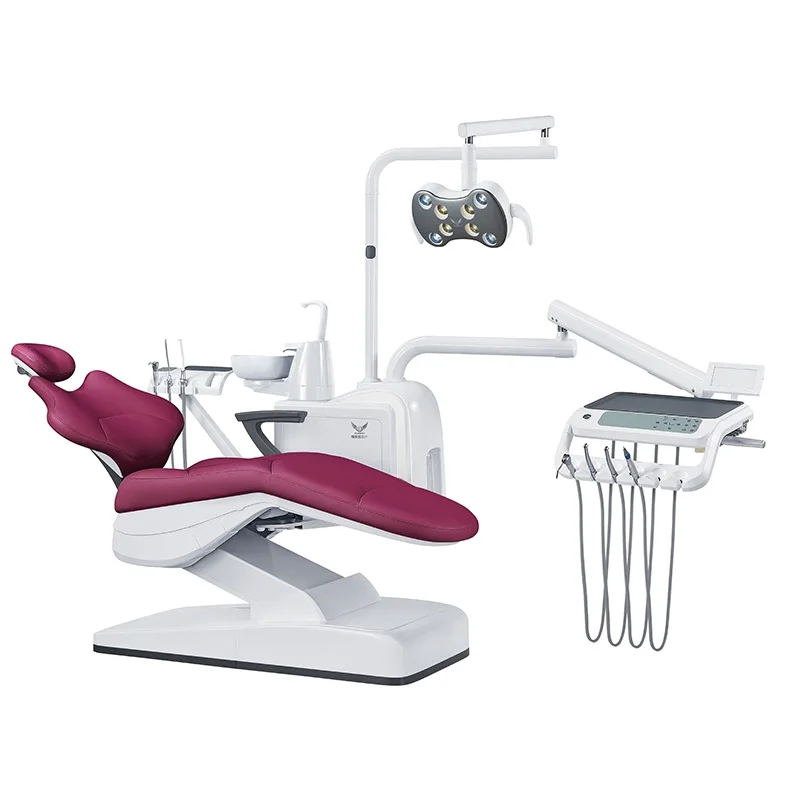
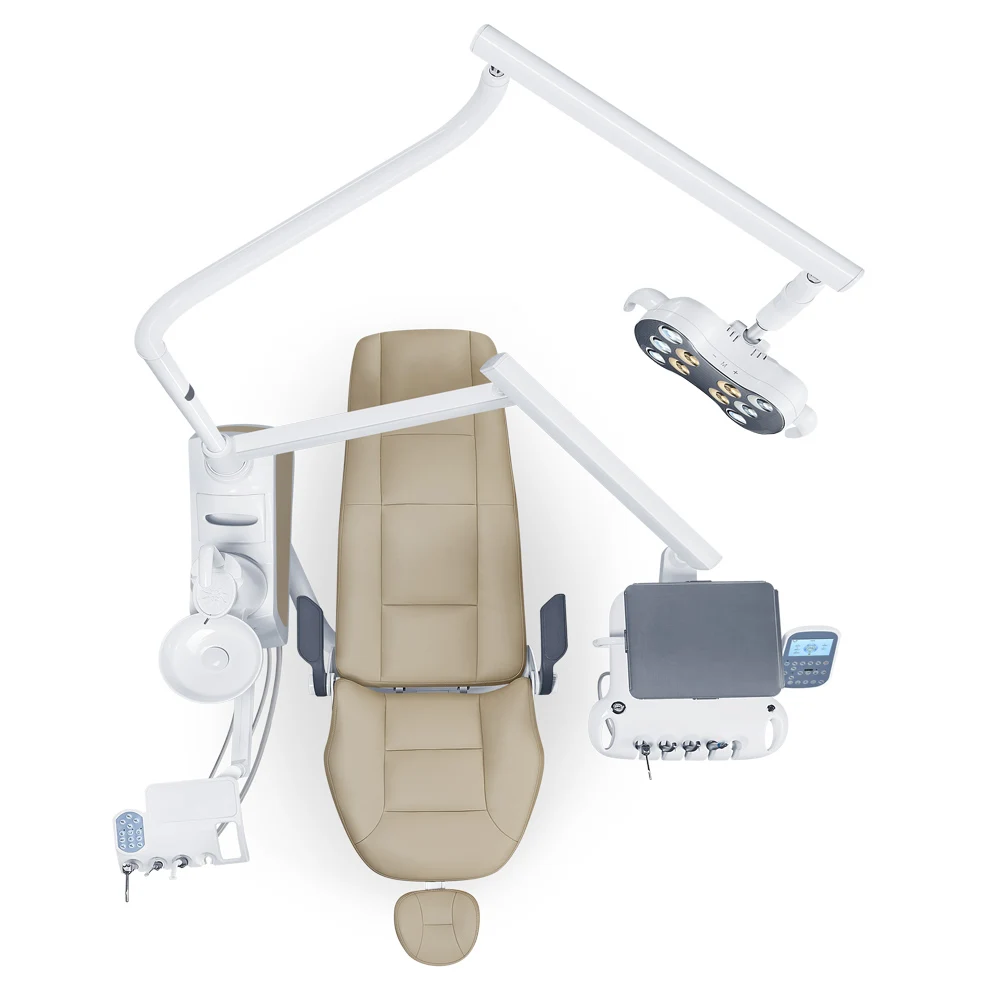
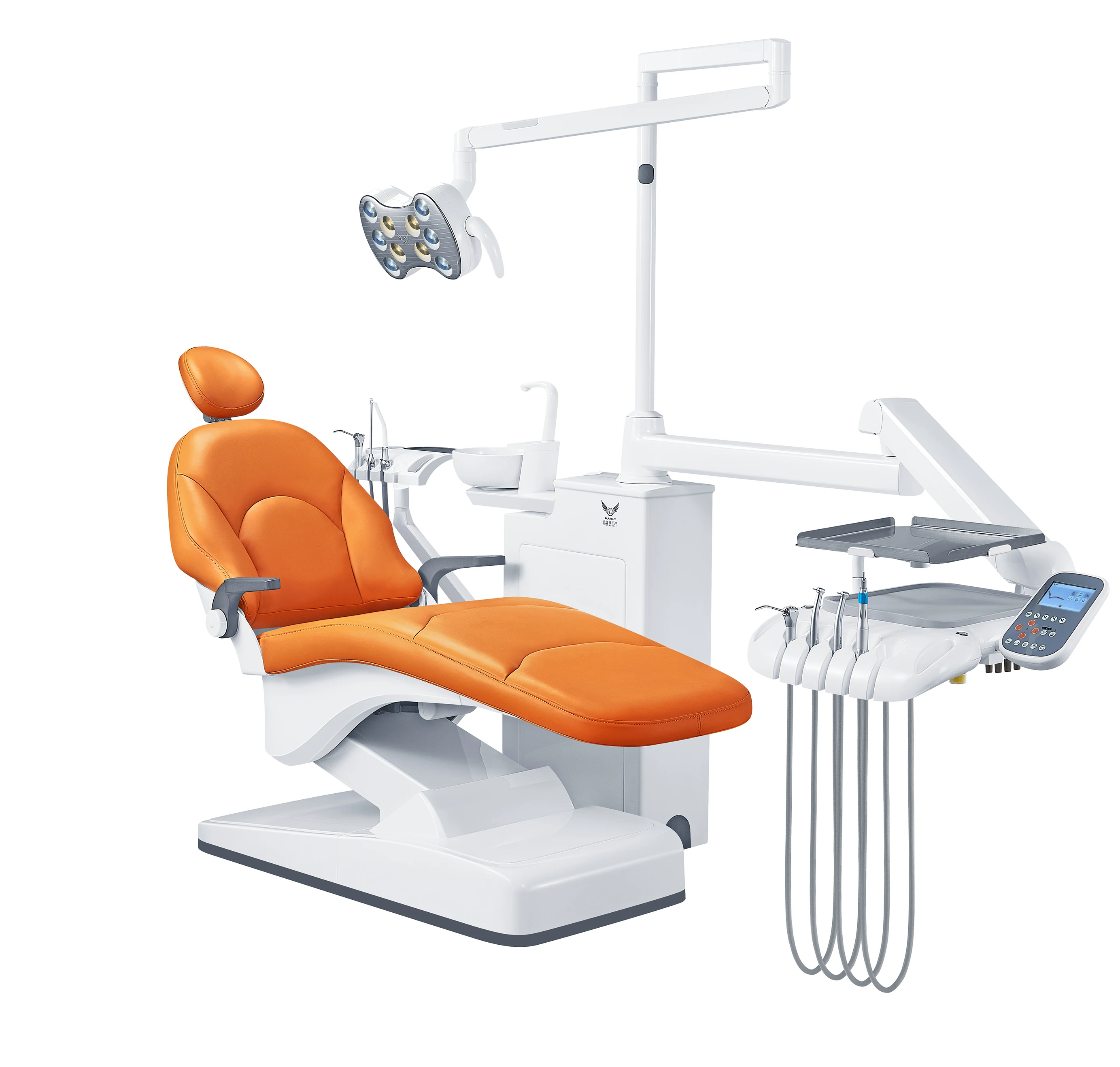
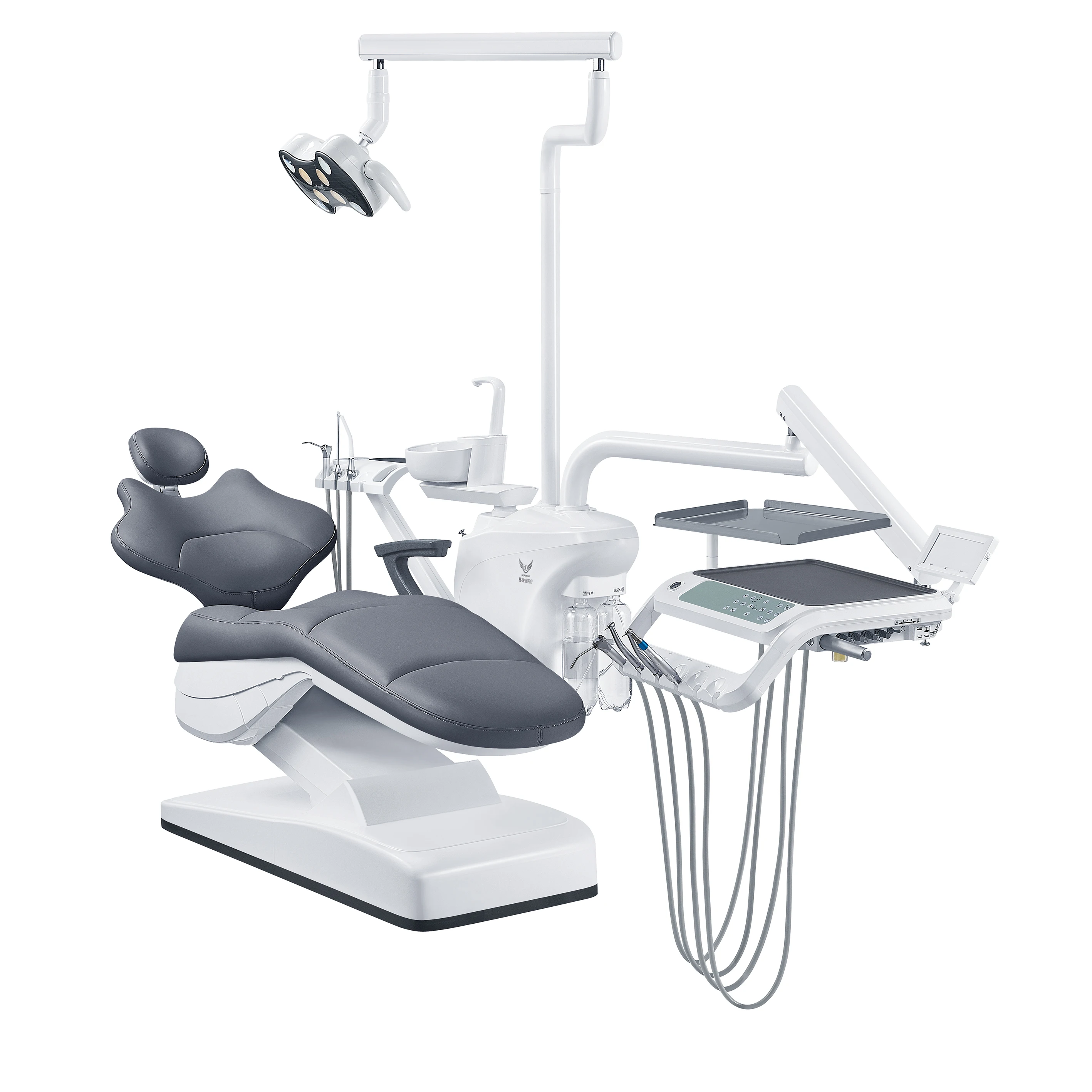
Modern dentistry has experienced a remarkable transformation with the introduction of advanced digital technology, and among the most significant innovations is the dental device with touch screen. This sophisticated equipment represents a leap forward in dental care delivery, combining intuitive control mechanisms with powerful diagnostic and treatment capabilities. The dental device with touch screen integrates multiple functions into a single, user-friendly platform that enhances both clinical efficiency and patient experience. These devices typically feature high-resolution displays that respond instantly to touch inputs, allowing dental professionals to navigate through various functions seamlessly. The touch screen interface eliminates the need for traditional buttons and knobs, creating a cleaner, more hygienic workspace that can be easily disinfected between patients. Core functions of the dental device with touch screen include digital radiography viewing, treatment planning, patient record management, and real-time monitoring of dental procedures. Many models incorporate advanced imaging capabilities, enabling practitioners to capture, display, and analyze intraoral images with exceptional clarity. The technology also facilitates better communication between dental teams and patients, as treatment plans and educational materials can be displayed directly on the screen. Furthermore, these devices often support wireless connectivity, allowing seamless integration with other dental equipment and practice management software. The applications of the dental device with touch screen span across all dental specialties, from general dentistry and orthodontics to oral surgery and periodontics. Practitioners can adjust settings for various procedures, access patient histories, and document treatments all through the intuitive touch interface. The versatility of these devices makes them indispensable in modern dental practices, supporting everything from routine cleanings to complex surgical procedures. As dental technology continues to evolve, the dental device with touch screen stands as a cornerstone of contemporary dental care, offering precision, efficiency, and enhanced patient engagement in every clinical setting.

New Product Releases

The dental device with touch screen delivers numerous practical benefits that directly improve daily operations in dental practices. First and foremost, these devices dramatically reduce the time spent on administrative tasks. Instead of fumbling with multiple controls or switching between different systems, dental professionals can access everything they need through simple touch gestures. This streamlined workflow means more time can be devoted to patient care rather than navigating complicated equipment. The intuitive nature of touch screen technology requires minimal training, allowing new staff members to become proficient quickly, which reduces onboarding costs and improves team productivity from day one. Another significant advantage is the enhanced patient communication that these devices enable. When patients can see their dental images, X-rays, and treatment plans displayed clearly on a large, vibrant screen, they develop a better understanding of their oral health conditions. This visual engagement builds trust and helps patients make more informed decisions about their treatment options. The dental device with touch screen also improves infection control protocols within the practice. Traditional devices with physical buttons and dials create numerous surfaces where bacteria can accumulate and hide. Touch screens, especially those with antimicrobial coatings, present smooth, flat surfaces that can be thoroughly cleaned and disinfected in seconds. This feature is particularly valuable in today's heightened awareness of hygiene standards. The devices also offer superior accuracy in treatment delivery. Precise touch controls allow practitioners to make minute adjustments to settings, ensuring optimal outcomes for each procedure. Real-time feedback displayed on the screen helps identify any issues immediately, preventing errors before they impact patient care. From a financial perspective, investing in a dental device with touch screen often proves cost-effective over time. While the initial investment may be higher than traditional equipment, the efficiency gains, reduced training costs, and lower maintenance requirements typically result in positive returns. Many devices also feature software update capabilities, ensuring that the equipment remains current with the latest dental technologies without requiring complete replacement. Additionally, these devices support better record-keeping and regulatory compliance. Digital documentation captured and stored through the touch screen interface creates comprehensive, easily accessible patient records that meet legal requirements and facilitate smooth practice audits. The dental device with touch screen ultimately represents an investment in practice growth, staff satisfaction, and superior patient outcomes, making it an essential component of any forward-thinking dental office.

Tips And Tricks

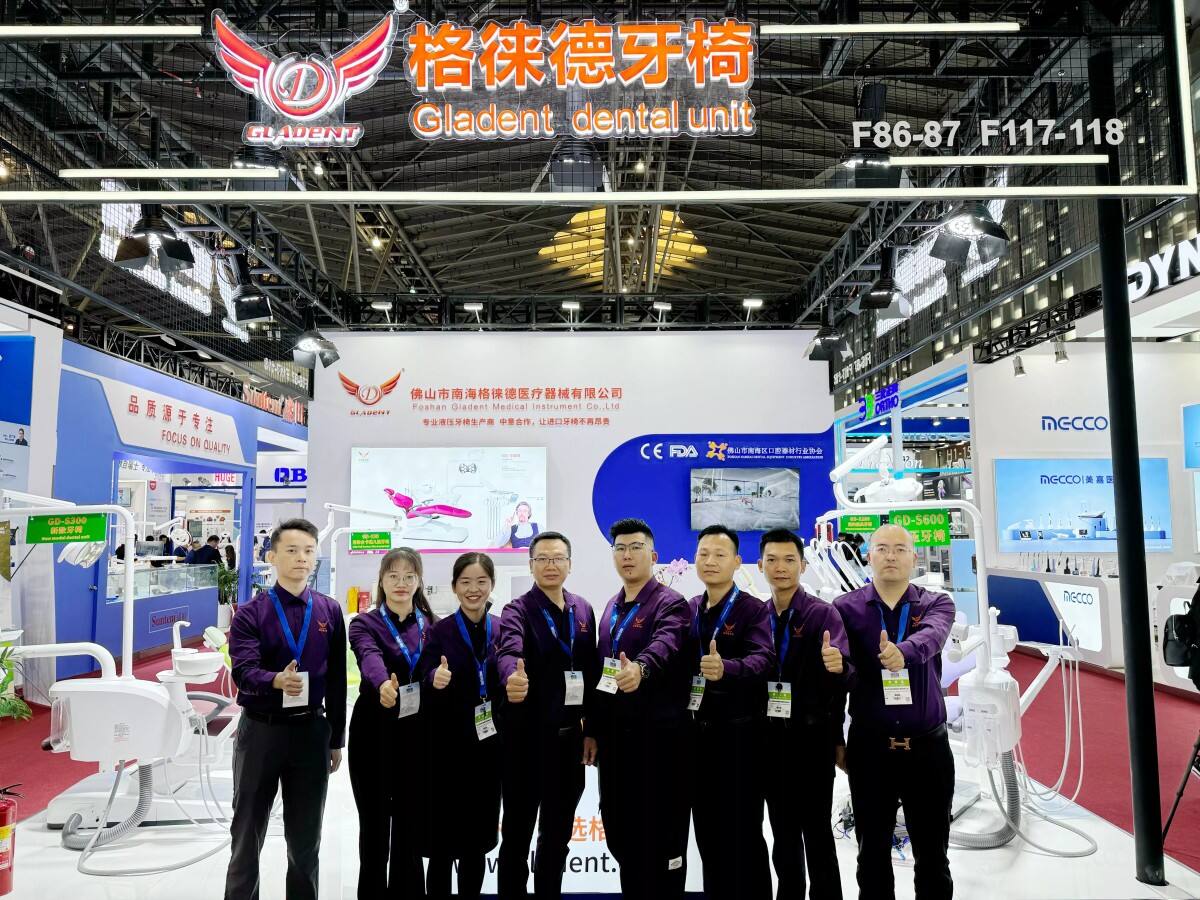
Gladent Medical in DenTech 2024 in Shanghai

27

Aug

Gladent Medical in DenTech 2024 in Shanghai

View More
Innovation Journey - GLADENT Dental Chairs: [The 30th South China International Dental Exhibition 2025 Concludes Successfully]

27

Aug

Innovation Journey - GLADENT Dental Chairs: [The 30th South China International Dental Exhibition 2025 Concludes Successfully]

View More
Distribute Women's Day gifts to female employees

28

Aug

Distribute Women's Day gifts to female employees

View More

Get a Free Quote

Our representative will contact you soon.
Email
Mobile
Name
Company Name
Message
0/1000

dental device with touch screen

Revolutionary Intuitive Interface That Transforms Clinical Workflows

Revolutionary Intuitive Interface That Transforms Clinical Workflows

The dental device with touch screen features a revolutionary interface design that fundamentally changes how dental professionals interact with their equipment throughout the workday. Unlike conventional dental devices that require practitioners to memorize complex button combinations or navigate through confusing menu structures, the touch screen interface presents all options visually and logically. Dental professionals can simply tap, swipe, or pinch the screen to access the exact function they need, creating a natural, smartphone-like experience that feels immediately familiar. This intuitive design significantly reduces the cognitive load on practitioners, allowing them to focus their mental energy on patient care rather than equipment operation. The visual layout of the dental device with touch screen typically organizes functions into clearly labeled categories with recognizable icons, making it easy to locate specific tools even during time-sensitive procedures. Many models incorporate customizable home screens, enabling each practitioner to arrange their most frequently used functions for instant access, which further accelerates workflow and eliminates unnecessary steps. The responsive nature of modern touch screens means that commands are executed instantaneously, with no lag between touch input and device response, creating a fluid working experience that keeps pace with clinical demands. Additionally, the dental device with touch screen often includes multi-touch capabilities, allowing practitioners to use familiar gestures like zooming in on radiographic images or scrolling through patient records with two-finger movements. This gestural control feels natural and requires no special training, as most people already use similar interactions with their personal devices daily. The interface also typically features adjustable brightness and contrast settings, ensuring optimal visibility under various lighting conditions found in different operatories. For practices serving diverse communities, many devices offer multi-language support accessible through simple touch selections, making the equipment accessible to practitioners and staff members from different linguistic backgrounds. The dental device with touch screen eliminates the frustration of worn-out buttons or broken knobs that plague traditional equipment, as the solid-state touch interface has no moving parts to fail or degrade over time. This reliability translates to consistent performance and reduced downtime, ensuring that practitioners can depend on their equipment during critical procedures. The learning curve for new team members is remarkably short, often requiring just a brief orientation session rather than extensive training programs, which saves valuable time and resources while accelerating staff integration into clinical workflows.
Comprehensive Integration Capabilities That Unify Your Entire Practice

Comprehensive Integration Capabilities That Unify Your Entire Practice

One of the most valuable aspects of the dental device with touch screen is its exceptional ability to integrate seamlessly with other systems throughout the dental practice, creating a unified digital ecosystem that enhances efficiency and data accuracy. Modern dental device with touch screen models feature advanced connectivity options including Wi-Fi, Bluetooth, and wired network connections that enable them to communicate effortlessly with practice management software, digital imaging systems, and other clinical equipment. This integration eliminates the need for manual data entry across multiple systems, dramatically reducing the risk of transcription errors and saving countless hours of administrative work. When the dental device with touch screen connects to your practice management system, patient information flows automatically between platforms, ensuring that demographic details, treatment histories, and appointment schedules are always current and accessible exactly when needed. Dental professionals can retrieve patient records directly from the touch screen interface without leaving the operatory, maintaining their focus on the patient while accessing complete clinical information. The integration extends to digital imaging systems, allowing radiographs and intraoral photographs to be displayed instantly on the dental device with touch screen for immediate review and patient education. This real-time image access eliminates the delays associated with traditional film processing or transferring digital files between separate systems, accelerating diagnosis and treatment planning. Many devices also support integration with digital impression systems, CAD CAM equipment, and laboratory management platforms, creating smooth workflows for restorative procedures and prosthetic fabrication. The dental device with touch screen often includes cloud connectivity features, enabling secure off-site backup of clinical data and facilitating collaboration with specialists or laboratory technicians who can access relevant information remotely. This connectivity proves invaluable for complex cases requiring multidisciplinary input, as all parties can review the same information simultaneously regardless of their physical location. Furthermore, the integration capabilities support comprehensive reporting functions, allowing practice administrators to generate detailed analytics about productivity, treatment acceptance rates, and equipment utilization directly from the dental device with touch screen interface. These insights enable data-driven decision-making that can significantly improve practice profitability and operational efficiency. The devices typically comply with healthcare data standards and regulations, ensuring that all information exchange occurs through secure, encrypted channels that protect patient privacy and maintain HIPAA compliance. Updates and new features can often be deployed across integrated systems simultaneously through the dental device with touch screen, ensuring that all components of the practice technology infrastructure remain synchronized and current. This comprehensive integration ultimately creates a cohesive digital environment where information flows smoothly, redundant tasks are eliminated, and clinical teams can collaborate effectively to deliver exceptional patient care.

Enhanced Patient Engagement Through Visual Communication Excellence

Enhanced Patient Engagement Through Visual Communication Excellence

The dental device with touch screen excels at transforming patient education and engagement through powerful visual communication capabilities that help people truly understand their oral health conditions and treatment options. Traditional explanations relying solely on verbal descriptions often fail to convey the complexity of dental issues, leaving patients confused or uncertain about recommended treatments. The dental device with touch screen addresses this challenge by providing vivid, easily comprehensible visual presentations that make even complex dental concepts accessible to patients with no medical background. High-resolution displays render radiographs, intraoral photographs, and 3D models with exceptional clarity, allowing patients to see exactly what the dentist sees when examining their teeth and gums. This shared visual experience creates a collaborative atmosphere where patients feel like active participants in their care rather than passive recipients of services. Dental professionals can use the touch screen to zoom in on specific areas of concern, highlight particular features, and draw annotations directly on images to illustrate problems and proposed solutions. Many dental device with touch screen models include extensive libraries of educational animations and videos that demonstrate common procedures, explain oral hygiene techniques, and illustrate the progression of untreated dental conditions. These multimedia resources can be accessed instantly through the touch interface and displayed in formats that resonate with different learning styles, ensuring that every patient receives information in a way they can understand and remember. The visual communication enabled by the dental device with touch screen has been shown to significantly improve treatment acceptance rates, as patients who clearly understand their conditions and the benefits of proposed treatments are more likely to proceed with recommended care. The devices also facilitate before-and-after comparisons by allowing side-by-side display of images taken at different appointments, providing powerful visual evidence of treatment success or disease progression. This capability proves particularly valuable for motivating patients to maintain preventive care routines and follow through with treatment plans. The dental device with touch screen often includes features for capturing and displaying live video feeds from intraoral cameras, enabling real-time patient education during examinations as the practitioner explores different areas of the mouth. Patients can watch the screen and ask questions immediately as concerns are identified, creating interactive educational moments that deepen understanding and build confidence in the treatment team. For pediatric patients, many devices offer child-friendly content and gamification features that make dental visits less intimidating and more enjoyable, helping establish positive associations with dental care from an early age. The dental device with touch screen also supports family involvement in treatment decisions by allowing multiple people to view the screen simultaneously during consultations, ensuring that all stakeholders understand the situation and can participate in discussions. The visual communication capabilities extend beyond the clinical setting, as many devices enable easy export of images and educational materials that patients can take home, share with family members, or review before making treatment decisions. This extended engagement reinforces key messages and helps patients retain important information about their oral health long after leaving the practice.