Autoclave Dental Machine: Professional Sterilization Equipment for Modern Dental Practices

EN EN

Call Us:+86-757-81267151

autoclave dental machine

An autoclave dental machine represents an essential sterilization device that dental practices rely upon to maintain the highest standards of infection control and patient safety. This sophisticated equipment uses pressurized steam at elevated temperatures to eliminate all forms of microbial life, including bacteria, viruses, fungi, and spores from dental instruments and equipment. The autoclave dental machine operates by creating a sealed chamber where steam penetrates every surface of the instruments placed inside, ensuring complete sterilization that meets stringent healthcare regulations. Modern autoclave dental machine models incorporate advanced monitoring systems that track temperature, pressure, and cycle duration to guarantee optimal sterilization results every time. The main functions of this critical equipment include pre-vacuum cycles that remove air from the chamber, sterilization phases where instruments are exposed to steam at approximately 121 to 134 degrees Celsius, and drying cycles that eliminate moisture before instruments are removed. Technological features of contemporary autoclave dental machine units include digital displays that provide real-time information about cycle progress, automatic door locking mechanisms for safety, integrated printers that document sterilization records for compliance purposes, and programmable cycles tailored to different instrument types. These machines accommodate various load sizes, from small handpieces to larger surgical instruments, making them versatile solutions for practices of all sizes. The applications of an autoclave dental machine extend across all dental specialties, sterilizing handpieces, burs, mirrors, explorers, scalers, forceps, and surgical instruments used in general dentistry, orthodontics, periodontics, endodontics, and oral surgery. Environmental sustainability features include water recycling systems and energy-efficient heating elements that reduce operational costs while maintaining sterilization effectiveness. The reliability of an autoclave dental machine directly impacts practice workflow, as properly sterilized instruments must be available for every patient appointment. Quality autoclave dental machine models provide consistent performance over years of daily use, supported by comprehensive warranty programs and technical support networks that minimize downtime and ensure continuous operation.

New Product Releases

Investing in a quality autoclave dental machine delivers numerous practical benefits that directly impact your practice operations and patient confidence. First and foremost, this equipment provides absolute peace of mind by eliminating 100 percent of harmful microorganisms from your dental instruments, protecting both patients and staff from cross-contamination risks. Unlike chemical sterilization methods that may leave residues or require lengthy exposure times, an autoclave dental machine completes thorough sterilization in typically 15 to 30 minutes, allowing instruments to be quickly returned to service during busy practice hours. The cost-effectiveness of owning an autoclave dental machine becomes apparent when you calculate the expense of disposable instruments versus reusable tools that can be sterilized hundreds of times without degradation. Energy-efficient models reduce utility bills while delivering consistent results, and many units feature eco-friendly designs that minimize water consumption and environmental impact. The user-friendly operation of modern autoclave dental machine systems means your staff can easily manage sterilization protocols without extensive training, as intuitive touchscreen interfaces guide operators through each cycle with clear instructions and visual feedback. Automated documentation features save valuable administrative time by generating printable records that satisfy regulatory compliance requirements and provide verifiable proof of sterilization for audits and patient inquiries. The versatility of an autoclave dental machine allows you to sterilize diverse instrument types in a single device, eliminating the need for multiple sterilization systems and conserving valuable space in your sterilization area. Reliability stands as perhaps the most significant advantage, as dependable sterilization equipment ensures your practice maintains uninterrupted operations without delays caused by equipment failures or inconsistent results. Patient trust grows when they observe your commitment to safety protocols, and many practices display sterilization certificates or allow patients to see the autoclave dental machine in action, demonstrating transparency about infection control measures. The speed at which an autoclave dental machine processes instrument loads enables efficient turnover between appointments, supporting higher patient volume without compromising safety standards. Maintenance requirements remain minimal with quality units, typically involving simple tasks like replacing door seals annually and descaling water reservoirs periodically, making long-term ownership straightforward and affordable. The durability of professional-grade autoclave dental machine construction ensures years of reliable service, with stainless steel chambers resisting corrosion and maintaining structural integrity through thousands of sterilization cycles. Advanced safety features including automatic pressure release, overheat protection, and low-water sensors prevent accidents and equipment damage, protecting your investment while ensuring operator safety. The flexibility to customize cycle parameters allows you to optimize sterilization for specific instrument materials, whether sterilizing heat-sensitive items at lower temperatures or processing heavily soiled surgical instruments with extended cycles.

Tips And Tricks

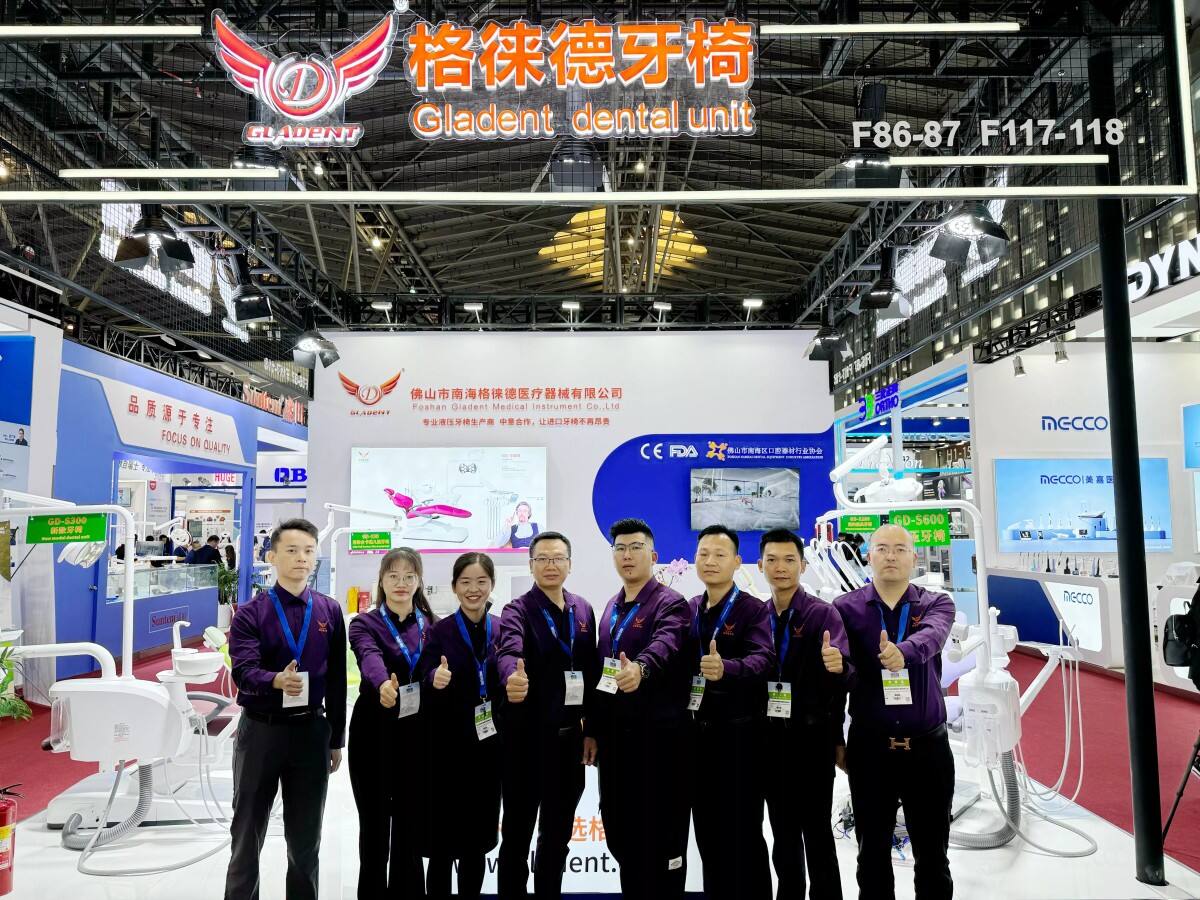
Gladent Medical in DenTech 2024 in Shanghai

27

Aug

Gladent Medical in DenTech 2024 in Shanghai

View More
Innovation Journey - GLADENT Dental Chairs: [The 30th South China International Dental Exhibition 2025 Concludes Successfully]

27

Aug

Innovation Journey - GLADENT Dental Chairs: [The 30th South China International Dental Exhibition 2025 Concludes Successfully]

View More
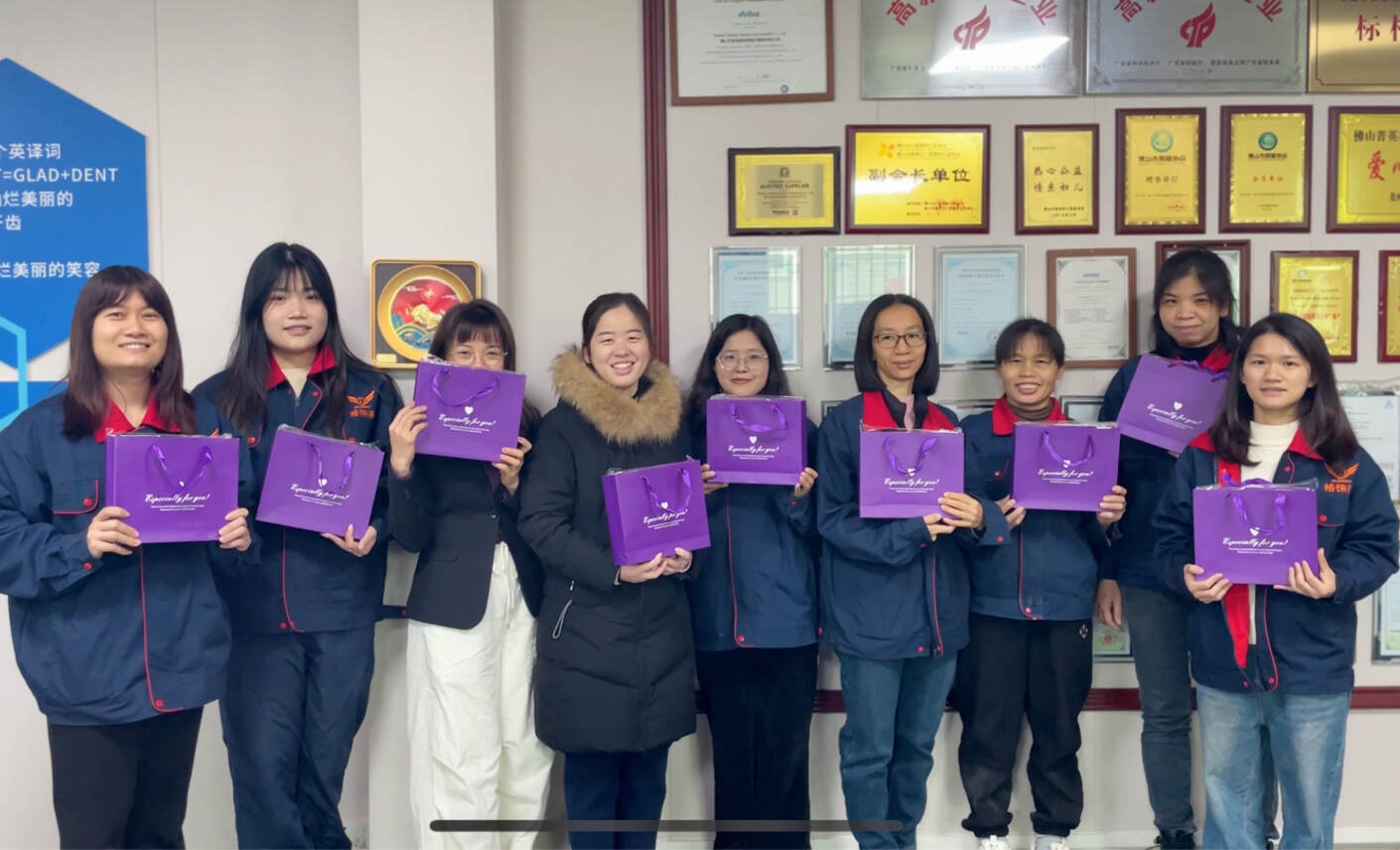
Distribute Women's Day gifts to female employees

28

Aug

Distribute Women's Day gifts to female employees

View More

Get a Free Quote

Our representative will contact you soon.
Email
Mobile
Name
Company Name
Message
0/1000

autoclave dental machine

Rapid Sterilization Cycles That Enhance Practice Efficiency

Rapid Sterilization Cycles That Enhance Practice Efficiency

The exceptional cycle speed of a modern autoclave dental machine transforms how dental practices manage their daily workflows and instrument turnover. Traditional sterilization methods often created bottlenecks in practice operations, forcing staff to maintain large instrument inventories or experience delays between patient appointments. Contemporary autoclave dental machine technology solves these challenges through optimized heating systems that achieve sterilization temperatures rapidly and maintain precise control throughout the entire cycle. Advanced insulation materials reduce heat loss, while powerful heating elements bring the chamber to operating temperature in minutes rather than the extended warm-up periods required by older equipment. The practical impact of faster cycles means that instruments used in morning appointments can be cleaned, sterilized, and ready for afternoon patients without requiring duplicate instrument sets for every procedure. This efficiency translates directly into cost savings, as practices can operate effectively with smaller instrument inventories while maintaining the ability to handle unexpected emergencies or schedule adjustments. The quick turnaround provided by an efficient autoclave dental machine also supports same-day repair scenarios, where a handpiece or specialized instrument needs immediate sterilization to complete treatment for a patient already in the chair. Sophisticated control systems monitor every phase of the sterilization process, automatically adjusting steam injection, pressure maintenance, and drying duration to ensure complete sterilization without wasting time on unnecessarily extended cycles. Practices that invest in high-performance autoclave dental machine models report significant improvements in staff productivity, as technicians spend less time waiting for sterilization cycles to complete and more time on other essential tasks. The reliability of rapid cycles also reduces stress on practice schedules, providing predictable instrument availability that supports smooth patient flow throughout the day. Energy efficiency complements speed in modern designs, as shorter cycles consume less electricity and water while delivering the same thorough sterilization that longer cycles provided in previous generations of equipment. The combination of speed and thoroughness represents a technological achievement that directly benefits practice profitability by enabling higher patient volumes without additional equipment investment or staff increases. Patient satisfaction improves when appointments begin on time without delays caused by instrument availability issues, and the confidence that comes from knowing every instrument has been properly sterilized enhances the overall quality of care your practice delivers.
Advanced Monitoring and Documentation for Complete Compliance Assurance

Advanced Monitoring and Documentation for Complete Compliance Assurance

Regulatory compliance and quality assurance represent critical concerns for every dental practice, and a sophisticated autoclave dental machine addresses these requirements through comprehensive monitoring and documentation capabilities. Built-in sensors continuously measure temperature, pressure, and cycle duration, comparing actual performance against programmed parameters to verify that each sterilization cycle achieves the conditions necessary for complete microbial elimination. Real-time displays provide immediate visual confirmation that the autoclave dental machine is operating correctly, alerting operators to any deviations that might compromise sterilization effectiveness. These monitoring systems go beyond simple temperature gauges, incorporating multiple redundant sensors that cross-check each other to detect any malfunction before it affects sterilization quality. When cycles complete successfully, the autoclave dental machine automatically generates documentation that includes cycle number, date, time, temperature achieved, pressure reached, cycle duration, and operator identification. This comprehensive record-keeping satisfies requirements from health departments, accreditation organizations, and professional liability insurers who demand verifiable proof of proper sterilization protocols. Many advanced autoclave dental machine models include network connectivity that automatically uploads sterilization records to practice management software or cloud storage systems, creating permanent archives that remain accessible for years without physical storage requirements. The value of this documentation extends beyond compliance, providing practice managers with data to track equipment performance over time, identify maintenance needs before failures occur, and demonstrate quality assurance during practice valuations or sales. Biological indicator compatibility represents another crucial monitoring feature, as the autoclave dental machine accommodates test strips containing resistant bacterial spores that provide the gold standard for sterilization verification. Regular biological monitoring, combined with the autoclave dental machine's electronic records, creates a comprehensive quality assurance program that protects patients, satisfies regulators, and provides legal protection in the unlikely event of infection control questions. User-friendly interfaces make accessing historical records simple, with touchscreen navigation allowing staff to quickly retrieve specific cycle information or generate summary reports for audit purposes. Alert systems notify operators when routine maintenance becomes due, ensuring the autoclave dental machine continues operating at peak performance and preventing small issues from developing into costly repairs or sterilization failures. The peace of mind that comes from having complete, automatic documentation cannot be overstated, as practice owners can confidently demonstrate their commitment to patient safety with concrete evidence rather than relying on verbal assurances or incomplete manual records.
Versatile Capacity and Customizable Programs for Diverse Instrument Needs

Versatile Capacity and Customizable Programs for Diverse Instrument Needs

The remarkable versatility of a well-designed autoclave dental machine accommodates the diverse sterilization requirements that dental practices encounter daily, from delicate endodontic files to robust surgical forceps. Chamber configurations vary to match practice needs, with compact units fitting seamlessly into smaller sterilization areas while larger capacity models handle the instrument volumes required by busy multi-doctor practices or specialty clinics. Removable tray systems maximize chamber utilization, allowing instruments to be organized efficiently and ensuring steam reaches every surface regardless of load density. The flexibility to sterilize wrapped instrument cassettes, pouched individual items, or unwrapped instruments in quick cycles makes an autoclave dental machine adaptable to various workflow preferences and procedural requirements. Programmable cycle options represent a significant advantage, as different instrument materials and contamination levels benefit from customized sterilization parameters. Heat-sensitive items like some plastic components tolerate lower-temperature cycles, while heavily soiled surgical instruments require extended exposure at higher temperatures. An advanced autoclave dental machine stores multiple pre-programmed cycles that operators select with a single touch, eliminating guesswork and ensuring consistent results regardless of which team member performs the sterilization. The ability to create custom programs allows practices to optimize sterilization for their specific instrument mix, balancing thoroughness with cycle speed to maximize efficiency without compromising safety. Specialized cycles for handpiece sterilization address the unique challenges these expensive instruments present, providing the thorough sterilization required while protecting internal mechanisms from excessive heat or moisture exposure. Load sensing technology in premium autoclave dental machine models automatically adjusts cycle parameters based on the volume and density of instruments loaded, ensuring adequate steam penetration for small loads without wasting energy on unnecessarily intense cycles. The convenience of versatile sterilization extends to emergency situations, where rapid unwrapped cycles enable immediate instrument reprocessing when unexpected clinical needs arise during patient treatment. Practices that perform oral surgery, implant placement, or other specialized procedures particularly value autoclave dental machine versatility, as these services generate diverse instrument types requiring different sterilization approaches. The investment in a capable autoclave dental machine eliminates the need for multiple sterilization devices, consolidating infection control into a single reliable system that handles everything from routine prophylaxis instruments to complex surgical kits with equal effectiveness.