Advanced Pediatric Dental Device Solutions for Superior Children's Oral Care

EN EN

Call Us:+86-757-81267151

pediatric dental device

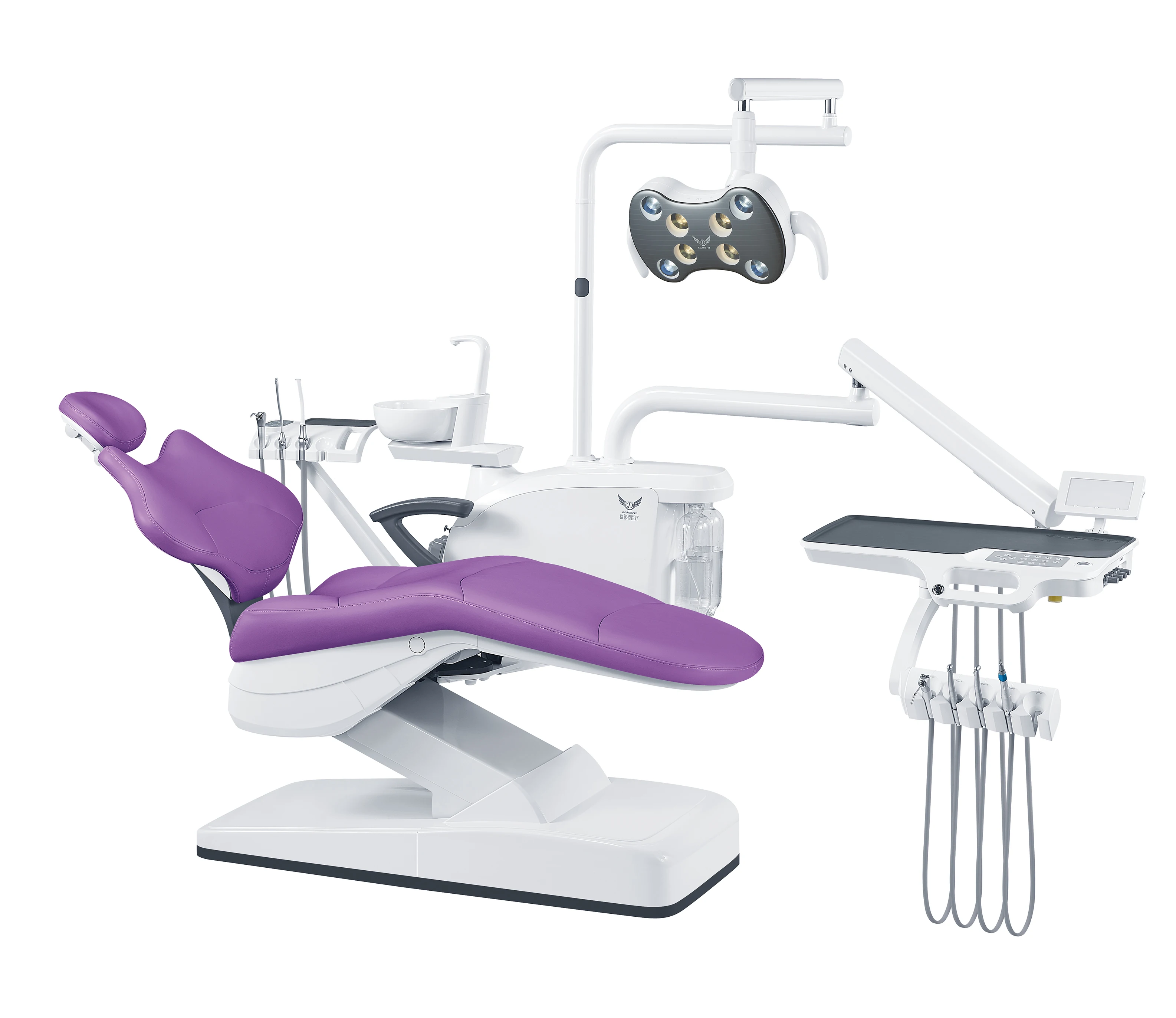
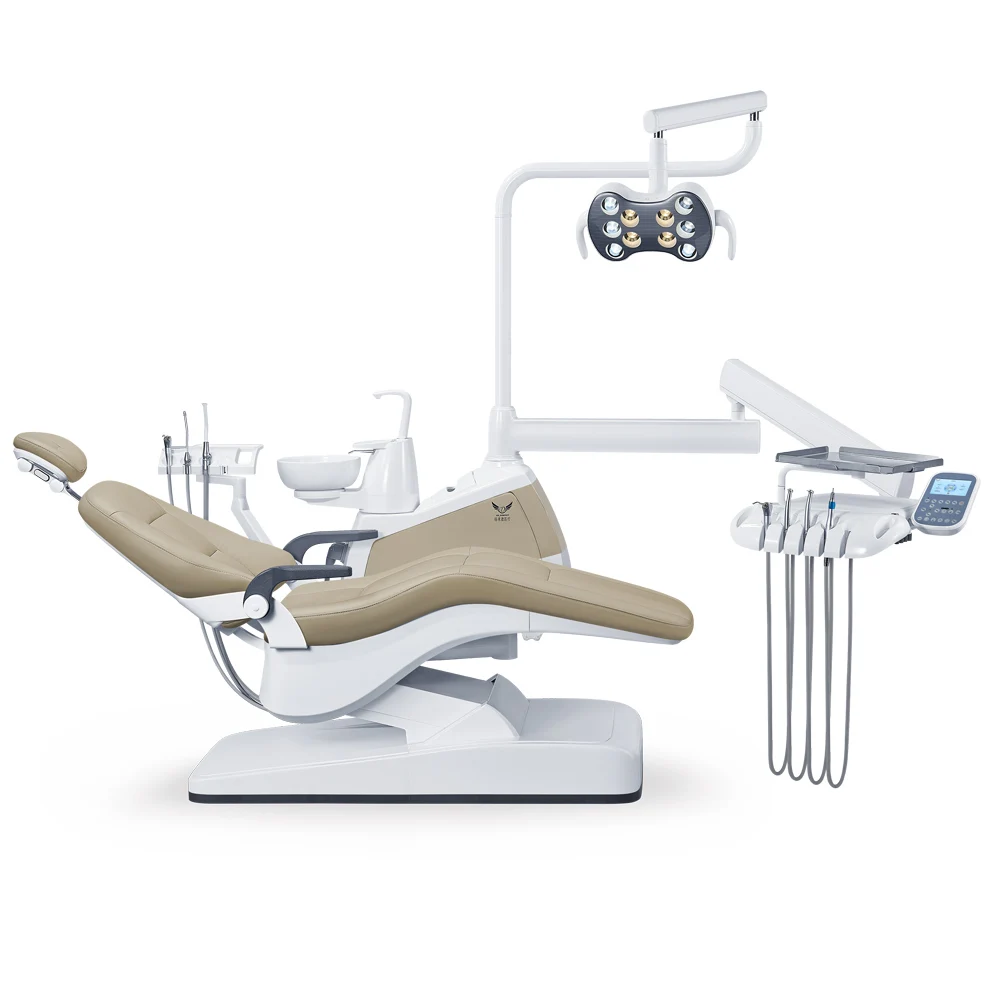
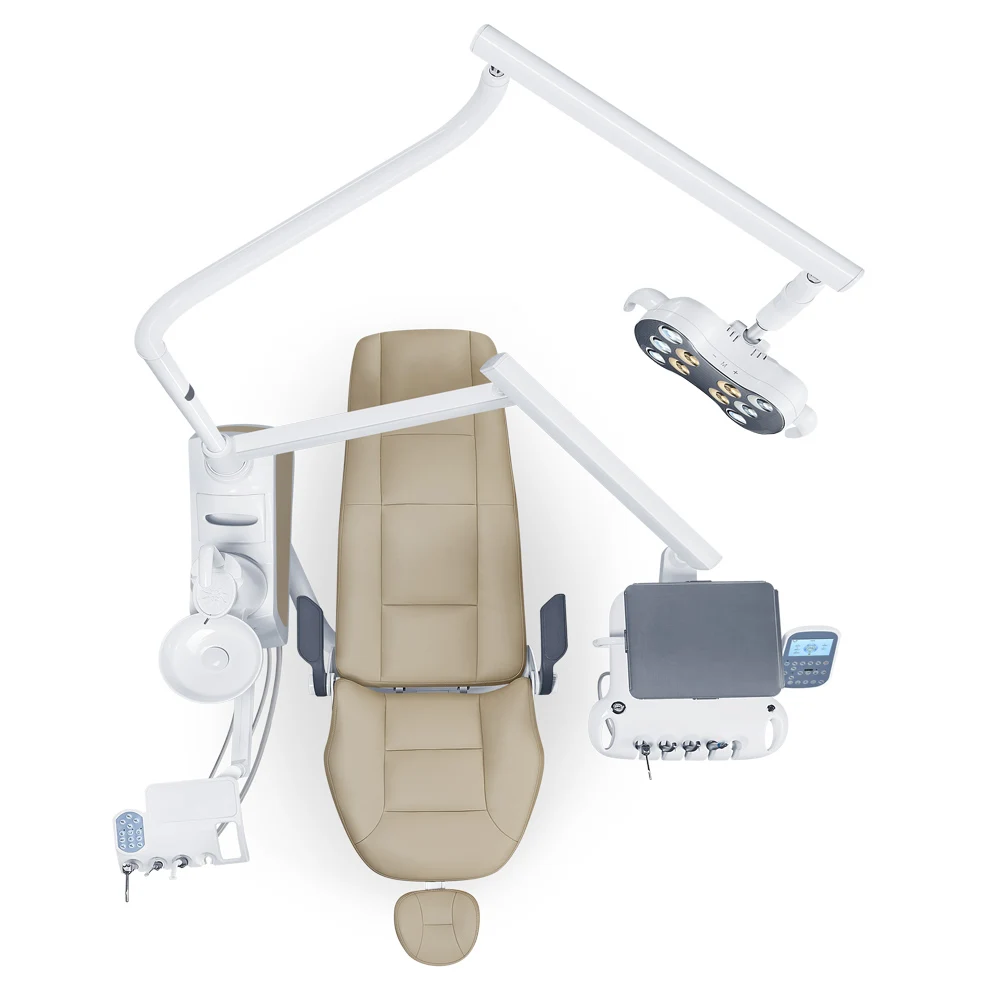
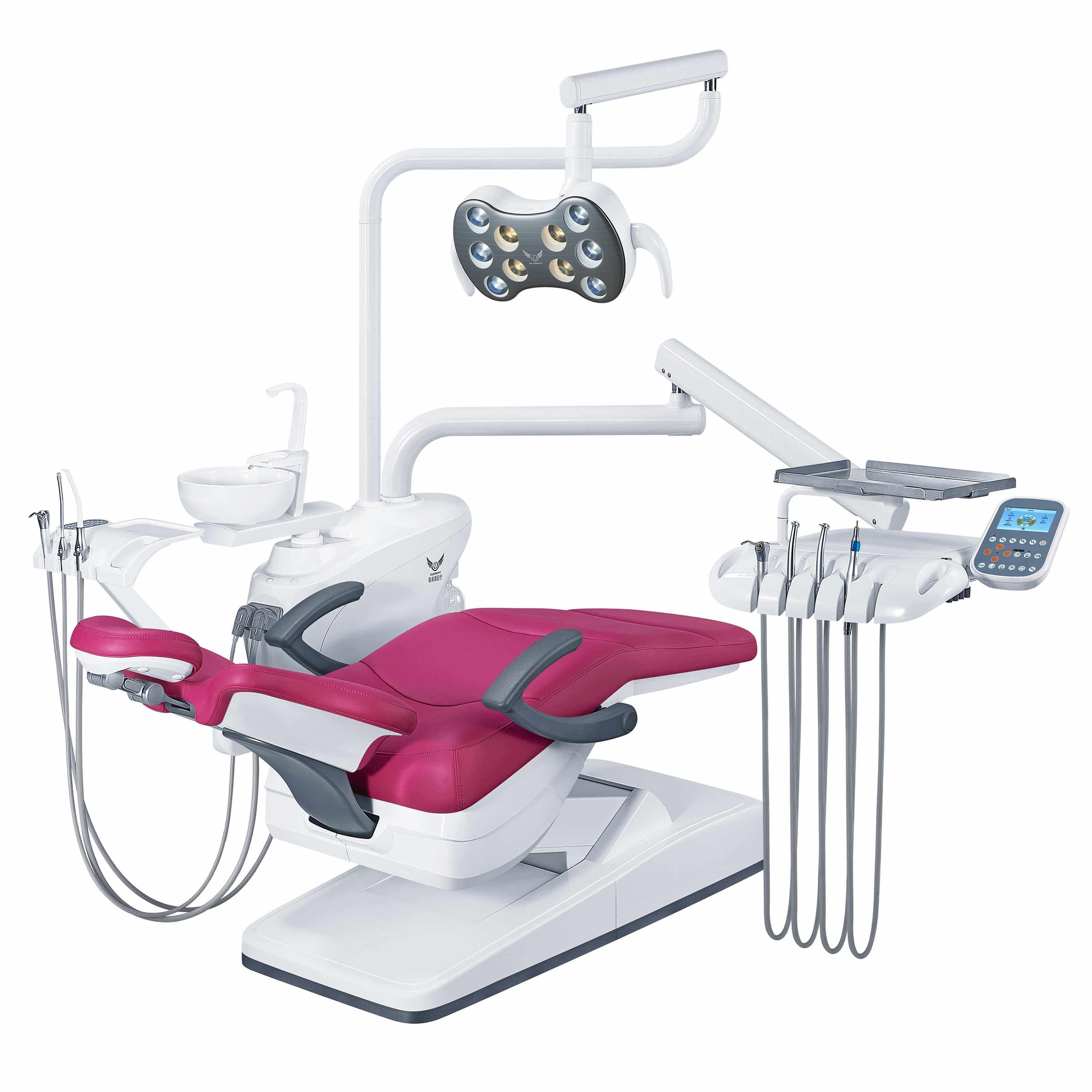
A pediatric dental device represents specialized equipment designed specifically for treating children's oral health needs. These innovative tools address the unique anatomical and psychological requirements of young patients, making dental procedures more efficient and comfortable. Modern pediatric dental devices incorporate child-friendly designs that reduce anxiety while delivering precise treatment outcomes. The primary functions of these devices include cavity detection, tooth cleaning, fluoride application, and minor restorative procedures tailored to developing dentition. Advanced pediatric dental devices feature scaled-down components that fit comfortably in smaller mouths, allowing dentists to work with greater accuracy and control. Many models integrate digital imaging capabilities that provide real-time visualization of treatment areas, enabling practitioners to identify issues early and plan interventions effectively. The technological features of contemporary pediatric dental devices often include adjustable power settings that accommodate the sensitivity of primary teeth and developing permanent teeth. Ergonomic handpieces reduce hand fatigue for practitioners during extended procedures, while quiet motor systems minimize the intimidating sounds that often frighten young patients. Some pediatric dental devices incorporate color-coded systems and playful aesthetics that transform the clinical environment into a more welcoming space for children. Applications of these devices span preventive care, diagnostic procedures, and therapeutic interventions across various pediatric age groups. Dental professionals use these tools for routine examinations, sealant applications, early orthodontic assessments, and treatment of dental trauma common in active children. The versatility of modern pediatric dental devices allows practitioners to address multiple conditions without requiring numerous separate instruments, streamlining workflows and reducing treatment time. As dental technology continues advancing, pediatric dental devices increasingly incorporate smart features such as pressure sensors that prevent excessive force application and built-in timers that ensure adequate treatment duration for procedures like fluoride varnish application.


New Products

Choosing the right pediatric dental device transforms how dental practices serve their youngest patients. These specialized tools create positive experiences that encourage children to maintain regular dental visits throughout their lives. The most significant advantage lies in how these devices reduce treatment time while improving outcomes. Children have shorter attention spans and limited patience, so completing procedures quickly prevents fidgeting and anxiety from escalating. Pediatric dental devices accomplish this through efficient designs that allow dentists to work swiftly without compromising quality. Parents appreciate shorter appointments because they minimize disruption to school schedules and family routines. Another major benefit involves the enhanced comfort these devices provide during treatment. Traditional dental equipment often causes discomfort due to improper sizing for small mouths, but pediatric dental devices feature appropriately scaled tips and attachments that navigate tight spaces without causing pain or injury to delicate tissues. This comfort factor dramatically reduces the fear and resistance many children exhibit during dental visits. When children associate dental care with minimal discomfort, they develop healthier attitudes toward oral hygiene that persist into adulthood. The precision offered by modern pediatric dental devices enables dentists to perform conservative treatments that preserve maximum tooth structure. This precision proves especially valuable when working with primary teeth that will eventually fall out naturally, as it allows practitioners to maintain tooth integrity until natural exfoliation occurs. For permanent teeth just emerging in young mouths, this accuracy ensures interventions protect long-term dental health without unnecessary removal of healthy tissue. Safety features built into pediatric dental devices provide peace of mind for both practitioners and parents. Automatic shutoff mechanisms prevent accidental injury, while temperature controls ensure materials applied to teeth remain at safe levels for sensitive young mouths. These safety measures reduce liability concerns for dental practices while demonstrating commitment to child welfare. The educational value of pediatric dental devices should not be overlooked either. Many models include display screens that show children what the dentist sees, turning procedures into learning opportunities about proper oral care. This transparency demystifies dental treatment and empowers children to take ownership of their dental health. Investment in quality pediatric dental devices also enhances practice reputation and patient retention. Word-of-mouth recommendations from satisfied parents whose children had positive experiences become powerful marketing tools that attract new families to the practice.

Latest News

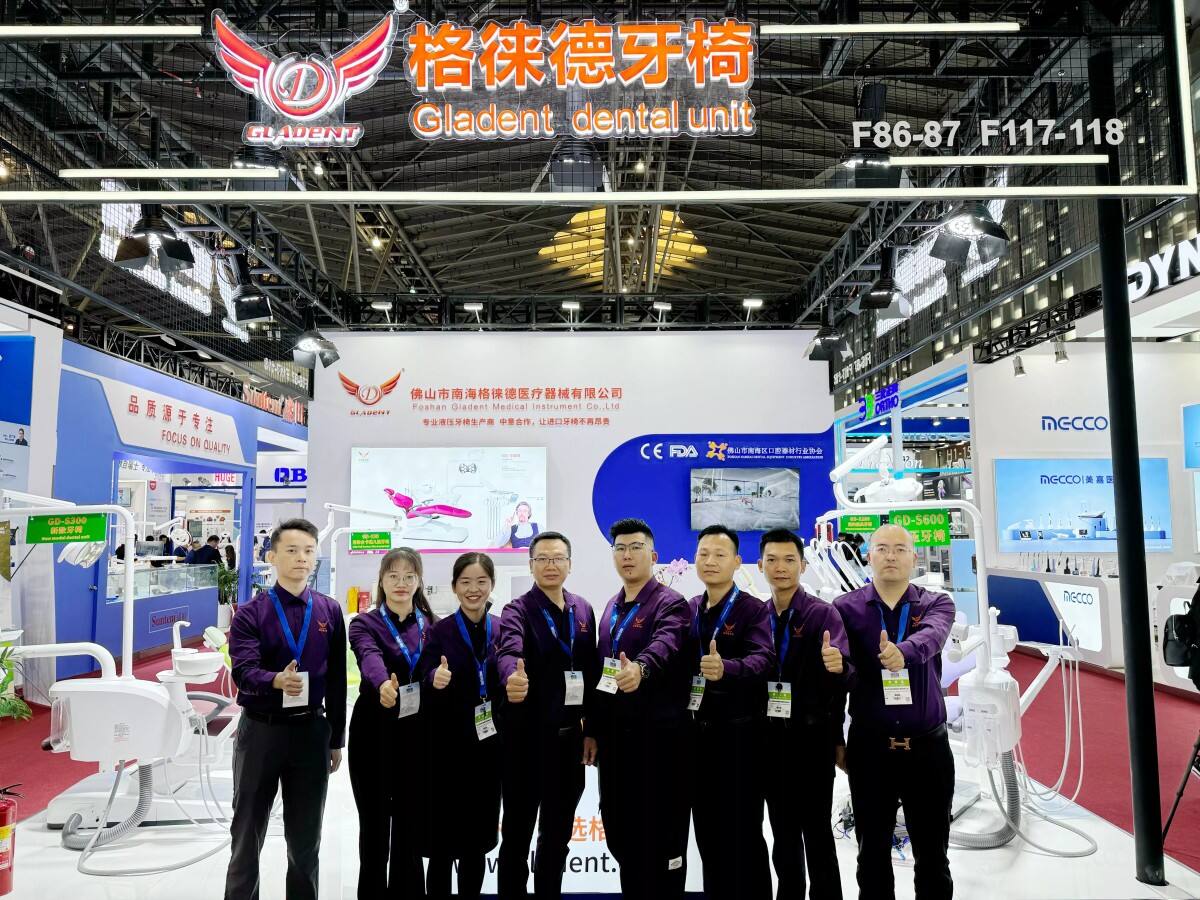
Gladent Medical in DenTech 2024 in Shanghai

27

Aug

Gladent Medical in DenTech 2024 in Shanghai

View More
Innovation Journey - GLADENT Dental Chairs: [The 30th South China International Dental Exhibition 2025 Concludes Successfully]

27

Aug

Innovation Journey - GLADENT Dental Chairs: [The 30th South China International Dental Exhibition 2025 Concludes Successfully]

View More
Distribute Women's Day gifts to female employees

28

Aug

Distribute Women's Day gifts to female employees

View More

Get a Free Quote

Our representative will contact you soon.
Email
Mobile
Name
Company Name
Message
0/1000

pediatric dental device

Child-Centered Design That Eliminates Fear and Anxiety

Child-Centered Design That Eliminates Fear and Anxiety

The psychological impact of dental visits on children cannot be underestimated, and pediatric dental devices address this challenge through thoughtful design elements that transform potentially traumatic experiences into positive encounters. Unlike standard dental equipment that can appear intimidating with its clinical appearance and mechanical sounds, pediatric dental devices incorporate visual and functional features specifically calibrated to put young patients at ease. Bright colors, smooth rounded edges, and compact sizes make these tools less threatening to children who might otherwise feel overwhelmed by the dental environment. The acoustic engineering in modern pediatric dental devices represents a breakthrough in reducing procedure-related anxiety. Traditional dental drills produce high-pitched whining sounds that trigger stress responses in patients of all ages, but especially in children whose fear responses are more easily activated. Manufacturers of pediatric dental devices have invested heavily in sound-dampening technologies that significantly lower operational noise levels, replacing scary mechanical sounds with gentle humming that children find far less distressing. Some advanced models even incorporate pleasant background sounds or music that mask residual equipment noise entirely. The physical ergonomics of pediatric dental devices contribute substantially to comfort during treatment. Smaller handpiece sizes allow dentists to maneuver within confined oral spaces without stretching children's mouths uncomfortably wide or causing jaw fatigue. Lightweight construction means practitioners can work with greater dexterity and precision, reducing the likelihood of accidental tissue contact that might cause pain or bleeding. These ergonomic considerations extend treatment possibilities, enabling dentists to complete more complex procedures in single visits rather than requiring multiple appointments that compound anxiety through repeated exposure. The tactile experience children have with pediatric dental devices also influences their comfort level. Smooth surfaces without sharp edges or rough textures ensure that any contact with lips, cheeks, or tongue feels gentle rather than abrasive. Temperature regulation features prevent the uncomfortable sensations of extreme cold or heat that sometimes occur with standard equipment. By addressing every sensory dimension of the dental experience, these devices help children develop positive associations with dental care that benefit their oral health throughout their lives.
Precision Engineering for Optimal Treatment of Growing Smiles

Precision Engineering for Optimal Treatment of Growing Smiles

The unique challenges of treating pediatric patients demand equipment that accommodates the constantly changing landscape of developing dentition, and pediatric dental devices deliver this adaptability through sophisticated engineering. Children's mouths undergo dramatic transformations as they progress from primary teeth through mixed dentition to permanent teeth, with each stage presenting distinct anatomical characteristics that require specialized approaches. Pediatric dental devices feature adjustable settings and interchangeable components that allow practitioners to customize treatment parameters for each developmental stage. The precision capabilities of these devices prove essential when working with primary teeth, which have thinner enamel and larger pulp chambers compared to permanent teeth. Standard equipment calibrated for adult dentistry can easily penetrate too deeply or remove excessive tooth structure when used on baby teeth. Pediatric dental devices incorporate depth limiters and pressure sensors that prevent over-preparation, ensuring conservative treatment that maintains tooth integrity until natural shedding occurs. This precision becomes even more critical during the mixed dentition phase when primary and permanent teeth coexist, as dentists must apply different techniques to teeth with vastly different structural properties within the same mouth. The diagnostic accuracy enabled by pediatric dental devices with integrated imaging technology allows for early detection of issues that might otherwise progress unnoticed. High-resolution intraoral cameras built into these devices capture detailed images of tooth surfaces, revealing incipient caries, enamel defects, and developmental anomalies in their earliest stages. Early identification means interventions can be minimally invasive, often involving simple remineralization protocols or sealant applications rather than extensive restorations. This proactive approach preserves natural tooth structure and reduces the cumulative burden of dental treatment children experience over their formative years. The versatility of modern pediatric dental devices extends to orthodontic applications as well. Integrated measurement tools facilitate accurate assessments of tooth positioning, jaw relationships, and growth patterns that inform early orthodontic interventions. By identifying alignment issues and bite problems during childhood, practitioners can implement interceptive treatments that guide proper development and potentially reduce or eliminate the need for extensive orthodontic correction later. This comprehensive functionality makes pediatric dental devices valuable across the full spectrum of children's oral health needs.
Enhanced Safety Protocols That Protect Vulnerable Young Patients

Enhanced Safety Protocols That Protect Vulnerable Young Patients

Safety considerations take on heightened importance in pediatric dentistry, where patients may lack the communication skills to express discomfort and possess developing tissues more susceptible to injury than adult counterparts. Pediatric dental devices incorporate multiple layers of safety features that protect children throughout every stage of treatment. Automatic power modulation systems represent one crucial safety innovation, continuously adjusting operational parameters based on real-time feedback about tissue resistance and treatment progress. These intelligent systems prevent the excessive force application that could damage delicate oral structures, automatically reducing speed and pressure when encountering softer tissues or thinner enamel. The fail-safe mechanisms built into pediatric dental devices provide additional protection against equipment malfunction. Redundant safety circuits ensure that if primary control systems experience problems, backup systems immediately halt operation to prevent injury. Thermal sensors monitor temperature continuously, shutting down devices if components exceed safe thresholds that could cause burns to sensitive oral tissues. These protective measures operate invisibly in the background, requiring no conscious intervention from practitioners yet providing constant vigilance against potential hazards. The infection control features of modern pediatric dental devices address the heightened vulnerability of children to cross-contamination. Smooth, non-porous surfaces on handpieces and attachments resist bacterial adhesion and facilitate thorough sterilization between patients. Quick-disconnect fittings allow rapid removal of contaminated components, minimizing the time potentially infectious materials remain in the treatment area. Some advanced pediatric dental devices incorporate antimicrobial materials in their construction that actively inhibit bacterial growth, adding an extra layer of protection for immunocompromised children or those with complex medical conditions. The educational safety features included in many pediatric dental devices teach children proper oral care techniques while demonstrating safe equipment use. Visual displays show children exactly what the dentist is doing, demystifying procedures and reducing the unpredictable movements that can lead to accidental injury. Timer functions ensure treatments last the appropriate duration, preventing both under-treatment that leaves conditions unresolved and over-treatment that could damage healthy tissue. By making safety visible and understandable, these devices help children become active participants in protecting their own oral health rather than passive recipients of care they don't understand.