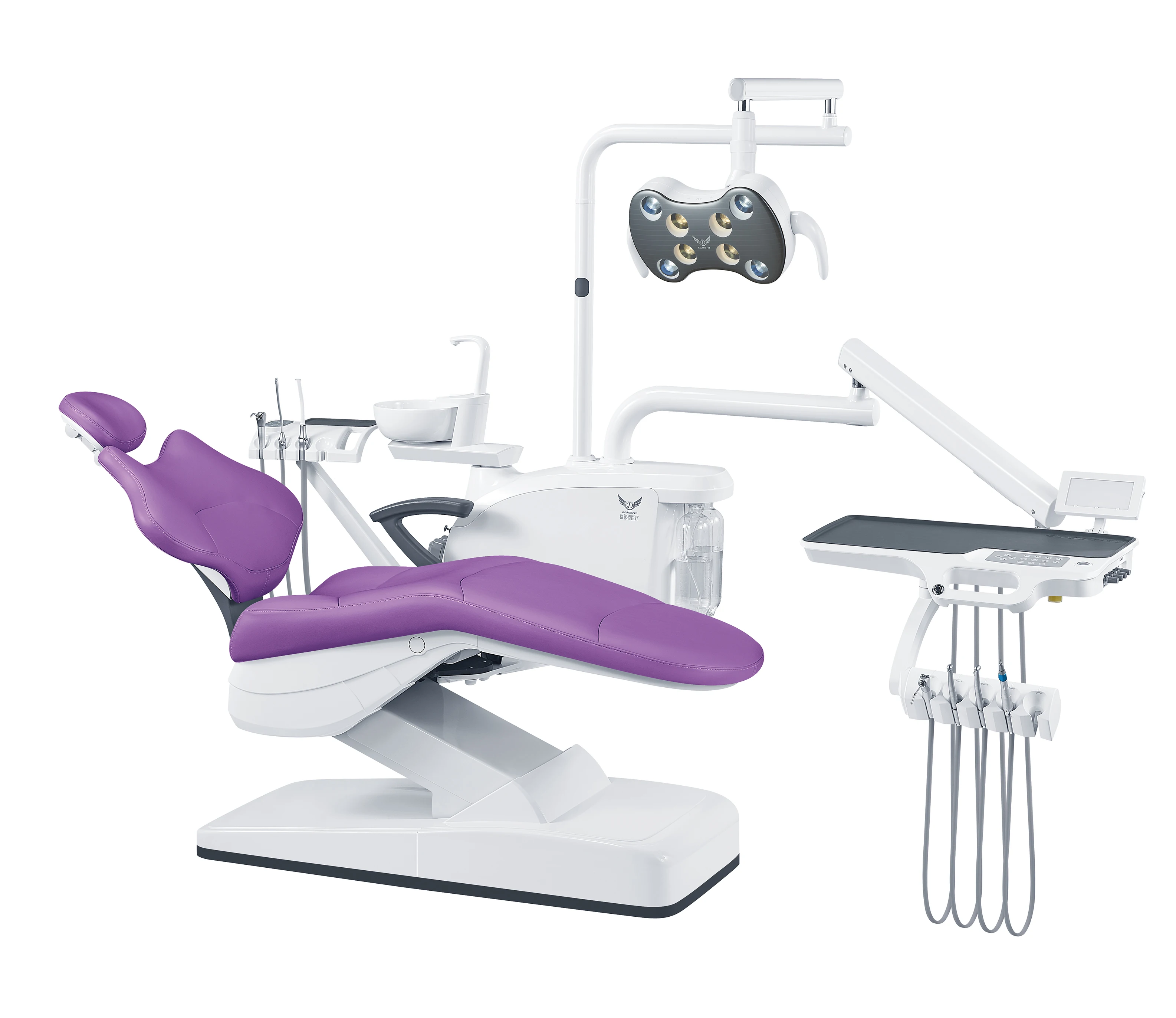
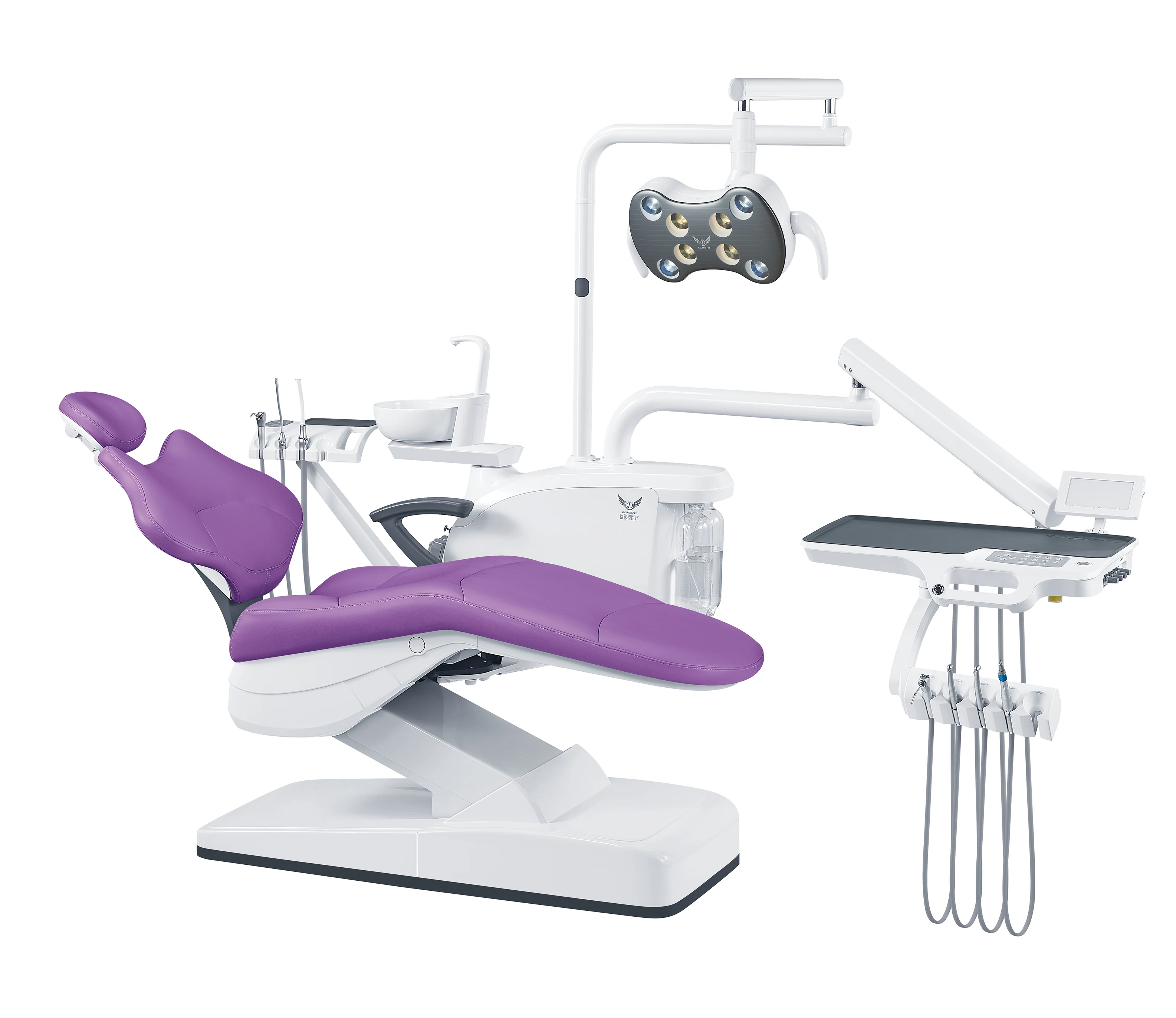
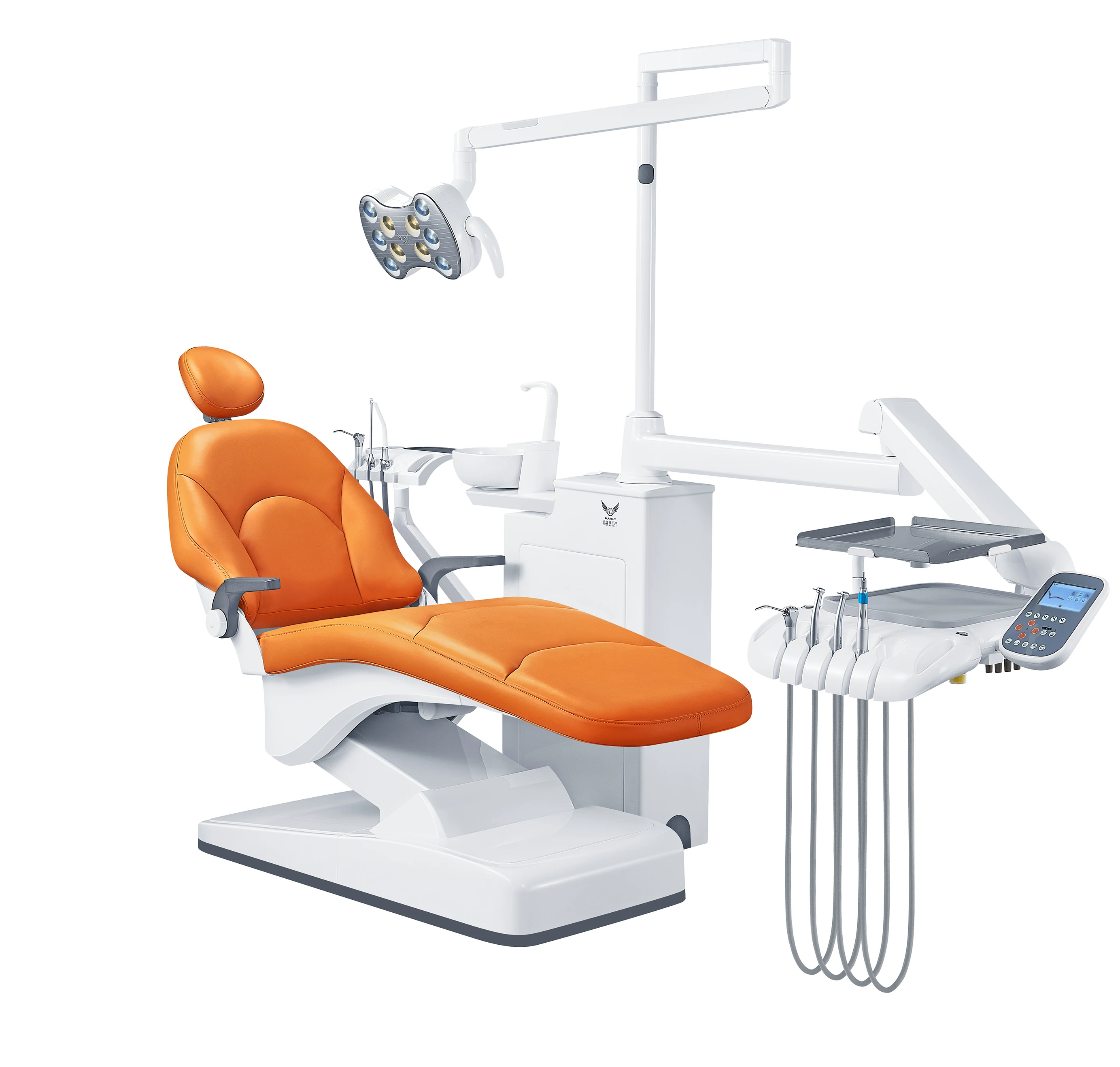
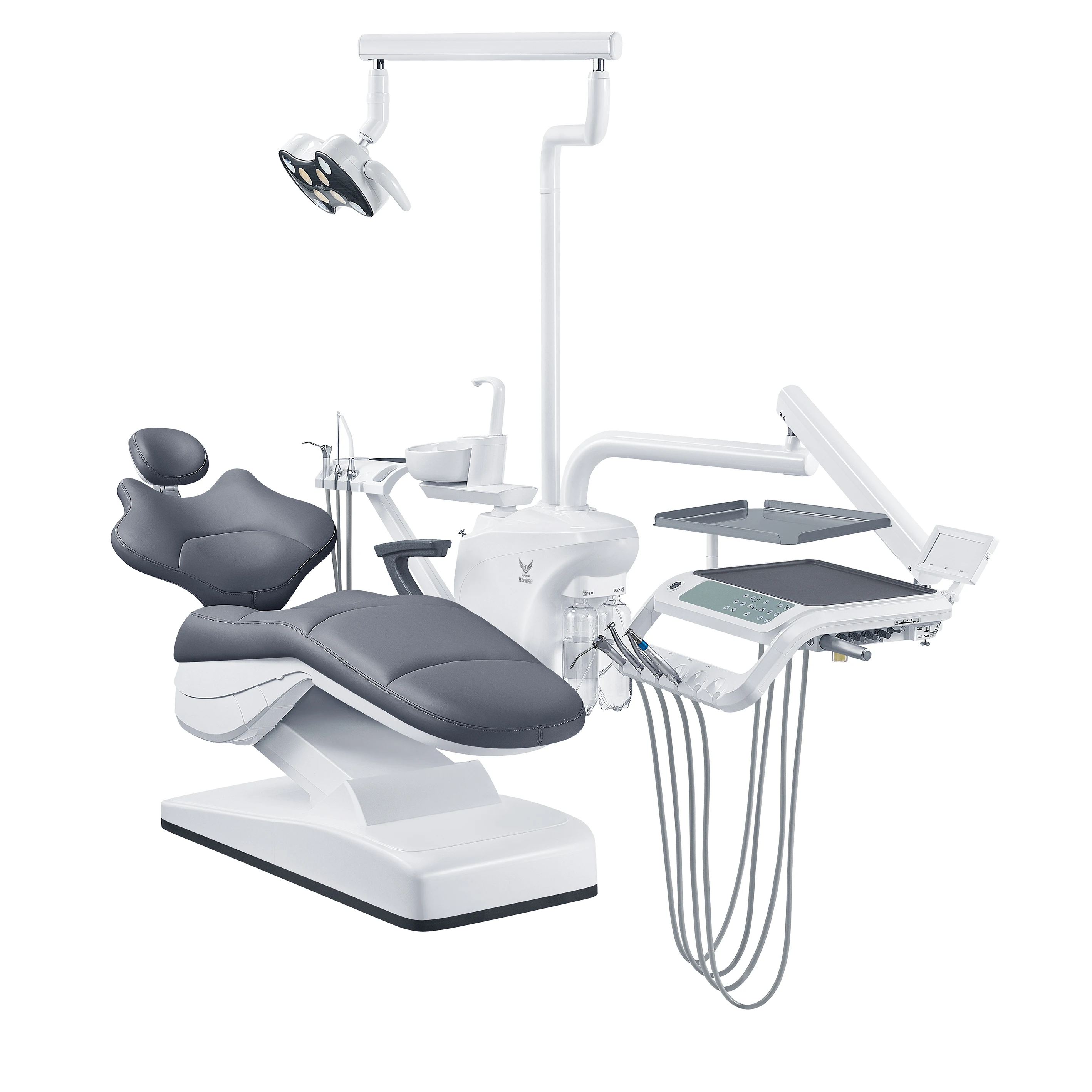
Professional Disinfection Dental Device - Advanced Sterilization Technology for Modern Dental Practices

EN EN

Call Us:+86-757-81267151

disinfection dental device

A disinfection dental device represents a critical component in modern dental practices, designed to eliminate harmful pathogens and ensure the highest standards of hygiene and safety. This specialized equipment uses advanced sterilization technologies to clean dental instruments, surfaces, and equipment between patient treatments. The primary function of a disinfection dental device centers on destroying bacteria, viruses, fungi, and other microorganisms that could potentially cause cross-contamination or infection transmission within clinical settings. These devices employ various methods including chemical disinfection, ultraviolet light exposure, steam sterilization, or combinations of multiple technologies to achieve comprehensive pathogen elimination. Modern disinfection dental devices feature automated cycles that remove human error from the sterilization process, ensuring consistent results with every use. The technological features incorporated into contemporary models include digital control panels, programmable settings for different instrument types, real-time monitoring systems, and documentation capabilities that support compliance with health regulations. Many units offer rapid cycle times, allowing dental practices to maintain efficient workflow without compromising safety standards. The application scope of disinfection dental devices extends across all areas of dental practice, from general dentistry to specialized procedures. These systems process hand instruments, burs, mirrors, scalers, forceps, and other reusable tools that contact patient tissues or bodily fluids. Some advanced models can accommodate larger items such as handpieces, suction tips, and impression trays. The integration of disinfection dental devices into practice protocols represents an essential investment in patient safety, staff protection, and regulatory compliance. These systems support infection control programs by providing verifiable sterilization records, which are increasingly important for accreditation and legal documentation. The effectiveness of a disinfection dental device directly impacts practice reputation, patient confidence, and overall clinical outcomes, making it an indispensable tool in contemporary dental healthcare delivery.

Popular Products

The benefits of implementing a disinfection dental device in your practice extend far beyond basic cleaning capabilities. First and foremost, these systems provide unparalleled protection for both patients and dental staff by eliminating disease-causing organisms that traditional cleaning methods might miss. When you invest in a quality disinfection dental device, you create a safer environment that reduces the risk of infection transmission, which protects your practice from potential liability issues and builds patient trust. Modern units operate with remarkable efficiency, completing thorough sterilization cycles in minutes rather than hours, which means your instruments return to service quickly without creating bottlenecks in your daily schedule. This speed advantage translates directly into increased productivity and the ability to serve more patients without expanding your instrument inventory. The automated nature of contemporary disinfection dental devices removes uncertainty from the sterilization process, delivering consistent results regardless of which team member operates the equipment. You no longer need to worry about variations in technique or oversight that can occur with manual cleaning methods. These devices also offer significant cost savings over time by extending the lifespan of expensive dental instruments through gentle yet effective cleaning that prevents corrosion and damage. The documentation features built into many models automatically generate sterilization records, simplifying compliance with health department regulations and accreditation requirements. This automated record-keeping saves administrative time while providing ironclad proof of proper infection control procedures. Environmental considerations also favor modern disinfection dental devices, as newer models use less water and energy than older systems while achieving superior results. The compact footprint of contemporary units makes them suitable for practices with limited space, and their quiet operation ensures they do not disrupt the clinical environment. Patient perception represents another crucial advantage, as visible commitment to advanced sterilization technology demonstrates your dedication to their wellbeing and can differentiate your practice from competitors. Many patients specifically seek providers who invest in the latest safety equipment, making a disinfection dental device a valuable marketing asset. The versatility of these systems allows you to process various instrument types and materials, eliminating the need for multiple sterilization methods and simplifying your infection control protocols. Training staff on a single, user-friendly disinfection dental device proves easier than maintaining competency across several different sterilization techniques. The reliability of modern units minimizes downtime and repair costs, ensuring your sterilization capacity remains available when you need it most.

Tips And Tricks

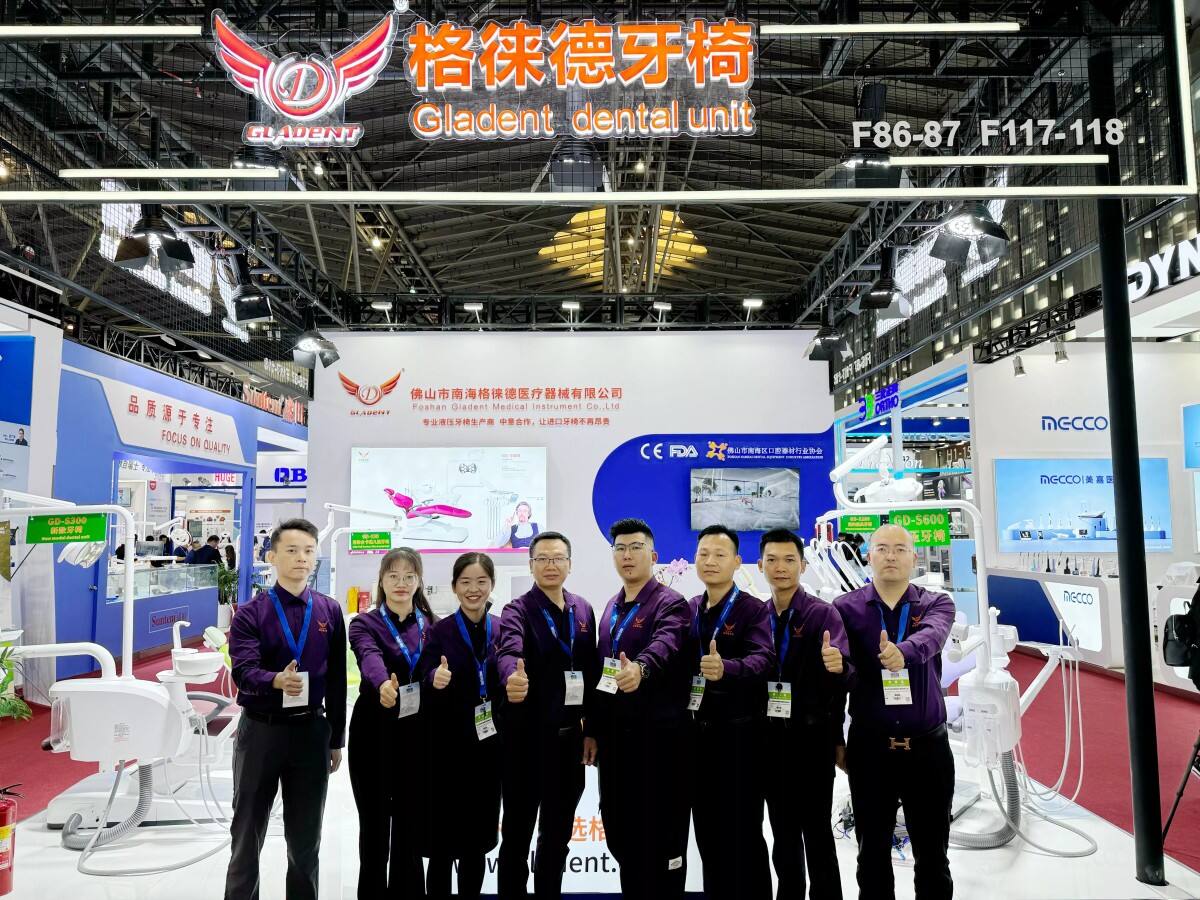
Gladent Medical in DenTech 2024 in Shanghai

27

Aug

Gladent Medical in DenTech 2024 in Shanghai

View More
Innovation Journey - GLADENT Dental Chairs: [The 30th South China International Dental Exhibition 2025 Concludes Successfully]

27

Aug

Innovation Journey - GLADENT Dental Chairs: [The 30th South China International Dental Exhibition 2025 Concludes Successfully]

View More
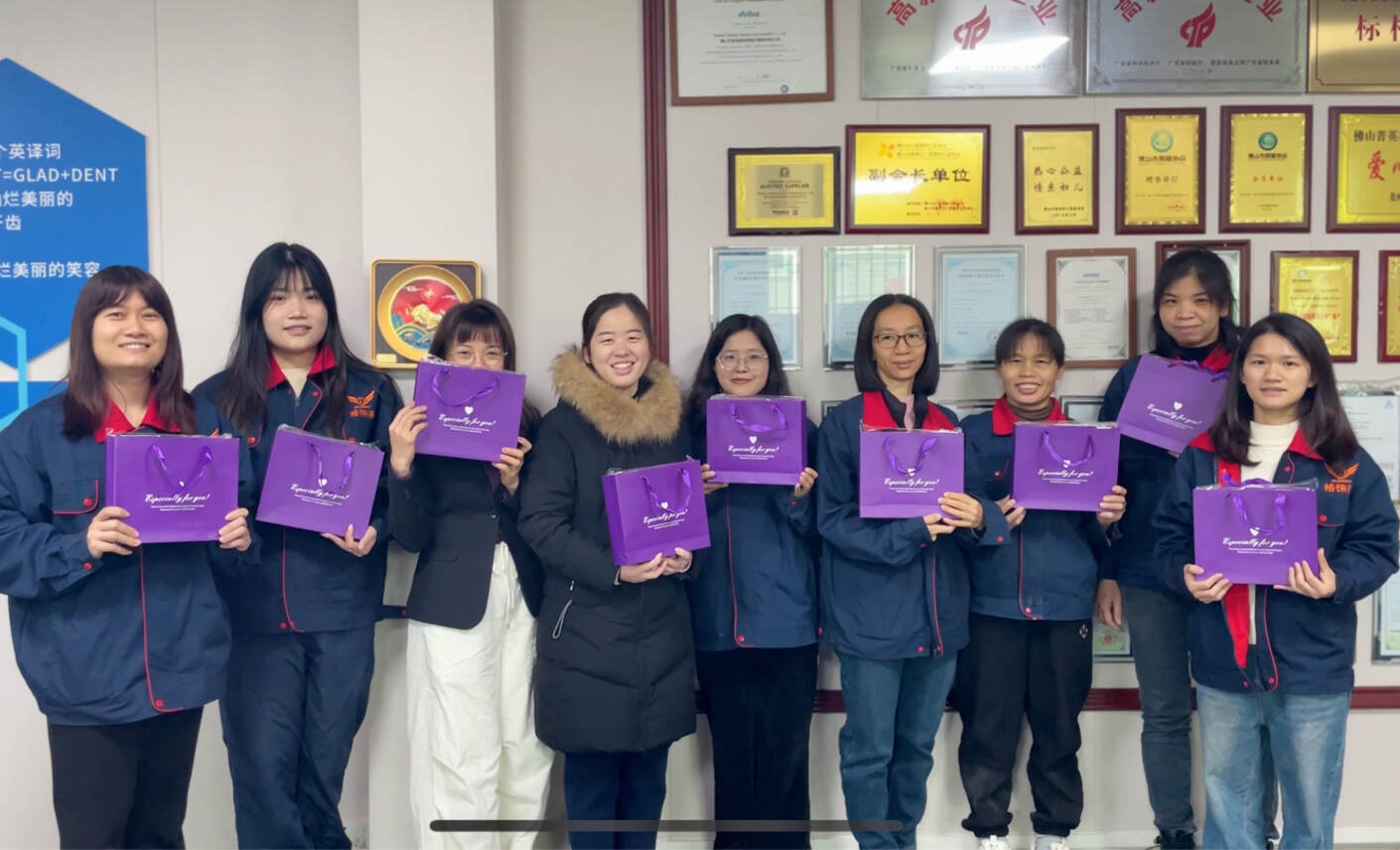
Distribute Women's Day gifts to female employees

28

Aug

Distribute Women's Day gifts to female employees

View More

Get a Free Quote

Our representative will contact you soon.
Email
Mobile
Name
Company Name
Message
0/1000

disinfection dental device

Advanced Multi-Spectrum Sterilization Technology

Advanced Multi-Spectrum Sterilization Technology

The cornerstone feature of modern disinfection dental devices lies in their sophisticated multi-spectrum sterilization technology, which combines several proven pathogen elimination methods into a single streamlined process. Unlike older systems that relied on a single sterilization approach, contemporary disinfection dental devices integrate chemical disinfection with physical processes such as heat, pressure, and ultraviolet radiation to attack microorganisms from multiple angles simultaneously. This comprehensive approach ensures no pathogen can survive through resistance to any single method. The chemical component typically involves EPA-registered high-level disinfectants that break down cellular walls and denature proteins in bacteria, viruses, and fungi. Meanwhile, the physical processes create hostile environments where microorganisms cannot maintain their structural integrity. The synergy between these methods achieves sterilization levels that exceed what any single technology could accomplish alone. Modern disinfection dental devices monitor each sterilization parameter in real-time, adjusting variables automatically to maintain optimal conditions throughout the cycle. Sensors track temperature, pressure, exposure time, and chemical concentration, ensuring every instrument receives the exact treatment protocol required for complete sterilization. This intelligent monitoring eliminates the guesswork that plagued earlier sterilization methods and provides verifiable data proving each cycle met established standards. The multi-spectrum approach also offers flexibility in processing different instrument materials, as the system can adjust its protocol based on whether it is sterilizing stainless steel, plastic, rubber, or specialized composite materials. This adaptability prevents damage to delicate instruments while still achieving thorough disinfection. The rapid cycle times made possible by multi-spectrum technology mean instruments move through the disinfection dental device quickly, reducing the total inventory needed to maintain continuous operations. Additionally, this advanced technology operates at lower temperatures than traditional autoclaves, consuming less energy while protecting heat-sensitive instruments from thermal damage. The environmental benefits extend to reduced chemical usage, as the enhanced effectiveness of multi-spectrum methods requires smaller quantities of disinfectant to achieve superior results. Practice owners appreciate how this technology future-proofs their investment, as these disinfection dental devices can accommodate new instrument types and materials as dental technology evolves.
Intelligent Automated Cycle Management System

Intelligent Automated Cycle Management System

The intelligent automated cycle management system represents a transformative feature that sets contemporary disinfection dental devices apart from conventional sterilization equipment. This sophisticated system removes human variables from the sterilization equation, ensuring perfect execution of complex protocols every single time without requiring constant supervision or specialized expertise. When you load instruments into a disinfection dental device equipped with intelligent automation, the system immediately begins assessing the load characteristics, identifying instrument types, quantities, and arrangement patterns. Using this information, the device selects the optimal sterilization protocol from its extensive library of pre-programmed cycles, each designed for specific instrument categories and contamination levels. The automation extends through every phase of the sterilization process, from pre-cleaning and rinsing to the main disinfection cycle and final drying. The system maintains precise control over critical parameters, making micro-adjustments hundreds of times per cycle to compensate for variables such as load density, instrument material composition, and ambient conditions. This level of control proves impossible to achieve with manual sterilization methods, where human operators cannot monitor and adjust multiple variables simultaneously with the precision these systems provide. The intelligent automation also includes self-diagnostic capabilities that detect potential issues before they compromise sterilization effectiveness. If the disinfection dental device identifies a problem such as insufficient water pressure, chemical concentration below specifications, or mechanical component wear, it alerts operators immediately and prevents cycle completion until the issue receives attention. This proactive approach prevents the distribution of inadequately sterilized instruments and protects your practice from the serious consequences of sterilization failures. The user interface design makes interacting with these sophisticated systems remarkably simple, typically requiring just a few button presses to initiate a full sterilization cycle. Staff members can master operation quickly, reducing training time and ensuring consistent use across your entire team. The automated documentation feature represents another crucial advantage, as the disinfection dental device generates detailed records of every cycle including start time, end time, parameters achieved, and results verification. These records upload automatically to practice management systems or cloud storage, creating an auditable trail that satisfies regulatory requirements without additional administrative work.
Comprehensive Safety and Compliance Integration

Comprehensive Safety and Compliance Integration

Comprehensive safety and compliance integration distinguishes professional-grade disinfection dental devices from basic cleaning equipment, providing practice owners with complete confidence in their infection control programs. These advanced systems incorporate multiple layers of safety features designed to protect both the instruments being processed and the staff operating the equipment. Physical safety mechanisms include automatic locking systems that prevent chamber access during active sterilization cycles, eliminating exposure risks from hot surfaces, pressurized chambers, or chemical vapors. Temperature and pressure relief valves provide failsafe protection against equipment malfunction, while insulated housings keep external surfaces cool enough for safe contact even during high-temperature sterilization. The disinfection dental device monitors these safety systems continuously, shutting down operations automatically if any parameter exceeds safe thresholds. This comprehensive approach to operator safety creates a work environment where staff can focus on patient care rather than worrying about equipment hazards. The compliance integration features prove equally important, as dental practices face increasing scrutiny from regulatory agencies regarding infection control procedures. Modern disinfection dental devices come pre-programmed with sterilization protocols that meet or exceed standards established by organizations such as the CDC, OSHA, and state dental boards. The system ensures every cycle achieves the time, temperature, and exposure requirements specified in these regulations, removing any uncertainty about whether your sterilization procedures satisfy current guidelines. When regulations change, many devices allow remote software updates that implement new requirements without requiring equipment replacement. The documentation capabilities built into these disinfection dental devices create comprehensive records that demonstrate compliance during inspections or audits. Each sterilization cycle generates a report including cycle number, date, time, operator identification, load description, parameters achieved, and verification results. Some systems even integrate biological and chemical indicator testing into their workflow, automatically documenting these additional verification steps. This level of documentation proves invaluable if questions ever arise about specific instrument processing, as you can retrieve detailed records showing exactly how and when each item was sterilized. The traceability extends to instrument tracking, with advanced disinfection dental devices supporting barcoding or RFID systems that link specific instruments to their sterilization history. This capability becomes critical for practices that must track individual instruments through multiple use and sterilization cycles for liability protection or quality assurance purposes.