Seamless Digital Integration for Streamlined Clinical Workflows
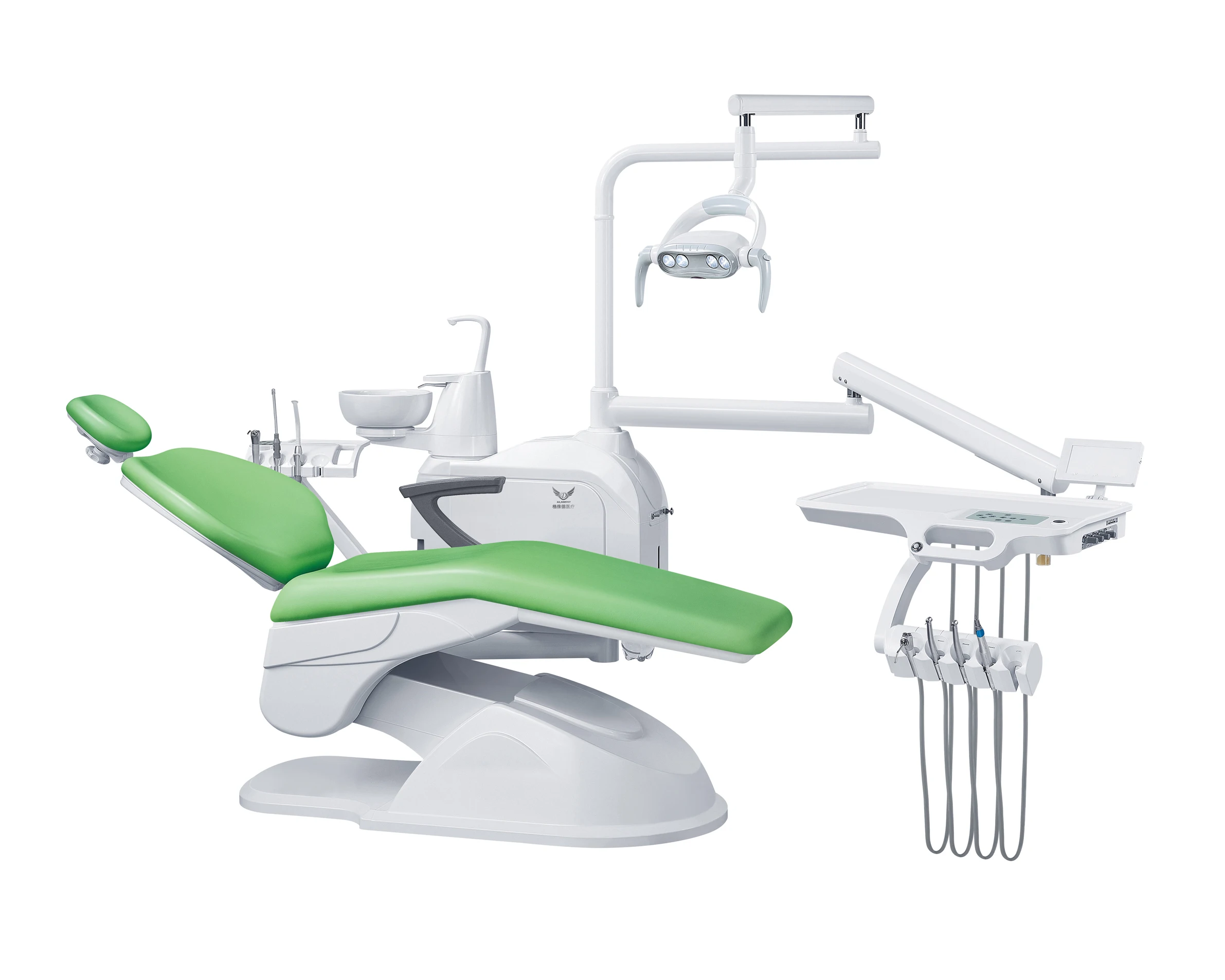
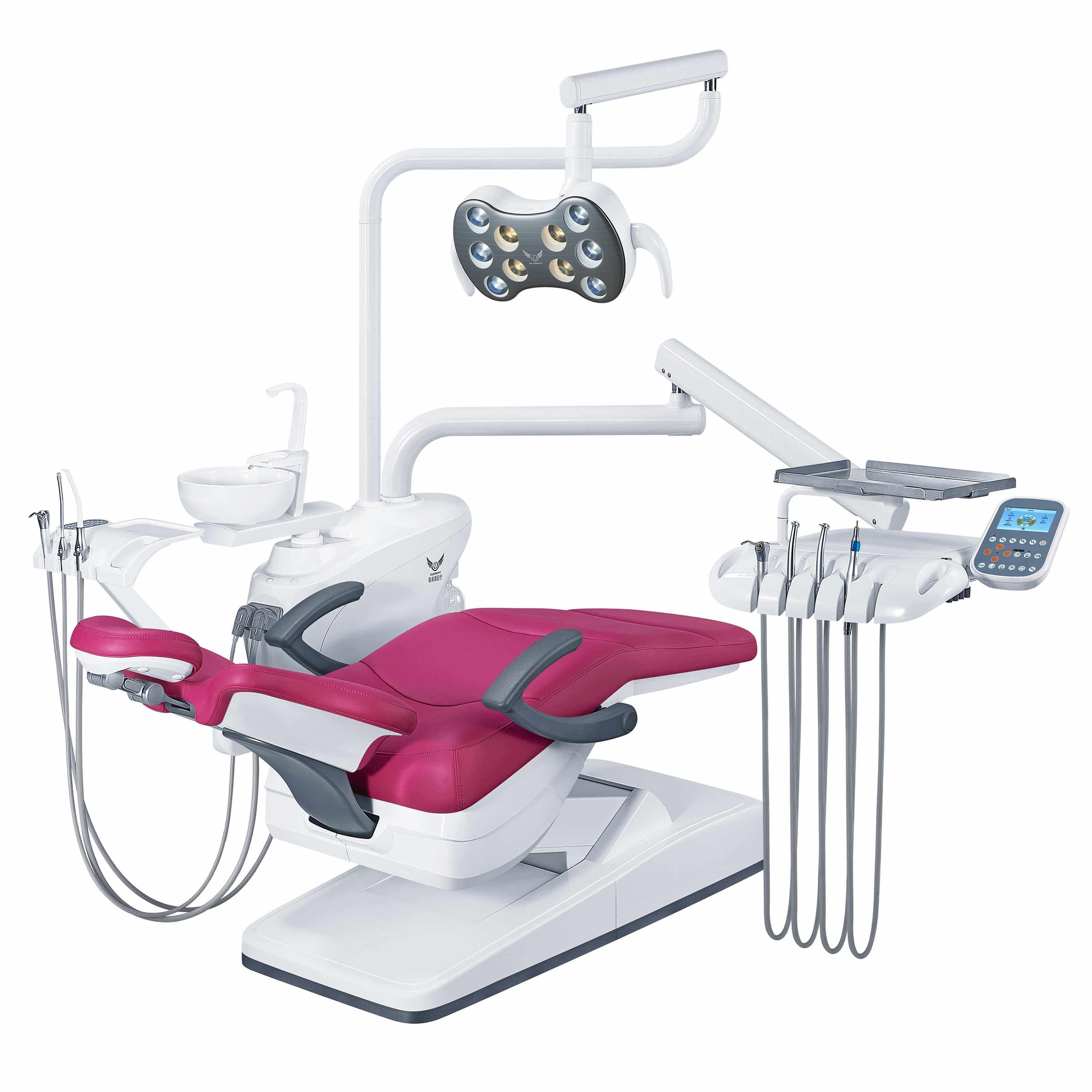
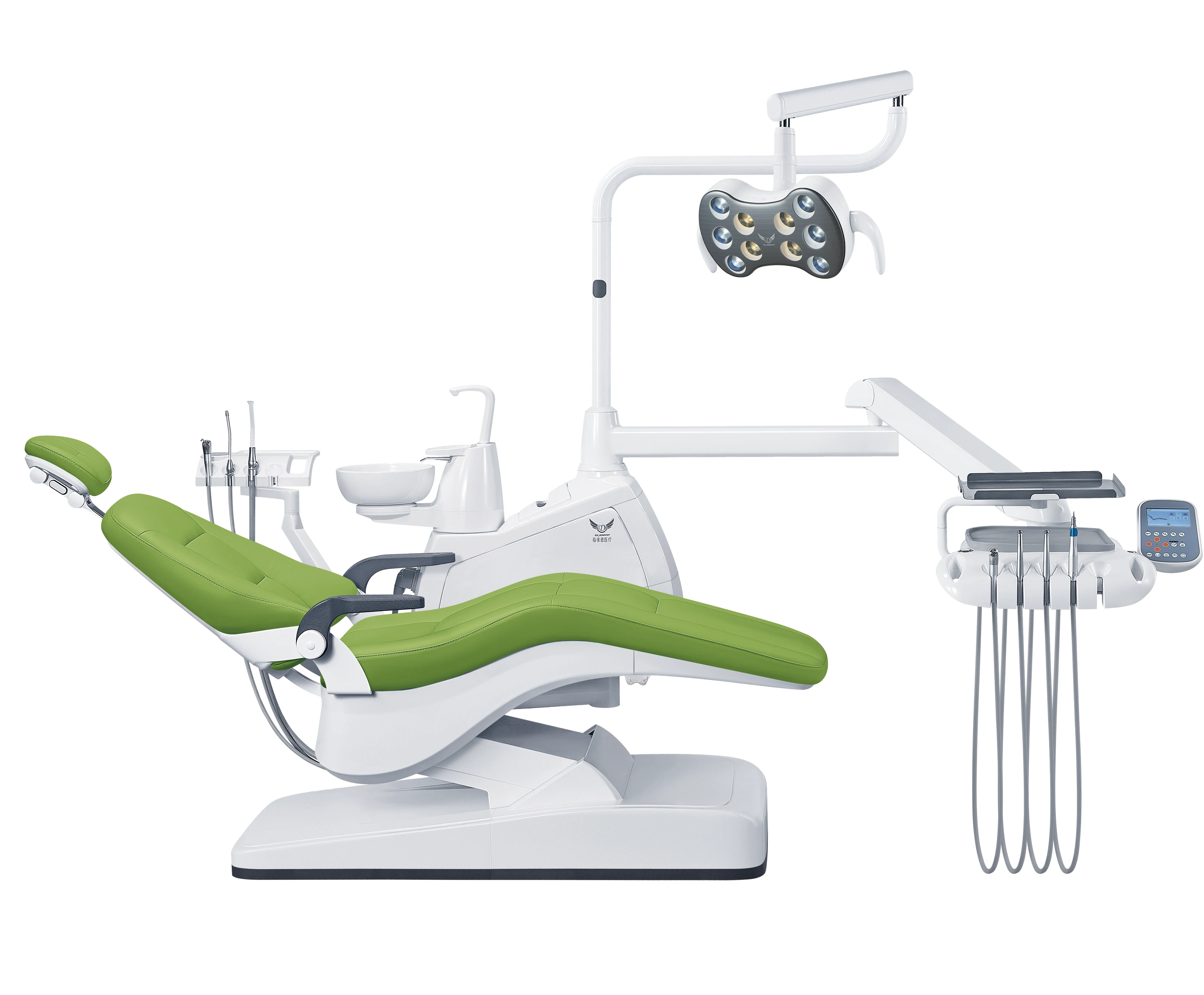
The connectivity and integration capabilities built into contemporary dental devices represent a paradigm shift in how dental practices operate, moving from fragmented analog processes to cohesive digital ecosystems that enhance efficiency and communication. Modern dental devices no longer function as isolated instruments but rather as networked components within comprehensive practice management systems. This integration begins with diagnostic dental devices that capture images and data, automatically transferring this information to patient records without manual data entry that consumes staff time and introduces potential errors. Digital impression systems exemplify this integration advantage, scanning oral structures and immediately transmitting three-dimensional models to design software where restorations can be planned, then forwarding specifications directly to milling units or laboratory partners. This seamless data flow eliminates the delays, inaccuracies, and patient discomfort associated with traditional impression materials, while reducing material costs and storage requirements for bulky models. Treatment planning software integrated with dental devices allows practitioners to simulate procedures virtually, testing different approaches and showing patients predicted outcomes before beginning actual treatment. This visualization capability improves informed consent processes and sets realistic expectations, reducing the potential for misunderstandings and dissatisfaction. The digital records generated by dental devices facilitate collaboration among specialists, as complete diagnostic information can be securely shared electronically, enabling more coordinated care for patients with complex needs. Practice analytics benefit tremendously from data captured by digital dental devices, as automated tracking of procedures, materials usage, and time allocation provides insights that inform business decisions and identify opportunities for improvement. Quality assurance processes become more robust when dental devices automatically document critical parameters like sterilization cycles, calibration dates, and maintenance intervals, ensuring regulatory compliance and patient safety. Patient communication reaches new levels of effectiveness when dental devices generate visual content that can be incorporated into educational materials, treatment presentations, and follow-up communications. Images captured during appointments can be instantly uploaded to patient portals where individuals can review them at home, share them with family members involved in care decisions, and maintain personal health records. The integration of dental devices with billing systems ensures that procedures are accurately documented for insurance submission, reducing claim rejections and accelerating reimbursement. Inventory management becomes more automated as dental devices track material consumption and trigger reorder notifications when supplies reach predetermined thresholds, preventing stockouts that disrupt clinical schedules. Remote monitoring capabilities built into some dental devices allow manufacturers to perform diagnostics and software updates without requiring on-site service visits, minimizing equipment downtime. As artificial intelligence continues to advance, integrated dental devices will increasingly offer decision support, flagging potential issues in diagnostic images, suggesting treatment options based on evidence-based protocols, and predicting patient risk factors. This digital transformation enabled by interconnected dental devices positions practices to adapt to evolving healthcare delivery models, including teledentistry consultations and value-based care arrangements that reward outcomes rather than volume.

 EN
EN


![Innovation Journey - GLADENT Dental Chairs: [The 30th South China International Dental Exhibition 2025 Concludes Successfully]](https://shopcdnpro.grainajz.com/category/19383/3803/616cc2b5bdfecec5e7c5b6aa95e40d84/%E5%BE%AE%E4%BF%A1%E5%9B%BE%E7%89%87_20250826164700.jpg)