Mobile Dental Equipment: Professional Portable Solutions for Accessible Oral Healthcare

EN EN

Call Us:+86-757-81267151

mobile dental equipment

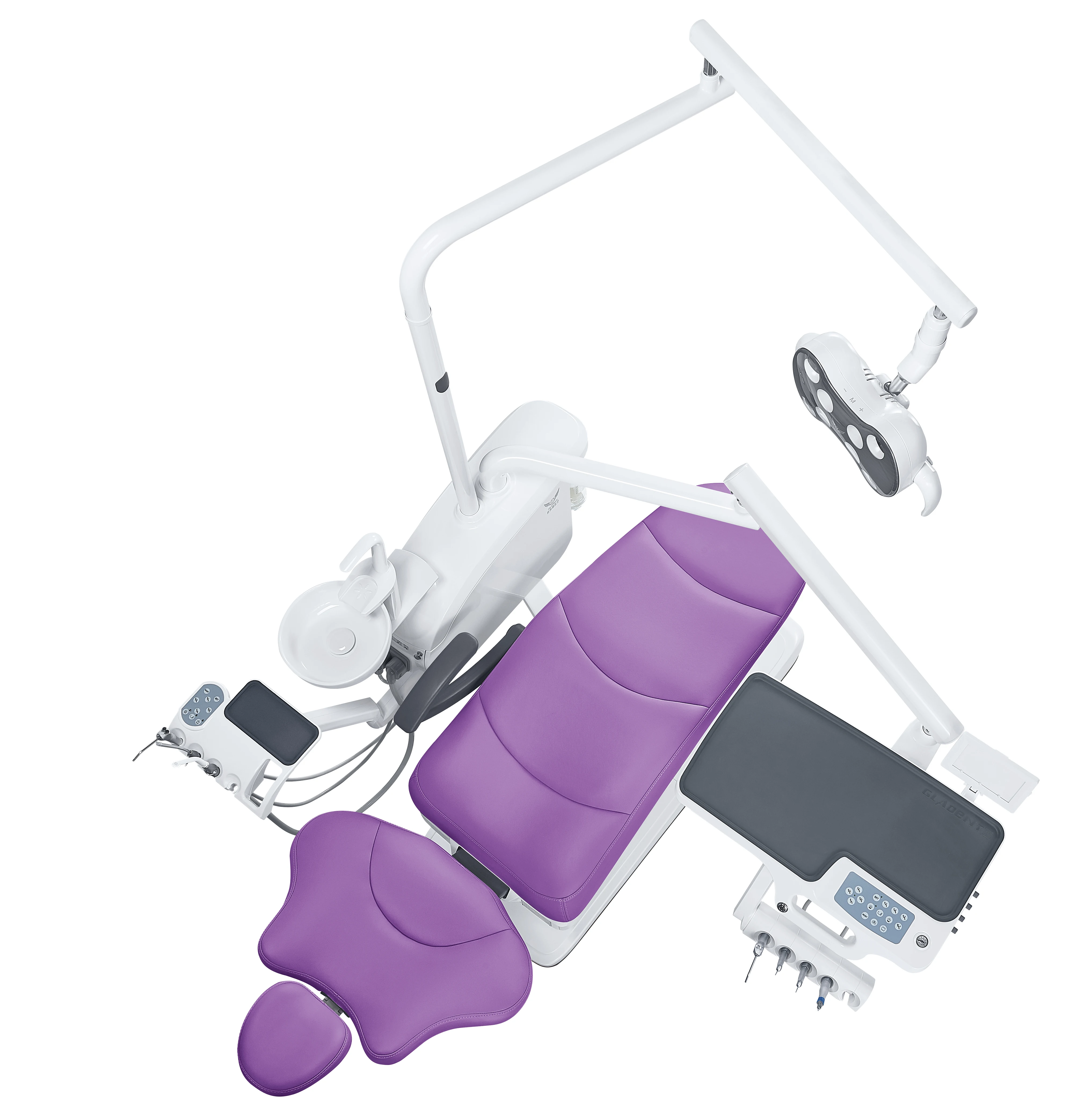
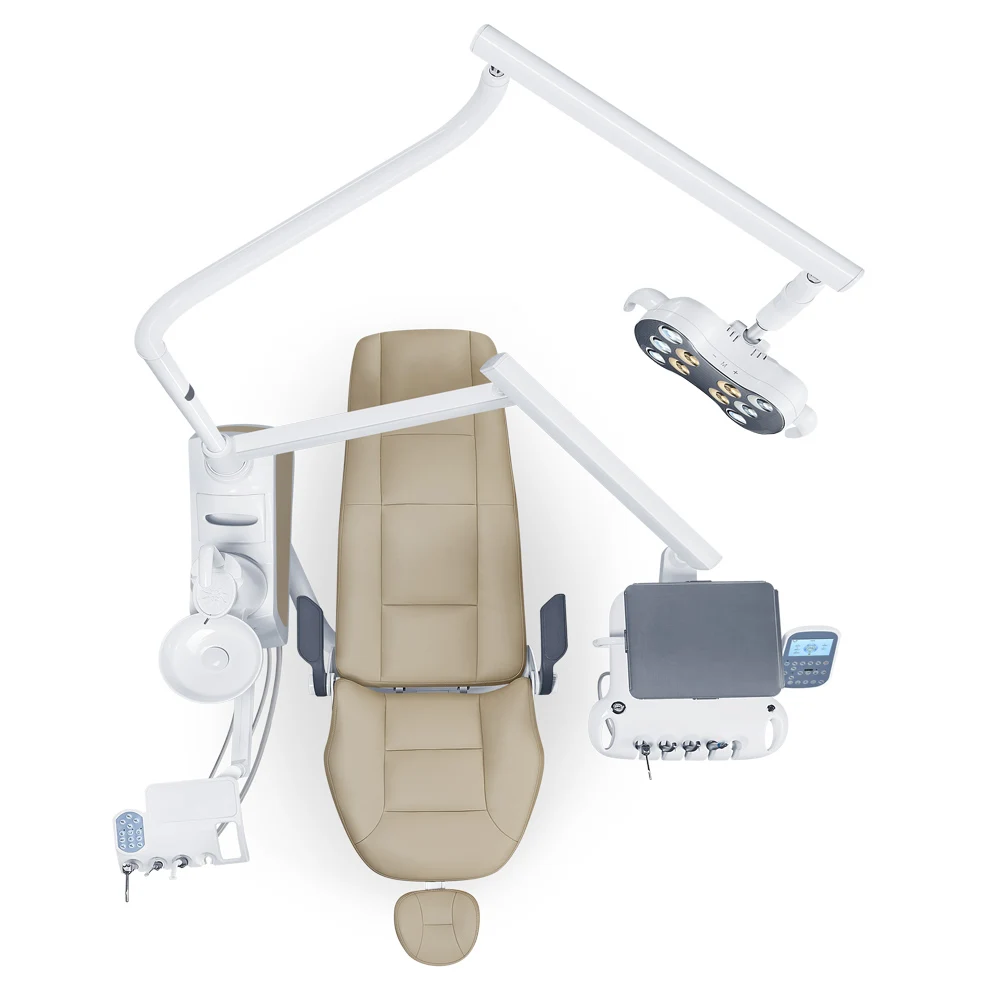
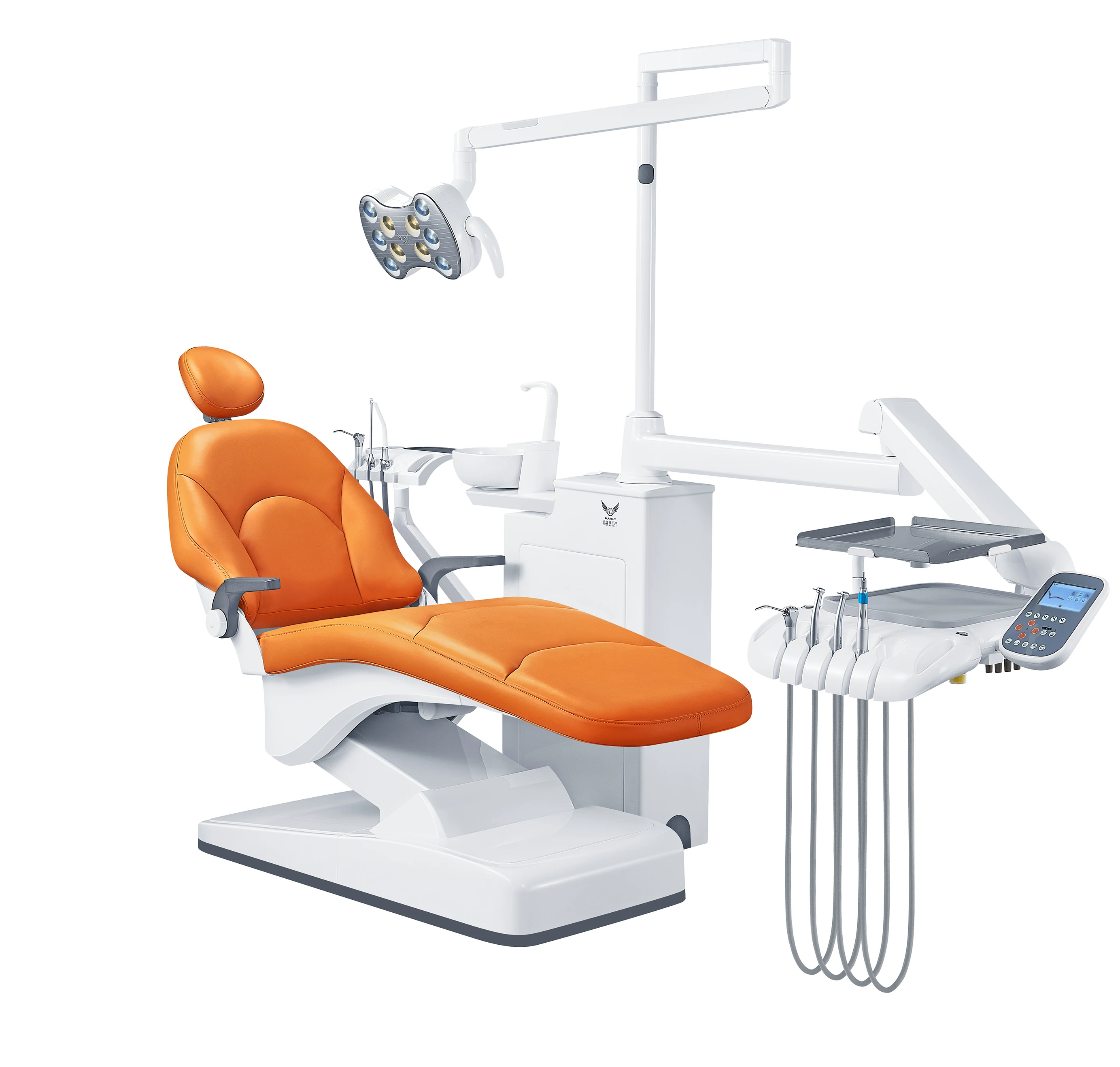
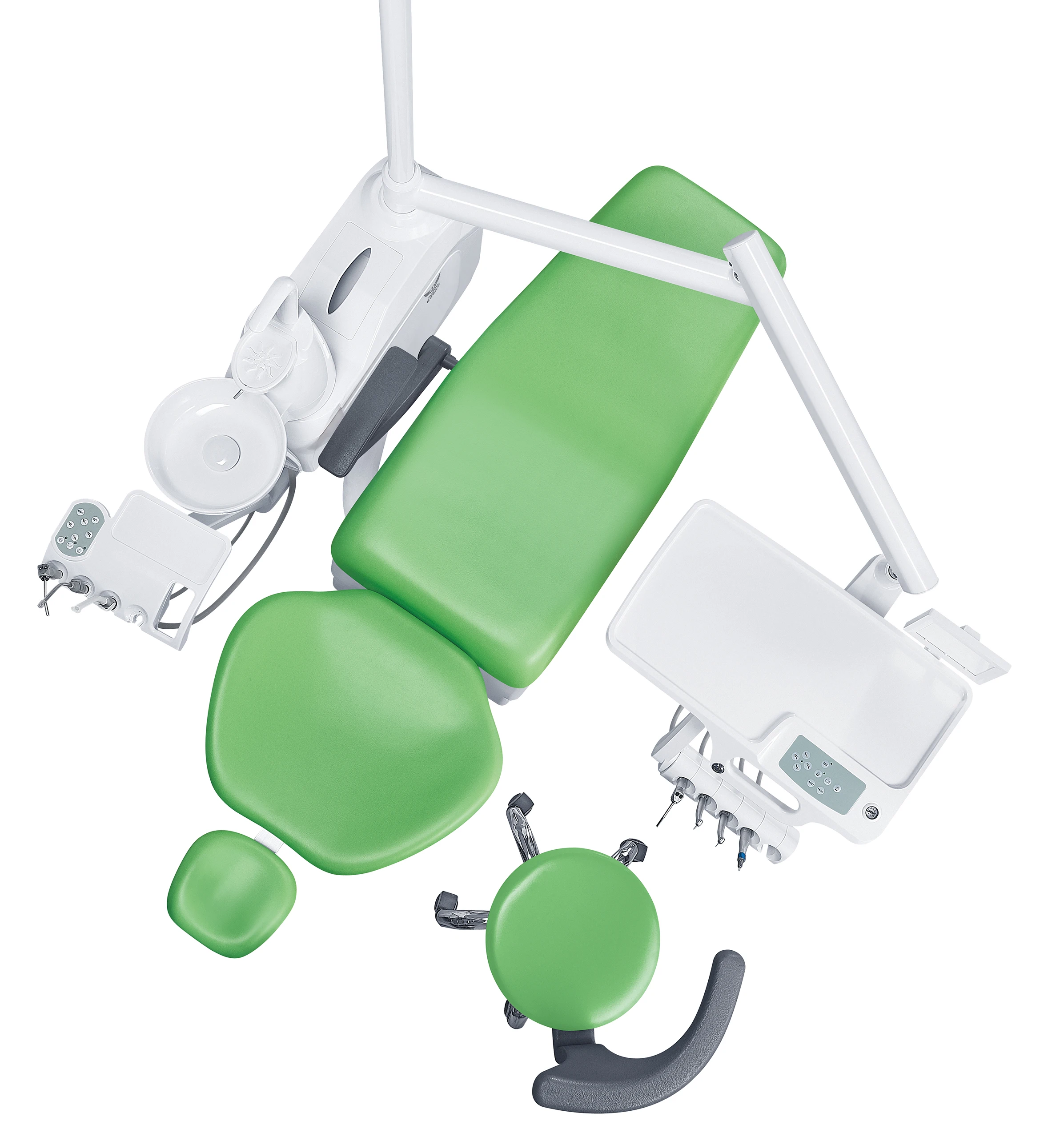
Mobile dental equipment represents a revolutionary advancement in oral healthcare delivery, combining portability with professional-grade functionality. These comprehensive systems enable dentists to provide quality dental services outside traditional clinical settings, reaching patients in remote locations, nursing homes, schools, and community centers. The core design integrates essential dental tools into compact, transportable units that maintain the same standards as stationary equipment. Modern mobile dental equipment typically includes a portable dental chair or treatment platform, LED lighting systems, high-speed and low-speed handpieces, ultrasonic scalers, suction devices, air-water syringes, and sterilization capabilities. Advanced models incorporate digital radiography systems, intraoral cameras, and computer integration for patient records management. The technological infrastructure supports both battery operation and standard electrical connections, ensuring functionality in diverse environments. Weight distribution and ergonomic design facilitate easy transportation via vehicles specially outfitted for dental services. These systems employ medical-grade materials that withstand frequent relocation while maintaining infection control standards. The equipment accommodates various dental procedures including examinations, cleanings, fillings, extractions, and preventive treatments. Regulatory compliance ensures these portable solutions meet the same safety and performance criteria as traditional dental offices. The adaptability of mobile dental equipment addresses critical healthcare access gaps, particularly benefiting elderly populations with mobility challenges, underserved rural communities, and patients requiring bedside care. Integration capabilities allow seamless connection with existing practice management software, maintaining continuity of care documentation. The systems support multiple power configurations and include backup solutions to prevent treatment interruptions. This innovative approach to dental care delivery maintains clinical excellence while dramatically expanding service accessibility.

New Products

The primary advantage of mobile dental equipment lies in its ability to eliminate transportation barriers that prevent many individuals from receiving necessary oral healthcare. Patients who face mobility limitations, lack reliable transportation, or live in areas without nearby dental facilities can now access professional services in familiar, convenient locations. This accessibility directly improves health outcomes by enabling early detection of dental problems before they escalate into painful, costly emergencies. The equipment delivers significant cost efficiency for dental practices by reducing overhead expenses associated with maintaining permanent facilities. Practitioners can serve multiple locations without duplicating expensive infrastructure, maximizing resource utilization and expanding their patient base. The flexibility to schedule services where demand exists allows practices to optimize their calendars and reduce appointment gaps. Mobile dental equipment enables dental professionals to reach vulnerable populations including nursing home residents, hospital patients, and individuals in correctional facilities who traditionally receive inadequate oral care. This proactive approach prevents the development of serious health complications linked to poor dental hygiene, reducing overall healthcare costs for communities. The systems provide complete treatment capabilities, allowing dentists to perform comprehensive procedures rather than merely conducting screenings that require follow-up at distant facilities. This continuity improves patient compliance and treatment completion rates. The portable nature facilitates rapid deployment during disaster relief efforts and public health emergencies, providing essential services when traditional infrastructure becomes unavailable. Educational institutions benefit tremendously from mobile dental equipment, as school-based programs can deliver preventive care and treatment during regular school hours without requiring parents to take time off work or arrange transportation. This convenience dramatically increases participation rates in dental health programs. The equipment supports infection control protocols through integrated sterilization systems and disposable components, maintaining the same safety standards as traditional offices. Modern designs incorporate user-friendly interfaces that reduce setup time and operational complexity, allowing dental teams to focus on patient care rather than equipment management. The investment in mobile dental equipment generates strong returns through expanded service capacity, improved patient satisfaction, and the ability to participate in lucrative public health contracts and grant-funded programs. Practices using these systems report enhanced professional fulfillment as they address genuine community needs while building sustainable business models. The technology supports teledentistry integration, connecting portable practitioners with specialists for consultation during complex cases, ensuring patients receive expert guidance regardless of location.

Tips And Tricks

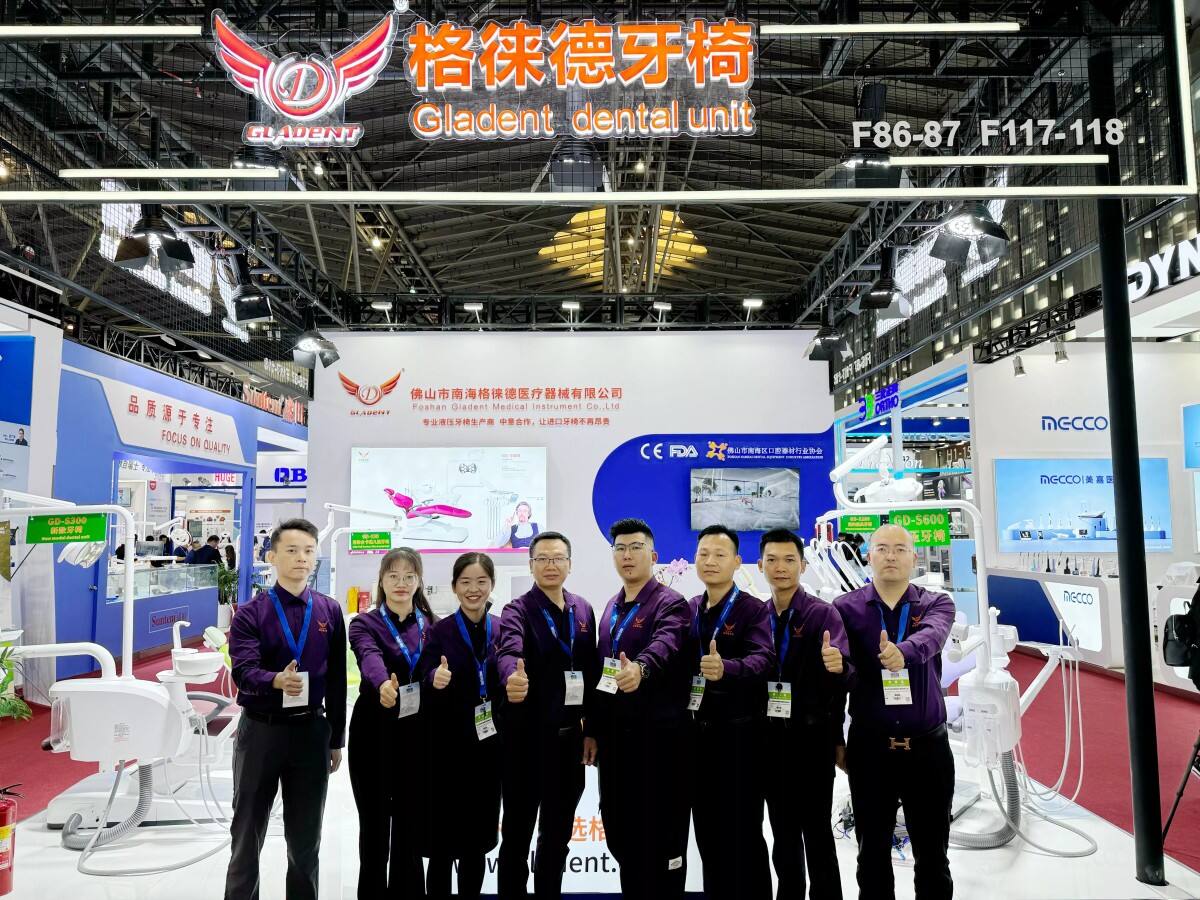
Gladent Medical in DenTech 2024 in Shanghai

27

Aug

Gladent Medical in DenTech 2024 in Shanghai

View More
Innovation Journey - GLADENT Dental Chairs: [The 30th South China International Dental Exhibition 2025 Concludes Successfully]

27

Aug

Innovation Journey - GLADENT Dental Chairs: [The 30th South China International Dental Exhibition 2025 Concludes Successfully]

View More
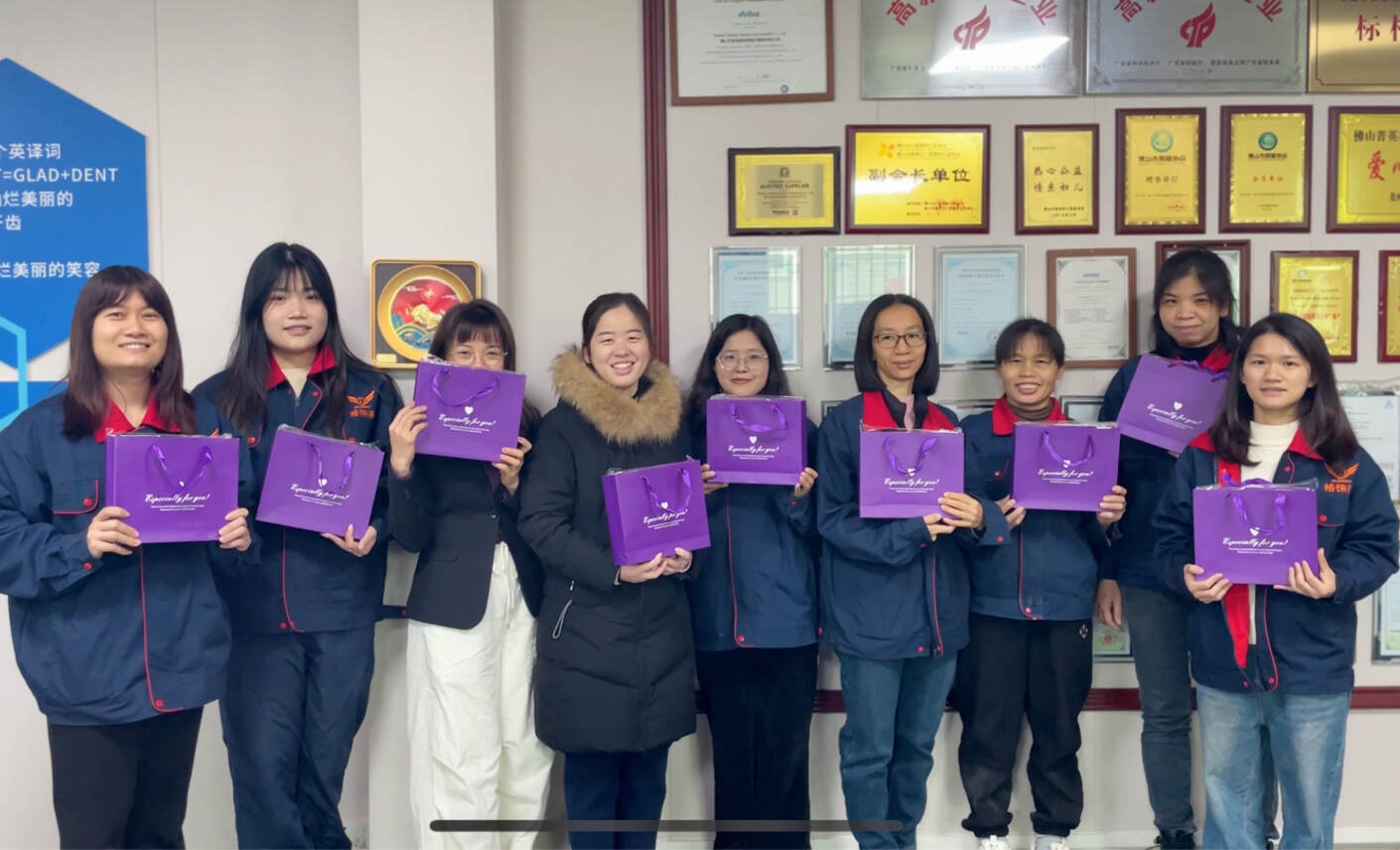
Distribute Women's Day gifts to female employees

28

Aug

Distribute Women's Day gifts to female employees

View More

Get a Free Quote

Our representative will contact you soon.
Email
Mobile
Name
Company Name
Message
0/1000

mobile dental equipment

Comprehensive Clinical Capability in Compact Design

Comprehensive Clinical Capability in Compact Design

Mobile dental equipment achieves the remarkable feat of condensing an entire dental operatory into transportable components without compromising clinical functionality. This engineering accomplishment required innovative approaches to equipment miniaturization while maintaining performance standards identical to traditional stationary systems. The portable dental chair or treatment platform provides stable patient positioning with adjustable height and reclining features that ensure proper ergonomics for both patient comfort and practitioner access. Integrated LED lighting systems deliver shadow-free illumination with intensity controls, matching the visibility conditions of permanent facilities. The equipment includes both high-speed handpieces for cavity preparation and low-speed handpieces for polishing and finishing work, powered by reliable air compressor systems designed for consistent torque delivery. Ultrasonic scaling technology enables efficient calculus removal and periodontal therapy, while powerful suction systems maintain a clear operating field and ensure patient comfort during procedures. Air-water syringes provide precise irrigation and drying capabilities essential for restorative work. Many systems incorporate digital radiography sensors that capture diagnostic images instantly, eliminating darkroom requirements and chemical processing while reducing radiation exposure. Intraoral cameras enable real-time visualization and patient education, fostering understanding and treatment acceptance. The equipment supports comprehensive infection control through integrated sterilization capabilities including autoclaves or chemical sterilization systems, instrument packaging areas, and proper waste segregation containers. Storage solutions organize instruments, materials, and supplies efficiently within compact footprints, ensuring everything needed for diverse procedures remains readily accessible. Power management systems accommodate both electrical connections and battery operation, with intelligent charging that extends battery life and provides usage indicators. The modular design allows configuration customization based on service focus, whether emphasizing pediatric care, geriatric services, or general dentistry. Transportation cases protect delicate components during transit while facilitating rapid deployment, with many systems achieving full setup in under thirty minutes. This comprehensive capability eliminates the compromises traditionally associated with portable healthcare, enabling practitioners to deliver the full spectrum of dental services with confidence in clinical outcomes. The reliability of mobile dental equipment has been demonstrated through millions of patient encounters across diverse settings, proving these systems perform consistently under varied environmental conditions while maintaining the precision and safety that dental care demands.
Enhanced Access for Underserved Populations

Enhanced Access for Underserved Populations

Mobile dental equipment fundamentally transforms healthcare equity by delivering professional oral care to populations historically excluded from regular dental services. This impact extends far beyond mere convenience, addressing systemic barriers that create disparities in oral health outcomes. Elderly individuals residing in assisted living facilities and nursing homes frequently experience declining dental health due to inability to travel to dental offices, yet mobile dental equipment brings comprehensive care directly to their residences. This bedside service capability allows treatment of patients with severe mobility limitations, cognitive impairments, or medical conditions requiring specialized positioning, populations that traditional dental settings struggle to accommodate effectively. Rural communities separated from urban dental resources by geographic distance gain access to preventive and restorative services that prevent small problems from becoming dental emergencies requiring expensive hospital intervention. School-based programs utilizing mobile dental equipment reach children whose families face economic constraints, language barriers, or work schedules that make traditional appointments difficult to maintain. By providing care during school hours, these programs ensure children receive sealants, fluoride treatments, and cavity repairs that protect developing teeth without disrupting family routines. The equipment enables dental professionals to serve homeless populations through partnerships with shelters and community organizations, addressing oral pain and infection that often remain untreated in this vulnerable group. Correctional facilities can provide inmates with necessary dental care, fulfilling legal obligations while preventing the spread of infectious conditions in congregate settings. Patients with special healthcare needs, including those with autism spectrum disorders or severe anxiety, often benefit from receiving care in familiar environments where mobile dental equipment can be deployed, reducing stress and improving cooperation. Migrant worker communities gain access to dental services during peak agricultural seasons when mobility is limited and financial resources are constrained. The flexibility of mobile dental equipment supports culturally sensitive care delivery by enabling practitioners to work with community leaders in establishing trust and addressing specific population needs. Public health departments employ these systems in targeted interventions addressing areas with high rates of untreated decay, deploying resources where data indicates greatest need. The equipment facilitates partnerships between dental schools and community organizations, providing students with valuable experience in diverse settings while delivering needed services. This enhanced access creates measurable improvements in population health metrics, reducing emergency department utilization for dental pain, decreasing missed school and work days, and preventing the progression of oral disease to systemic health complications. Communities investing in mobile dental equipment programs report substantial returns through reduced healthcare costs and improved quality of life for residents who previously lacked consistent access to oral healthcare services.
Economic Efficiency and Practice Growth Potential

Economic Efficiency and Practice Growth Potential

Mobile dental equipment represents a strategic investment that delivers exceptional economic returns through multiple revenue streams and operational efficiencies. The initial capital requirement for portable systems is substantially lower than establishing a traditional brick-and-mortar dental office, eliminating costs associated with real estate acquisition, facility construction, permanent infrastructure installation, and ongoing property maintenance. This reduced financial barrier enables new practitioners to launch independent practices sooner while allowing established dentists to expand service capacity without the overhead multiplication that comes with opening additional fixed locations. The operational flexibility of mobile dental equipment allows practices to serve multiple sites with a single equipment set, maximizing asset utilization and generating revenue from diverse patient populations. Contracts with nursing homes, schools, corporate wellness programs, and public health agencies provide stable, predictable income streams that complement traditional patient scheduling. These institutional partnerships often involve volume commitments that ensure consistent productivity while reducing marketing costs associated with individual patient acquisition. Government-funded programs including Medicaid, CHIP, and grant initiatives specifically support mobile dental services, recognizing their effectiveness in reaching target populations and offering reimbursement rates that make these programs financially attractive. The equipment enables practitioners to capture market segments underserved by traditional dentistry, building patient loyalty in communities that appreciate the convenience and accessibility of mobile services. Scheduling efficiency improves dramatically as mobile practices can organize service days by location, treating multiple patients at a single site before relocating, eliminating the downtime between appointments that affects traditional offices. This block scheduling approach increases the number of patients served per day while reducing travel time and maximizing clinical hours. The lower overhead structure of mobile dental equipment operations translates into improved profit margins, as practices avoid expenses including reception staff for multiple locations, redundant sterilization equipment, and the utilities costs of maintaining large facilities. Insurance and liability costs may decrease due to the reduced physical footprint and property exposure. Practices can scale operations incrementally by adding mobile units as demand grows, avoiding the all-or-nothing investment required for facility expansion. The equipment supports diverse service models including part-time mobile work that supplements a traditional practice, full-time mobile operations, or hybrid approaches that combine both delivery methods. This versatility allows practitioners to adapt their business models to market opportunities and personal preferences. Mobile dental equipment also opens opportunities in medical-dental integration, partnering with hospitals, rehabilitation centers, and specialty medical practices to provide coordinated care that addresses the oral-systemic health connection. These collaborations enhance patient outcomes while creating referral relationships that benefit all parties. The depreciation and tax advantages associated with equipment purchases provide additional financial benefits. Practitioners report that mobile dental equipment investments typically achieve positive return within two to three years while establishing sustainable competitive advantages in their markets.