Dental Equipment Pricing Guide: Cost Analysis, Value Benefits, and Smart Investment Strategies for Modern Practices

EN EN

Call Us:+86-757-81267151

price of dental equipment

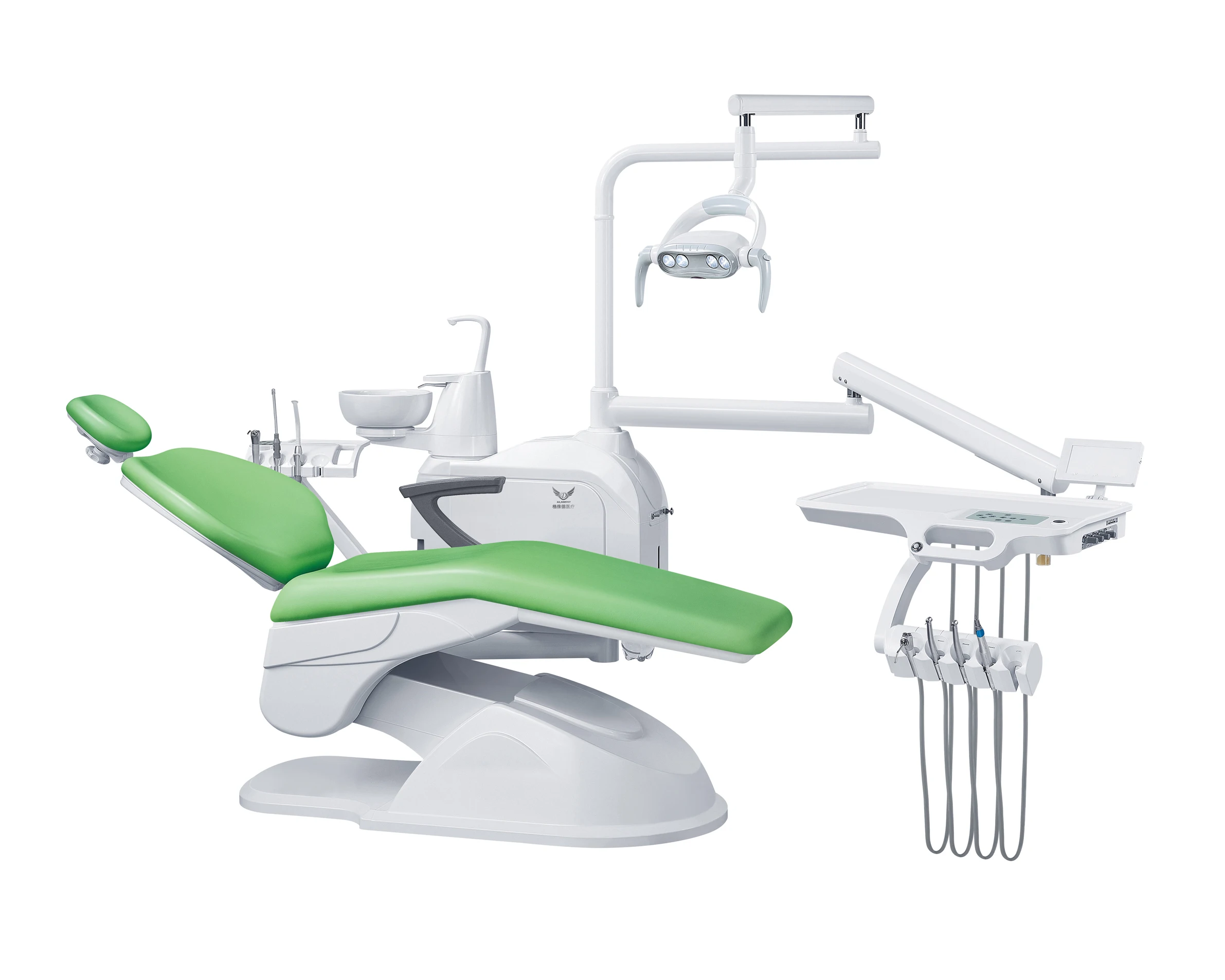
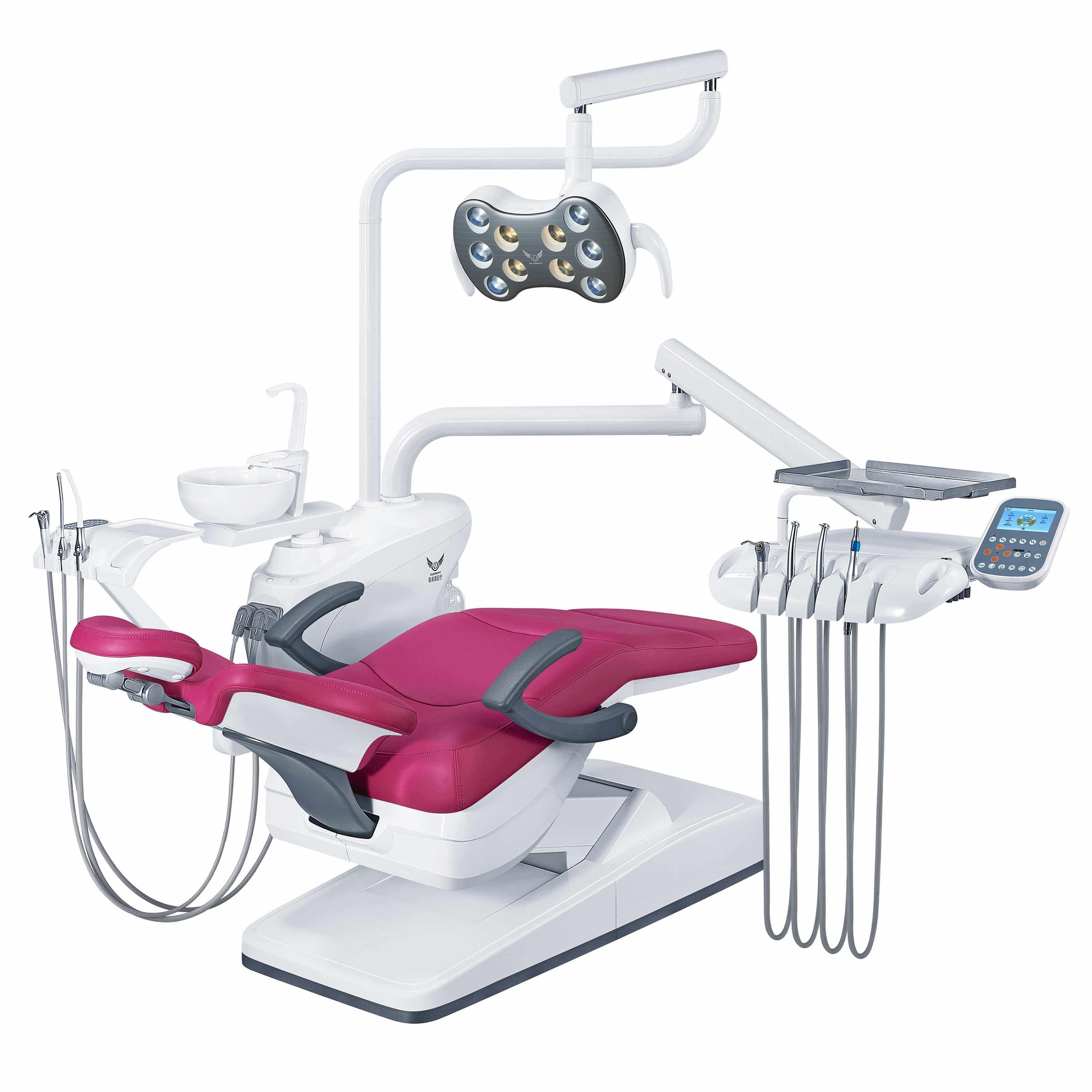
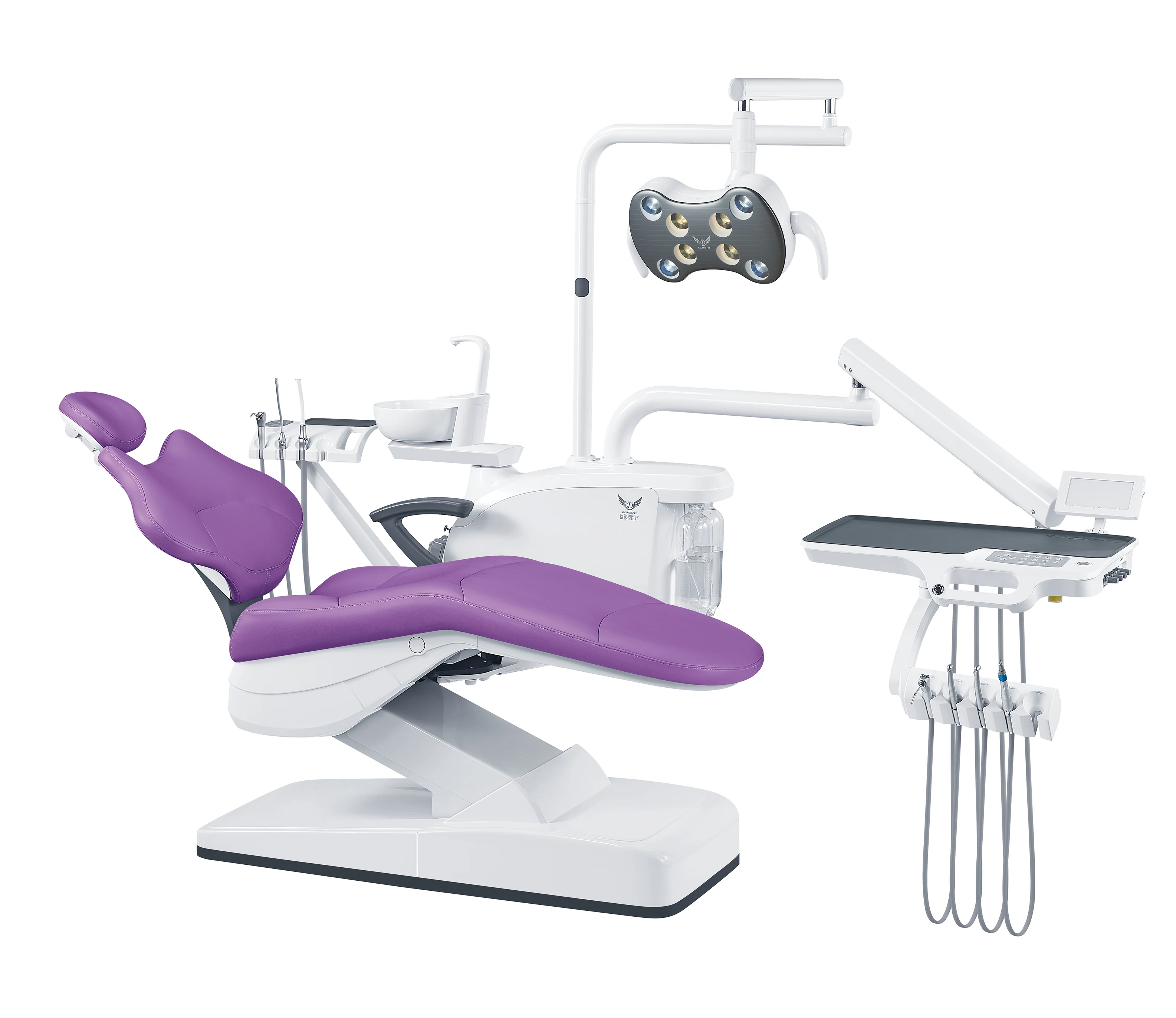
Understanding the price of dental equipment requires examining multiple factors that influence cost structures in modern dental practices. Dental equipment encompasses a broad spectrum of tools and technologies, ranging from basic hand instruments to sophisticated digital imaging systems and treatment chairs. The price of dental equipment varies significantly based on functionality, brand reputation, technological advancement, and intended clinical applications. Basic diagnostic tools such as mirrors, explorers, and scalers represent entry-level investments, while advanced systems like cone beam computed tomography scanners, CAD CAM milling machines, and dental lasers command premium prices. The price of dental equipment also reflects the integration of cutting-edge technologies including artificial intelligence for diagnosis, digital workflows for restorations, and ergonomic designs that enhance practitioner comfort during extended procedures. Modern dental equipment incorporates antimicrobial surfaces, sterilization-friendly materials, and energy-efficient components that reduce long-term operational costs. The price of dental equipment must be evaluated against durability, warranty coverage, maintenance requirements, and potential return on investment through improved patient outcomes and practice efficiency. Manufacturers offer various pricing tiers to accommodate different practice sizes, from solo practitioners establishing new clinics to large group practices upgrading existing infrastructure. The price of dental equipment includes not only the initial purchase cost but also installation fees, staff training expenses, software licensing, and ongoing technical support. Digital radiography systems, intraoral cameras, and electronic health record platforms have transformed diagnostic capabilities while their prices continue to become more accessible as technology matures. Understanding the price of dental equipment helps practitioners make informed decisions that balance clinical needs, patient expectations, and financial sustainability, ensuring investments deliver measurable value through enhanced treatment precision, reduced chair time, and improved patient satisfaction across diverse dental specialties.


New Product Releases

Investing in quality dental equipment at competitive prices delivers substantial advantages that extend far beyond initial cost considerations. First, modern dental equipment enhances diagnostic accuracy, allowing practitioners to identify conditions earlier and develop more effective treatment plans. Advanced imaging technologies provide detailed visualization of tooth structure, bone density, and soft tissue conditions that traditional methods cannot match. This diagnostic precision reduces the likelihood of misdiagnosis and enables preventive interventions that save patients time and money. Second, the price of dental equipment directly correlates with treatment efficiency, as contemporary tools significantly reduce procedure duration while maintaining superior clinical outcomes. Digital impression systems eliminate uncomfortable traditional molds, streamline workflow, and accelerate restoration fabrication. Third, patient comfort improves dramatically with modern equipment designs that minimize discomfort, anxiety, and recovery time. Ergonomically designed chairs, vibration-reduced handpieces, and precise anesthetic delivery systems create positive experiences that encourage regular dental visits and treatment acceptance. Fourth, the price of dental equipment represents an investment in practice reputation and competitive positioning within local markets. Patients increasingly research dental offices online and select providers who demonstrate commitment to modern technology and quality care. Fifth, operational efficiency gains from integrated equipment systems reduce staff workload, minimize errors, and optimize appointment scheduling. Digital workflows connecting diagnostic, treatment, and administrative functions eliminate redundant data entry and improve communication among team members. Sixth, the price of dental equipment includes durability features that reduce long-term replacement costs and minimize downtime from equipment failures. Reliable equipment maintains consistent practice revenue by preventing appointment cancellations and emergency repairs. Seventh, training resources and technical support included with quality equipment purchases accelerate staff proficiency and maximize utilization of advanced features. Eighth, energy-efficient equipment designs reduce utility costs and demonstrate environmental responsibility that resonates with eco-conscious patients. Ninth, modular equipment systems allow incremental upgrades that spread costs over time while maintaining compatibility with existing infrastructure. Tenth, the price of dental equipment can be structured through flexible financing options that preserve working capital for marketing, staffing, and other operational needs. Comprehensive warranties and service agreements protect practices from unexpected expenses while ensuring optimal equipment performance throughout its lifecycle, making the total cost of ownership more predictable and manageable for financial planning purposes.

Tips And Tricks

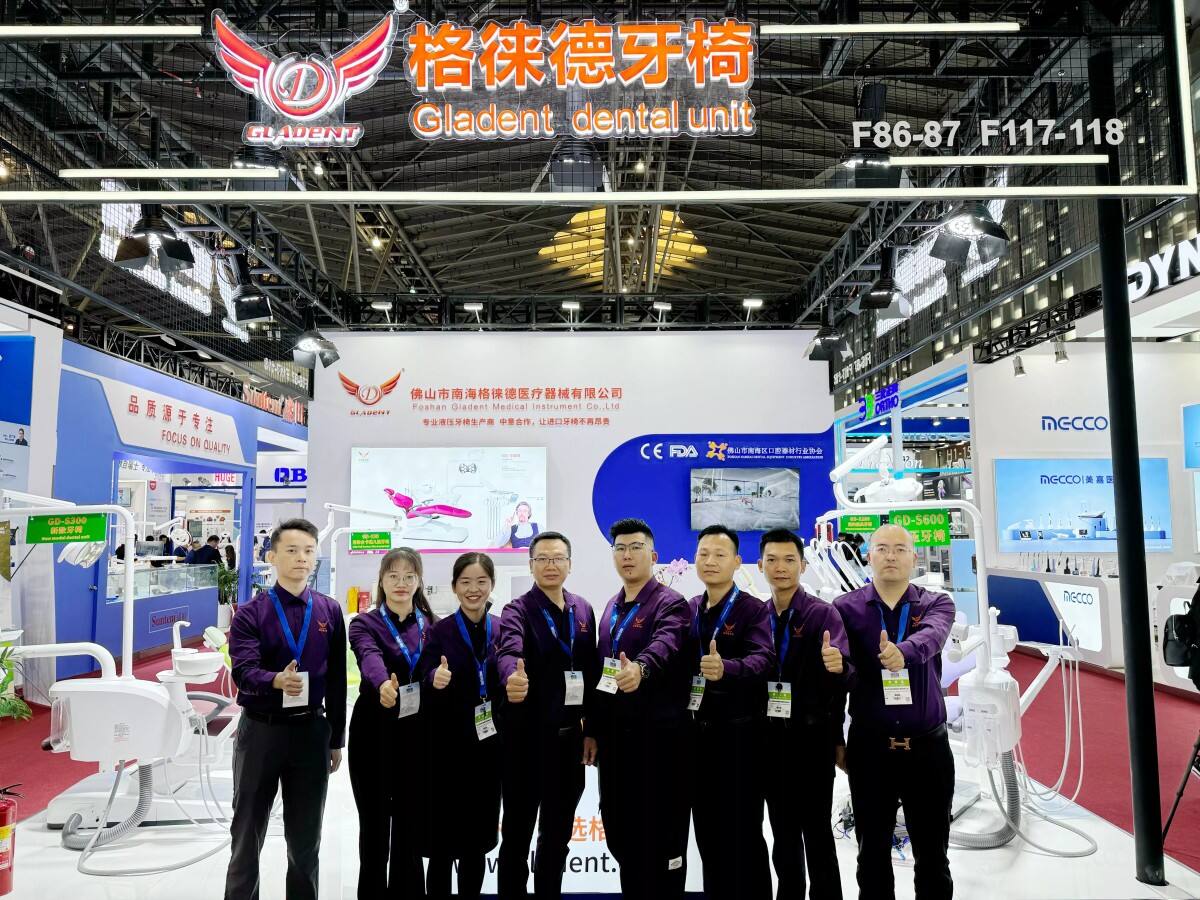
Gladent Medical in DenTech 2024 in Shanghai

27

Aug

Gladent Medical in DenTech 2024 in Shanghai

View More
Innovation Journey - GLADENT Dental Chairs: [The 30th South China International Dental Exhibition 2025 Concludes Successfully]

27

Aug

Innovation Journey - GLADENT Dental Chairs: [The 30th South China International Dental Exhibition 2025 Concludes Successfully]

View More
Distribute Women's Day gifts to female employees

28

Aug

Distribute Women's Day gifts to female employees

View More

Get a Free Quote

Our representative will contact you soon.
Email
Mobile
Name
Company Name
Message
0/1000

price of dental equipment

Cost-Effectiveness Through Enhanced Clinical Efficiency

Cost-Effectiveness Through Enhanced Clinical Efficiency

The price of dental equipment must be evaluated through the lens of clinical efficiency gains that directly impact practice profitability and patient satisfaction. Modern dental equipment incorporates automation features, digital integration, and ergonomic designs that dramatically reduce procedure times while maintaining or improving treatment quality. For example, digital radiography systems eliminate film processing time, chemical costs, and storage requirements while providing instant image availability for chairside consultation. The price of dental equipment in this category quickly recovers through time savings that allow practices to serve more patients daily without compromising care quality. Intraoral scanners represent another efficiency breakthrough, capturing precise digital impressions in minutes compared to traditional methods requiring multiple attempts and patient discomfort. These scanners transmit data directly to laboratories or in-office milling systems, eliminating shipping delays and reducing restoration turnaround from weeks to hours. The price of dental equipment featuring such technology enables same-day dentistry that increases patient convenience and practice revenue per appointment. Ultrasonic scalers and piezoelectric devices complete periodontal procedures faster than manual scaling while providing superior calculus removal and reduced patient fatigue. The price of dental equipment with these capabilities allows hygienists to maintain thorough cleaning standards while increasing daily patient capacity. Curing lights with rapid polymerization cycles reduce waiting time between restoration layers, compressing appointment duration without sacrificing bond strength or material properties. The price of dental equipment incorporating high-intensity LED technology delivers these benefits while consuming less energy and requiring fewer bulb replacements than traditional halogen systems. Rotary endodontic instruments complete root canal preparations in fraction of the time required by manual files, reducing patient chair time and practitioner fatigue during complex procedures. The price of dental equipment for endodontics includes specialized motors with precise torque control and apex locators that enhance safety and predictability. Dental lasers enable minimally invasive soft tissue procedures with reduced bleeding, swelling, and healing time compared to conventional surgery. The price of dental equipment in laser categories varies by wavelength and power output, but all systems deliver efficiency advantages through hemostasis, bacterial reduction, and bio-stimulation effects that accelerate tissue healing and reduce post-operative complications requiring additional appointments.
Long-Term Value Through Durability and Reliability

Long-Term Value Through Durability and Reliability

The price of dental equipment reflects manufacturing quality, material selection, and engineering standards that determine operational lifespan and maintenance requirements. Premium dental equipment constructed from medical-grade stainless steel, titanium alloys, and advanced composites withstands repeated sterilization cycles, chemical exposure, and mechanical stress without degradation. This durability extends equipment lifespan beyond a decade for major capital purchases like treatment chairs, delivery systems, and imaging equipment, making the amortized cost per procedure remarkably low. The price of dental equipment from established manufacturers includes rigorous quality control, international safety certifications, and compliance with evolving regulatory standards that protect practices from liability risks and costly retrofits. Modular designs allow component-level repairs and upgrades that extend equipment utility rather than requiring complete replacement when technology advances. The price of dental equipment with modular architecture provides flexibility to adopt new capabilities as clinical techniques evolve and patient expectations change. Comprehensive warranty coverage included with quality equipment purchases protects practices from manufacturing defects and premature failures that disrupt operations and damage reputation. Extended warranty options and service contracts available at reasonable prices relative to equipment cost provide peace of mind and predictable maintenance budgets. The price of dental equipment also reflects after-sales support infrastructure including technical helplines, on-site service networks, and spare parts availability that minimize downtime when issues arise. Manufacturers with global presence and local service centers respond faster to equipment problems than smaller vendors lacking support infrastructure. Compatibility with standard components and interfaces prevents vendor lock-in and allows practices to source consumables and accessories from multiple suppliers at competitive prices. The price of dental equipment utilizing proprietary systems may appear lower initially but generates higher long-term costs through restricted supply chains and premium replacement parts. Energy-efficient equipment designs reduce utility expenses throughout operational lifespan, with modern compressors, vacuum systems, and lighting consuming substantially less electricity than legacy equipment. The price of dental equipment incorporating brushless motors, LED illumination, and smart power management recovers quickly through reduced monthly operating costs. Resale value of quality equipment remains significant even after years of service, providing trade-in credit toward upgrades or recouping investment when practice ownership changes. The price of dental equipment from recognized brands maintains value because of ongoing demand in secondary markets and refurbishment programs that extend equipment life through additional service cycles.
Competitive Advantage Through Advanced Technology Integration

Competitive Advantage Through Advanced Technology Integration

The price of dental equipment represents strategic investment in competitive differentiation that attracts discerning patients and positions practices as technology leaders within their markets. Modern patients research dental providers extensively before selecting a practice, evaluating online reviews, website content, and office photos that showcase equipment and facilities. Advanced dental equipment visible in consultation areas and treatment rooms signals commitment to quality care and modern techniques that influence patient decisions. The price of dental equipment featuring the latest innovations becomes a marketing asset that distinguishes practices from competitors still using outdated technology. Digital smile design software integrated with intraoral scanners and imaging systems allows collaborative treatment planning where patients visualize proposed outcomes before committing to extensive procedures. This capability increases case acceptance rates and average treatment values by helping patients understand the transformative potential of comprehensive dental care. The price of dental equipment enabling such consultations recovers rapidly through increased procedure volumes and higher-value treatment plans. Cone beam computed tomography provides three-dimensional imaging that revolutionizes implant planning, endodontic diagnosis, and orthodontic assessment with precision impossible using traditional two-dimensional radiography. The price of dental equipment in CBCT categories has declined significantly as technology matured, making this differentiating capability accessible to general practices rather than remaining exclusive to specialists. CAD CAM systems for in-office restoration fabrication eliminate laboratory dependencies, reduce turnaround time, and provide patients with immediate results that enhance satisfaction and reduce temporary restoration complications. The price of dental equipment for digital dentistry workflows continues declining as open-architecture systems increase competition and expand material options. Diode lasers for soft tissue procedures, whitening treatments, and bio-stimulation therapy add service offerings that generate additional revenue streams while providing conservative treatment alternatives patients prefer. The price of dental equipment in therapeutic laser categories starts at accessible levels for entry systems while more powerful units serve expanding clinical applications. Teledentistry platforms integrated with diagnostic equipment enable remote consultations, second opinions, and follow-up care that expand practice reach beyond geographic limitations. The price of dental equipment supporting telehealth reflects growing demand for convenient access and positions practices to serve patients unable to visit physical locations due to distance, mobility limitations, or schedule constraints. Artificial intelligence integration in diagnostic systems provides decision support that enhances accuracy and consistency while documenting clinical reasoning for insurance claims and legal protection. The price of dental equipment incorporating AI capabilities remains premium but delivers value through reduced diagnostic errors and streamlined workflow automation.