Operational Efficiency and Long-Term Reliability
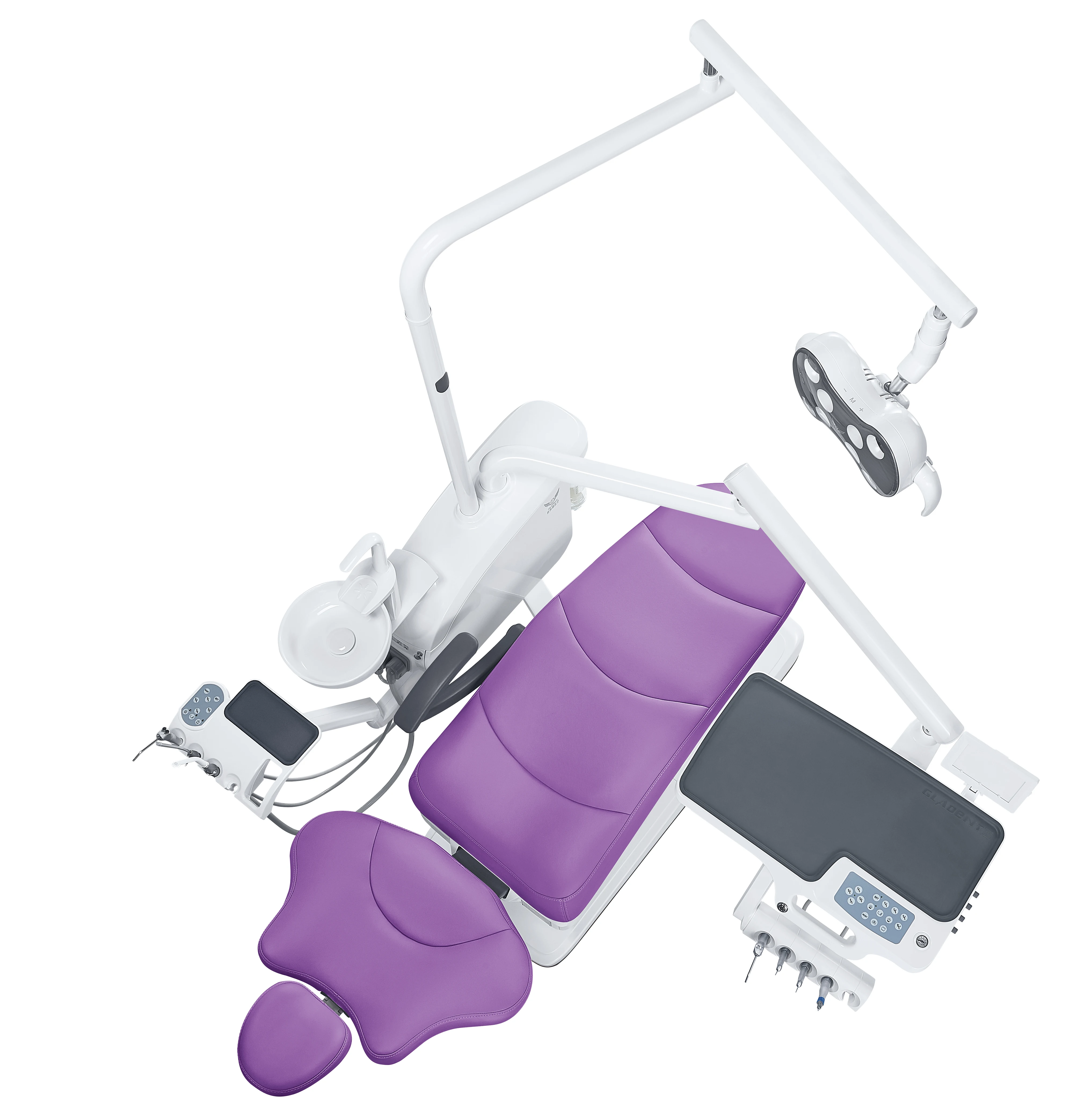
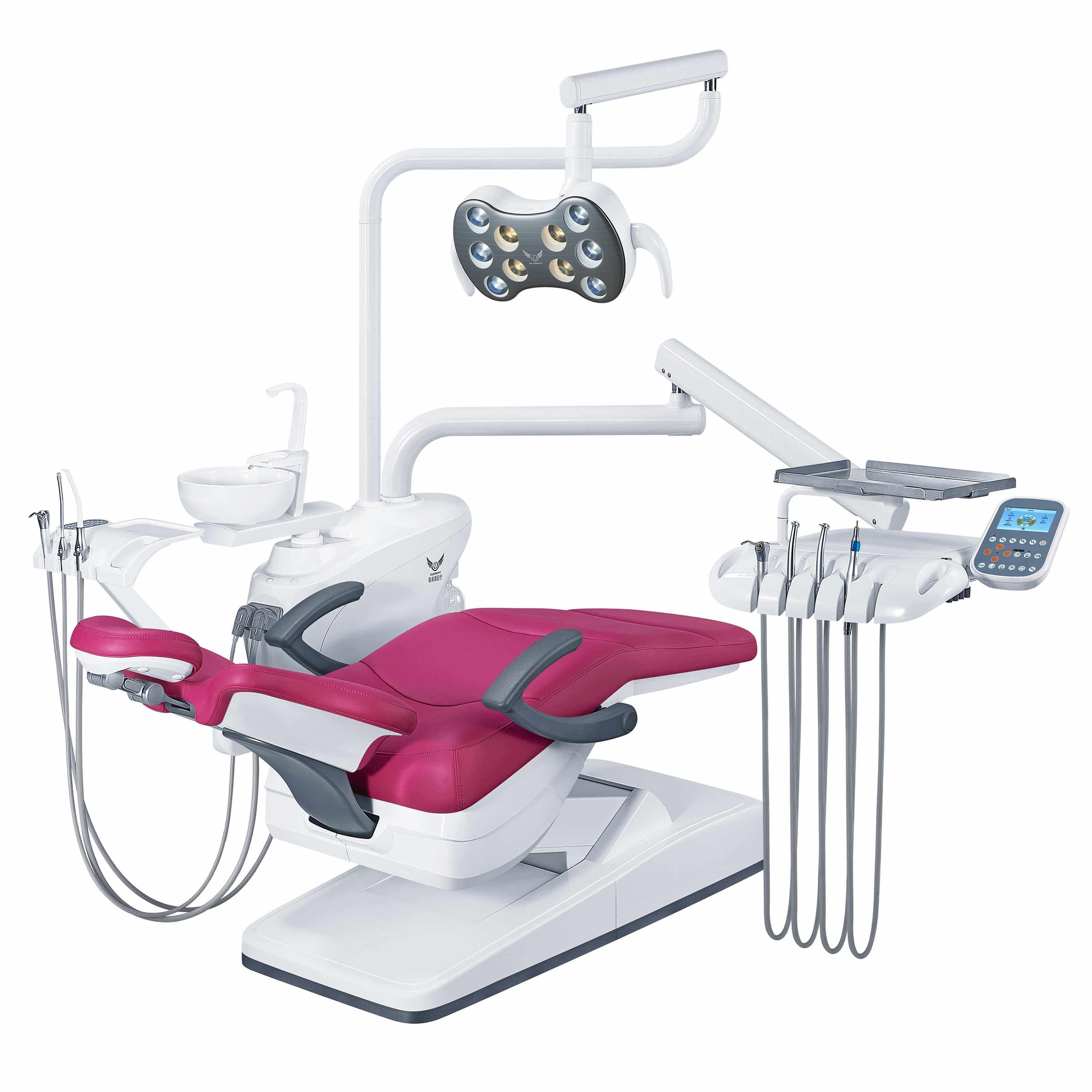
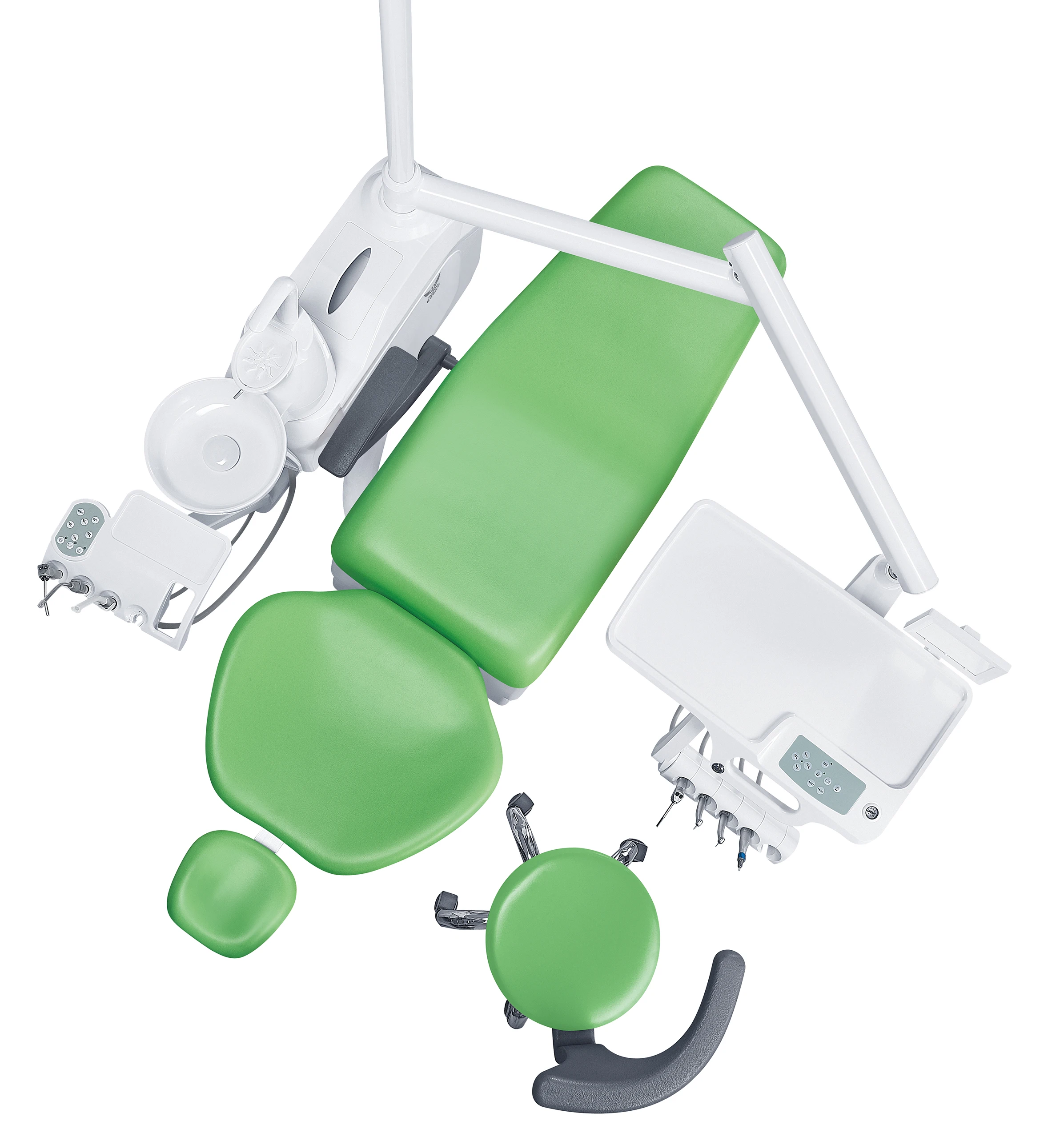
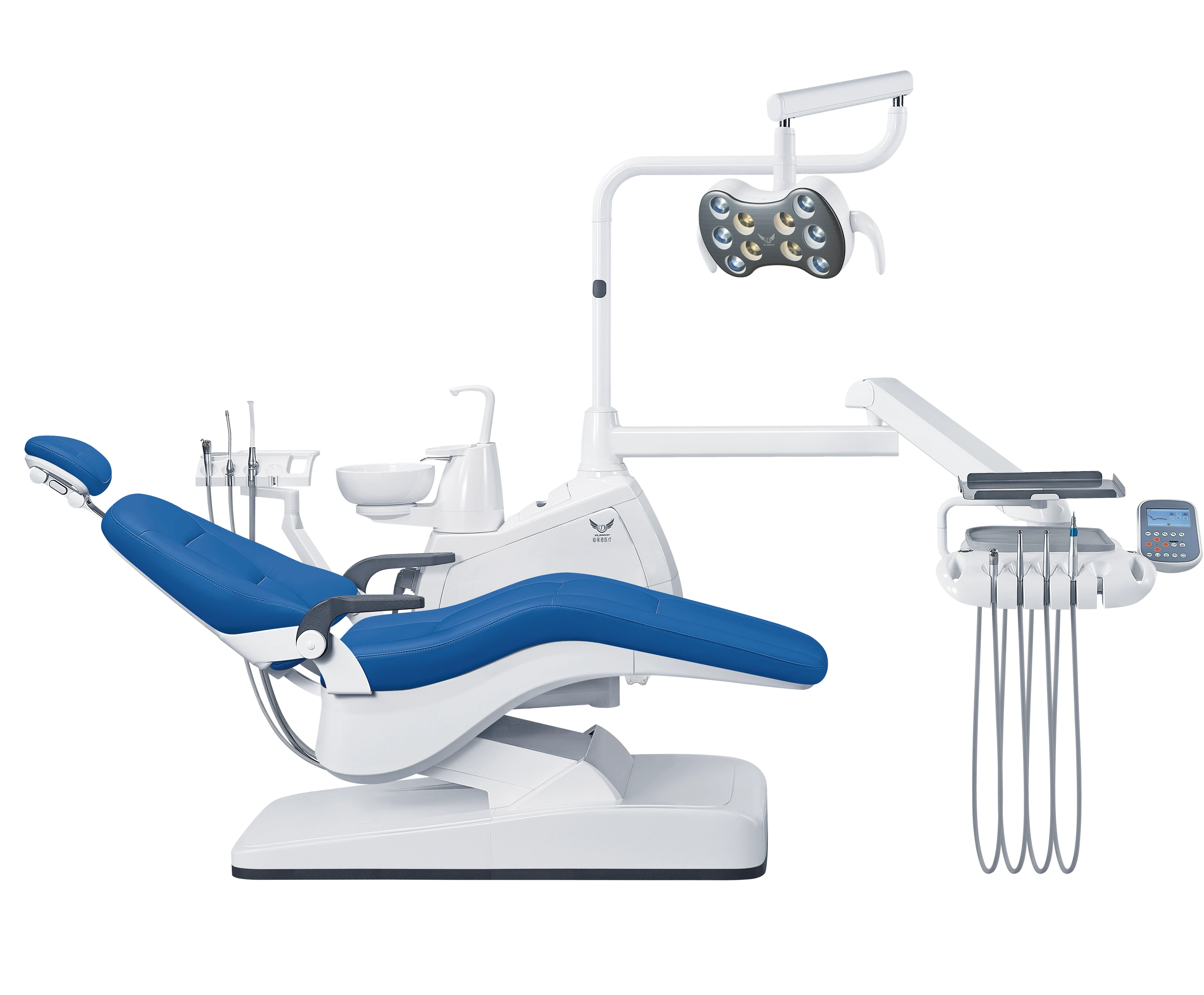
Operational efficiency stands as a defining characteristic of good dental equipment, delivering substantial value through streamlined workflows and dependable performance that supports practice productivity. Good dental equipment integrates multiple functions into consolidated systems, reducing the equipment footprint in treatment rooms while eliminating the time wasted switching between separate devices during procedures. This integration allows practitioners to maintain focus on patient care rather than managing equipment logistics, improving treatment quality while accelerating appointment throughput. The reliability factor inherent in good dental equipment provides peace of mind for practice owners and managers who depend on consistent equipment performance to maintain scheduling commitments and revenue targets. When good dental equipment functions predictably day after day, practices avoid the costly disruptions caused by equipment failures that force appointment rescheduling, disappoint patients, and create gaps in daily revenue. The importance of reliability amplifies in busy practices where every operatory must remain productive throughout the day to meet patient demand and financial objectives. Good dental equipment achieves this reliability through robust construction using premium materials that resist wear even under demanding use conditions, combined with proven mechanical designs that minimize failure points. Maintenance requirements for good dental equipment remain manageable, with accessible components that simplify routine servicing and clear maintenance schedules that prevent unexpected breakdowns. This serviceability extends equipment lifespan significantly, protecting the substantial investment practices make in clinical tools and systems. Good dental equipment manufacturers typically provide comprehensive support including training resources, technical assistance, and readily available replacement parts that minimize downtime when service becomes necessary. The efficiency advantages of good dental equipment extend to inventory management, as standardized consumables and accessories reduce the complexity of supply ordering and storage. Staff members work more efficiently with good dental equipment because consistent performance eliminates the troubleshooting time wasted on unreliable tools, allowing teams to focus energy on patient care rather than equipment management. Digital connectivity features in good dental equipment enable remote diagnostics and software updates, ensuring systems remain current with latest capabilities without requiring onsite service visits. Practice analytics become more meaningful when good dental equipment provides accurate usage data, supporting evidence-based decisions about operatory utilization, equipment investment priorities, and workflow optimization opportunities. The long-term value proposition of good dental equipment encompasses total cost of ownership considerations, where higher initial investment delivers returns through reduced maintenance expenses, extended service life, lower consumable costs, and sustained performance that maintains practice productivity year after year.
 EN
EN


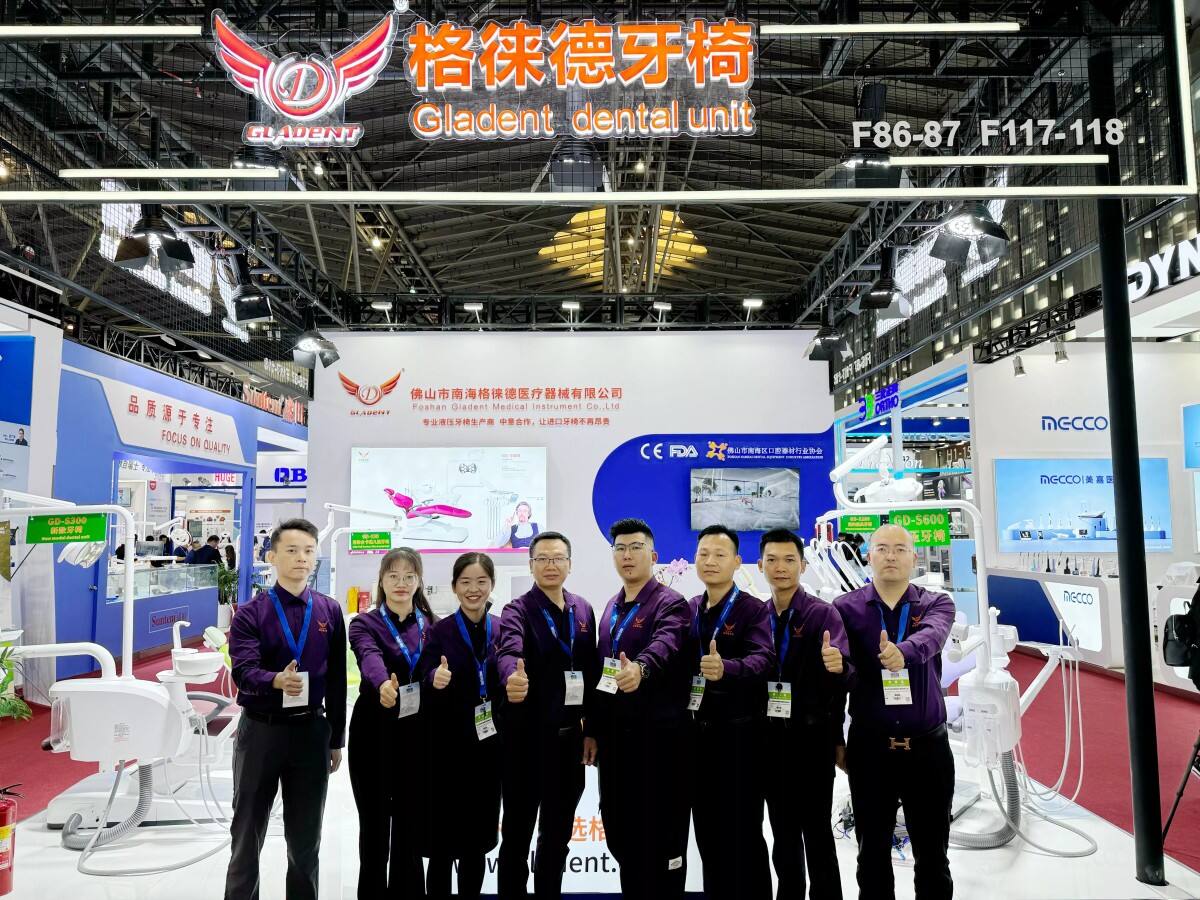
![Innovation Journey - GLADENT Dental Chairs: [The 30th South China International Dental Exhibition 2025 Concludes Successfully]](https://shopcdnpro.grainajz.com/category/19383/3803/616cc2b5bdfecec5e7c5b6aa95e40d84/%E5%BE%AE%E4%BF%A1%E5%9B%BE%E7%89%87_20250826164700.jpg)