Professional Implant Dental Unit Systems - Precision Equipment for Modern Implantology

EN EN

Call Us:+86-757-81267151

implant dental unit

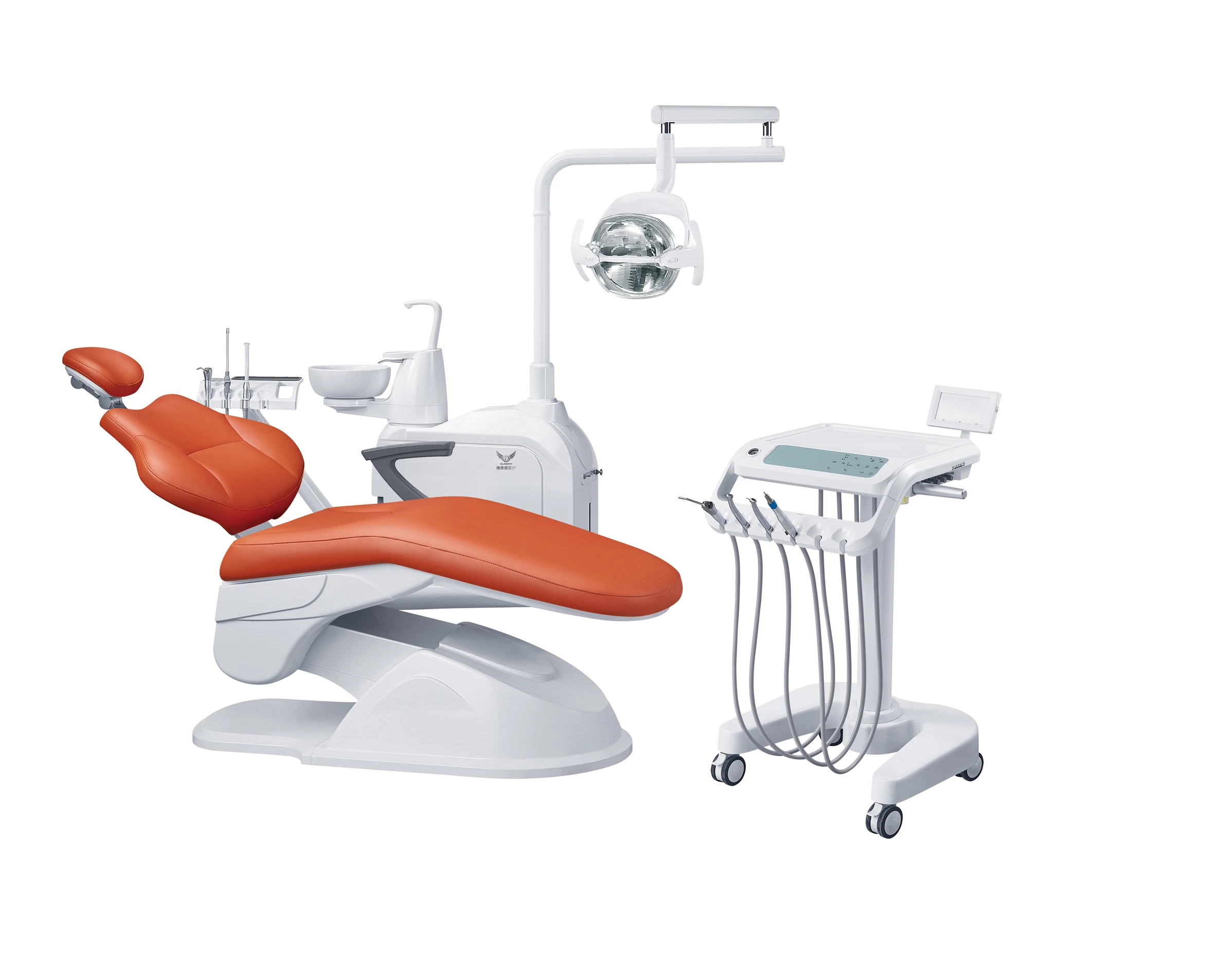
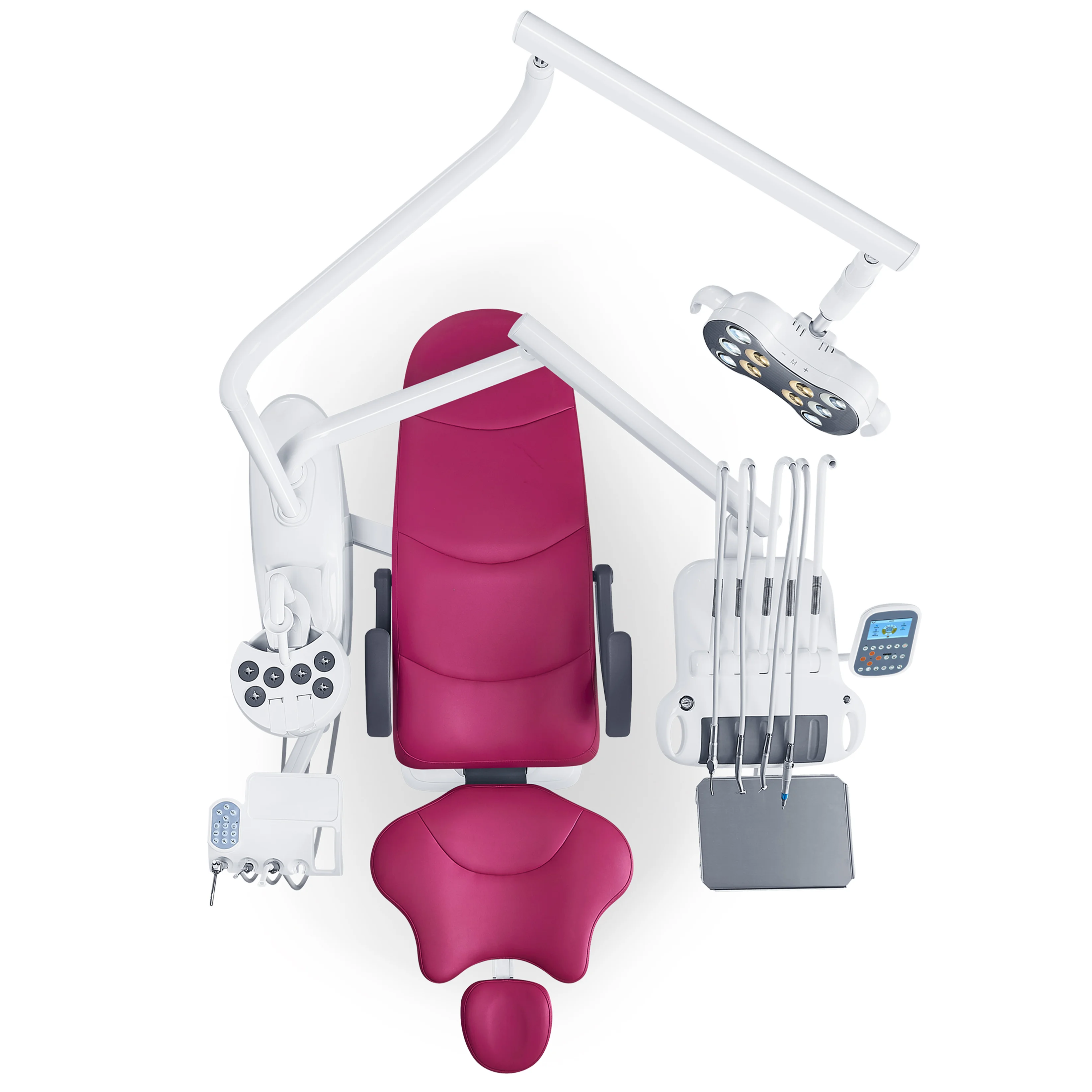
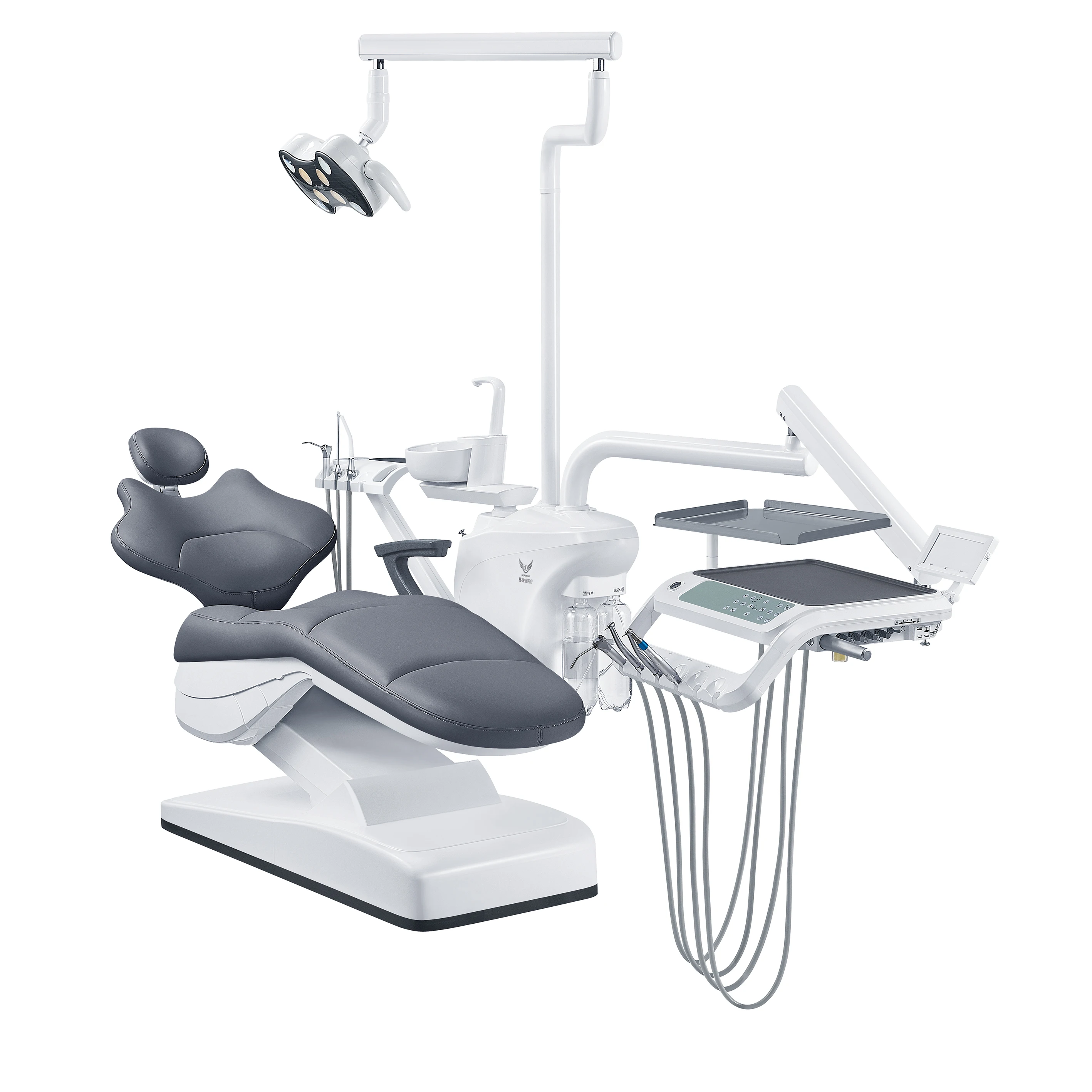
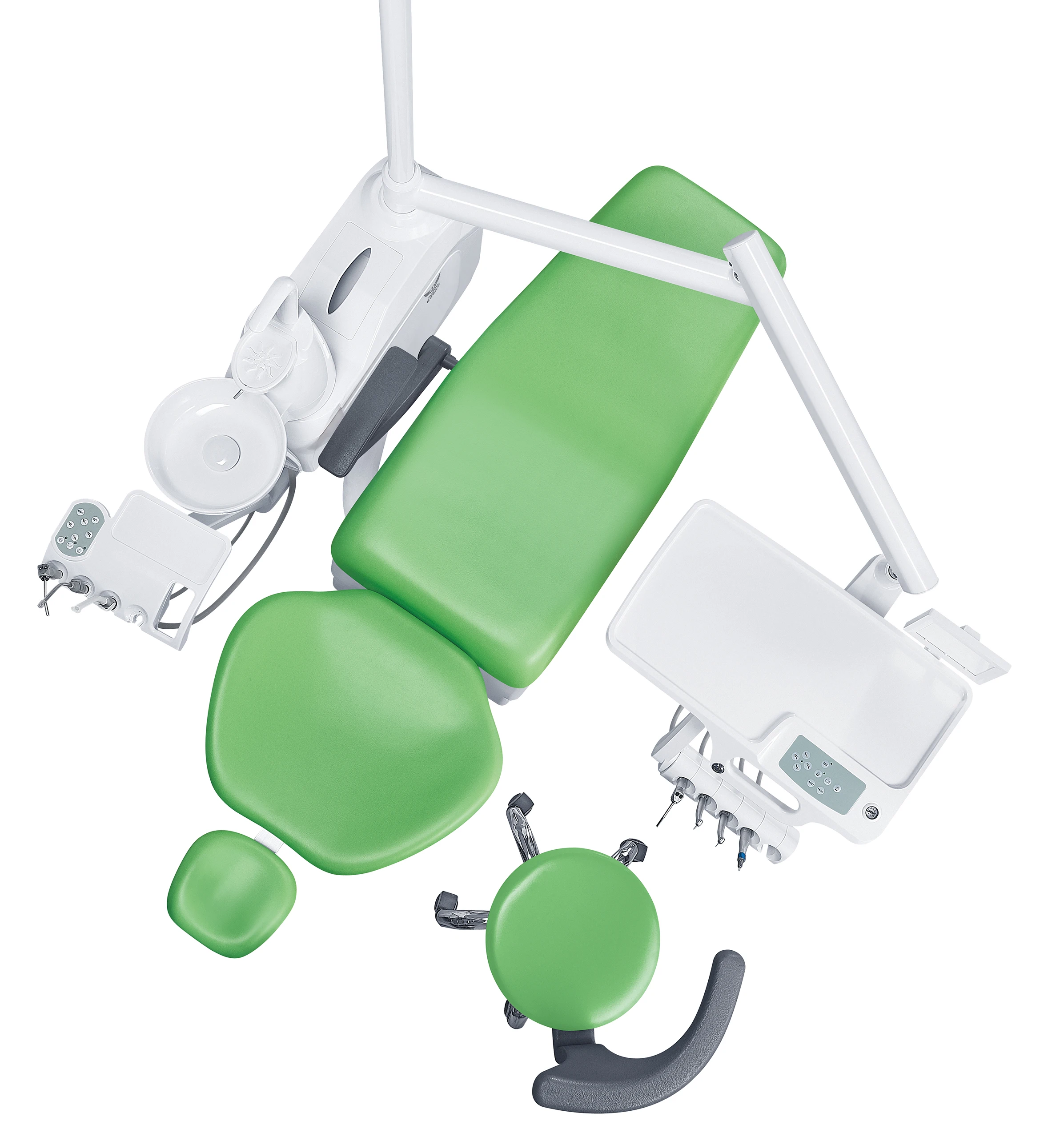
An implant dental unit represents a specialized piece of medical equipment designed specifically to support the complex procedures involved in dental implantology. This sophisticated system integrates multiple components and technologies to create an optimal environment for placing dental implants with precision and safety. The implant dental unit serves as a comprehensive workstation that combines surgical instruments, irrigation systems, lighting solutions, and monitoring capabilities into one cohesive platform. At its core, the implant dental unit provides controlled drilling capabilities essential for preparing the jawbone to receive titanium implants. The equipment features variable speed settings and torque control mechanisms that allow practitioners to work with different bone densities and anatomical considerations. Advanced implant dental unit models incorporate real-time feedback systems that monitor drilling depth, angulation, and force application, reducing the risk of complications during surgery. The irrigation system within the implant dental unit plays a critical role in maintaining appropriate temperatures during bone preparation, preventing thermal damage to surrounding tissues. This cooling mechanism delivers sterile saline solution directly to the surgical site, washing away debris while protecting delicate biological structures. Modern implant dental unit designs also include LED lighting systems that illuminate the working area, improving visibility during intricate procedures. These units often feature ergonomic handpiece designs that reduce practitioner fatigue during extended surgical sessions. The implant dental unit typically includes foot pedal controls, allowing hands-free operation and maintaining sterile protocols. Many contemporary systems integrate digital displays that show operational parameters, battery levels, and maintenance alerts. The versatility of the implant dental unit extends beyond implant placement, as these systems can accommodate various surgical procedures including bone grafting, sinus lifting, and ridge augmentation. The equipment's modular nature allows customization based on specific practice needs and surgical preferences. Storage compartments and organized instrument trays help maintain efficient workflows during procedures. The implant dental unit has become an indispensable tool in modern dental practices, supporting the growing demand for implant-based tooth replacement solutions and contributing to improved patient outcomes through enhanced precision and control.


Popular Products

The implant dental unit delivers substantial benefits that directly impact treatment quality and practice efficiency. First and foremost, these systems enhance surgical precision through advanced control mechanisms that give practitioners exact command over drilling speed and depth. This precision translates into better implant positioning, which directly affects long-term success rates and patient satisfaction. When implants are placed with optimal accuracy, they integrate more successfully with bone tissue and provide stable foundations for prosthetic teeth. The controlled environment created by the implant dental unit minimizes complications during surgery, reducing the need for corrective procedures and lowering overall treatment costs for patients. The built-in irrigation systems prevent overheating during bone preparation, protecting sensitive nerve structures and blood vessels from thermal injury. This safety feature significantly reduces post-operative discomfort and accelerates healing times, allowing patients to return to normal activities more quickly. The implant dental unit also improves workflow efficiency within dental practices by consolidating multiple functions into a single workstation. Practitioners spend less time switching between different pieces of equipment, which shortens procedure duration and allows more patients to be treated each day. The ergonomic design of modern implant dental unit systems reduces physical strain on dental professionals, decreasing fatigue and supporting career longevity. Foot pedal controls keep hands free for delicate surgical work while maintaining sterile conditions throughout procedures. The clear visual displays on the implant dental unit provide instant feedback about operational status, helping practitioners make real-time adjustments without interrupting surgical flow. These systems often include pre-programmed settings for common procedures, reducing setup time and minimizing the learning curve for new team members. The versatility of the implant dental unit means practices can handle diverse cases without investing in multiple specialized devices, improving return on equipment investment. Maintenance requirements are typically straightforward, with many units featuring self-diagnostic capabilities that alert users to potential issues before they cause operational disruptions. The professional appearance of a well-equipped implant dental unit also enhances patient confidence, as modern equipment signals commitment to quality care and current treatment methods. Patients appreciate the visible investment in advanced technology, which reduces anxiety about procedure outcomes. The consistent performance delivered by quality implant dental unit systems helps practices build strong reputations for reliable results, generating referrals and supporting practice growth. The integration of digital technologies in newer implant dental unit models enables documentation of surgical parameters, creating valuable records for quality assurance and continuous improvement. These data collection capabilities support evidence-based refinement of surgical techniques over time. The implant dental unit represents a smart investment that pays dividends through improved clinical outcomes, enhanced practice efficiency, reduced complication rates, and increased patient satisfaction, making it an essential component of modern implant dentistry.

Tips And Tricks

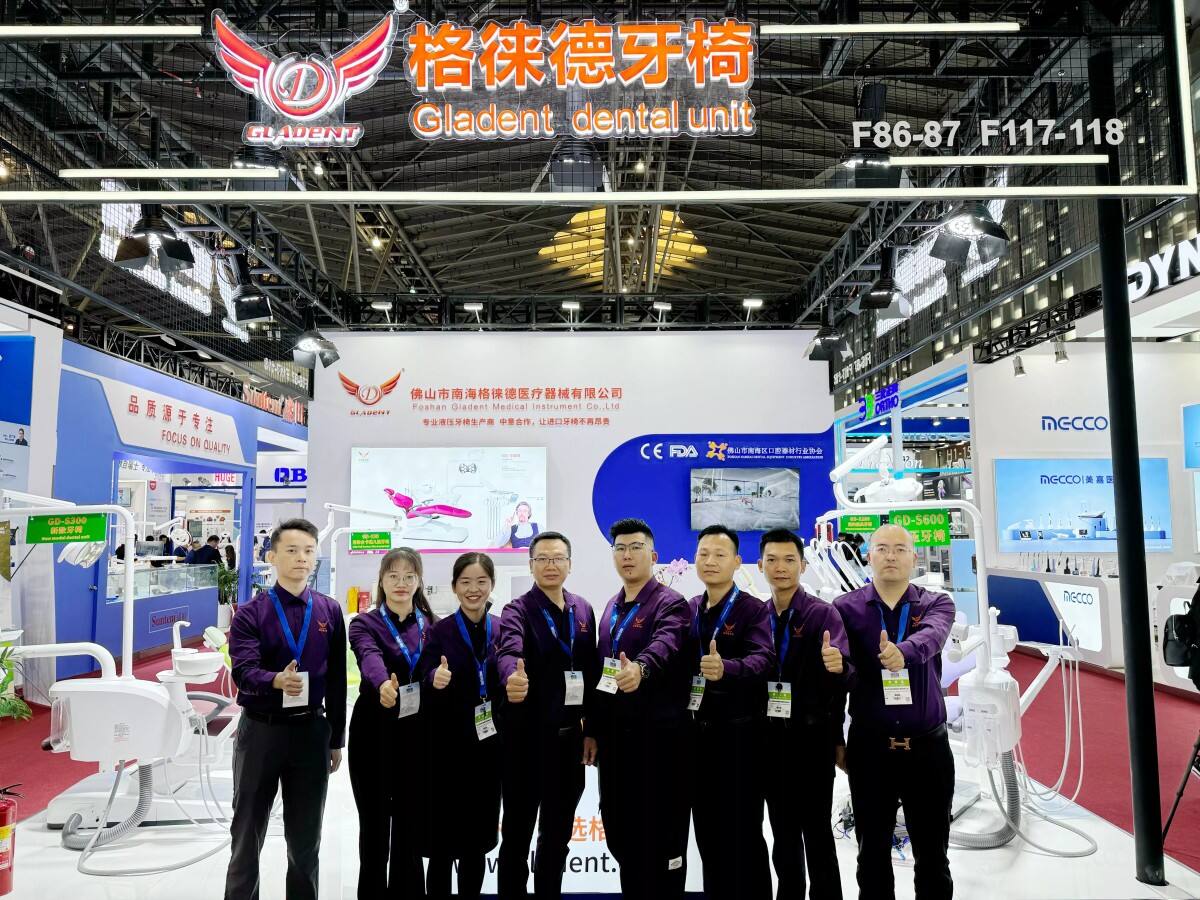
Gladent Medical in DenTech 2024 in Shanghai

27

Aug

Gladent Medical in DenTech 2024 in Shanghai

View More
Innovation Journey - GLADENT Dental Chairs: [The 30th South China International Dental Exhibition 2025 Concludes Successfully]

27

Aug

Innovation Journey - GLADENT Dental Chairs: [The 30th South China International Dental Exhibition 2025 Concludes Successfully]

View More
Distribute Women's Day gifts to female employees

28

Aug

Distribute Women's Day gifts to female employees

View More

Get a Free Quote

Our representative will contact you soon.
Email
Mobile
Name
Company Name
Message
0/1000

implant dental unit

Precision Control Technology for Optimal Implant Placement

Precision Control Technology for Optimal Implant Placement

The precision control technology integrated into modern implant dental unit systems represents a breakthrough in surgical accuracy and predictability. This advanced feature set includes variable speed motors with micro-adjustable torque settings that respond instantly to practitioner input, delivering exactly the power needed for each specific surgical situation. The implant dental unit achieves this through sophisticated sensor technology that monitors resistance levels during drilling, automatically adjusting output to maintain consistent performance across different bone densities. When working with dense cortical bone, the implant dental unit provides higher torque levels to ensure efficient cutting, while softer cancellous bone receives gentler treatment that preserves structural integrity. This intelligent adaptation prevents common complications like bone overheating or excessive force application that can compromise implant stability. The precision control features of the implant dental unit extend to depth management, with many systems offering programmable depth stops that prevent accidental drilling beyond planned parameters. These safeguards are particularly valuable when working near sensitive anatomical structures like nerve canals or sinus cavities, where even minor deviations can have serious consequences. Visual and audible feedback mechanisms alert practitioners when approaching preset limits, adding multiple layers of protection for patient safety. The implant dental unit typically includes angle guides and positioning aids that help maintain proper implant axis throughout preparation, ensuring prosthetic components will align correctly for optimal function and aesthetics. The smooth, vibration-free operation characteristic of quality implant dental unit systems contributes to cleaner osteotomy preparation with minimal trauma to surrounding tissues. This gentle approach promotes faster healing and better osseointegration outcomes. The precision delivered by the implant dental unit also reduces chair time per procedure, as practitioners can work confidently without excessive verification steps or corrective measures. The learning curve for new techniques becomes less steep when supported by the consistent performance of a reliable implant dental unit, helping practices expand service offerings more quickly. Advanced models feature memory functions that store preferred settings for different procedures, allowing rapid switching between surgical protocols without manual adjustment. This capability proves especially valuable in busy practices handling diverse case types throughout the day. The precision technology within the implant dental unit ultimately translates into higher success rates, fewer complications, improved patient experiences, and stronger practice reputations built on consistently excellent outcomes.
Comprehensive Irrigation and Cooling Systems for Tissue Protection

Comprehensive Irrigation and Cooling Systems for Tissue Protection

The irrigation and cooling capabilities built into quality implant dental unit systems provide essential protection for delicate oral tissues during surgical procedures. Bone tissue is particularly sensitive to temperature increases, with thermal damage occurring when drilling generates excessive heat without adequate cooling. The implant dental unit addresses this challenge through precisely engineered irrigation systems that deliver controlled streams of sterile saline solution directly to the surgical site. This continuous cooling prevents temperature spikes that could cause bone necrosis, a condition that severely compromises implant integration and can lead to treatment failure. The implant dental unit typically features adjustable flow rates that practitioners can modify based on drilling intensity and duration, ensuring adequate cooling throughout all phases of site preparation. The irrigation system within the implant dental unit also serves important cleansing functions, washing away bone debris and blood that would otherwise obscure visibility and potentially contaminate the implant surface. Clear visualization enabled by effective irrigation allows more accurate implant positioning and reduces procedure time. The implant dental unit often incorporates external irrigation channels that direct cooling fluid precisely where needed without flooding the surgical field excessively. This targeted delivery maintains a clean, controlled environment that supports optimal surgical technique. Many implant dental unit models include pulsed irrigation modes that alternate between flow and pause cycles, maximizing cooling efficiency while conserving solution volume. The temperature monitoring capabilities found in advanced implant dental unit systems provide real-time feedback about tissue conditions, alerting practitioners if thermal thresholds are approached. This monitoring function adds another safety layer that protects patients from preventable complications. The implant dental unit irrigation reservoir typically features large capacity designs that eliminate the need for refilling during procedures, maintaining uninterrupted workflow. Easy-access filling ports and clear level indicators simplify preparation and monitoring tasks. The sterile solution delivery system within the implant dental unit maintains contamination-free conditions from reservoir to surgical site, supporting infection control protocols essential for successful outcomes. The cooling performance of the implant dental unit directly influences bone quality preservation, which determines how well implants will integrate and function long-term. Properly cooled bone maintains its biological vitality and healing capacity, responding more favorably to implant placement. The comprehensive irrigation features of the implant dental unit demonstrate how thoughtful engineering translates into tangible clinical benefits, protecting patient tissues while enabling practitioners to work with confidence and efficiency throughout demanding surgical procedures.
Ergonomic Design and Workflow Integration for Enhanced Practice Efficiency

Ergonomic Design and Workflow Integration for Enhanced Practice Efficiency

The ergonomic design philosophy underlying modern implant dental unit construction recognizes that practitioner comfort and workflow efficiency directly impact treatment quality and practice productivity. These systems feature carefully balanced handpieces that minimize hand and wrist fatigue during extended procedures, allowing surgeons to maintain steady control and precise movements throughout long surgical sessions. The implant dental unit handpiece design typically incorporates lightweight materials and optimal weight distribution that reduce the physical demands of repetitive drilling motions. This ergonomic consideration becomes especially important as practices increase their implant caseloads and practitioners perform multiple procedures daily. The implant dental unit often includes swivel connections and flexible tubing that prevent tangling and allow natural movement patterns without equipment constraints. This freedom of motion supports comfortable working positions and reduces awkward postures that contribute to musculoskeletal strain. Foot pedal controls integrated into the implant dental unit enable hands-free operation, keeping both hands available for surgical tasks while maintaining sterile protocols. The pedal design typically features intuitive layouts with clearly defined zones for different functions, allowing practitioners to make adjustments without looking away from the surgical field. The implant dental unit control panel positioning considers optimal viewing angles and reach distances, ensuring all necessary information and adjustments remain easily accessible throughout procedures. Clear digital displays on the implant dental unit present critical operational data like speed settings, torque levels, and irrigation flow rates in easily readable formats that support quick decision-making. The organizational features built into quality implant dental unit systems include dedicated storage areas for commonly used instruments and accessories, reducing time spent searching for tools during surgery. These thoughtful details contribute to smoother workflows and shorter procedure times. The implant dental unit typically offers quick-change coupling systems for different handpiece attachments, enabling rapid switching between drilling, implant placement, and finishing procedures without complex disconnection processes. This versatility allows the implant dental unit to support complete surgical sequences efficiently. The mobility features found in many implant dental unit models include smooth-rolling casters and compact footprints that facilitate positioning adjustments and room reconfiguration as needed. The unit can be moved between operatories or positioned optimally for specific procedures without difficulty. Cable management systems within the implant dental unit prevent tripping hazards and maintain organized, professional treatment spaces. The intuitive interface design of modern implant dental unit systems reduces training time for new staff members, with logical control arrangements and clear labeling that minimize confusion. The overall workflow integration achieved by well-designed implant dental unit systems transforms daily practice operations, supporting higher productivity, reduced physical demands, improved treatment consistency, and enhanced team satisfaction that contributes to stable staffing and practice success.