Electric Dental Equipment: Advanced Precision Technology for Modern Dental Practices

EN EN

Call Us:+86-757-81267151

electric dental equipment

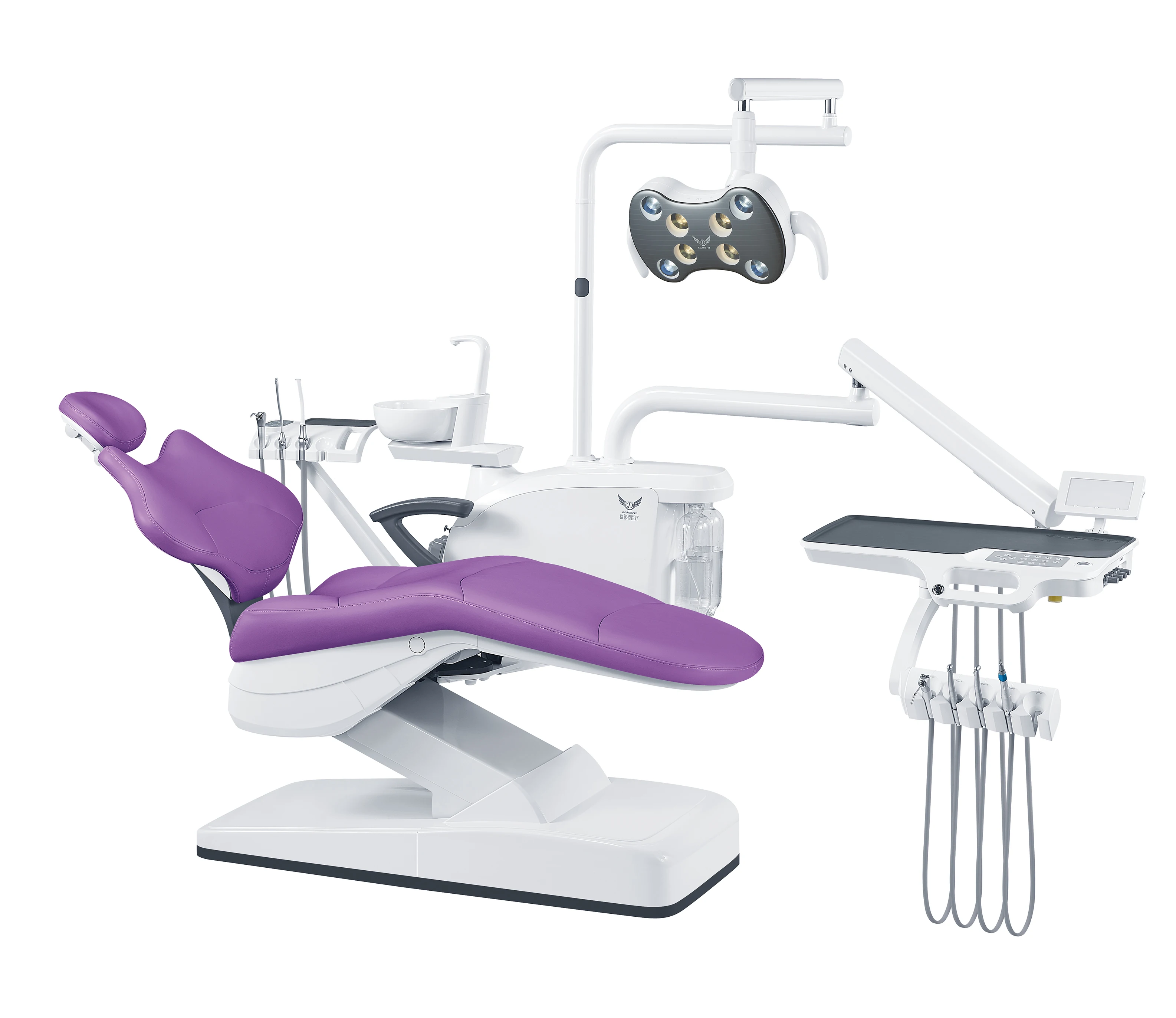
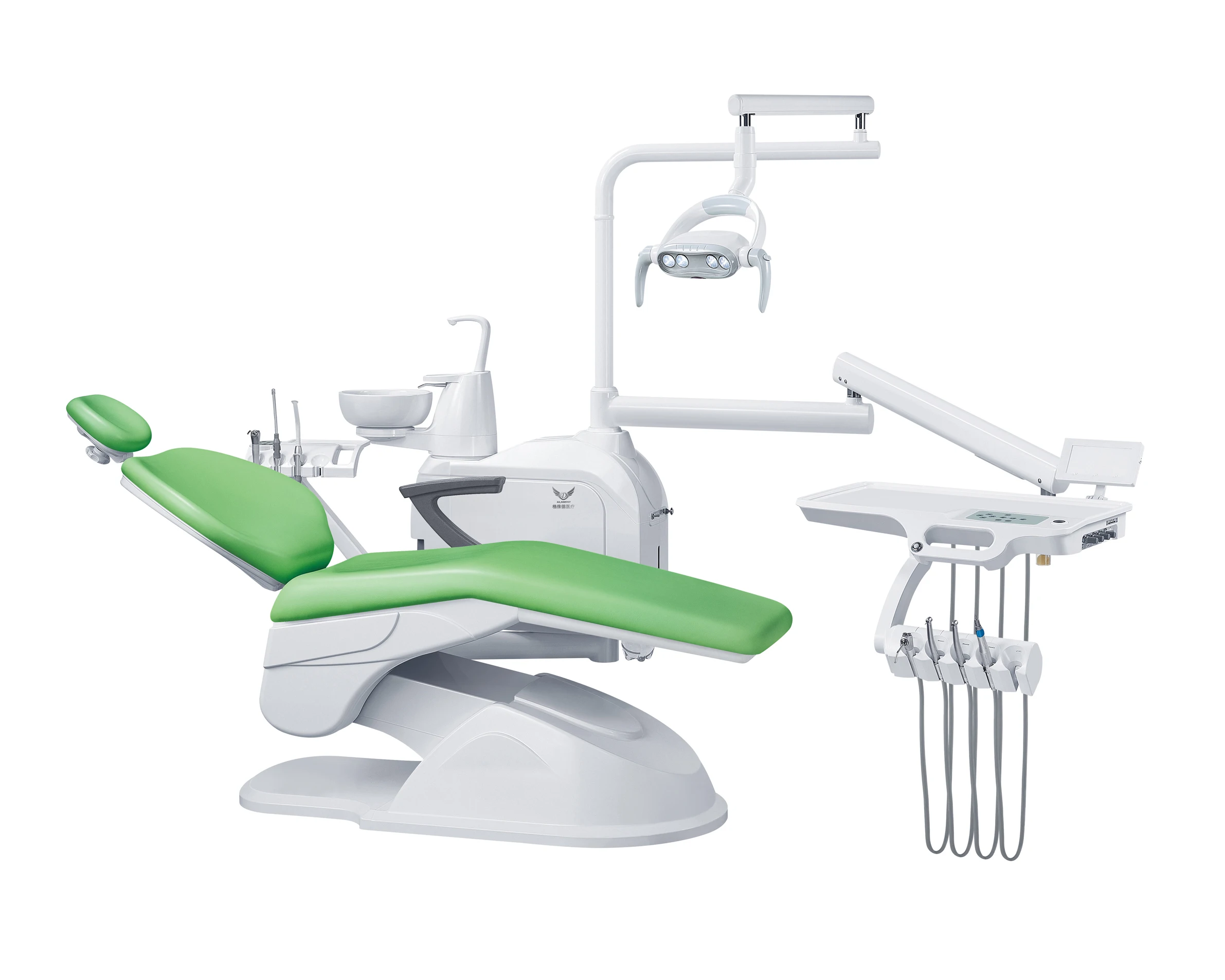
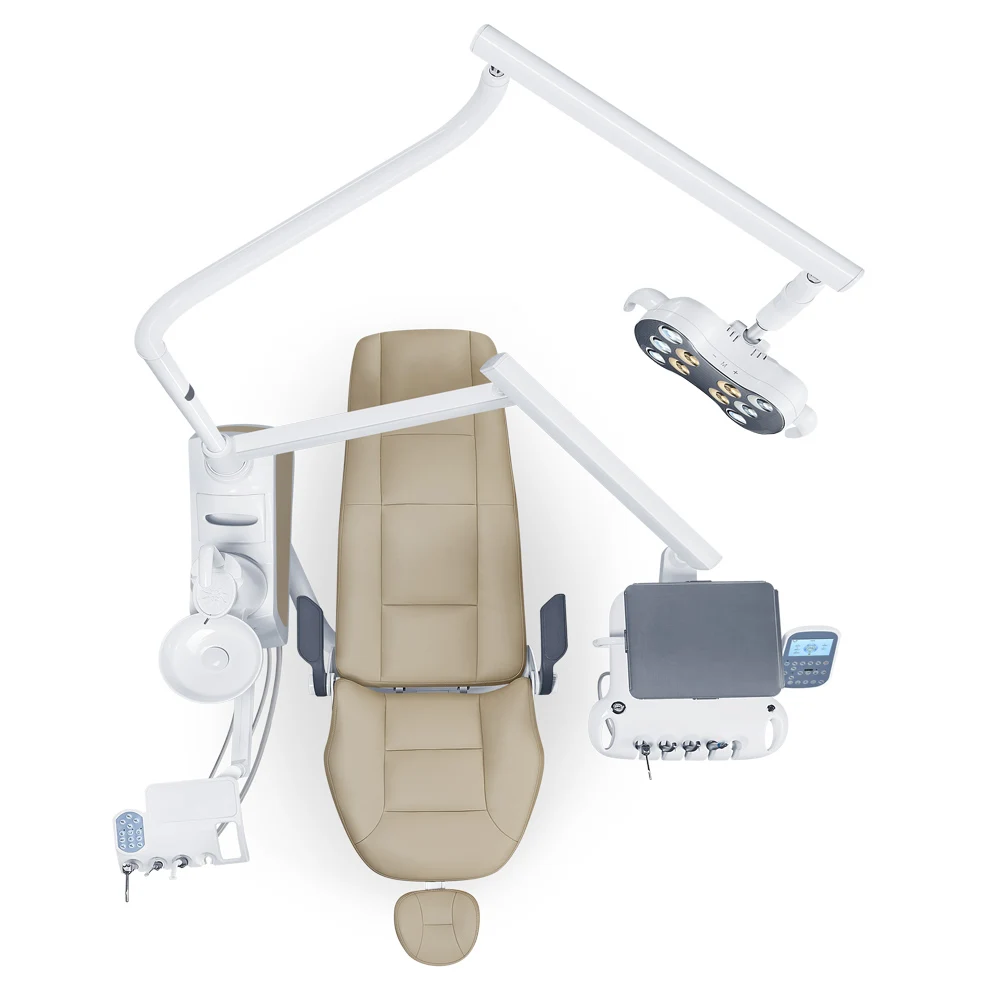
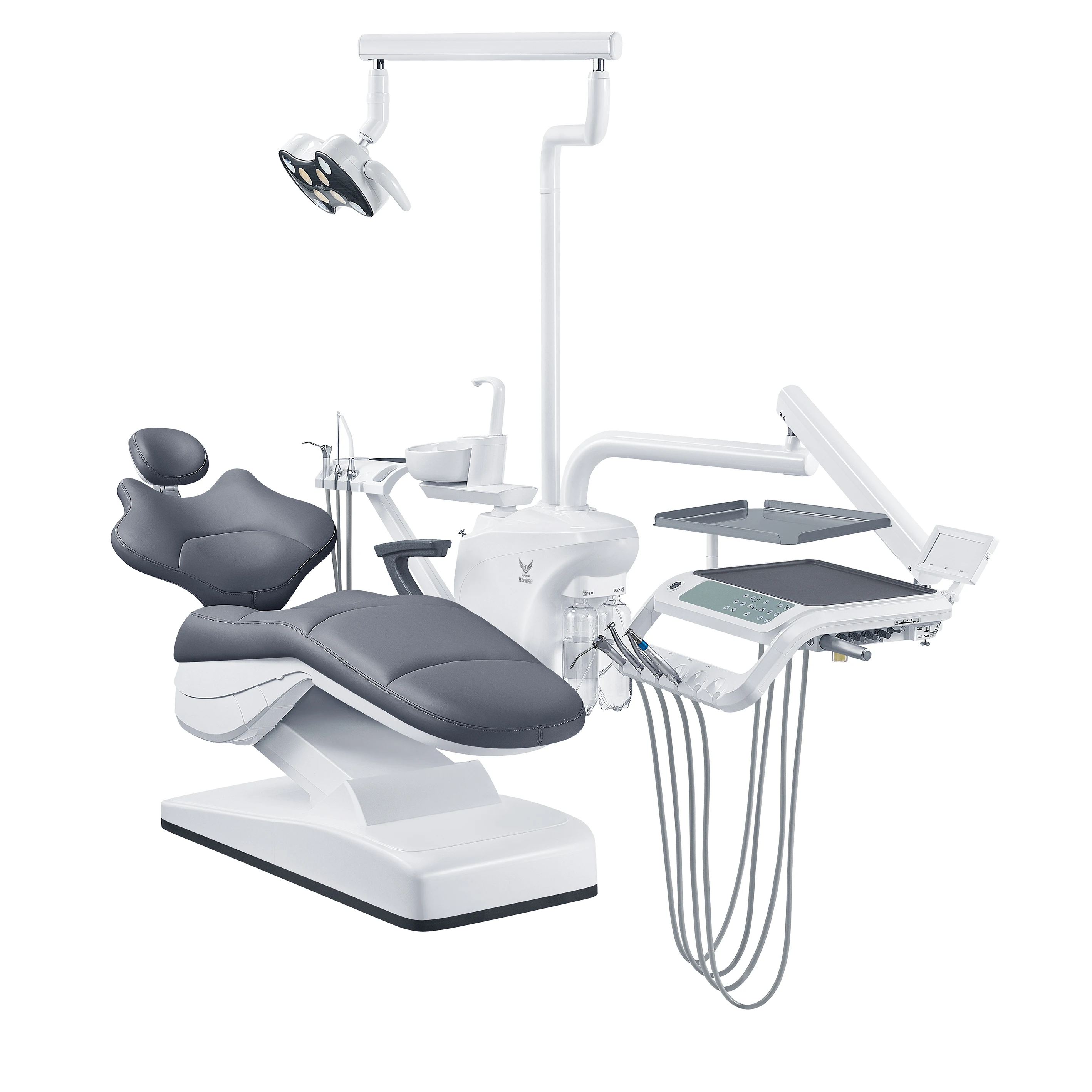
Electric dental equipment represents a revolutionary advancement in modern dentistry, transforming how oral healthcare professionals deliver treatment and how patients experience dental care. This sophisticated technology encompasses a wide range of powered instruments designed to enhance precision, efficiency, and comfort during dental procedures. Electric dental equipment includes high-speed handpieces, low-speed motors, electric scalers, endodontic systems, and various powered tools that have become indispensable in contemporary dental practices. The main functions of electric dental equipment revolve around providing controlled, consistent power delivery for cutting, shaping, polishing, and cleaning tooth structures with exceptional accuracy. These devices utilize advanced motor technology to maintain constant torque regardless of resistance, ensuring predictable outcomes during intricate procedures. The technological features distinguishing electric dental equipment include brushless motor designs that eliminate carbon brush wear, digital speed control systems allowing practitioners to select precise RPM settings, LED lighting integrated into handpieces for enhanced visibility, and ergonomic designs reducing hand fatigue during extended procedures. Many systems incorporate intelligent feedback mechanisms that automatically adjust power output based on tissue resistance, preventing accidental damage. Applications of electric dental equipment span virtually all dental specialties, from general restorative work including cavity preparation and crown fabrication to specialized endodontic procedures requiring precise canal shaping, periodontal treatments involving calculus removal, and prosthodontic applications demanding exact preparation margins. Implant dentistry particularly benefits from electric systems offering programmable torque limits and speed ratios optimized for different surgical phases. The equipment finds essential use in pediatric dentistry where gentle, predictable operation helps minimize patient anxiety, and in cosmetic procedures where precision directly impacts aesthetic outcomes. This versatile technology continues evolving with wireless capabilities, improved battery systems, and smart connectivity features that integrate with practice management software, representing the future direction of dental care delivery.

New Product Recommendations

The advantages of electric dental equipment extend far beyond simple automation, delivering tangible benefits that improve both practitioner performance and patient satisfaction in measurable ways. First and foremost, these systems provide superior control compared to traditional air-driven alternatives, allowing dentists to work with greater confidence and achieve more predictable results. The constant torque characteristic means the handpiece maintains consistent cutting speed even when encountering harder tooth structures, eliminating the speed variations that can cause imprecise preparations or inadvertent damage. This reliability translates directly into better fitting restorations, reduced chair time, and fewer callbacks for adjustments. Patients appreciate the quieter operation of electric dental equipment, as modern brushless motors generate significantly less noise than air turbines, creating a more relaxing treatment environment that helps reduce dental anxiety. The reduced vibration inherent in electric systems similarly contributes to patient comfort while simultaneously decreasing hand fatigue for practitioners who perform multiple procedures daily. This ergonomic advantage cannot be overstated, as it directly impacts career longevity and quality of life for dental professionals. Electric dental equipment offers substantial efficiency gains through faster cutting speeds when needed and the ability to operate effectively at lower speeds for delicate work, providing versatility that single-speed pneumatic systems cannot match. The programmable settings available on quality electric systems allow practitioners to save preferred configurations for different procedure types, eliminating time spent adjusting controls between patients and ensuring consistency across treatment sessions. Maintenance requirements for electric dental equipment prove less demanding than pneumatic systems, as there are no air lines to service, no moisture contamination issues to address, and fewer moving parts subject to wear. The elimination of compressed air dependency also means practices can reduce infrastructure costs and energy consumption associated with running air compressors. Modern electric systems incorporate advanced sterilization compatibility, with handpieces designed to withstand repeated autoclaving cycles without performance degradation, ensuring the highest infection control standards. The precision offered by electric dental equipment enables minimally invasive dentistry approaches, allowing practitioners to remove only diseased tissue while preserving maximum healthy tooth structure, aligning with contemporary conservative treatment philosophies. Investment in quality electric dental equipment demonstrates a commitment to excellence that patients recognize and value, often becoming a practice differentiator in competitive markets. The technology supports better documentation through integration capabilities, with some systems recording procedure parameters that can be stored in patient records for reference. Long-term cost analysis consistently favors electric dental equipment despite higher initial investment, as reduced consumable costs, lower maintenance expenses, and improved procedural efficiency combine to deliver superior return on investment over the equipment lifecycle.

Practical Tips

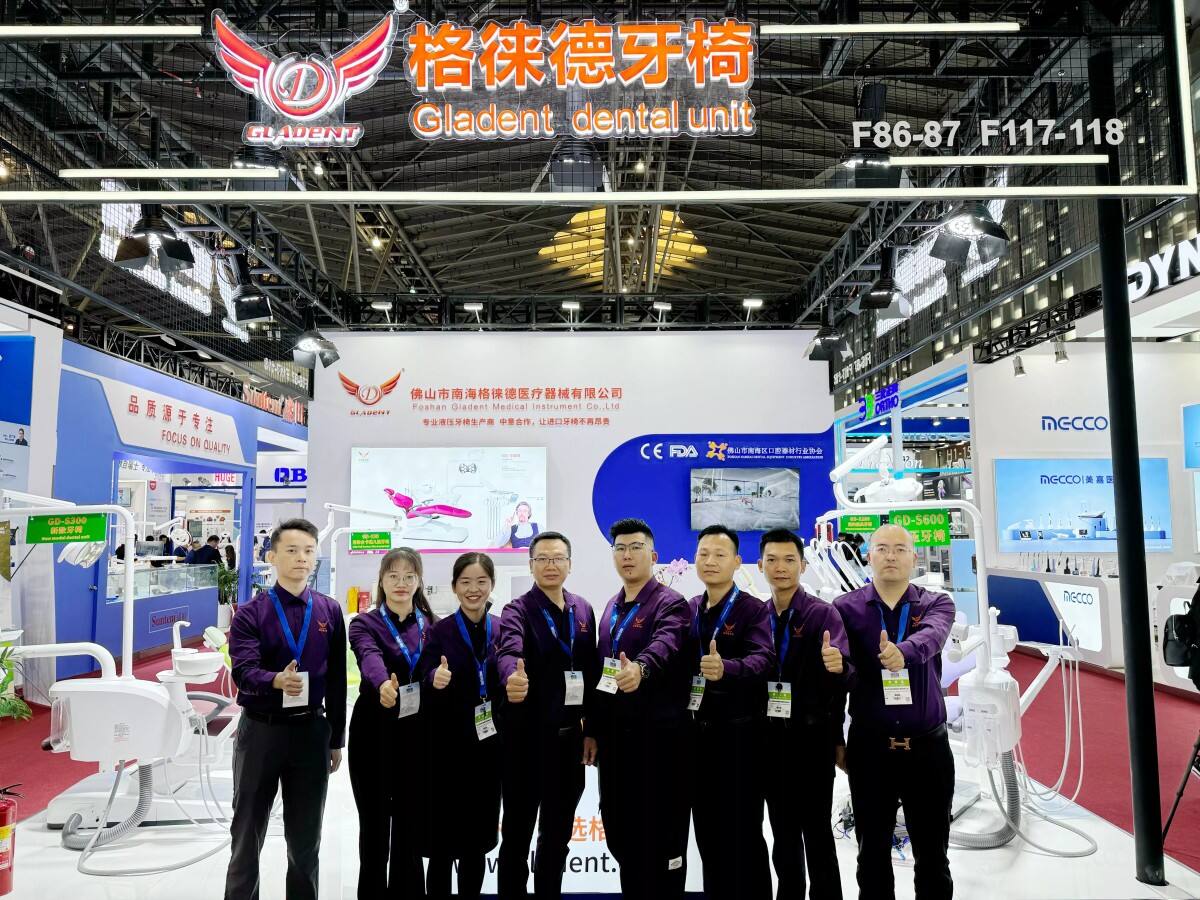
Gladent Medical in DenTech 2024 in Shanghai

27

Aug

Gladent Medical in DenTech 2024 in Shanghai

View More
Innovation Journey - GLADENT Dental Chairs: [The 30th South China International Dental Exhibition 2025 Concludes Successfully]

27

Aug

Innovation Journey - GLADENT Dental Chairs: [The 30th South China International Dental Exhibition 2025 Concludes Successfully]

View More
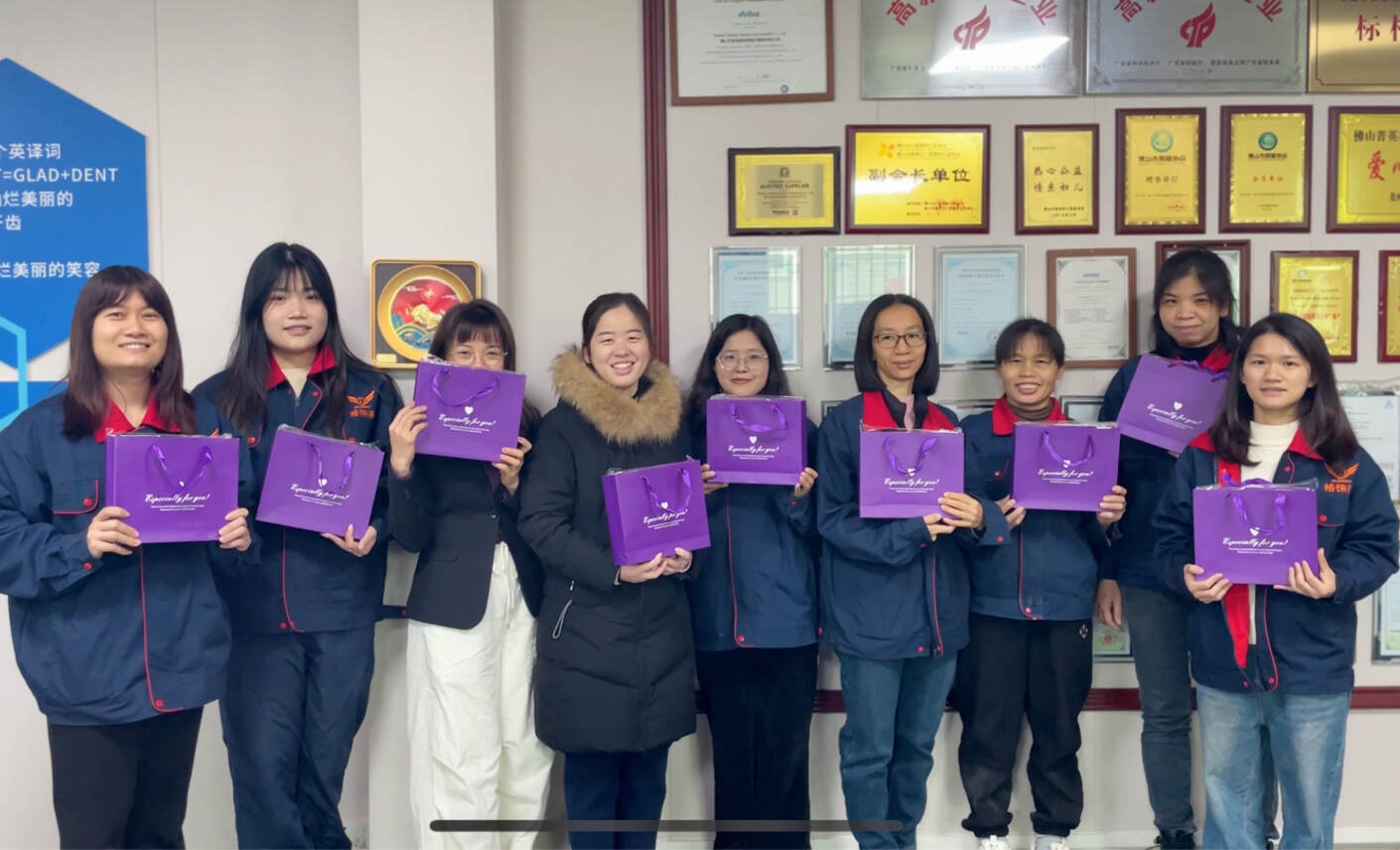
Distribute Women's Day gifts to female employees

28

Aug

Distribute Women's Day gifts to female employees

View More

Get a Free Quote

Our representative will contact you soon.
Email
Mobile
Name
Company Name
Message
0/1000

electric dental equipment

Unmatched Precision Through Advanced Motor Technology

Unmatched Precision Through Advanced Motor Technology

The cornerstone advantage distinguishing electric dental equipment from conventional alternatives lies in its sophisticated motor technology that delivers unmatched precision during critical dental procedures. Modern electric systems employ brushless motor designs incorporating rare-earth magnets and advanced electronic commutation, generating smooth, consistent rotational force across the entire speed range without the fluctuations characteristic of air-driven turbines. This technological superiority manifests in maintaining constant torque output regardless of resistance encountered during cutting, meaning the bur maintains its programmed speed whether working through soft dentin or hard enamel. For practitioners, this consistency translates into predictable material removal rates, enabling more accurate preparation depths and margins essential for properly fitting crowns, inlays, and veneers. The precision control extends to starting and stopping, with electric dental equipment offering instantaneous response to foot pedal input without the lag time or gradual acceleration associated with pneumatic systems. This responsiveness proves particularly valuable during procedures requiring intermittent cutting patterns, such as cavity preparation where the dentist alternates between active cutting and examination. Advanced electric systems incorporate microprocessor control that monitors motor performance thousands of times per second, making real-time adjustments to maintain selected parameters with remarkable accuracy. Many premium models feature programmable torque limits that prevent the handpiece from exceeding specified force thresholds, providing an additional safety mechanism during delicate procedures near pulp chambers or in compromised tooth structures. The precision offered by electric dental equipment enables practitioners to adopt minimally invasive techniques, selectively removing only diseased tissue while preserving healthy tooth structure that would be sacrificed using less controllable instruments. This capability aligns perfectly with contemporary dental philosophy emphasizing conservation of natural tooth material whenever possible. The technology particularly benefits complex procedures like endodontic access preparation, where precise control prevents perforation risks, and crown preparations requiring exact convergence angles and finish line placement. Implant dentistry represents another application where the precision of electric dental equipment proves indispensable, with systems offering specific programs controlling speed reduction ratios and torque limits optimized for different phases of site preparation and fixture placement. The consistent performance eliminates variables that previously depended heavily on operator experience and tactile feedback alone, somewhat democratizing advanced procedures by providing technological support that helps practitioners achieve expert-level results more reliably.
Enhanced Patient Comfort and Experience

Enhanced Patient Comfort and Experience

Electric dental equipment fundamentally transforms the patient experience by addressing multiple factors that traditionally contribute to dental anxiety and discomfort, making visits more pleasant and potentially improving treatment acceptance rates. The most immediately noticeable difference patients report involves significantly reduced noise levels compared to air-driven alternatives, with modern electric handpieces operating at sound intensities often 20-30 decibels lower than traditional turbines. This quieter operation creates a less intimidating clinical environment, particularly benefiting anxious patients and children who may associate the characteristic high-pitched whine of conventional drills with discomfort. The psychological impact of reduced noise cannot be understated, as auditory stimuli represent one of the primary triggers for dental phobia, and practices utilizing electric dental equipment frequently report improved patient relaxation and cooperation during procedures. Beyond noise reduction, these systems generate substantially less vibration transmitted to tooth structures and surrounding tissues, minimizing the unpleasant sensations patients experience during treatment. Lower vibration levels also reduce the likelihood of microfractures in restored teeth and decrease post-operative sensitivity, contributing to better long-term outcomes and patient satisfaction. Electric dental equipment enables more comfortable procedures through its ability to operate effectively across a wider speed range, allowing practitioners to select optimal parameters for different tissues and procedure phases rather than being constrained to the limited operating window of pneumatic systems. For example, slow-speed cutting with electric handpieces can remove carious tissue gently without generating excessive heat, reducing the burning sensation and unpleasant odors that patients find objectionable. The superior torque characteristics of electric systems mean practitioners can work more efficiently, completing procedures in less time without sacrificing quality, thereby reducing the duration patients must remain in the chair with their mouths open. This efficiency advantage particularly benefits individuals with limited jaw mobility, strong gag reflexes, or conditions making extended appointments challenging. The smooth, consistent operation of electric dental equipment also allows for more deliberate, controlled movements, reducing the likelihood of slips that might cause soft tissue trauma or inadvertent contact with sensitive areas. Many electric systems incorporate improved cooling mechanisms with precisely controlled water spray patterns, maintaining optimal temperature management during cutting while minimizing the excess water accumulation that patients find uncomfortable. The overall refinement in how electric dental equipment operates contributes to a perception of advanced, high-quality care that enhances patient confidence in their chosen dental provider and increases likelihood of maintaining regular preventive visit schedules rather than avoiding dental care due to negative associations.
Long-Term Value and Practice Efficiency

Long-Term Value and Practice Efficiency

Investing in electric dental equipment delivers substantial long-term value that extends well beyond the immediate clinical advantages, fundamentally improving practice efficiency, reducing operating costs, and providing competitive advantages in increasingly demanding healthcare markets. While initial acquisition costs for quality electric systems typically exceed those of pneumatic alternatives, comprehensive lifecycle analysis consistently demonstrates superior return on investment through multiple channels. The maintenance requirements for electric dental equipment prove significantly less demanding and expensive than air-driven systems, as the sealed motor designs eliminate issues related to moisture contamination, air line degradation, and the frequent bearing replacements necessitated by pneumatic turbine operation. Practices utilizing electric systems report reduced handpiece repair frequency and longer intervals between major service requirements, translating directly into lower annual maintenance budgets and decreased downtime that would otherwise disrupt scheduling and reduce productivity. The elimination of compressed air dependency for handpieces allows practices to reduce infrastructure investment in air compressor systems or redirect existing air supply capacity to other equipment, potentially downsizing compressor requirements during future upgrades and reducing ongoing energy consumption. Electric dental equipment contributes to improved practice efficiency through features like programmable settings that can be customized for different practitioners or procedure types, eliminating time spent manually adjusting parameters between patients and ensuring consistency across treatment sessions. Some advanced systems offer memory functions storing dozens of preferred configurations accessible through simple interface selections, supporting streamlined workflows in busy multi-provider practices. The superior cutting efficiency of electric dental equipment means procedures often require less time to complete without sacrificing quality, enabling practices to serve more patients within existing schedules or reduce appointment durations, both outcomes improving patient satisfaction and practice profitability. Documentation capabilities integrated into modern electric systems provide valuable data recording procedure parameters automatically associated with patient records, supporting quality assurance initiatives and providing objective evidence of care delivery standards. The reliability and performance characteristics of quality electric dental equipment become marketing differentiators that practices can leverage when attracting new patients, particularly demographic segments prioritizing access to advanced technology and modern treatment approaches. Patient perception studies consistently show that visible investment in current equipment positively influences confidence in provider competency and practice commitment to excellence. Electric dental equipment supports recruitment and retention of associate dentists and hygienists who prefer working with contemporary tools offering ergonomic advantages and performance capabilities that make their work more satisfying and less physically demanding. The reduced vibration and improved balance of electric handpieces contribute to decreased repetitive strain injuries, potentially extending career longevity for practitioners and reducing disability insurance costs for practice owners. From an infection control perspective, electric dental equipment designed for repeated autoclave sterilization ensures compliance with evolving safety standards while avoiding the performance degradation that affects some pneumatic handpieces subjected to heat sterilization cycles. Forward compatibility represents another long-term value consideration, as quality electric systems from reputable manufacturers typically offer upgrade paths through firmware updates and accessory compatibility, protecting the initial investment as technology continues advancing.