Advanced Positioning Technology for Optimal Treatment Access
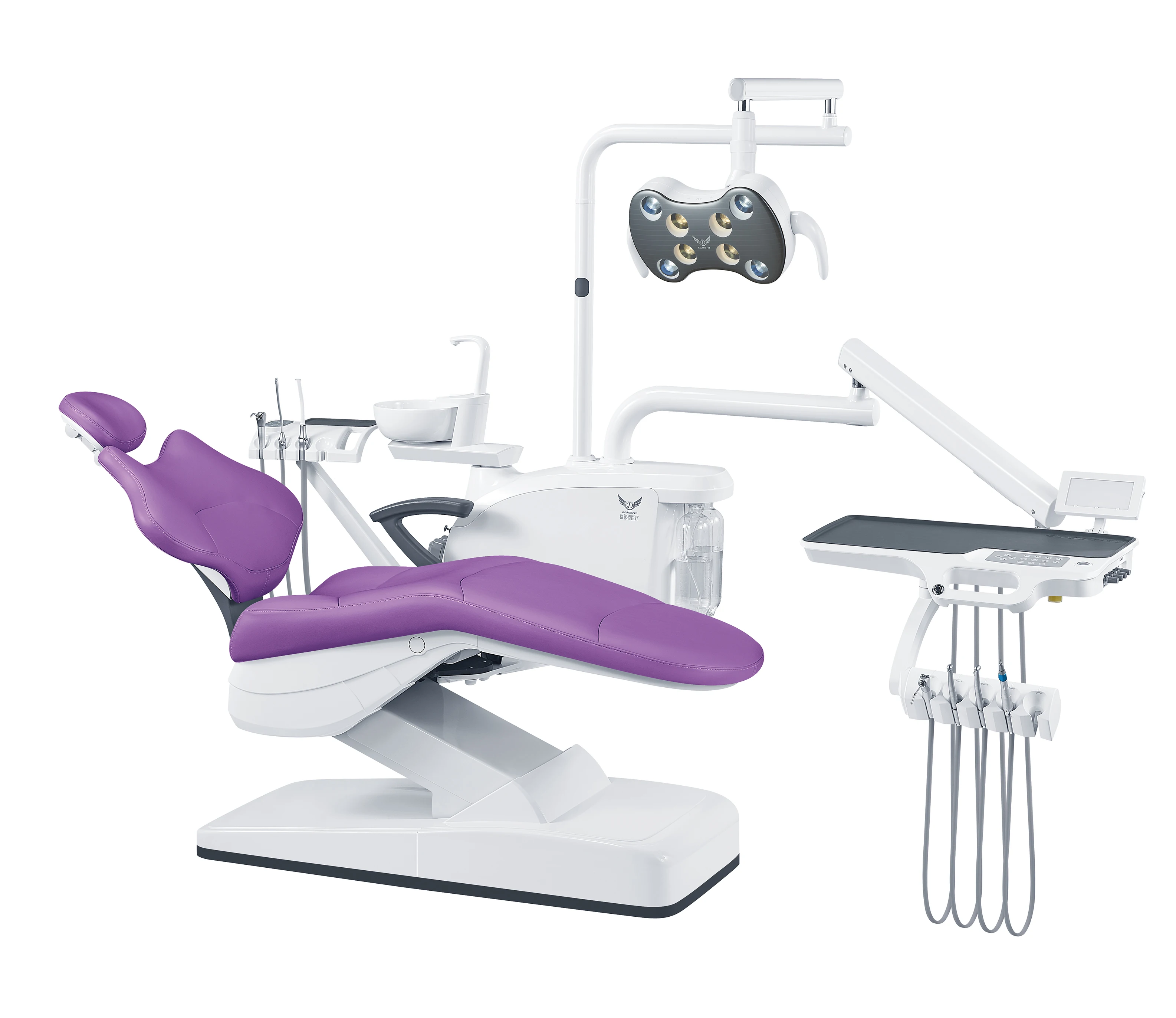
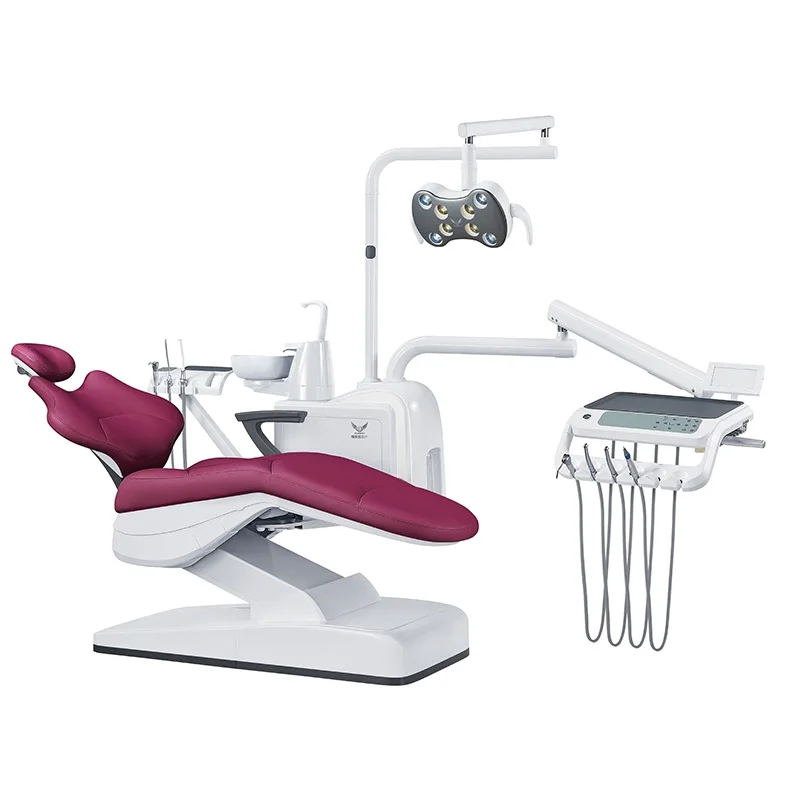
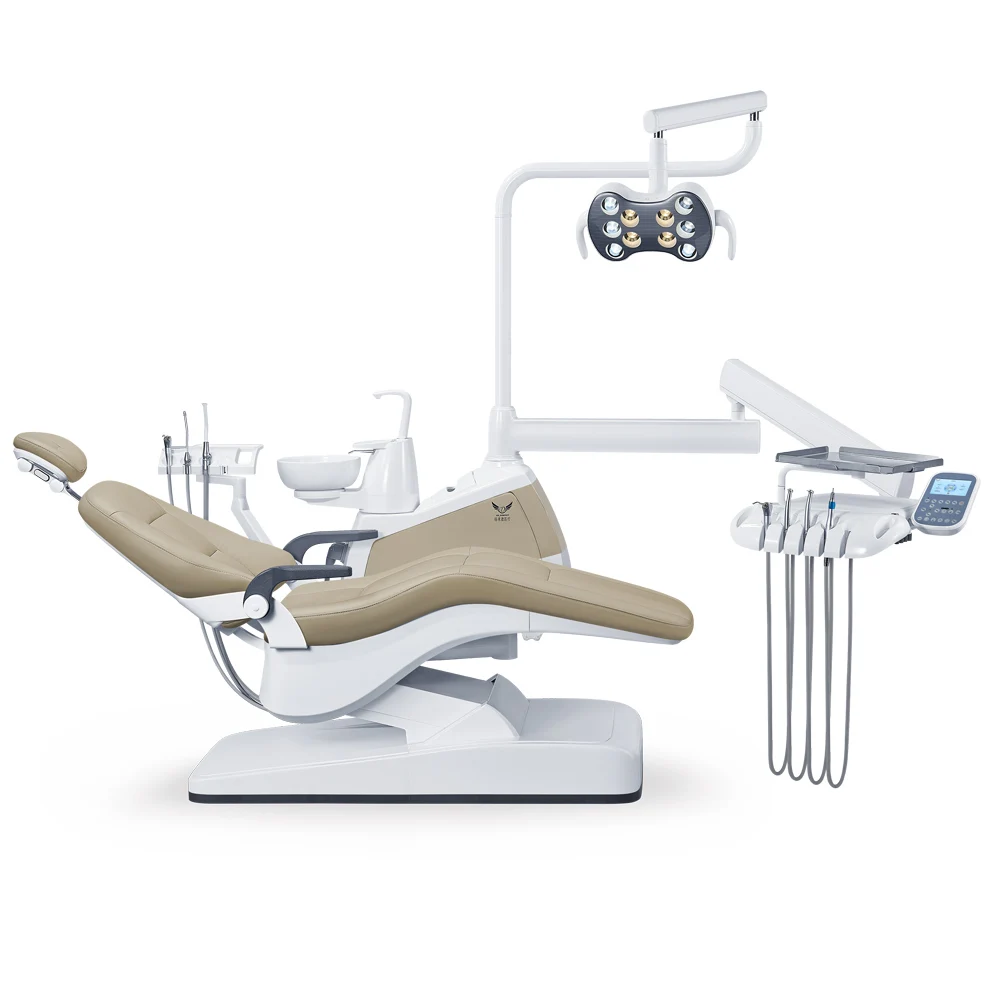
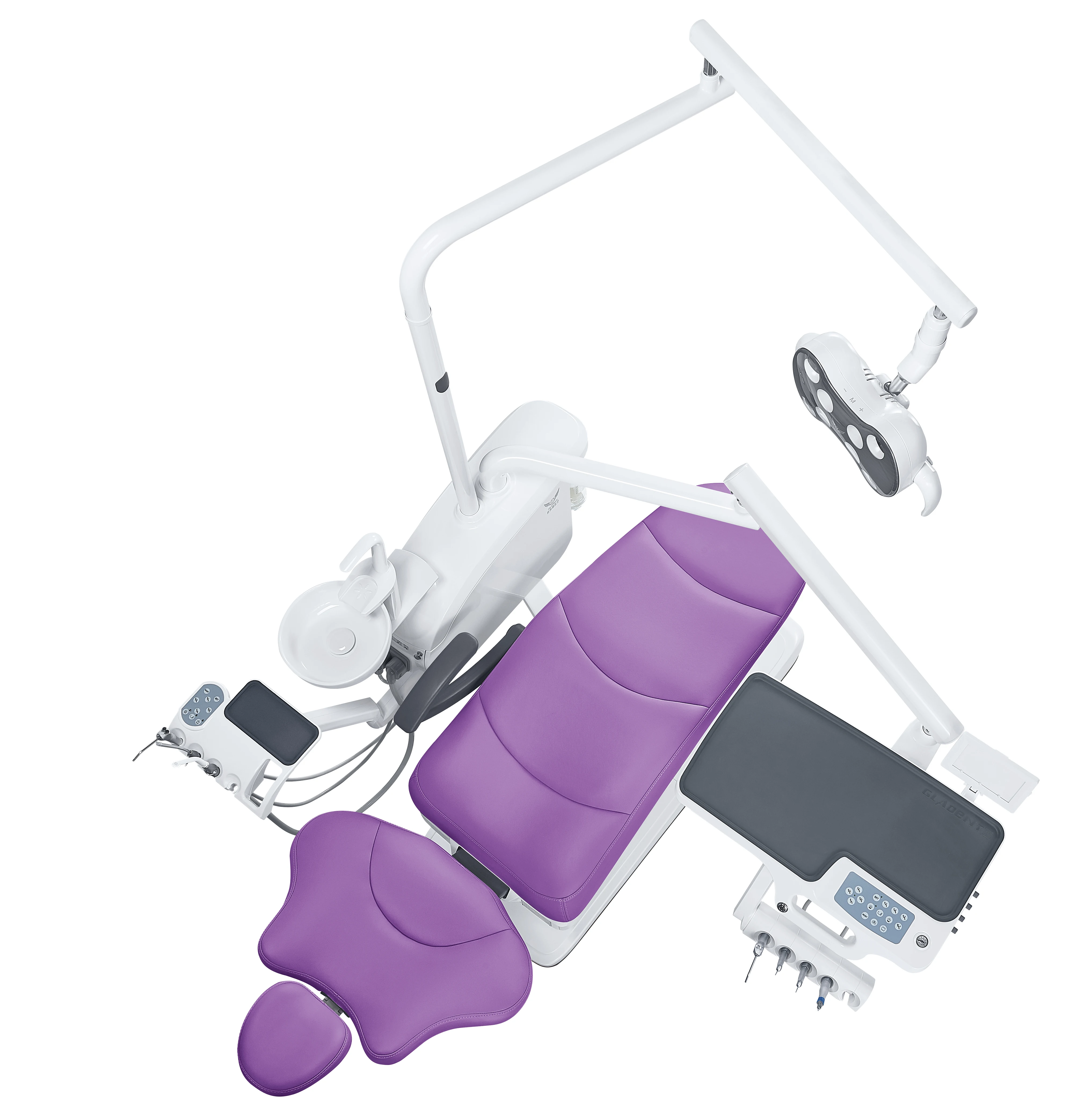
The sophisticated positioning technology integrated into modern dental patient chairs revolutionizes how practitioners approach patient care and treatment delivery. This advanced capability extends far beyond simple reclining functions, incorporating precise hydraulic or electromechanical systems that enable smooth, controlled movements through multiple axes of adjustment. The chairs offer comprehensive positioning options including backrest angle modification, seat tilt adjustment, headrest repositioning, and overall height changes that work in concert to create ideal treatment scenarios. These positioning capabilities prove particularly valuable when dentists need to access difficult areas within the oral cavity, such as posterior molars or lingual surfaces, where even slight positioning improvements dramatically enhance visibility and instrument access. The programmable memory functions represent a breakthrough in operational efficiency, allowing practitioners to save specific position configurations for different procedure types. A dentist might program position one for routine examinations, position two for prophylaxis procedures, position three for restorative work, and position four for surgical interventions. With simple button activation, the chair automatically transitions to these saved positions, eliminating manual adjustment time and ensuring consistent positioning across similar procedures. This consistency benefits both practitioners and patients by establishing familiar, comfortable treatment positions that reduce anxiety through predictability. The smooth, quiet operation of modern positioning systems enhances patient comfort by eliminating jerky movements or loud mechanical noises that might increase stress levels. Patients particularly appreciate the gentle transitions between positions that respect their physical comfort and spatial orientation, especially important for individuals with balance issues or anxiety disorders. The zero-position capability, where the chair can be lowered nearly to floor level, proves invaluable for accommodating patients with mobility challenges, wheelchair users, or elderly individuals who struggle with climbing into elevated chairs. This accessibility feature expands the patient population practices can serve effectively while demonstrating commitment to inclusive healthcare delivery. From the practitioner perspective, optimal positioning reduces physical strain by bringing the treatment area to ideal working height and angle, minimizing the need for uncomfortable postures that contribute to occupational injuries. The ability to rotate the chair through full 360-degree arcs without losing position settings allows dentists and assistants to move around patients efficiently, accessing equipment and instruments without workflow interruptions. This positioning flexibility becomes especially critical during complex procedures requiring multiple instrument changes or team coordination between dentist and assistant.

 EN
EN


![Innovation Journey - GLADENT Dental Chairs: [The 30th South China International Dental Exhibition 2025 Concludes Successfully]](https://shopcdnpro.grainajz.com/category/19383/3803/616cc2b5bdfecec5e7c5b6aa95e40d84/%E5%BE%AE%E4%BF%A1%E5%9B%BE%E7%89%87_20250826164700.jpg)