Child-Centered Ergonomic Design That Transforms Patient Experience
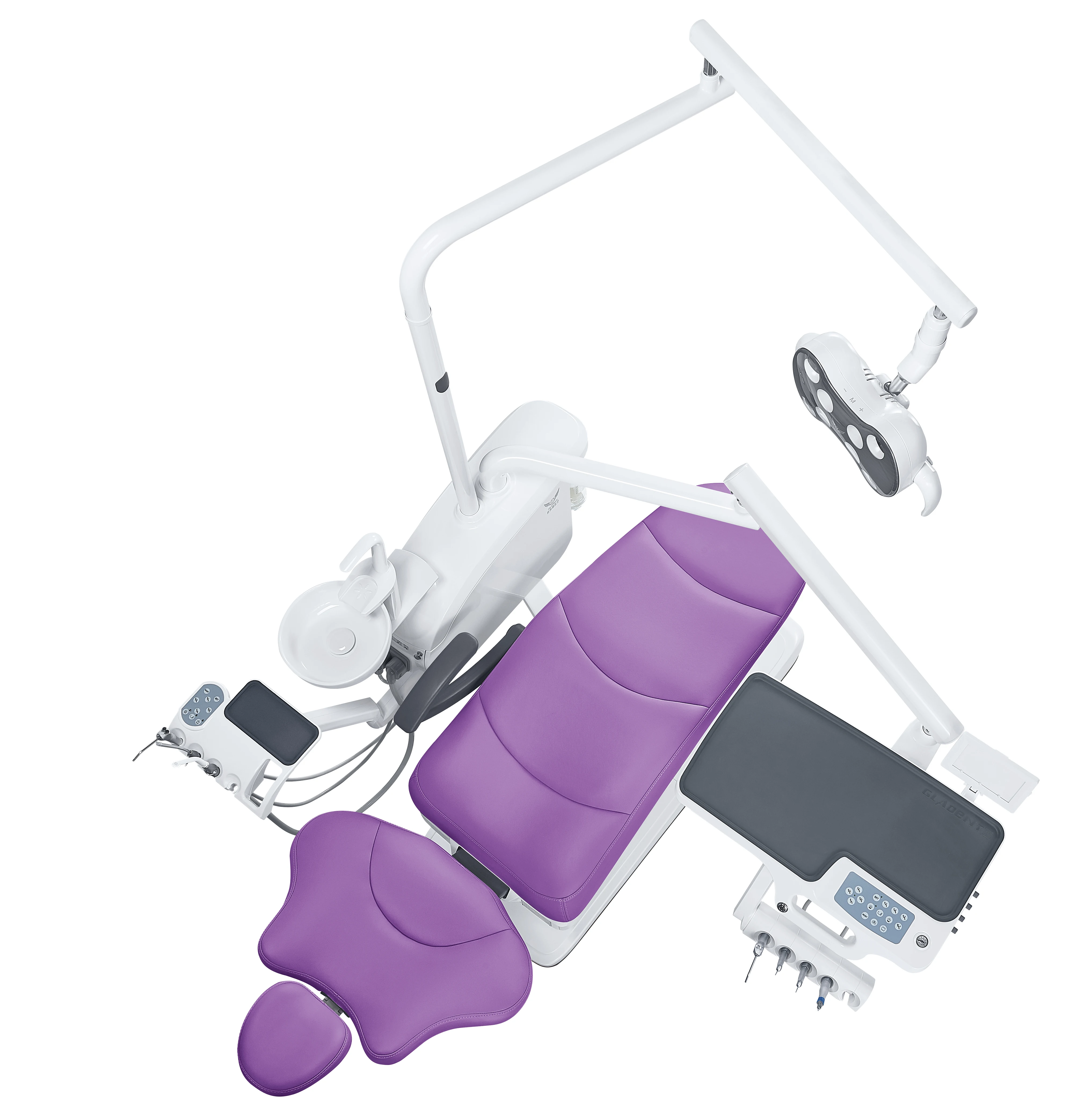
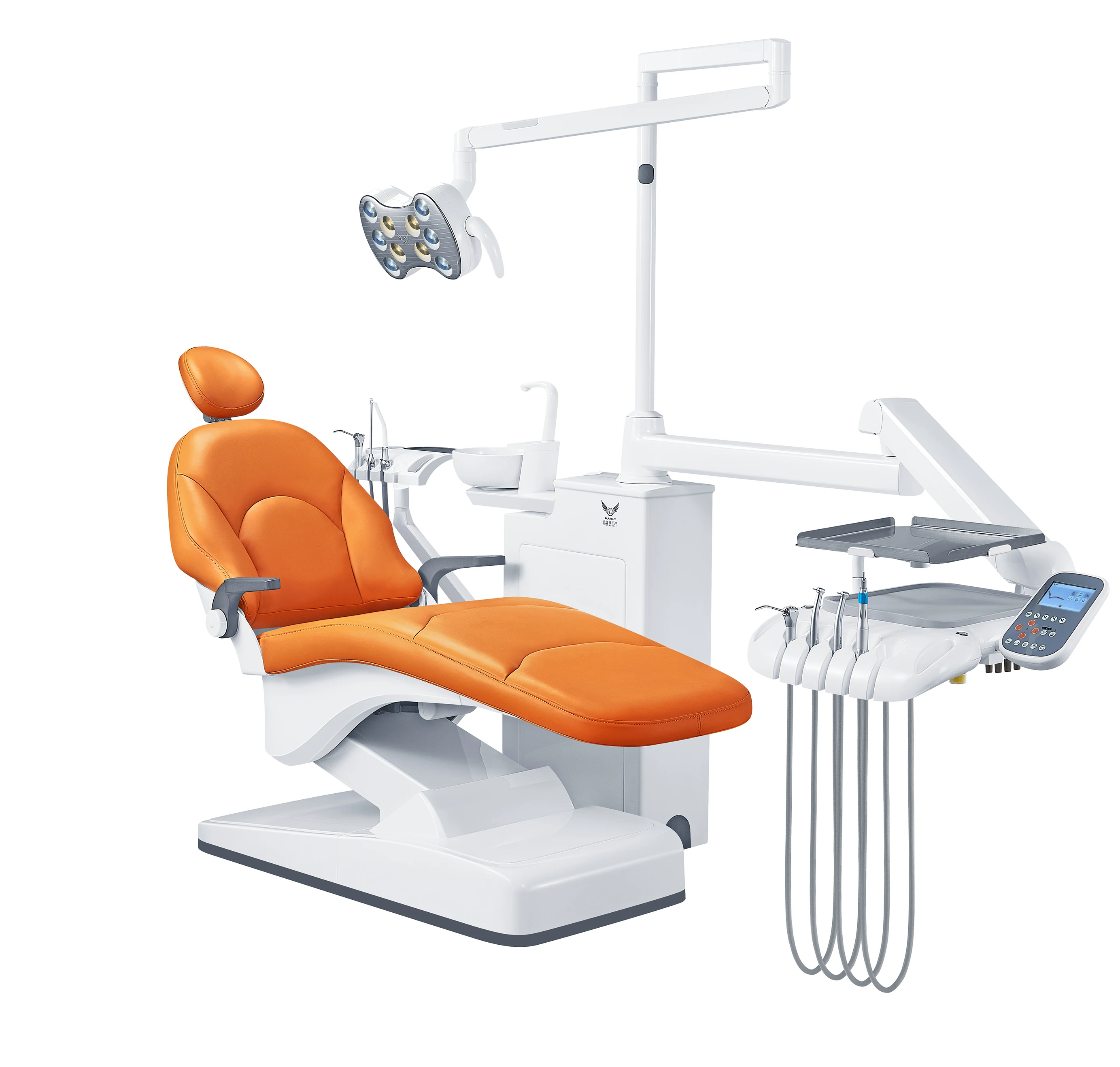
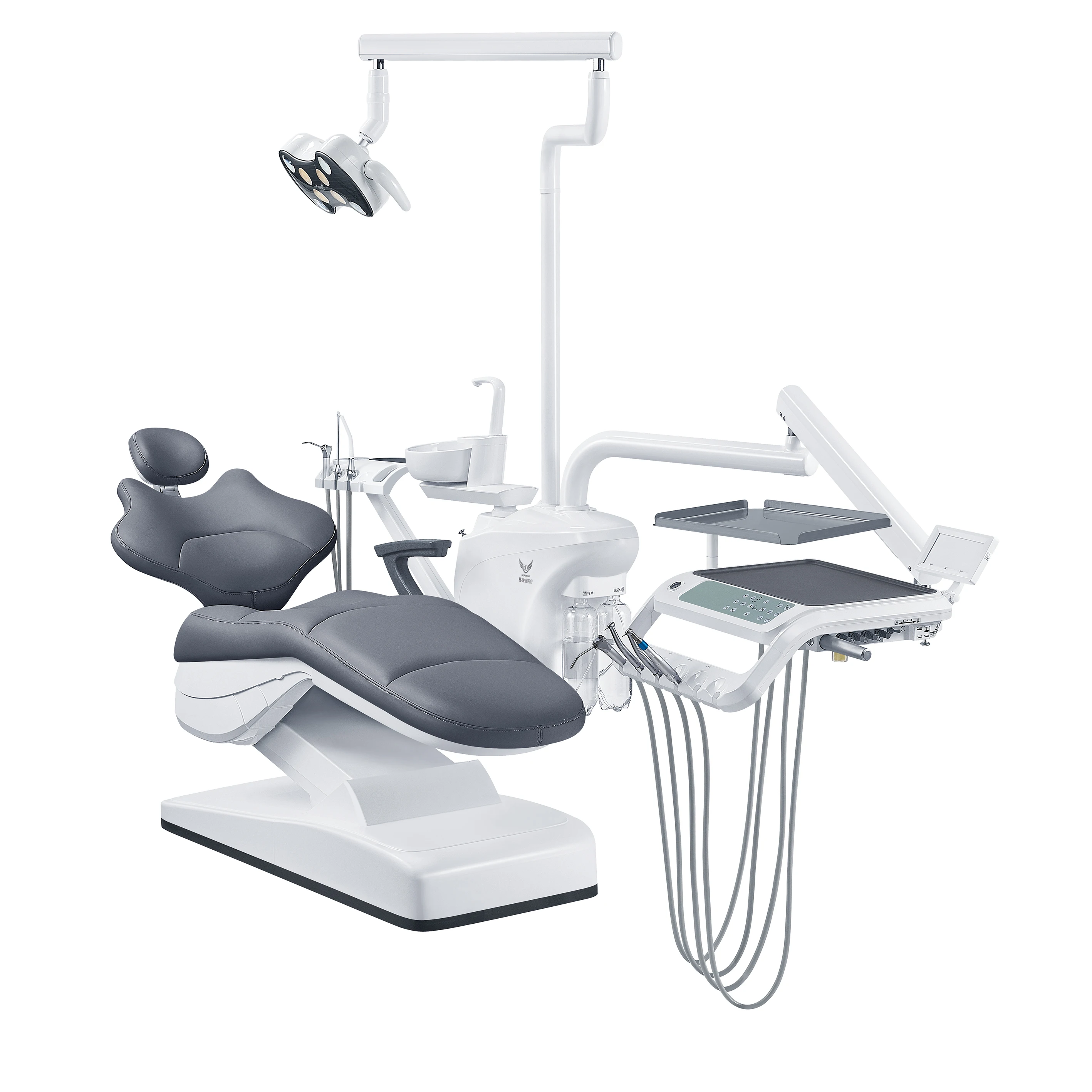
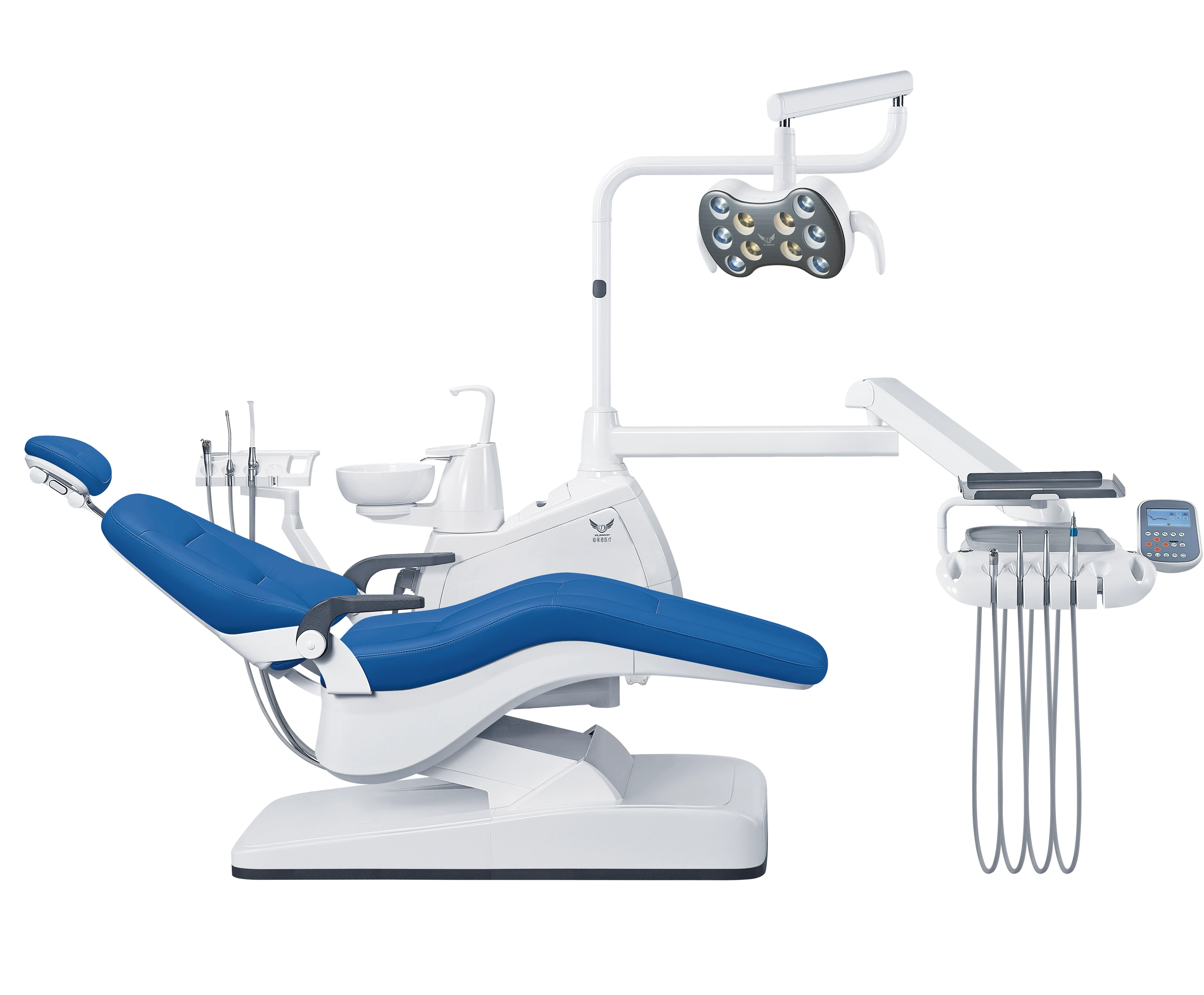
The ergonomic design philosophy embedded in modern pediatric dental equipment fundamentally transforms how children perceive and respond to dental care. Unlike standard dental chairs that simply scale down adult models, dedicated pediatric dental equipment incorporates comprehensive design considerations that address the physical, psychological, and developmental needs of young patients. The chair dimensions precisely accommodate children ranging from toddlers through adolescents, with proportional seat depths, backrest angles, and armrest positions that provide proper support without overwhelming smaller bodies. Adjustable headrests maintain optimal positioning throughout procedures, ensuring comfort while giving dentists unobstructed access to treatment areas. The gradual, smooth motorized movements of pediatric dental equipment eliminate the jarring motions that startle children, while programmable position presets enable quick transitions between examination and treatment configurations. These chairs typically feature lower minimum heights than adult equipment, allowing children to climb aboard independently and reducing the intimidation factor associated with being lifted into unfamiliar apparatus. The upholstery materials selected for pediatric dental equipment balance clinical requirements with child appeal, offering antimicrobial properties and easy cleaning while featuring engaging colors and patterns that create welcoming visual impressions. Many systems incorporate removable, themed cushion covers that can be changed to match seasonal decorations or individual patient preferences, personalizing the experience. The foot controls and instrument delivery systems integrate seamlessly into compact footprints that maximize clinical space efficiency while maintaining full functionality. Dentists benefit from ergonomic advantages as well, with ambidextrous delivery systems, adjustable operator stools with lumbar support, and optimally positioned instrument trays that reduce repetitive strain and fatigue during extended clinical sessions. The equipment accommodates various treatment approaches, from traditional seated positions to increasingly popular knee-to-knee examination techniques for very young children. Built-in safety features including soft-touch surfaces, rounded edges, and secure restraint options protect active patients without creating restrictive environments. This thoughtful ergonomic integration creates positive first impressions that establish trust, reduce pre-appointment anxiety, and foster cooperation throughout treatment, ultimately contributing to better clinical outcomes and higher patient retention rates that strengthen practice performance and reputation within communities.

 EN
EN


![Innovation Journey - GLADENT Dental Chairs: [The 30th South China International Dental Exhibition 2025 Concludes Successfully]](https://shopcdnpro.grainajz.com/category/19383/3803/616cc2b5bdfecec5e7c5b6aa95e40d84/%E5%BE%AE%E4%BF%A1%E5%9B%BE%E7%89%87_20250826164700.jpg)