Disinfection Dental Unit: Advanced Water Safety Systems for Modern Dental Practices

EN EN

Call Us:+86-757-81267151

disinfection dental unit

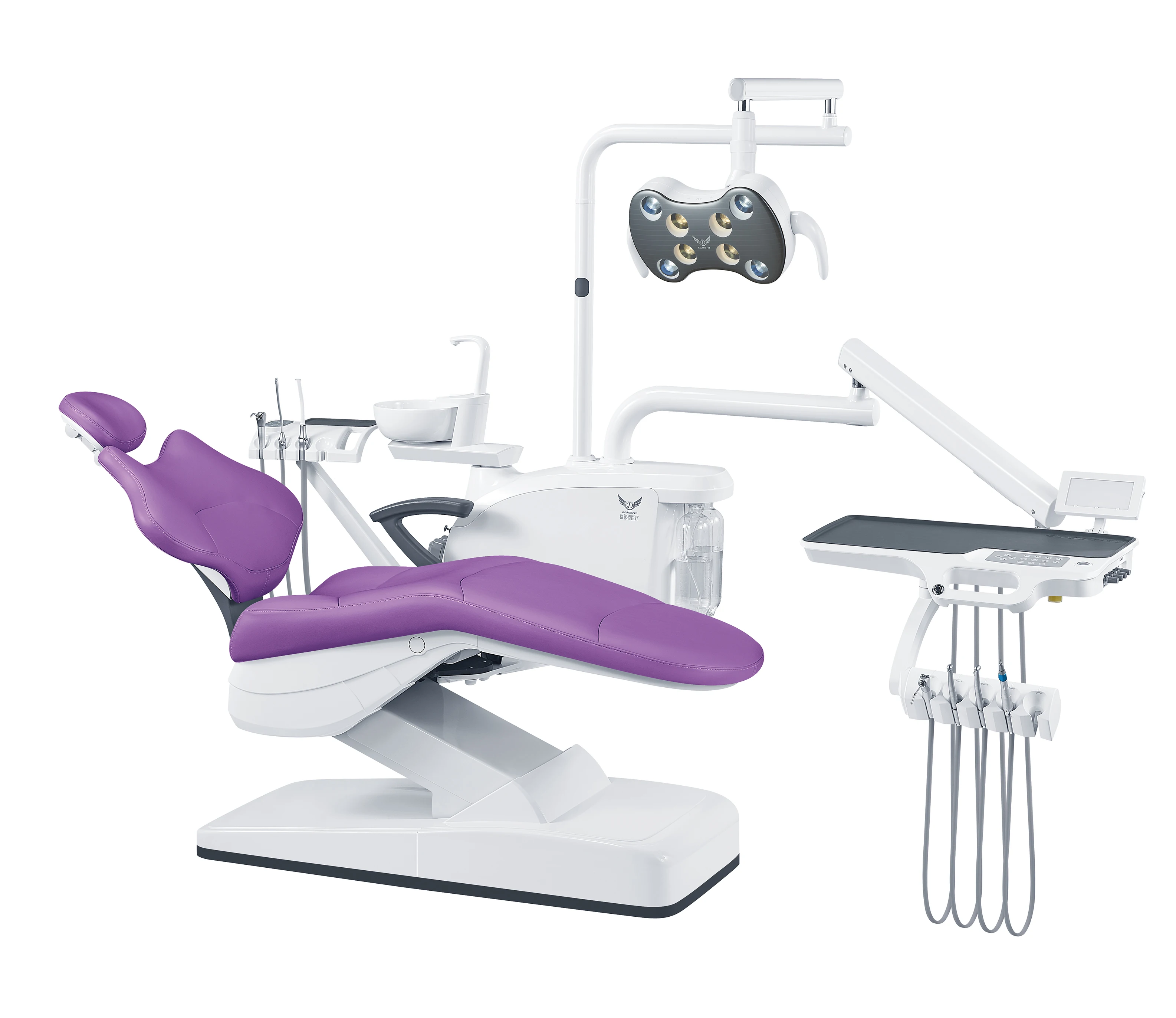
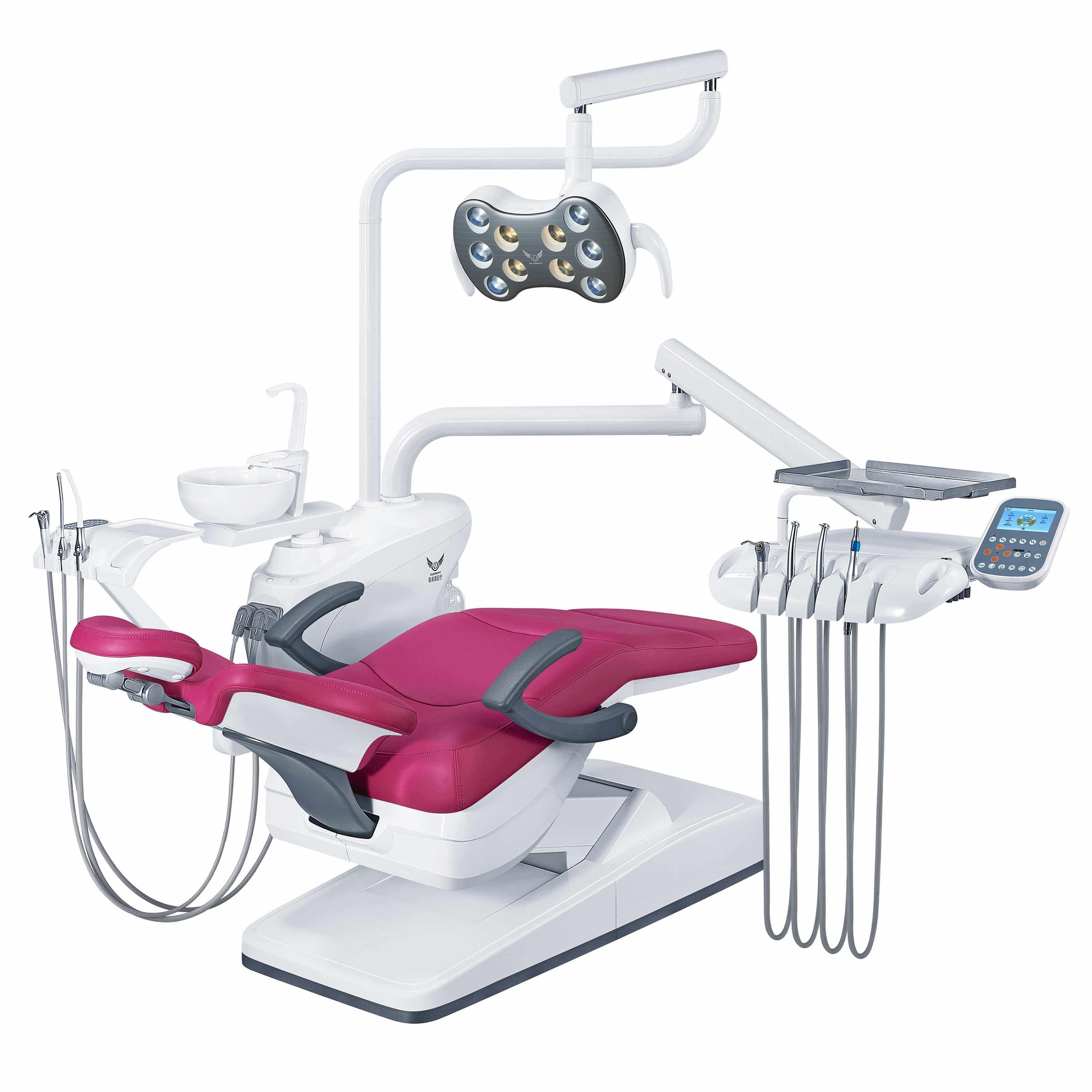
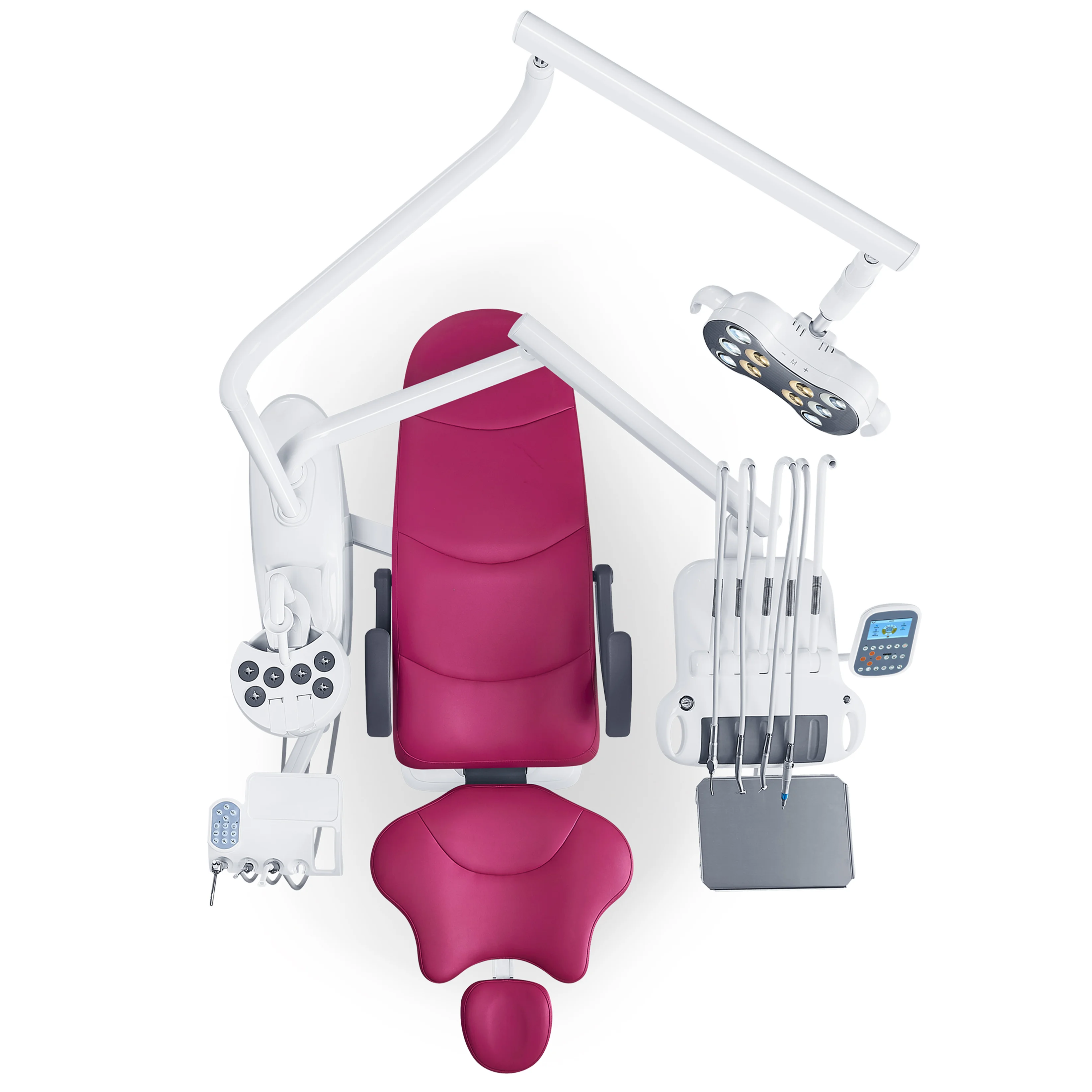
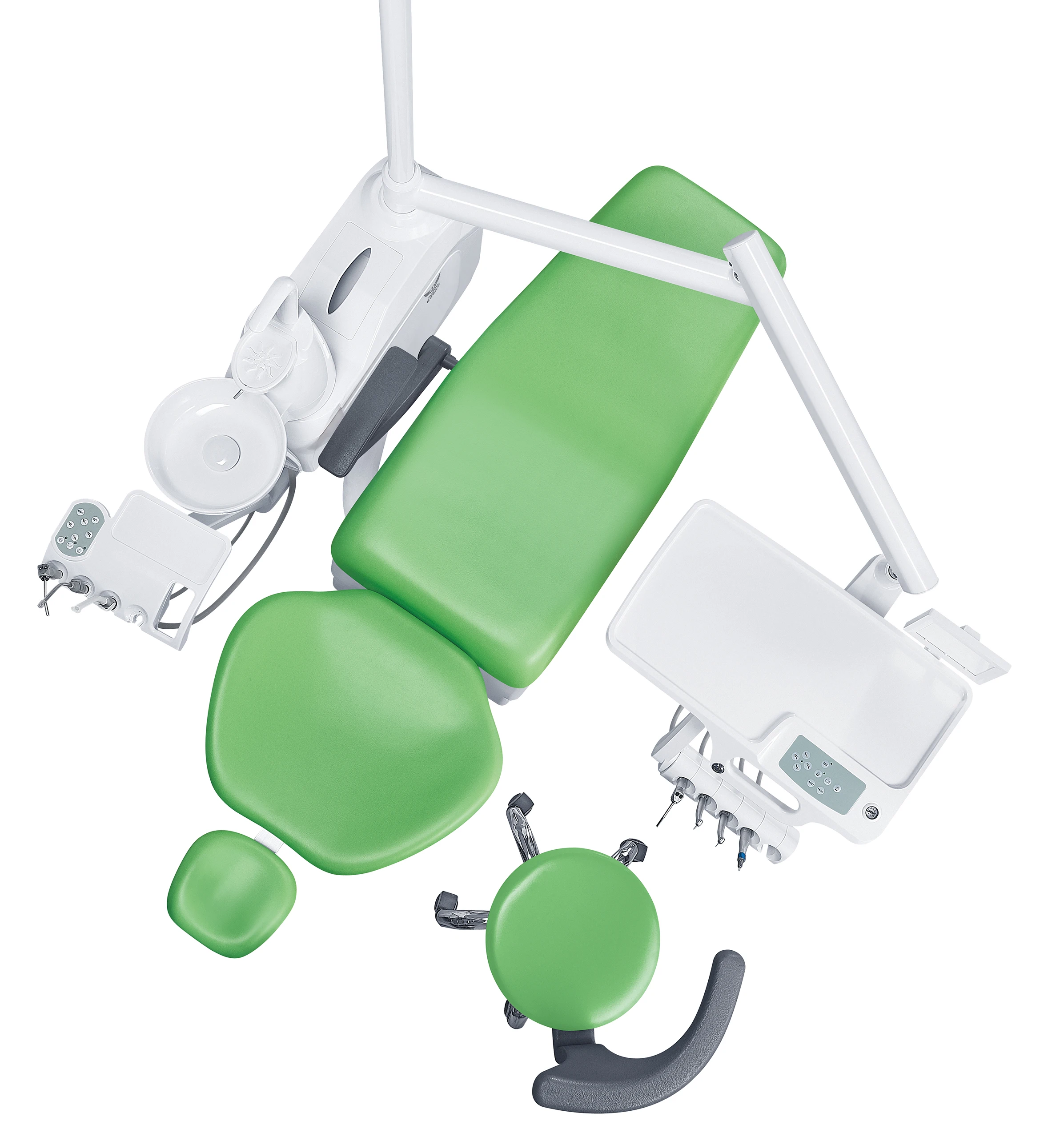
The disinfection dental unit represents a revolutionary advancement in modern dental practice management, combining cutting-edge sterilization technology with practical functionality to ensure the highest standards of patient safety and clinical hygiene. This sophisticated equipment serves as an essential component in contemporary dental offices, addressing the critical need for comprehensive infection control protocols. The primary function of a disinfection dental unit centers on eliminating harmful pathogens, bacteria, viruses, and microorganisms that accumulate within dental waterlines and treatment equipment during daily operations. Through automated disinfection cycles, these units deliver controlled amounts of antimicrobial solutions throughout the entire water system, reaching every component from handpiece connections to cuspidor bowls. The technological features incorporated into modern disinfection dental units include programmable control systems that allow practitioners to customize treatment schedules, concentration levels, and cycle durations based on specific clinical requirements. Advanced monitoring capabilities provide real-time feedback on water quality parameters, ensuring consistent disinfection efficacy throughout operation periods. Many units feature integrated filtration systems that work synergistically with chemical disinfection processes to achieve superior water purity standards. The applications of disinfection dental units extend across various practice settings, from general dentistry clinics to specialized oral surgery centers and pediatric dental facilities. These systems prove particularly valuable in high-volume practices where multiple patients receive treatment daily, substantially reducing cross-contamination risks. The units accommodate different practice sizes and configurations, with scalable solutions available for single-chair offices and multi-operatory facilities. By maintaining consistently clean waterlines, these units help practices comply with regulatory guidelines established by health authorities and professional organizations. The integration of disinfection dental units into daily workflows demonstrates a commitment to evidence-based infection prevention strategies while simultaneously protecting both patients and dental team members from potential waterborne disease transmission.

New Product Releases

Investing in a disinfection dental unit delivers substantial practical benefits that directly impact your practice operations and patient care quality. First and foremost, these systems dramatically reduce the risk of infections spreading through contaminated water during dental procedures. Traditional dental units can harbor biofilm buildup inside waterlines, creating breeding grounds for dangerous bacteria. A dedicated disinfection system actively prevents this accumulation, giving you peace of mind that every patient receives treatment with clean, safe water. This protection extends to your entire dental team, who face occupational exposure risks during daily procedures involving water spray and aerosol generation. From a business perspective, implementing a disinfection dental unit strengthens your practice reputation significantly. Patients increasingly research infection control measures before selecting dental providers, and demonstrating advanced safety protocols sets your practice apart from competitors. You can confidently communicate your commitment to patient welfare, building trust that translates into long-term loyalty and positive word-of-mouth referrals. The financial advantages become apparent when considering potential liability costs associated with healthcare-associated infections. By proactively preventing contamination issues, you avoid expensive legal complications and insurance claims that could devastate your practice financially. Additionally, these units reduce maintenance expenses over time by preventing the biofilm accumulation that causes equipment malfunctions and premature component failures. Clean waterlines mean fewer repairs, longer equipment lifespan, and reduced replacement costs for expensive handpieces and delivery systems. The operational efficiency gains prove equally valuable. Automated disinfection cycles require minimal staff intervention, freeing your team members to focus on patient care rather than manual cleaning procedures. The systems run during non-clinical hours, ensuring treatment areas remain fully operational throughout business days without interruption. You eliminate the need for harsh manual cleaning protocols that consume staff time and expose workers to chemical hazards. Modern disinfection dental units also simplify regulatory compliance, automatically documenting treatment cycles and water quality results. This automated record-keeping streamlines inspection preparations and demonstrates due diligence to oversight agencies. The units help you meet stringent water quality standards established by professional associations and government health departments without requiring complex manual testing protocols. Environmental benefits accompany these practical advantages, as efficient disinfection systems use precisely measured chemical quantities, reducing waste compared to manual treatment methods. Many units incorporate eco-friendly disinfectants that effectively eliminate pathogens while minimizing environmental impact. Overall, the comprehensive advantages of disinfection dental units make them essential investments for practices prioritizing safety, efficiency, and professional excellence.

Practical Tips

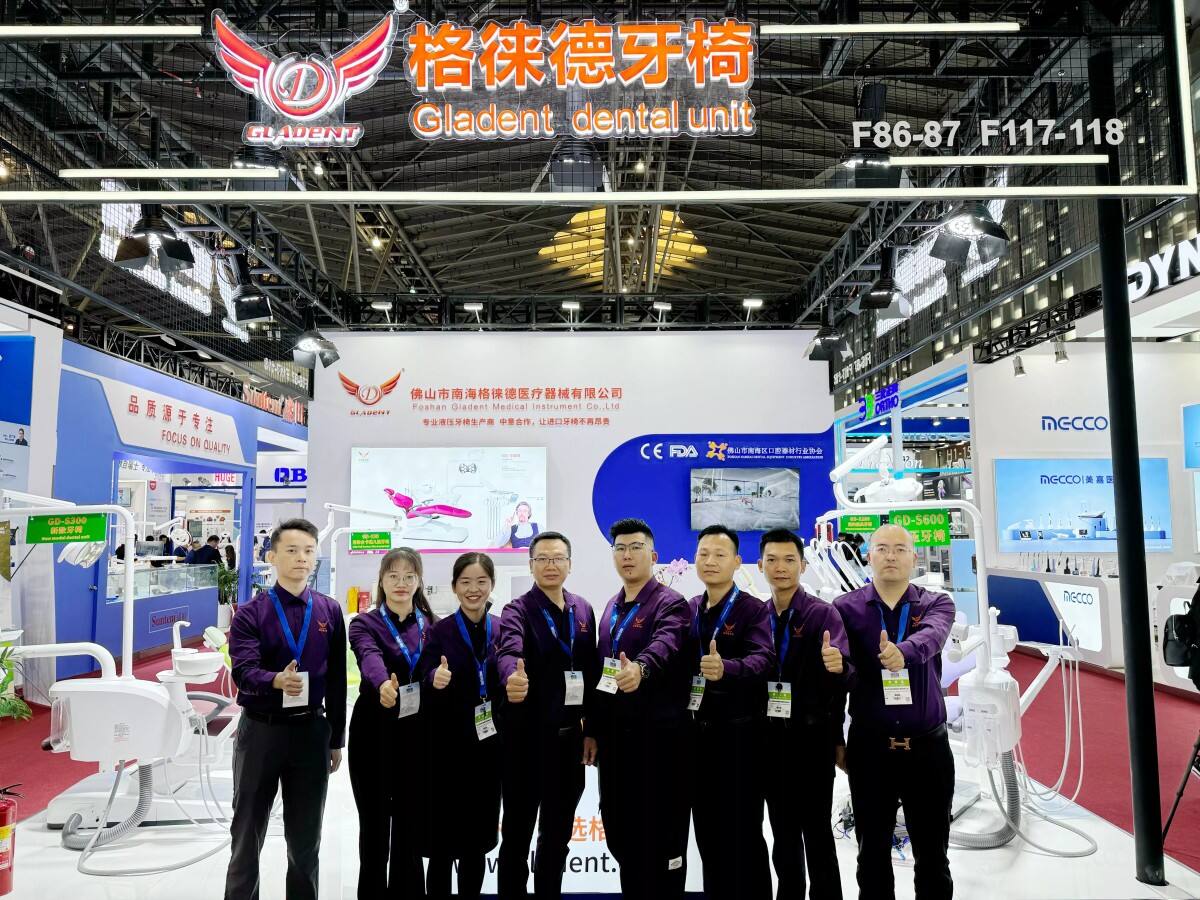
Gladent Medical in DenTech 2024 in Shanghai

27

Aug

Gladent Medical in DenTech 2024 in Shanghai

View More
Innovation Journey - GLADENT Dental Chairs: [The 30th South China International Dental Exhibition 2025 Concludes Successfully]

27

Aug

Innovation Journey - GLADENT Dental Chairs: [The 30th South China International Dental Exhibition 2025 Concludes Successfully]

View More
Distribute Women's Day gifts to female employees

28

Aug

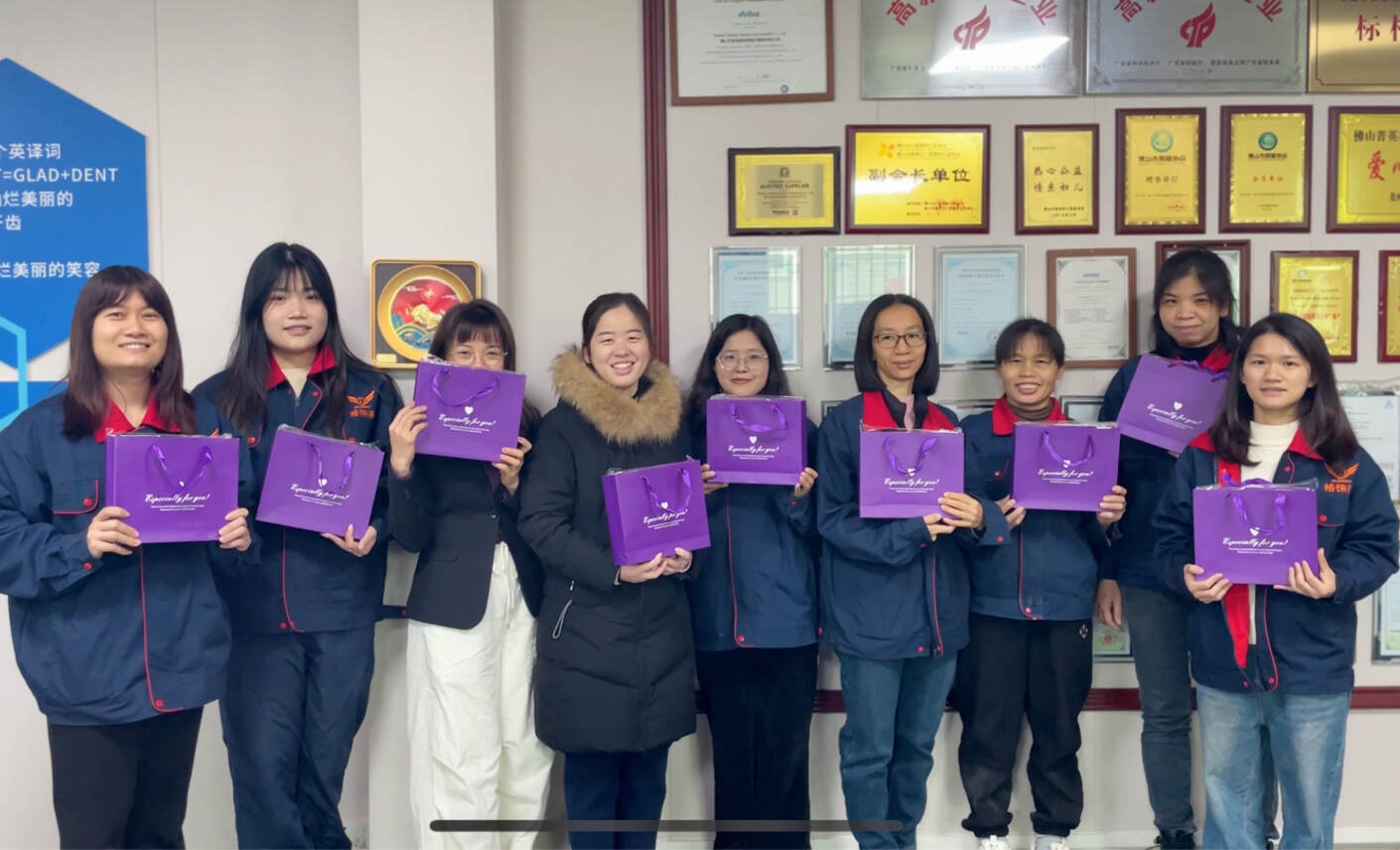
Distribute Women's Day gifts to female employees

View More

Get a Free Quote

Our representative will contact you soon.
Email
Mobile
Name
Company Name
Message
0/1000

disinfection dental unit

Advanced Biofilm Prevention Technology Ensures Continuous Water Purity

Advanced Biofilm Prevention Technology Ensures Continuous Water Purity

The cornerstone feature of any quality disinfection dental unit lies in its sophisticated biofilm prevention technology, which addresses one of the most persistent challenges facing dental practices worldwide. Biofilm represents a complex matrix of microorganisms that adhere to waterline surfaces, creating resistant colonies that simple flushing cannot remove. These bacterial communities pose serious health risks, as they continuously shed pathogens into water flowing through dental equipment during patient treatment. Traditional approaches to managing biofilm required labor-intensive manual cleaning procedures that often proved inconsistent and ineffective at reaching all internal surfaces within complex waterline networks. The advanced disinfection dental unit eliminates these concerns through continuous automated treatment protocols specifically engineered to prevent biofilm formation before colonies can establish themselves. The technology works by introducing carefully calibrated concentrations of antimicrobial agents into the water system at regular intervals, maintaining therapeutic levels that inhibit bacterial adhesion and growth without corroding sensitive equipment components. This preventive approach proves far more effective than reactive cleaning methods, as it addresses contamination continuously rather than allowing buildup between periodic treatments. The system monitors water flow patterns and adjusts disinfectant delivery accordingly, ensuring complete coverage throughout the entire distribution network including dead-end sections where stagnant water might otherwise accumulate. Users benefit from visible results, as water quality testing consistently demonstrates dramatically reduced bacterial counts compared to untreated systems. The importance of this biofilm prevention capability extends beyond immediate infection control, impacting long-term equipment performance and practice sustainability. Biofilm accumulation causes numerous operational problems including restricted water flow, inconsistent spray patterns, unpleasant odors, and discoloration that patients notice during treatment. By preventing these issues proactively, the disinfection dental unit maintains optimal equipment function while preserving the professional appearance that patients expect. The value proposition becomes clear when considering alternative scenarios where biofilm contamination forces expensive emergency interventions, equipment replacement, or worse, patient illness resulting in legal liability. Practices utilizing advanced biofilm prevention technology gain competitive advantages through demonstrable commitment to safety standards that exceed minimum regulatory requirements, positioning themselves as leaders in infection control excellence within their communities.
Intelligent Automation Streamlines Infection Control Protocols

Intelligent Automation Streamlines Infection Control Protocols

Modern disinfection dental units incorporate intelligent automation features that transform infection control from a burdensome manual task into a seamless background process requiring minimal staff involvement. The automation capabilities built into these systems represent significant technological advancement, utilizing programmable logic controllers and sensor networks to manage complex disinfection protocols without constant human supervision. Practitioners can configure treatment schedules through intuitive digital interfaces, establishing customized cycles that align with specific practice patterns and patient volumes. The system then executes these protocols automatically, initiating disinfection sequences during predetermined times such as overnight hours or lunch breaks when operatories stand empty. This intelligent scheduling ensures maximum disinfection efficacy without interfering with clinical operations or forcing patients to wait while treatment areas undergo cleaning procedures. The automation extends beyond basic timing functions to include sophisticated monitoring capabilities that track system performance in real-time. Integrated sensors continuously measure critical parameters including disinfectant concentration levels, water temperature, flow rates, and contact times, automatically adjusting operations to maintain optimal conditions throughout each cycle. When the system detects any deviation from programmed parameters, it alerts designated staff members through visual displays or mobile notifications, enabling prompt corrective action before minor issues escalate into significant problems. This proactive monitoring capability proves invaluable for maintaining consistent infection control standards while reducing the cognitive burden on busy dental teams who already manage numerous competing priorities throughout hectic workdays. The documentation features incorporated into automated disinfection dental units provide additional value by generating comprehensive records of all treatment cycles, creating audit trails that satisfy regulatory requirements and internal quality assurance programs. These digital logs timestamp each disinfection event, record exact chemical concentrations used, document cycle completion status, and flag any anomalies requiring investigation. During inspections or accreditation reviews, practices can instantly produce months or years of infection control documentation, demonstrating systematic adherence to protocols far more convincingly than manual logbooks prone to incomplete entries or lost pages. The time savings achieved through automation translate directly into economic benefits, as dental assistants and hygienists redirect hours previously spent on manual disinfection tasks toward revenue-generating patient care activities. The reduced labor requirements also minimize opportunities for human error, ensuring consistent protocol execution regardless of staff turnover, training variations, or momentary distractions that inevitably occur in busy clinical environments. Ultimately, intelligent automation transforms the disinfection dental unit from a simple appliance into a sophisticated practice management tool that enhances safety, efficiency, and profitability simultaneously.
Comprehensive System Integration Protects Your Entire Practice Infrastructure

Comprehensive System Integration Protects Your Entire Practice Infrastructure

The comprehensive integration capabilities of modern disinfection dental units distinguish superior systems from basic alternatives, providing whole-practice protection that extends far beyond individual operatory waterlines. Unlike standalone devices that treat isolated components, integrated disinfection dental units connect throughout your entire water distribution infrastructure, ensuring uniform treatment from source connections through every delivery point where water contacts patients or staff members. This holistic approach addresses the reality that contamination can originate anywhere within complex dental plumbing networks, migrating between sections and recontaminating recently cleaned areas unless all pathways receive simultaneous treatment. The integration process begins with careful assessment of existing equipment configurations, identifying all water-consuming devices including dental chairs, sterilization equipment, laboratory sinks, and beverage stations that might harbor pathogens. Qualified technicians then install distribution components that channel disinfected water throughout these diverse endpoints while maintaining appropriate pressure levels and flow characteristics for each application. The resulting network operates as a unified system where centralized controls manage disinfection across all connected devices simultaneously, eliminating the coordination challenges and coverage gaps inherent in piecemeal approaches. This comprehensive protection proves especially critical in practices utilizing multiple operatories, where cross-connections between waterlines create pathways for contamination spread unless addressed systematically. The integration extends to compatibility with diverse equipment brands and models, as quality disinfection dental units accommodate various manufacturer specifications without requiring expensive retrofitting or equipment replacement. This flexibility protects your existing capital investments while upgrading safety capabilities, allowing practices to enhance infection control standards without discarding functional chairs, delivery systems, or accessories that remain mechanically sound. The economic value of this compatibility cannot be overstated, particularly for established practices with significant invested capital in current equipment suites. Beyond physical integration, modern systems also connect with practice management software platforms, synchronizing disinfection schedules with appointment calendars and generating compliance reports that integrate seamlessly into broader quality assurance documentation systems. This digital integration streamlines administrative workflows while providing comprehensive visibility into infection control performance across entire organizations. Multi-location practices benefit particularly from cloud-connected systems that enable centralized monitoring and standardized protocols across geographically dispersed offices, ensuring consistent safety standards regardless of facility location. The peace of mind delivered through comprehensive system integration represents perhaps the most significant value proposition, as practitioners gain confidence that their entire practice infrastructure receives consistent protection against waterborne pathogens without requiring complex coordination of multiple independent devices or manual verification of treatment coverage.