Child-Centered Design That Transforms Dental Anxiety Into Excitement
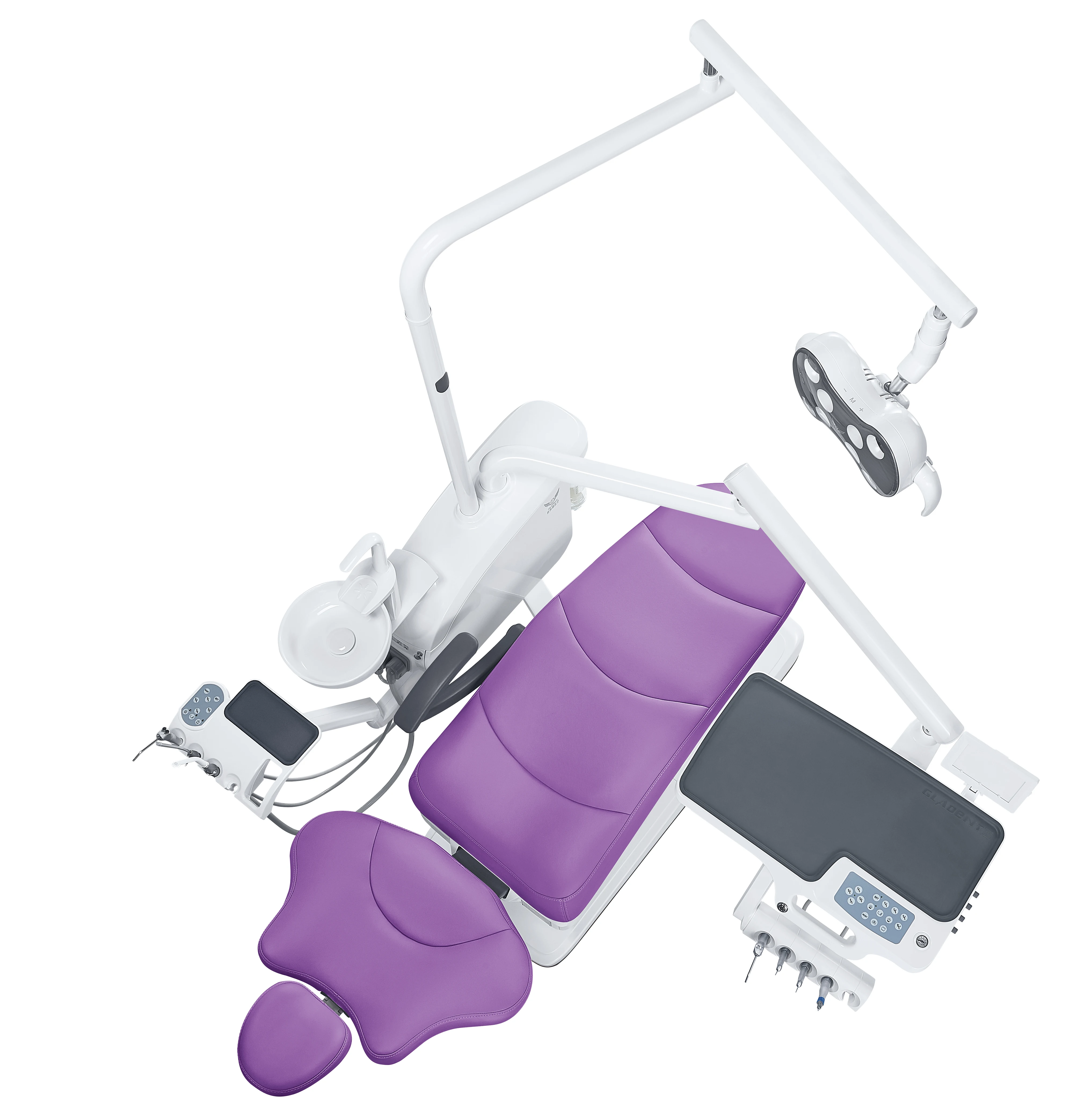
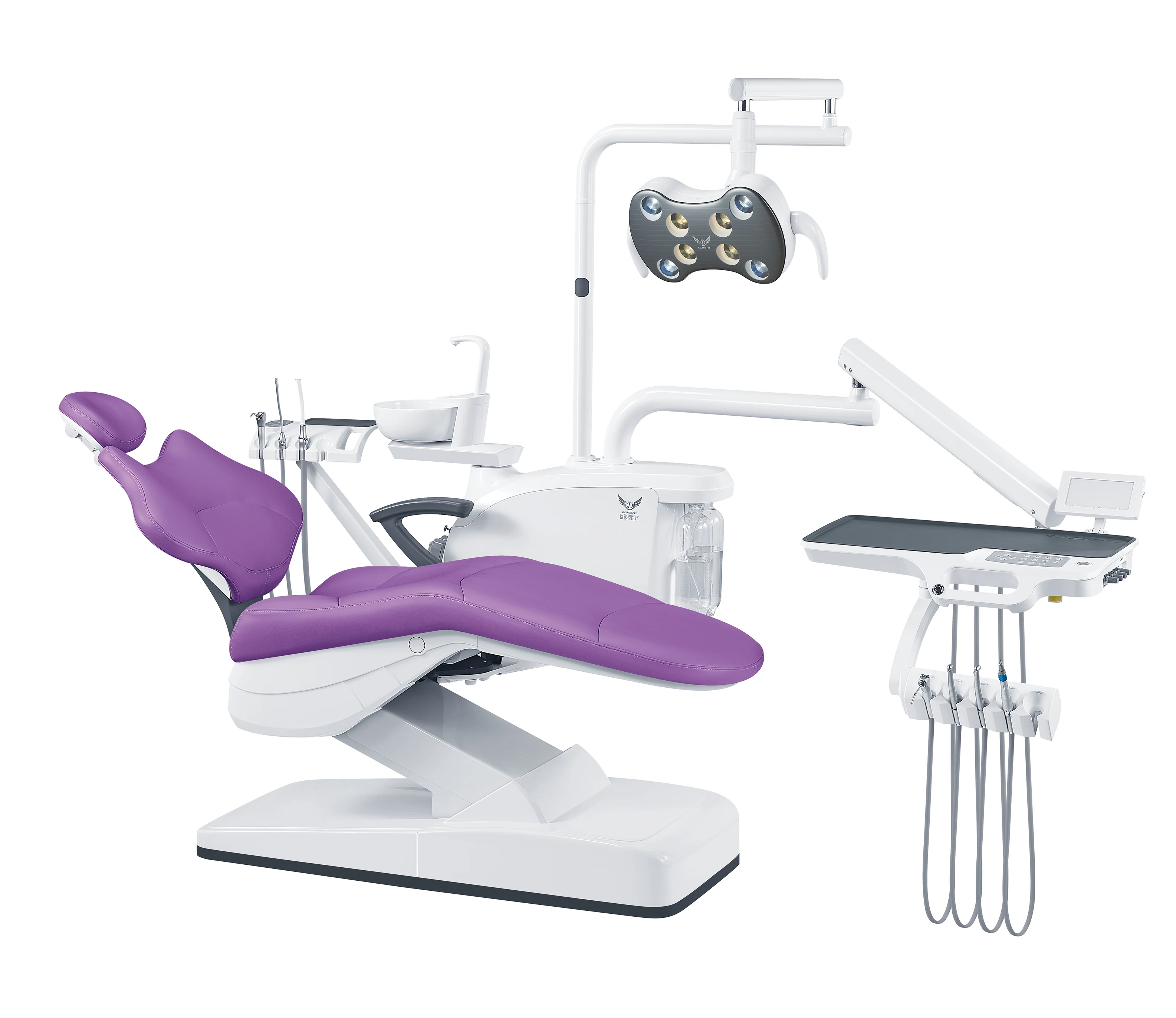
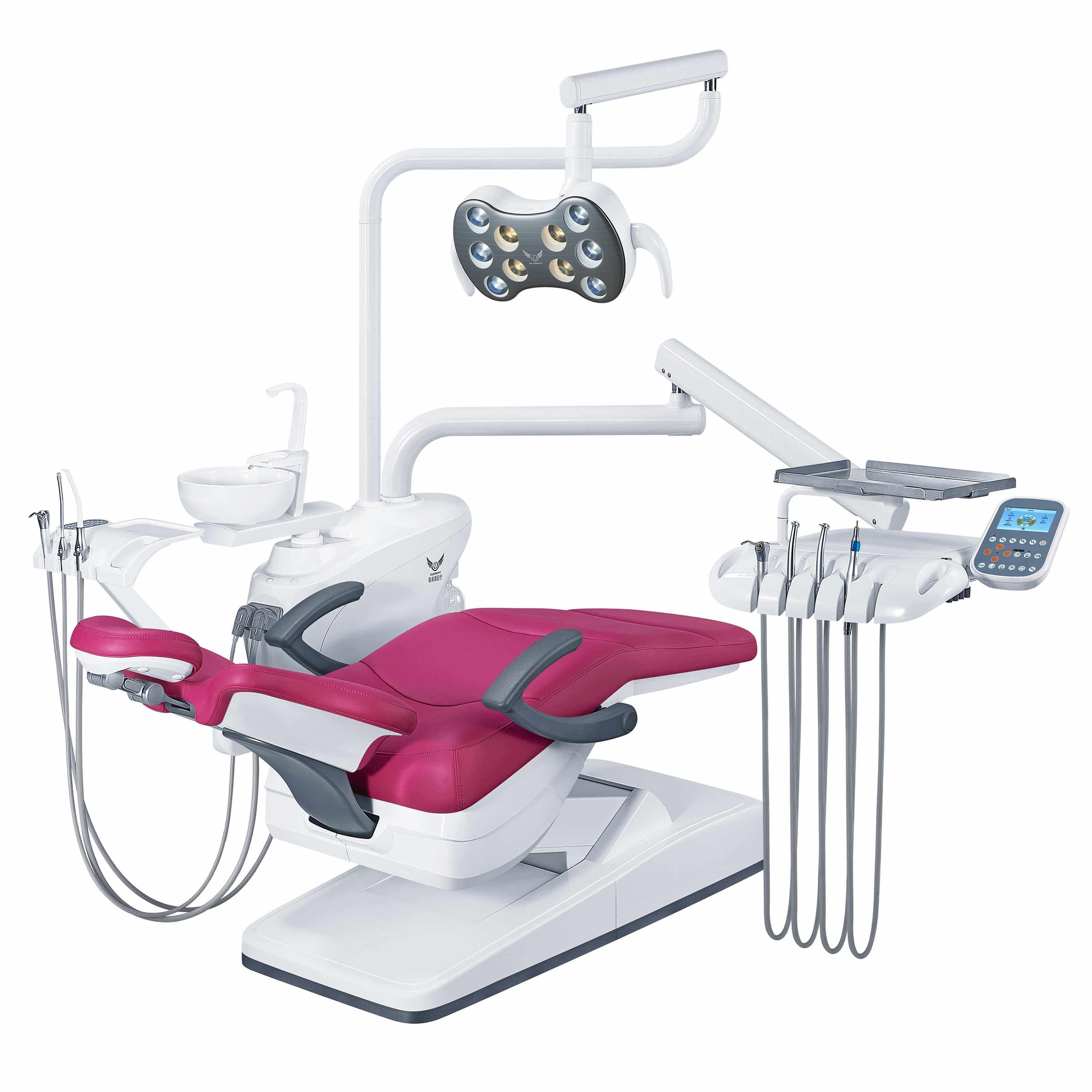
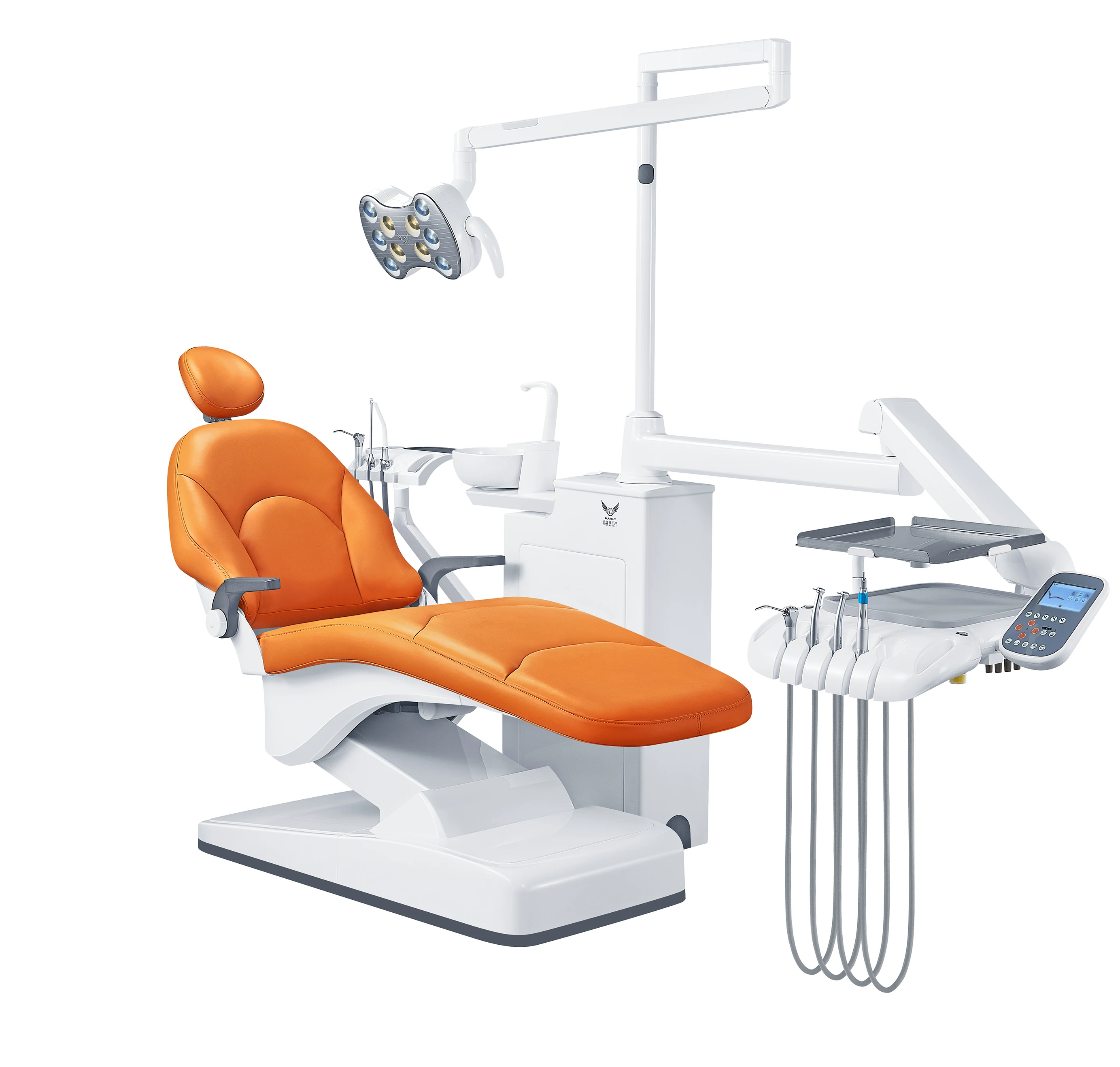
The most distinctive feature of a kids dental unit lies in its thoughtfully crafted child-centered design that fundamentally changes how young patients perceive and experience dental care. Traditional dental equipment often appears sterile, mechanical, and intimidating to children, triggering fear responses that complicate treatments and create lasting negative associations with oral healthcare. A kids dental unit addresses this challenge through comprehensive design innovations that speak directly to children's perspectives and preferences. The color schemes employed move beyond clinical whites and grays, incorporating vibrant hues like cheerful yellows, calming blues, energetic greens, and warm oranges that create an inviting atmosphere. Many units feature themed designs ranging from underwater adventures with friendly sea creatures to outer space explorations with rockets and stars, jungle safaris with playful animals, or fairy tale castles with magical elements. These themes extend beyond mere decoration; they create immersive environments that capture children's imaginations and reframe the dental visit as an adventure rather than a medical appointment. The physical structure of kids dental units reflects careful attention to pediatric proportions, with seats, backrests, and armrests sized appropriately for smaller bodies, ensuring genuine comfort rather than the feeling of being swallowed by oversized adult equipment. Integrated entertainment systems represent another crucial design element, with strategically positioned screens mounted on the ceiling or attached to articulating arms that allow children to watch their favorite cartoons, educational programs, or interactive games throughout their appointment. This visual engagement serves multiple therapeutic purposes: it provides a focal point that directs attention away from dental instruments, creates positive associations through enjoyable content, helps time pass more quickly from the child's perspective, and can even be used for behavioral guidance through reward-based programming. The sensory experience extends to tactile elements as well, with soft-touch materials on contact surfaces, smooth transitions between components, and controls that operate with whisper-quiet precision to avoid startling young patients with sudden noises. Lighting systems in modern kids dental units offer adjustable intensity and sometimes color-changing capabilities that can set different moods throughout the appointment, from bright and energetic during initial introductions to softer and calmer during actual procedures. These comprehensive design considerations work synergistically to create an environment where children feel safe, valued, and even excited about their dental visits, fundamentally improving cooperation rates, treatment outcomes, and the establishment of lifelong positive oral health habits that begin with these crucial early experiences.

 EN
EN


![Innovation Journey - GLADENT Dental Chairs: [The 30th South China International Dental Exhibition 2025 Concludes Successfully]](https://shopcdnpro.grainajz.com/category/19383/3803/616cc2b5bdfecec5e7c5b6aa95e40d84/%E5%BE%AE%E4%BF%A1%E5%9B%BE%E7%89%87_20250826164700.jpg)