Dental Manufacturing Unit: Advanced In-House Production Systems for Modern Dental Practices

EN EN

Call Us:+86-757-81267151

dental manufacturing unit

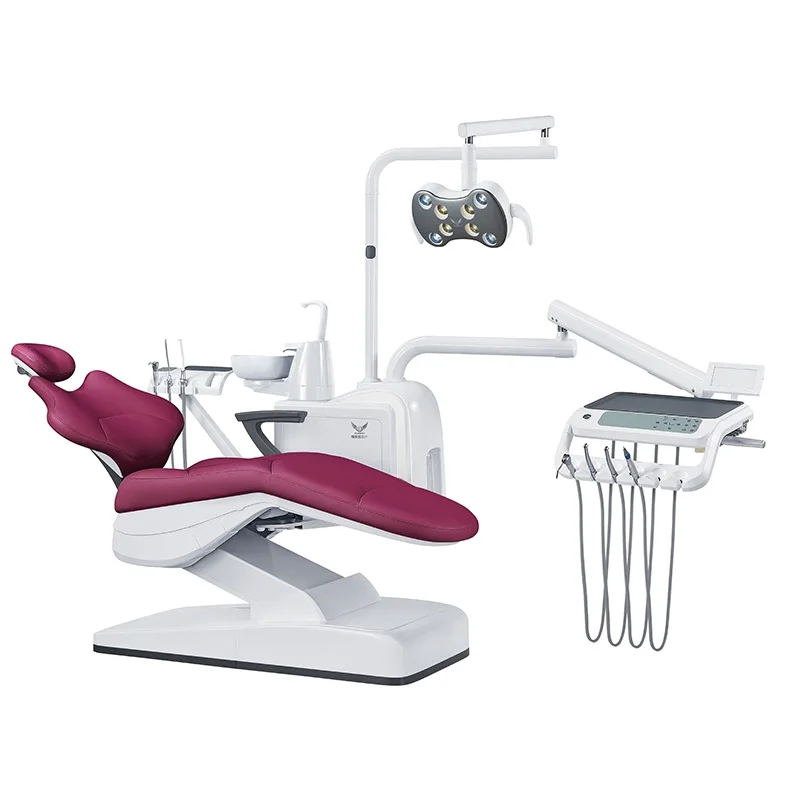
A dental manufacturing unit represents a comprehensive production system designed to fabricate dental prosthetics, restorations, and orthodontic appliances with precision and efficiency. This sophisticated equipment integrates multiple manufacturing processes into a unified platform, enabling dental laboratories and clinics to produce high-quality dental products in-house. The dental manufacturing unit combines computer-aided design and computer-aided manufacturing (CAD/CAM) technology with advanced milling, printing, or sintering capabilities to transform raw materials into finished dental restorations. Modern dental manufacturing units have revolutionized the way dental professionals create crowns, bridges, veneers, dentures, implant components, and orthodontic devices. These systems typically consist of several core components including a design software interface, material processing chamber, precision cutting or forming mechanisms, and quality control systems. The primary function of a dental manufacturing unit is to automate and streamline the production workflow, reducing manual labor while increasing accuracy and consistency. Technological features commonly found in these units include multi-axis milling capabilities that can shape ceramic, zirconia, or composite materials with micrometer-level precision. Some dental manufacturing units utilize additive manufacturing technology, building dental prosthetics layer by layer from biocompatible resins or metal powders. The applications of dental manufacturing units span across various dental specialties, from general restorative dentistry to specialized prosthodontics and orthodontics. These systems enable same-day dentistry, where patients can receive permanent restorations in a single visit rather than waiting weeks for external laboratory work. The dental manufacturing unit has become an essential tool for modern dental practices seeking to improve patient outcomes, reduce turnaround times, and maintain competitive advantages in an increasingly technology-driven healthcare landscape.

Popular Products

Investing in a dental manufacturing unit delivers substantial time savings for dental practices and laboratories. Traditional methods of creating dental restorations often require sending impressions to external labs, waiting days or weeks for completion, and scheduling multiple patient appointments. With an in-house dental manufacturing unit, practices can complete the entire process within hours, allowing patients to receive permanent restorations in a single visit. This efficiency dramatically improves patient satisfaction and reduces the inconvenience of temporary restorations. The speed advantage translates directly into increased practice productivity, enabling dentists to serve more patients and generate higher revenue. Cost reduction represents another significant benefit of owning a dental manufacturing unit. While the initial investment may seem substantial, the long-term savings quickly offset the upfront costs. Practices eliminate ongoing laboratory fees, which typically represent a significant percentage of restoration costs. By producing restorations in-house, dental practices retain full control over pricing and profit margins. Material costs become more predictable and manageable, and practices can purchase raw materials in bulk at reduced rates. The dental manufacturing unit also reduces overhead associated with shipping, handling, and communication with external laboratories. Quality control improves dramatically when production happens on-site. Dentists can personally oversee each step of the manufacturing process, ensuring that every restoration meets their exact specifications. If adjustments are needed, changes can be made immediately without shipping items back and forth to laboratories. This direct oversight minimizes errors, reduces remakes, and ensures consistent quality across all prosthetic work. The dental manufacturing unit empowers practices to maintain their reputation for excellence by delivering superior results every time. Patient experience benefits significantly from in-house manufacturing capabilities. Patients appreciate the convenience of completing treatment in fewer appointments, reducing time away from work or personal commitments. The ability to see their restoration being created can increase trust and engagement in the treatment process. Immediate adjustments mean better fit and comfort from the first placement, eliminating the frustration of poorly fitting temporary restorations or multiple adjustment appointments. The dental manufacturing unit also enables practices to offer more personalized service, with dentists able to customize restorations precisely to each patient's unique anatomy and aesthetic preferences. Flexibility and creative control expand considerably with a dental manufacturing unit at your disposal. Practices are no longer constrained by laboratory schedules, capabilities, or communication limitations. Dentists can experiment with different materials, techniques, and designs to achieve optimal results for each clinical situation. Emergency cases can be accommodated immediately rather than waiting for laboratory availability. The dental manufacturing unit supports innovation and continuous improvement, allowing practices to stay at the forefront of dental technology and treatment approaches.

Practical Tips

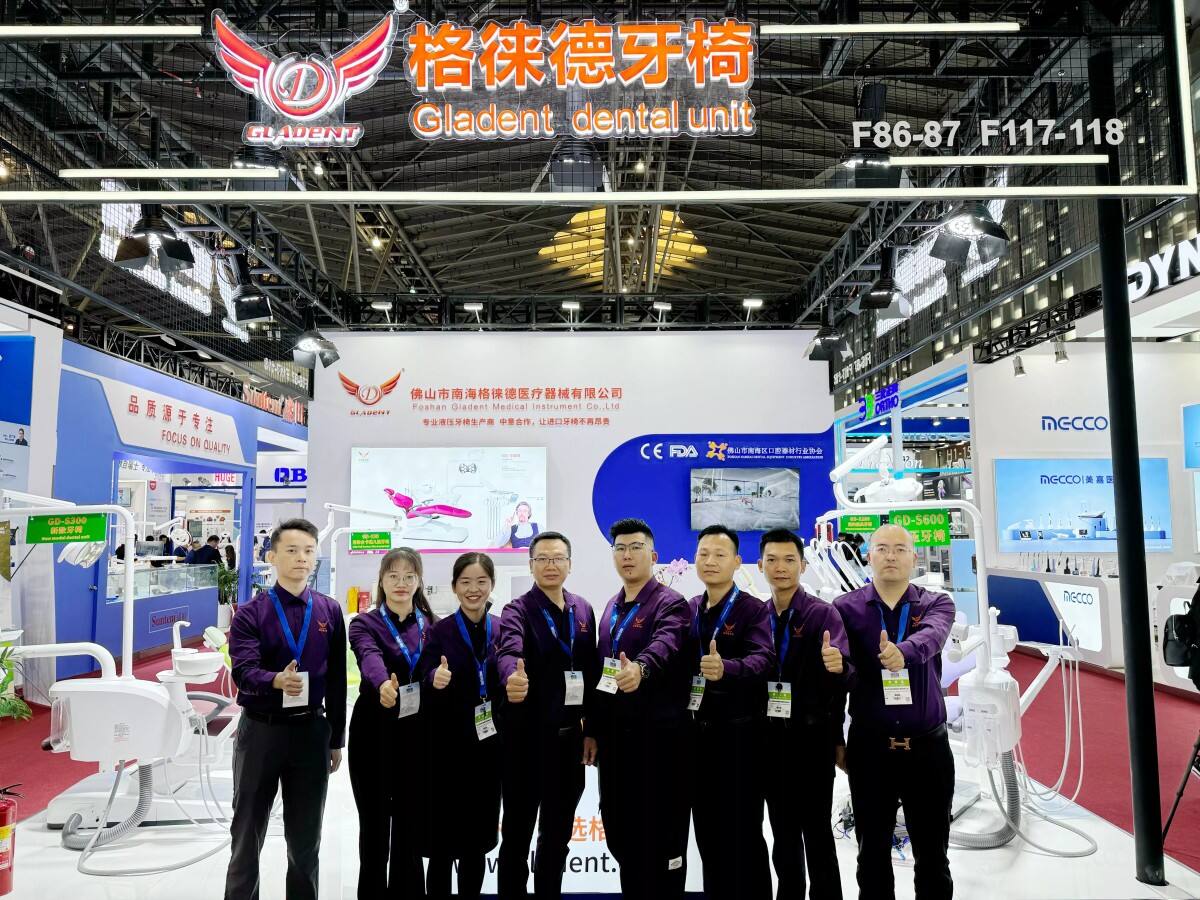
Gladent Medical in DenTech 2024 in Shanghai

27

Aug

Gladent Medical in DenTech 2024 in Shanghai

View More
Innovation Journey - GLADENT Dental Chairs: [The 30th South China International Dental Exhibition 2025 Concludes Successfully]

27

Aug

Innovation Journey - GLADENT Dental Chairs: [The 30th South China International Dental Exhibition 2025 Concludes Successfully]

View More
Distribute Women's Day gifts to female employees

28

Aug

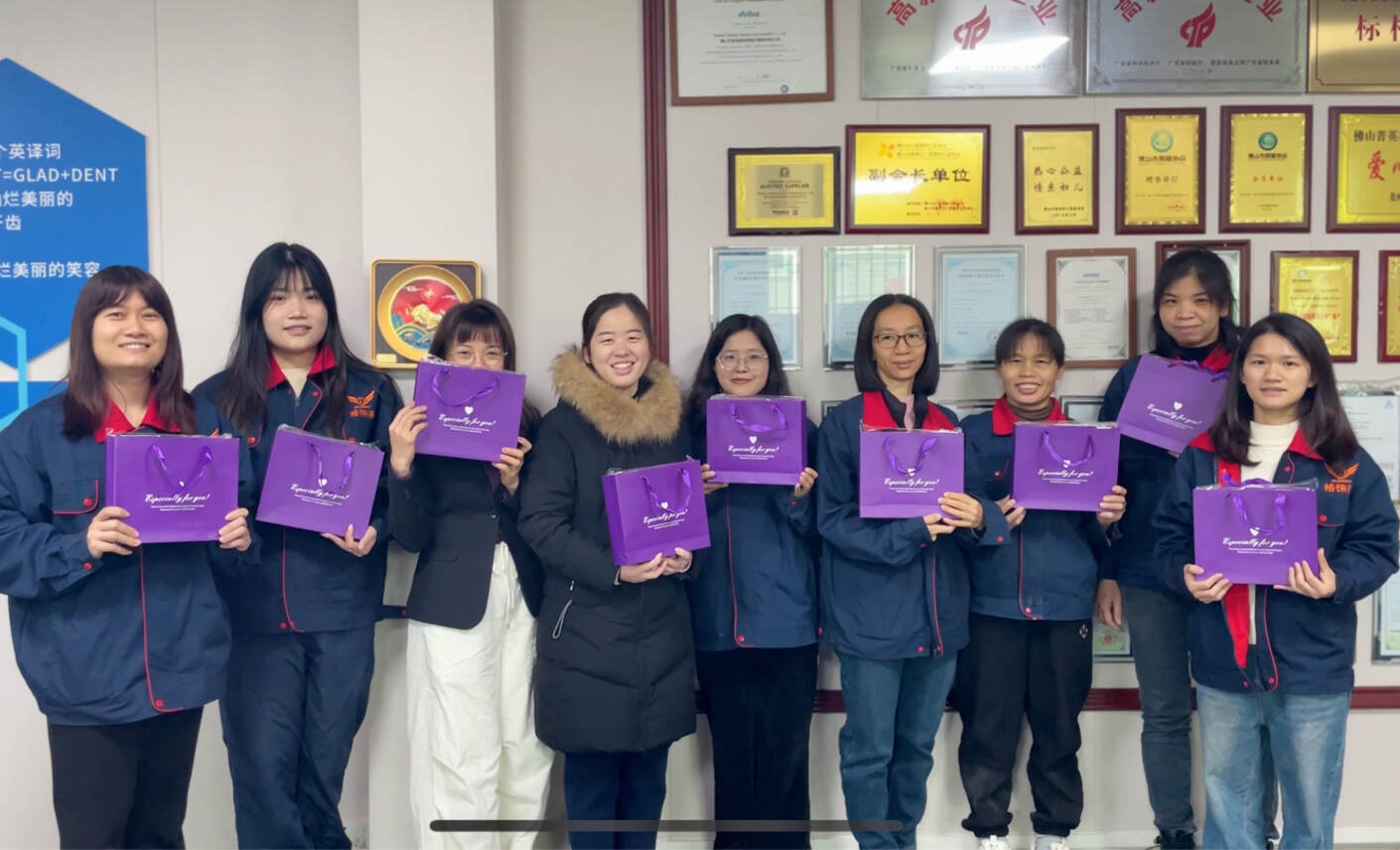
Distribute Women's Day gifts to female employees

View More

Get a Free Quote

Our representative will contact you soon.
Email
Mobile
Name
Company Name
Message
0/1000

dental manufacturing unit

Precision Engineering for Perfect Clinical Outcomes

Precision Engineering for Perfect Clinical Outcomes

The dental manufacturing unit incorporates cutting-edge precision engineering that sets new standards for accuracy in dental restoration fabrication. At the heart of this technology lies sophisticated multi-axis milling systems or high-resolution 3D printing mechanisms capable of reproducing dental anatomy with extraordinary detail. These systems operate at tolerances measured in micrometers, ensuring that every surface, margin, and contact point matches the digital design specifications exactly. This level of precision is critical for achieving proper occlusion, maintaining healthy adjacent tooth structure, and ensuring long-term restoration success. The dental manufacturing unit utilizes advanced motion control systems with feedback loops that constantly monitor and adjust cutting or printing parameters in real-time. This dynamic adjustment capability compensates for material variations, tool wear, and environmental factors that might otherwise compromise accuracy. The result is consistent, predictable outcomes regardless of the complexity of the restoration being produced. For dental professionals, this precision translates into restorations that seat perfectly on the first attempt, requiring minimal or no chairside adjustments. The time saved during fitting appointments improves practice efficiency while enhancing patient comfort and satisfaction. The dental manufacturing unit supports work with a wide range of materials, from traditional ceramics and metals to advanced zirconia and composite resins, each requiring different processing parameters that the system manages automatically. Material versatility combined with precision engineering enables practices to select the optimal material for each clinical situation without sacrificing accuracy. The technology behind the dental manufacturing unit includes intelligent tool path generation algorithms that optimize cutting strategies to minimize material waste while maximizing surface finish quality. These algorithms consider material properties, restoration geometry, and desired aesthetics to determine the most efficient production sequence. The sophisticated software that drives the dental manufacturing unit allows for extensive customization, enabling dental professionals to fine-tune parameters based on their preferences and clinical experience. Quality assurance features built into the dental manufacturing unit provide confidence that every restoration meets rigorous standards before leaving the production chamber, reducing the risk of clinical failures and patient dissatisfaction.
Streamlined Workflow Integration for Maximum Efficiency

Streamlined Workflow Integration for Maximum Efficiency

The dental manufacturing unit is designed with workflow optimization as a central priority, recognizing that technology must integrate seamlessly into existing practice operations to deliver real value. Modern systems feature intuitive software interfaces that require minimal training, allowing dental staff to become proficient quickly without extensive technical backgrounds. The workflow typically begins with digital impression capture using intraoral scanners, which feed data directly into the dental manufacturing unit's design software. This digital integration eliminates the messiness and inaccuracy associated with traditional impression materials while accelerating the treatment timeline. The design phase takes advantage of extensive restoration libraries and artificial intelligence-assisted tools that suggest optimal designs based on the clinical situation. Dental professionals can accept these suggestions, modify them according to their preferences, or design completely custom restorations from scratch. The flexibility of the dental manufacturing unit accommodates both novice users who prefer guided workflows and experienced technicians who want complete creative control. Once the design is finalized, the system automatically generates the manufacturing instructions and prepares the production equipment, requiring only a few clicks to initiate fabrication. During production, the dental manufacturing unit operates with minimal supervision, freeing staff to focus on patient care and other practice responsibilities. Progress monitoring features provide real-time updates on production status, estimated completion times, and any issues that require attention. The system's reliability means that practices can confidently schedule patient appointments knowing that restorations will be ready when needed. Post-processing requirements vary depending on the material and manufacturing method used, but the dental manufacturing unit is designed to minimize these additional steps wherever possible. For materials that require sintering, glazing, or other finishing processes, the system provides clear guidance and often integrates with auxiliary equipment to create a complete production ecosystem. The dental manufacturing unit's data management capabilities ensure that all patient cases are properly documented, tracked, and archived for future reference. This digital record-keeping simplifies quality assurance reviews, warranty management, and clinical outcome analysis. Integration with practice management software allows for seamless case tracking from initial consultation through final restoration delivery, improving communication and reducing administrative burden.
Future-Proof Investment with Expandable Capabilities

Future-Proof Investment with Expandable Capabilities

Acquiring a dental manufacturing unit represents more than just purchasing equipment; it is an investment in the long-term growth and adaptability of a dental practice. These systems are engineered with expandability and upgradability in mind, ensuring that practices can adapt to evolving technologies and changing patient demands without replacing their entire manufacturing infrastructure. The modular architecture of modern dental manufacturing units allows for component upgrades as new capabilities become available. Software updates can introduce new features, support additional materials, or enhance existing functionality without requiring hardware changes. This approach protects the initial investment while keeping practices at the forefront of dental manufacturing technology. The dental manufacturing unit typically supports a progressive adoption model, where practices can start with basic applications and gradually expand into more complex procedures as their expertise and confidence grow. Beginners might focus initially on simple single-unit crowns before advancing to bridges, implant components, or full-arch prosthetics. The system scales with practice needs, accommodating increasing production volumes without performance degradation. As patient demand grows, practices can add capacity by extending operating hours or adding additional manufacturing units that integrate into the existing digital workflow. The dental manufacturing unit connects to a broader ecosystem of digital dentistry tools, including intraoral scanners, facial scanners, and treatment planning software. This interoperability creates a comprehensive digital workflow that enhances every aspect of patient care from diagnosis through treatment delivery. Practices that embrace this integrated approach position themselves as technology leaders in their markets, attracting patients who value modern, efficient dental care. The return on investment from a dental manufacturing unit compounds over time as practices develop expertise, optimize workflows, and expand service offerings. Material science advances continuously introduce new biocompatible materials with improved properties, and dental manufacturing units are designed to accommodate these innovations. Practices can stay current with clinical trends without equipment obsolescence becoming a concern. Training and support resources from manufacturers ensure that practices maximize the value of their dental manufacturing unit throughout its operational lifetime. Online tutorials, user communities, and technical support teams provide assistance whenever questions arise. This ongoing support infrastructure gives practices confidence that they are never alone in their digital dentistry journey, making the dental manufacturing unit a sustainable foundation for practice growth and success.