Advanced Dental Unit with Touch Screen Technology - Modern Equipment for Professional Practices

EN EN

Call Us:+86-757-81267151

dental unit with touch screen

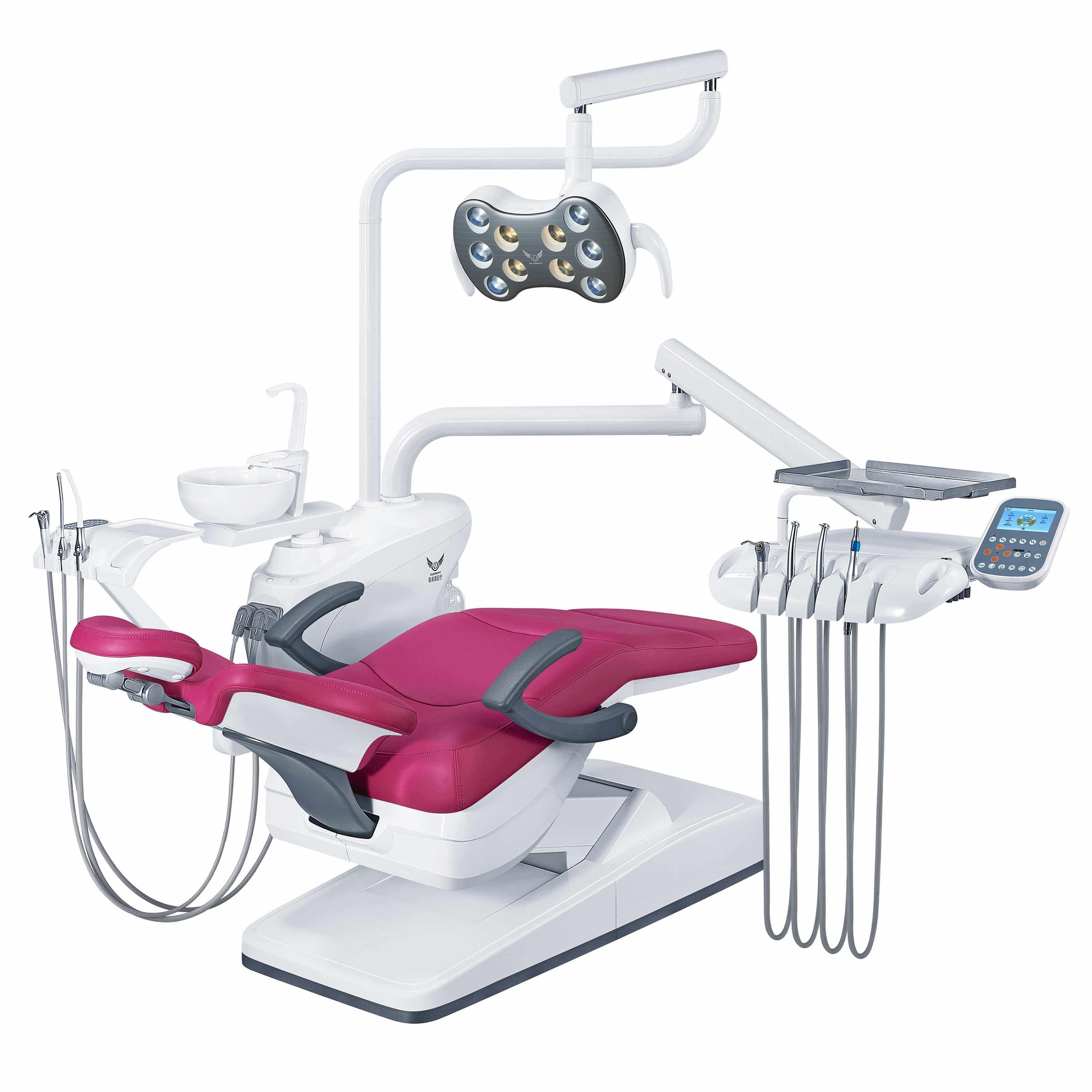
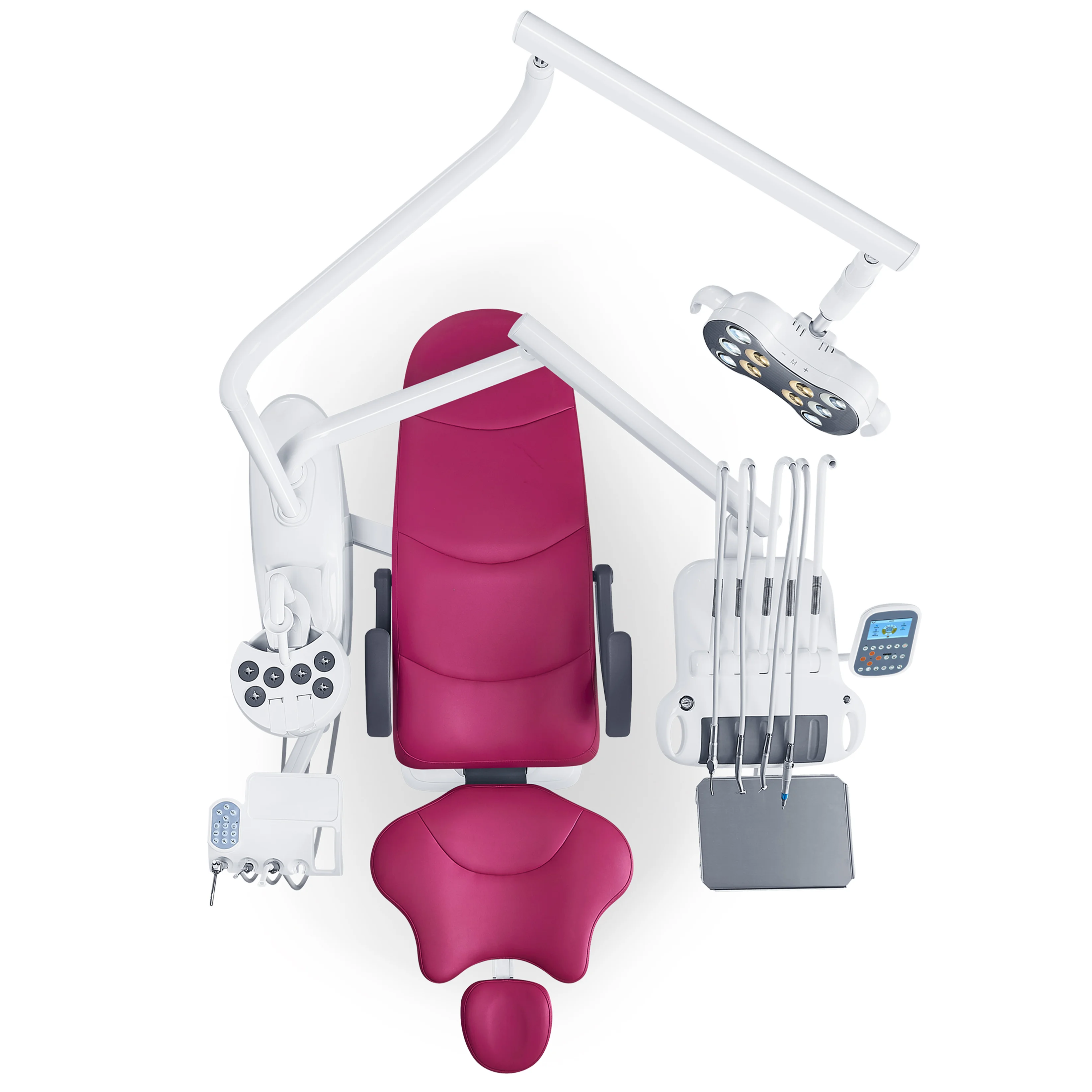
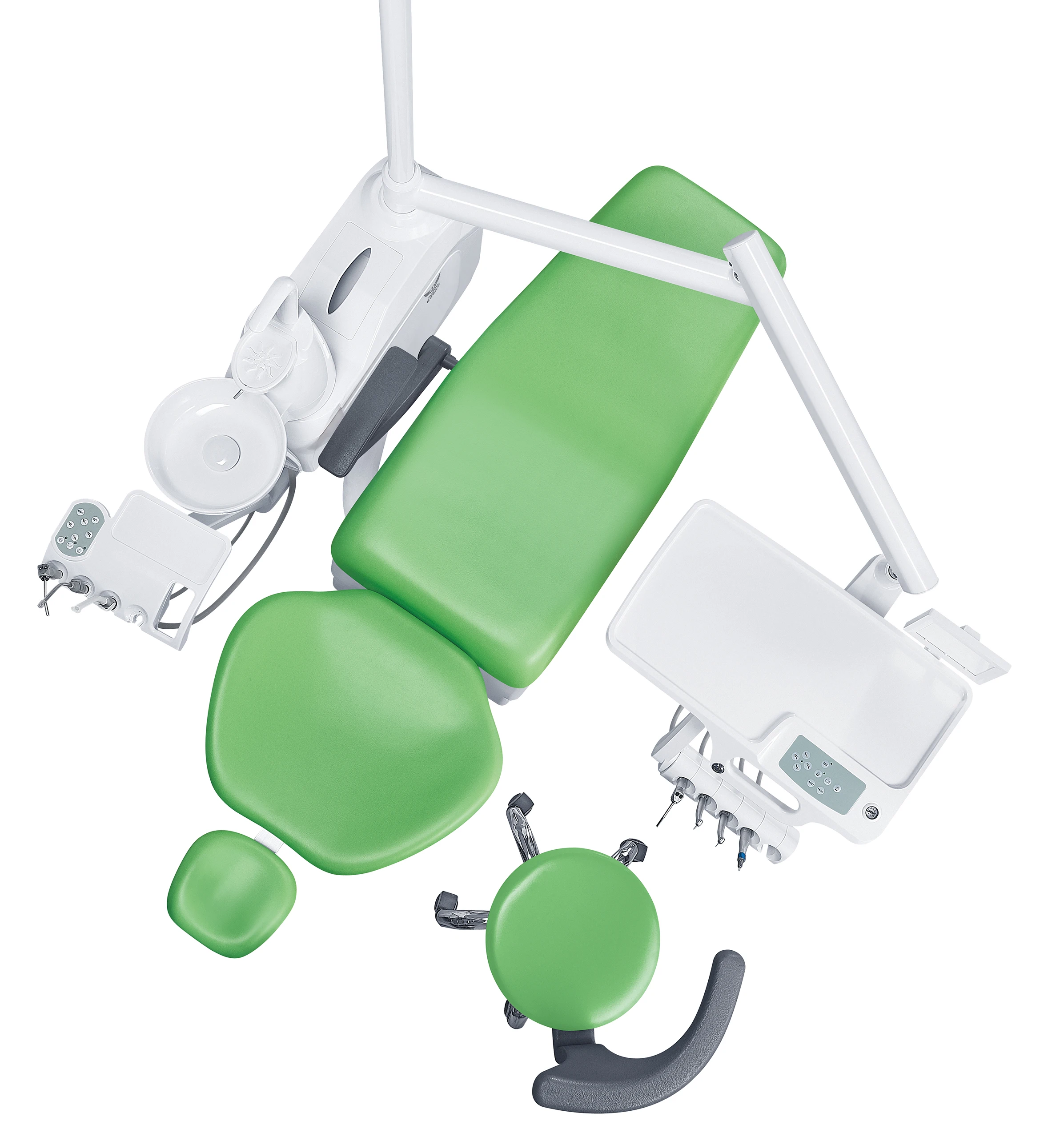
Modern dental practices demand equipment that combines precision, efficiency, and user-friendly operation. A dental unit with touch screen represents the convergence of advanced technology and practical functionality in contemporary dentistry. This sophisticated equipment serves as the central hub for dental procedures, integrating multiple functions into one cohesive system controlled through an intuitive touch interface. The touch screen panel acts as the command center, allowing dental professionals to adjust chair positions, control water and air flow, manage lighting intensity, and access patient information with simple gestures. These units typically feature ergonomic designs that prioritize both practitioner comfort and patient safety during treatments. The integration of digital controls eliminates the need for multiple manual switches and knobs, streamlining the workflow and reducing the time spent on equipment adjustments. Advanced models incorporate preset position memory, enabling quick transitions between different treatment phases. The touch screen interface displays real-time operational data, equipment status indicators, and maintenance alerts, helping practices maintain optimal performance standards. Many units include connectivity features that allow integration with practice management software, digital imaging systems, and electronic health records. The physical construction emphasizes durability and hygiene, with smooth surfaces that facilitate thorough cleaning and infection control protocols. Adjustable components accommodate practitioners of varying heights and working preferences, while the patient chair offers multiple positioning options for different procedures. The system typically includes LED lighting with adjustable color temperature and intensity, providing optimal illumination for detailed work. Water and suction systems are engineered for reliable performance with minimal noise generation, contributing to a calmer treatment environment. The incorporation of touch screen technology represents a significant advancement over traditional mechanical controls, offering greater precision, faster response times, and enhanced reliability through reduced mechanical wear.

Popular Products

Investing in a dental unit with touch screen delivers tangible benefits that directly impact daily practice operations and patient experiences. The intuitive touch interface significantly reduces the learning curve for new staff members, as the visual controls mirror familiar smartphone and tablet interactions. This familiarity translates to faster adoption and fewer operational errors during busy treatment schedules. The digital control system eliminates the physical wear associated with mechanical buttons and switches, resulting in lower maintenance costs and extended equipment lifespan. Practices experience improved efficiency as dentists and assistants can make precise adjustments without interrupting their focus on the patient. The preset memory functions allow instant recall of preferred positions for specific procedures, saving valuable minutes throughout the day that accumulate into substantial time savings over months and years. Enhanced hygiene standards become easier to maintain because smooth touch screen surfaces can be quickly disinfected between patients, unlike traditional controls with crevices that harbor contaminants. The visual feedback provided by the display helps prevent equipment misuse and alerts staff to potential issues before they escalate into costly repairs. Patient comfort improves through smoother position transitions and the professional appearance of modern technology, which builds confidence in the practice's commitment to quality care. The integration capabilities allow practices to centralize their digital workflows, reducing the need to switch between multiple systems and decreasing the likelihood of data entry errors. Energy efficiency features built into many touch screen units help reduce operational costs while supporting environmental sustainability goals. The clear visual interface also aids in training scenarios, as instructors can demonstrate proper equipment operation more effectively than with traditional controls. Practices report improved staff satisfaction because the reduced physical effort required for equipment operation decreases fatigue during long treatment days. The ability to customize screen layouts and control preferences allows each practitioner to optimize their workspace according to individual techniques and preferences. Documentation becomes more accurate when equipment settings can be recorded digitally and linked to patient records automatically. The professional appearance of a dental unit with touch screen enhances the practice's image, helping attract patients who value advanced technology and modern treatment approaches. Return on investment manifests through reduced downtime, lower maintenance expenses, improved productivity, and enhanced patient retention rates that result from consistently positive treatment experiences.

Practical Tips

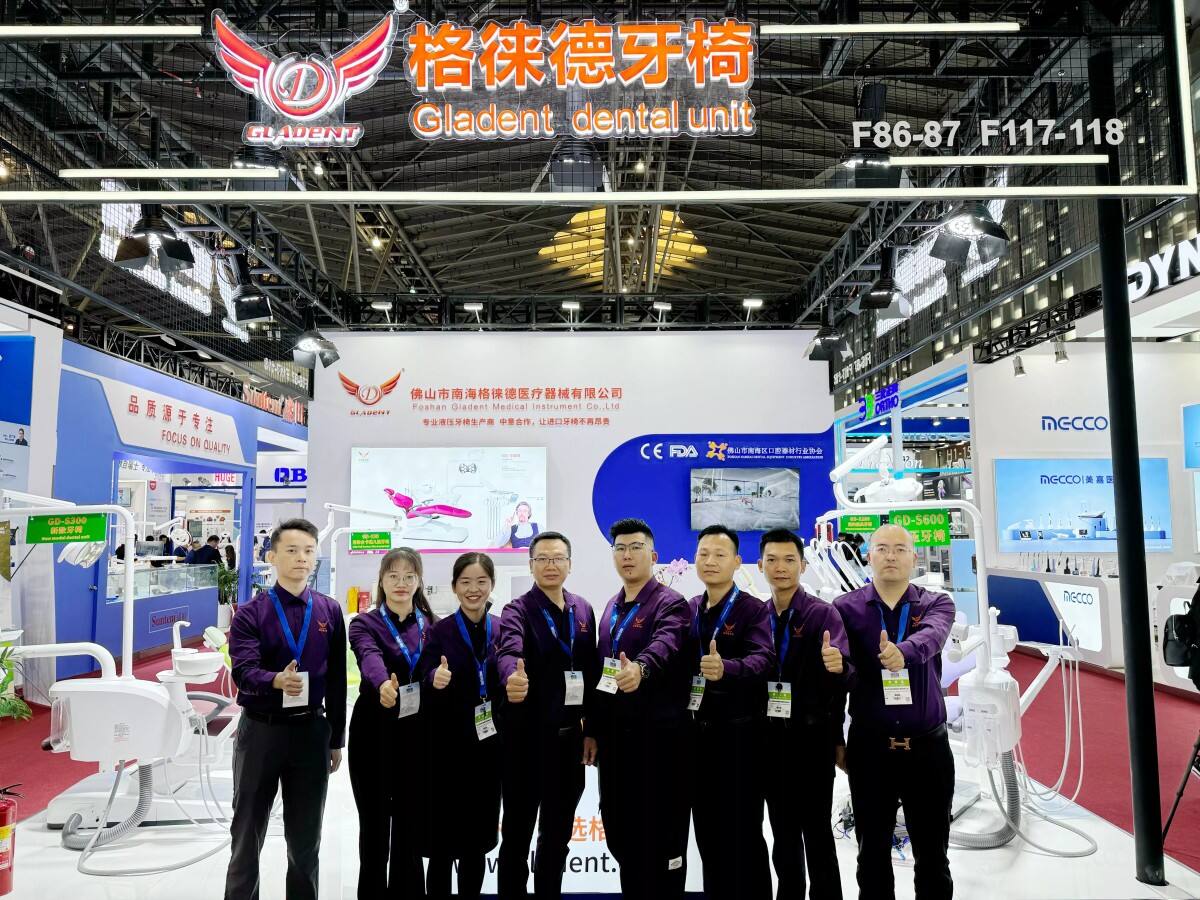
Gladent Medical in DenTech 2024 in Shanghai

27

Aug

Gladent Medical in DenTech 2024 in Shanghai

View More
Innovation Journey - GLADENT Dental Chairs: [The 30th South China International Dental Exhibition 2025 Concludes Successfully]

27

Aug

Innovation Journey - GLADENT Dental Chairs: [The 30th South China International Dental Exhibition 2025 Concludes Successfully]

View More
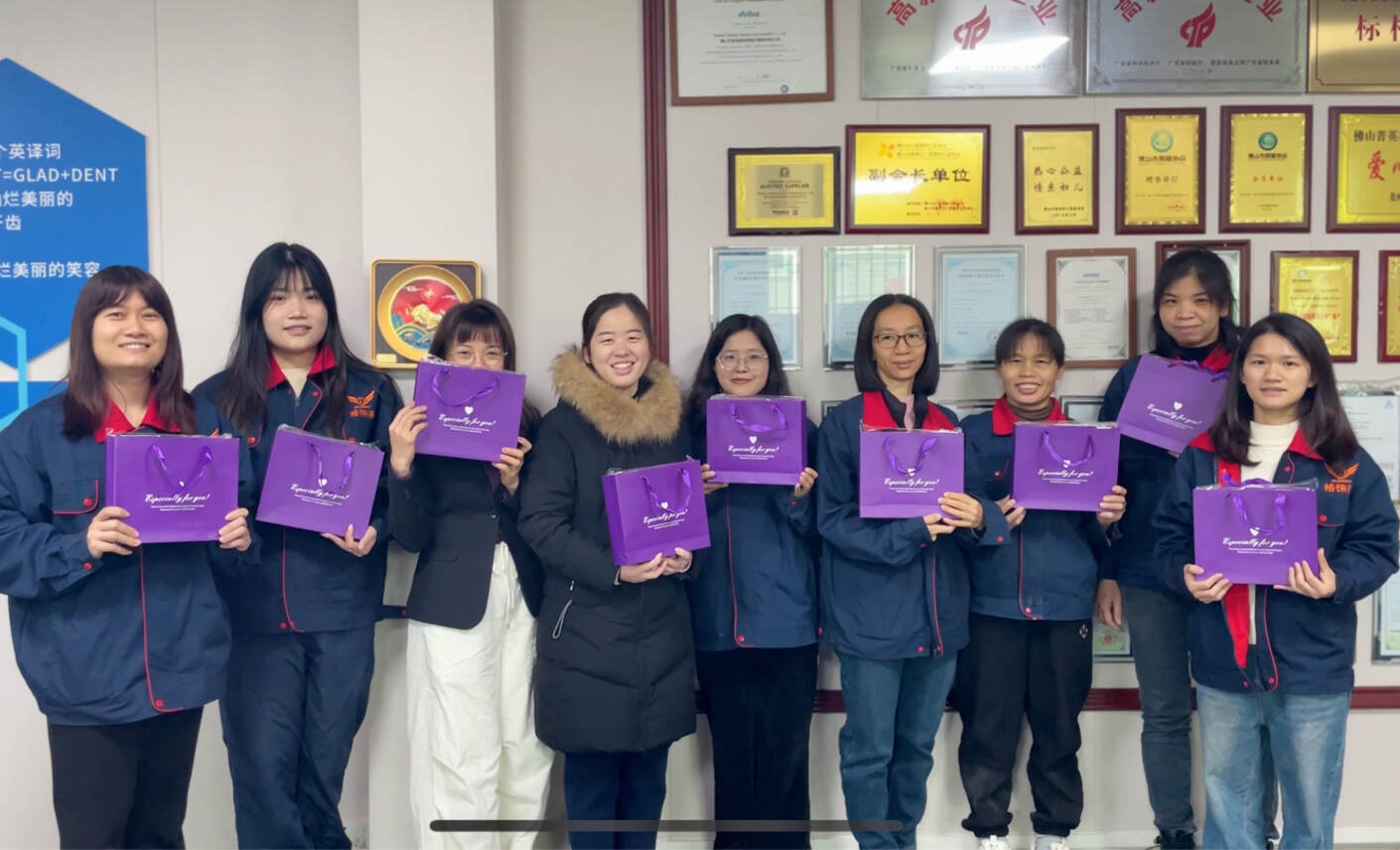
Distribute Women's Day gifts to female employees

28

Aug

Distribute Women's Day gifts to female employees

View More

Get a Free Quote

Our representative will contact you soon.
Email
Mobile
Name
Company Name
Message
0/1000

dental unit with touch screen

Streamlined Workflow Through Intelligent Touch Control

Streamlined Workflow Through Intelligent Touch Control

The implementation of touch screen technology in dental units revolutionizes how practitioners interact with their equipment throughout the treatment day. Unlike conventional systems that require multiple physical switches and dials, the touch interface consolidates all controls into a single, logically organized display that responds instantly to commands. This centralization means dental professionals can adjust chair positions, activate suction systems, control water flow, and modify lighting conditions without taking their eyes off the treatment area for extended periods. The responsive nature of capacitive touch screens ensures that even light touches register accurately, allowing for operation with gloved hands without sacrificing precision. Many advanced units feature customizable interface layouts, enabling practices to arrange controls according to their specific workflow patterns and procedural preferences. The visual feedback provided by the screen confirms each action, reducing uncertainty and preventing repeated adjustments that waste time. During complex procedures requiring frequent equipment modifications, this efficiency becomes particularly valuable as it allows the dental team to maintain their rhythm and focus. The touch screen dental unit typically includes smart features such as automatic return-to-neutral positions after preset intervals, preventing equipment from remaining in active states unnecessarily. Gesture-based controls, similar to those found on modern mobile devices, allow for quick navigation between different function screens without cluttering the main interface. The digital nature of these controls also enables remote diagnostics and software updates, ensuring the equipment evolves with advancing technology standards. Practices utilizing these systems report measurable improvements in appointment turnaround times, as the reduced time spent adjusting equipment allows for more patients to be seen without compromising care quality. The learning curve associated with new equipment drops dramatically because staff members already possess the touch screen skills from their personal devices. Training new team members becomes a matter of familiarizing them with the specific layout rather than teaching entirely new interaction paradigms. The elimination of mechanical components in the control system also means fewer points of failure, contributing to higher reliability and reduced maintenance interruptions that can disrupt practice schedules and disappoint patients.
Enhanced Infection Control and Hygiene Management

Enhanced Infection Control and Hygiene Management

Modern dental practices face stringent infection control requirements that demand equipment designed with cleanliness as a primary consideration. A dental unit with touch screen excels in this critical area through several thoughtful design elements that facilitate thorough disinfection protocols. The smooth, uninterrupted glass surface of the touch screen presents no crevices, seams, or mechanical buttons where contaminants can accumulate between cleaning cycles. This seamless construction allows dental assistants to wipe down the entire control surface quickly using approved disinfectants without worrying about liquid penetration or damage to sensitive electronics. The waterproof and chemical-resistant properties of quality touch screens ensure they withstand repeated exposure to hospital-grade cleaning agents without degradation or loss of sensitivity. Many units incorporate antimicrobial coatings on high-touch surfaces, providing an additional layer of protection against pathogen transmission. The reduced number of physical components compared to traditional mechanical systems means fewer surface areas require attention during turnover procedures between patients. Some advanced models feature touchless proximity sensors for frequently used functions, further minimizing surface contact requirements during procedures. The digital interface can display cleaning schedules and maintenance reminders, helping practices maintain consistent hygiene standards and documentation for regulatory compliance. The materials used in constructing these dental units typically include non-porous substances that resist bacterial colonization, complementing the touch screen's hygienic advantages. The ability to fully retract or cover the touch screen during aerosol-generating procedures provides flexibility in maintaining sterile fields while keeping controls accessible when needed. Practices implementing these systems report greater confidence in their infection control measures, which translates to improved patient trust and reduced anxiety about treatment safety. The visual cleanliness of modern touch screen equipment also creates positive impressions on patients who associate the technology with advanced care standards and professional competence. Staff members appreciate the reduced physical effort required for thorough cleaning, as the simplified surfaces allow them to complete turnover procedures more quickly without sacrificing effectiveness. The durability of sealed touch screen assemblies means they maintain their hygienic properties throughout their operational lifespan, unlike mechanical controls that develop wear patterns where contaminants can lodge.
Advanced Integration Capabilities for Digital Dentistry

Advanced Integration Capabilities for Digital Dentistry

The contemporary dental practice operates increasingly within digital ecosystems that connect various technologies for comprehensive patient care and efficient practice management. A dental unit with touch screen serves as an ideal integration point for these digital systems, offering connectivity that transforms isolated equipment into components of a unified treatment platform. The touch interface can display patient information pulled directly from practice management software, allowing practitioners to review medical histories, treatment plans, and clinical notes without leaving the operatory or handling separate devices. Integration with digital imaging systems enables immediate display of radiographs and intraoral camera feeds on the unit's screen, facilitating chairside consultations where patients can see and understand their conditions clearly. This visual communication capability strengthens treatment acceptance rates as patients grasp the necessity of recommended procedures more readily when viewing actual images of their dental conditions. The digital architecture of these units typically supports bidirectional data exchange, meaning equipment settings, procedure times, and operational parameters can be automatically logged into patient records for comprehensive documentation. Such automated recording reduces administrative burden on clinical staff while improving the accuracy and completeness of treatment records. Many touch screen dental units feature network connectivity that allows remote monitoring by equipment specialists, enabling predictive maintenance strategies that address potential issues before they cause operational disruptions. The ability to update software remotely ensures practices always have access to the latest features and security enhancements without requiring technician visits for each update. Integration with inventory management systems can track material usage linked to specific procedures, providing valuable data for cost analysis and ordering optimization. The touch screen interface can serve as a portal to educational content, allowing practitioners to show patients videos and animations explaining procedures, which enhances informed consent processes and reduces patient anxiety through knowledge. Advanced units may incorporate artificial intelligence features that learn individual practitioner preferences over time, automatically suggesting optimal equipment configurations for different procedure types. The standardized communication protocols used by modern dental units with touch screen technology ensure compatibility with a wide range of third-party systems, protecting practices' investments in existing technology while providing pathways for future expansion. Practices leveraging these integration capabilities report improved coordination among team members, as shared access to centralized information reduces communication errors and ensures everyone works from the same patient data. The resulting efficiency gains compound over time, allowing practices to serve more patients effectively while maintaining high standards of personalized care that distinguish them in competitive markets.