Integral Dental Unit - Complete All-in-One Dental Chair Systems for Modern Practices

EN EN

Call Us:+86-757-81267151

integral dental unit

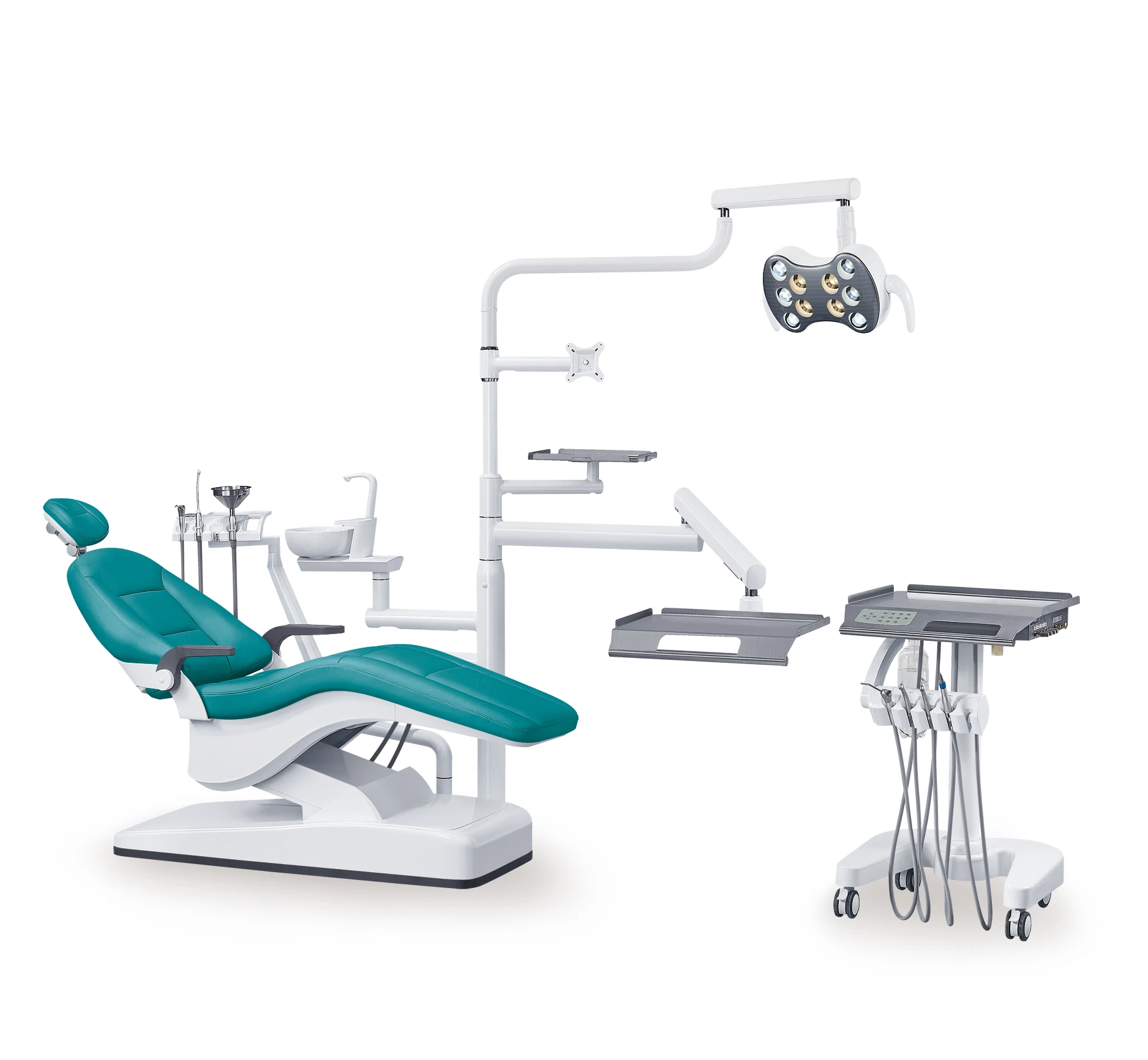
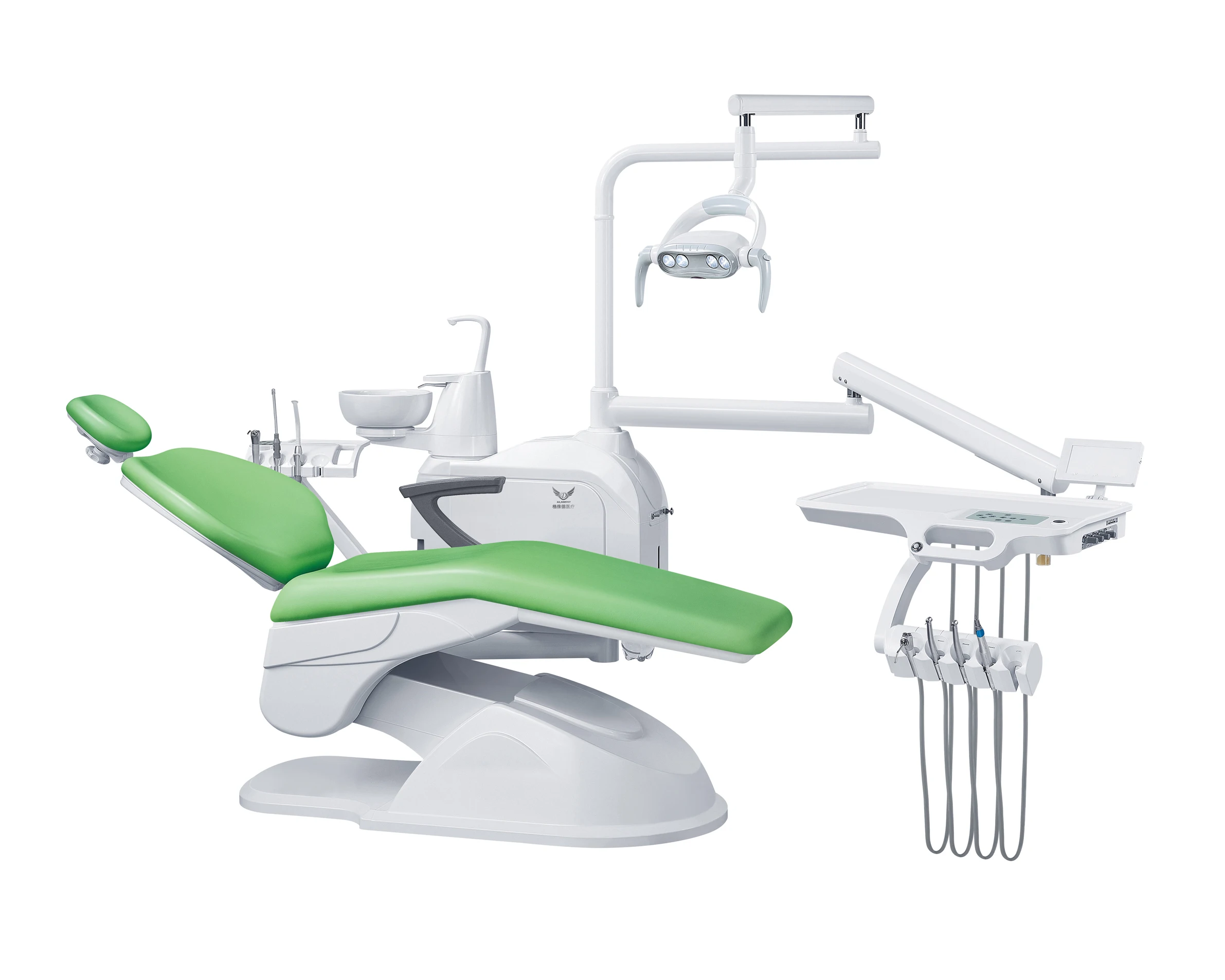
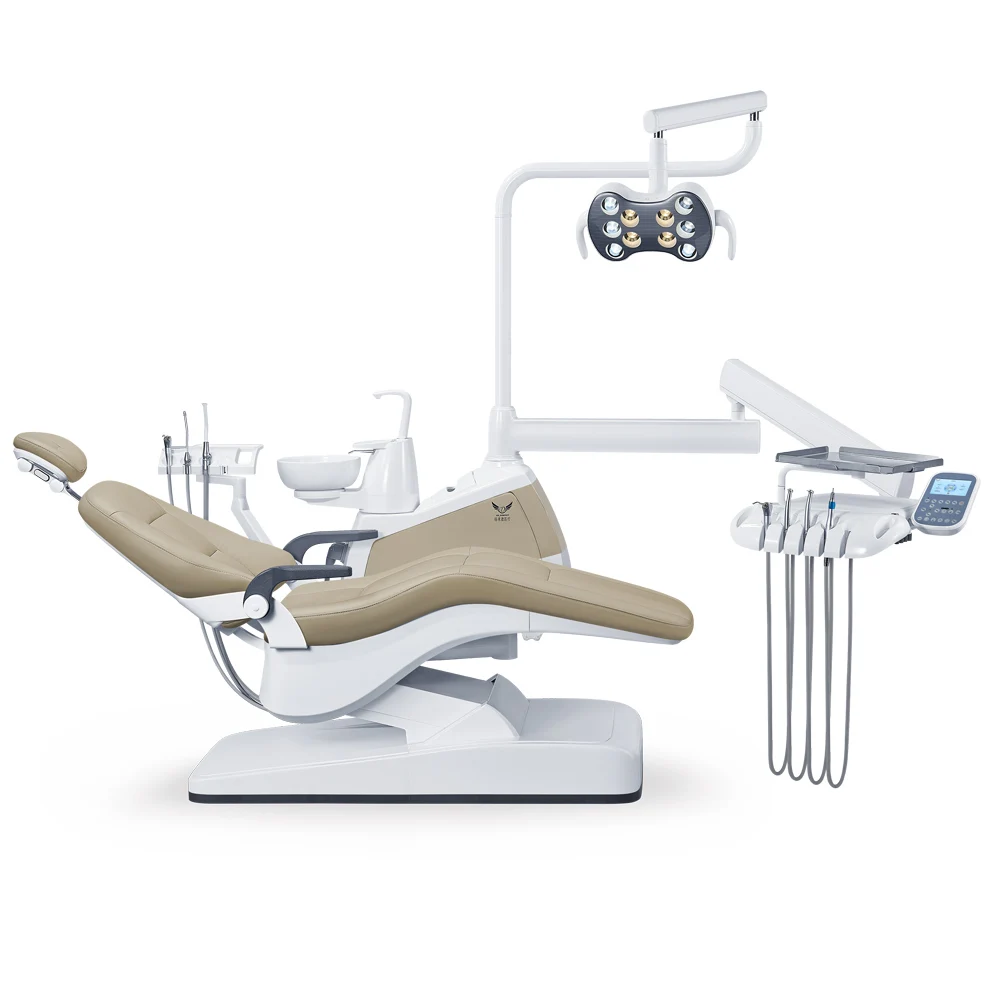
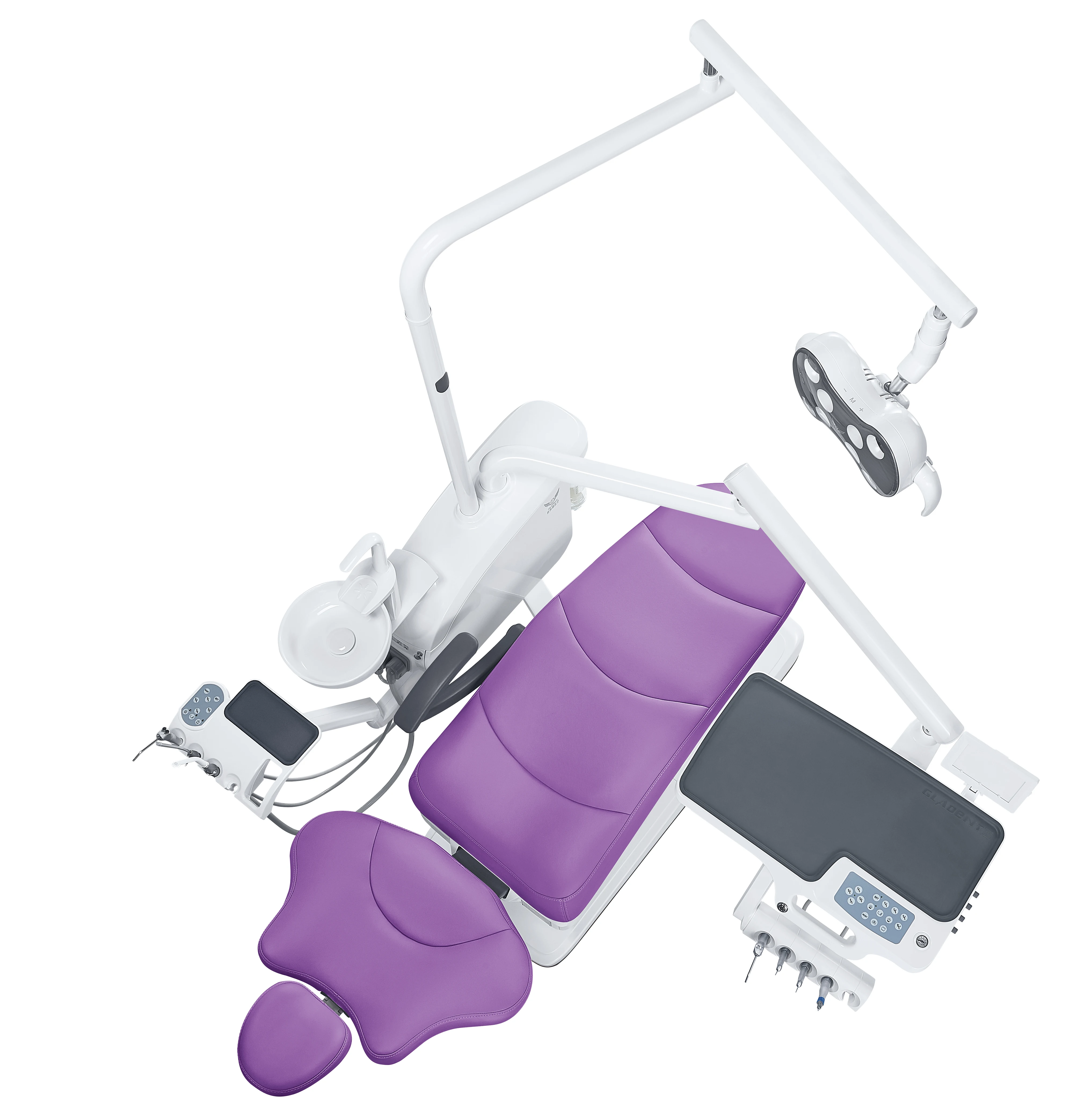
The integral dental unit represents a comprehensive solution that combines multiple essential dental equipment components into one cohesive workstation. This all-in-one system integrates the dental chair, delivery system, lighting, suction apparatus, water supply, and instrument management into a single streamlined platform. Modern integral dental units serve as the cornerstone of contemporary dental practices, providing practitioners with everything needed to perform various procedures efficiently. The main functions of an integral dental unit include patient positioning through an adjustable chair mechanism, precise instrument delivery via articulated arms, powerful illumination through LED operating lights, effective oral evacuation using high-volume suction systems, and controlled water spray for cooling and rinsing. Technological features have evolved significantly, with today's integral dental units incorporating microprocessor controls, programmable chair positions, touch-screen interfaces, and sensor-activated functions. These units often feature ergonomic designs that reduce physical strain on dental professionals during extended procedures. The delivery systems can be configured as over-the-patient, side-delivery, or rear-delivery models to accommodate different working preferences and clinical space requirements. Advanced integral dental units include features such as automatic instrument recognition, self-cleaning waterlines with disinfection systems, integrated multimedia displays for patient education, and digital connectivity for seamless integration with practice management software. Applications span across general dentistry, orthodontics, endodontics, periodontics, and oral surgery. The integral dental unit facilitates routine examinations, restorative procedures, surgical interventions, and preventive care treatments. Its versatile nature makes it suitable for private practices, group clinics, dental schools, and hospital dental departments. The modular construction of modern integral dental units allows customization based on specific practice needs, budget considerations, and available space. This flexibility ensures that dental professionals can select configurations that align with their clinical workflows while maintaining the capacity to upgrade components as technology advances or practice requirements change over time.

New Product Recommendations

Choosing an integral dental unit delivers substantial benefits that directly impact daily practice operations and patient experiences. First and foremost, these comprehensive systems save valuable space by consolidating multiple pieces of equipment into one compact footprint, allowing practices to maximize their treatment room efficiency and accommodate more operatories within existing facilities. This space optimization translates into increased revenue potential without requiring expensive facility expansions. The integrated design eliminates the clutter of separate machines and tangled cables that characterize traditional setups, creating a cleaner, more professional environment that impresses patients and reduces anxiety. Practitioners appreciate the enhanced workflow efficiency that comes from having all necessary instruments and controls within easy reach, minimizing unnecessary movements and reducing physical fatigue during long appointment schedules. The ergonomic benefits cannot be overstated, as properly designed integral dental units help prevent repetitive strain injuries and chronic back problems that plague dental professionals. Patient comfort receives a significant boost through advanced chair designs that provide superior support and smooth, quiet positioning adjustments that feel less intimidating than older mechanical systems. The consistent equipment configuration across operatories allows staff to work more efficiently regardless of which room they occupy, reducing training time for new employees and minimizing errors caused by unfamiliar layouts. Maintenance becomes more straightforward with an integral dental unit because all components come from a single manufacturer, ensuring compatibility and simplifying service calls when repairs are needed. This unified approach typically results in better warranty coverage and more responsive technical support compared to managing multiple equipment vendors. Financial advantages emerge through bundled pricing that costs less than purchasing individual components separately, while also streamlining the procurement process and reducing administrative burden. Energy efficiency improves because modern integral dental units incorporate power-saving technologies that reduce electricity consumption compared to running multiple standalone devices. The professional image projected by state-of-the-art equipment helps practices attract quality-conscious patients who associate advanced technology with superior care. Infection control practices benefit from integrated designs that minimize crevices where contaminants can accumulate and feature surfaces specifically engineered for easy disinfection between patients. Digital integration capabilities enable seamless connections with intraoral cameras, digital radiography systems, and computer networks, supporting paperless workflows that improve documentation accuracy and regulatory compliance. Long-term reliability typically exceeds that of assembled systems because integral dental units undergo comprehensive testing as complete systems rather than as individual components that may not work optimally together. Resale value remains stronger for well-maintained integral dental units compared to aging collections of mismatched equipment, providing better return on investment when practices eventually upgrade or relocate.

Practical Tips

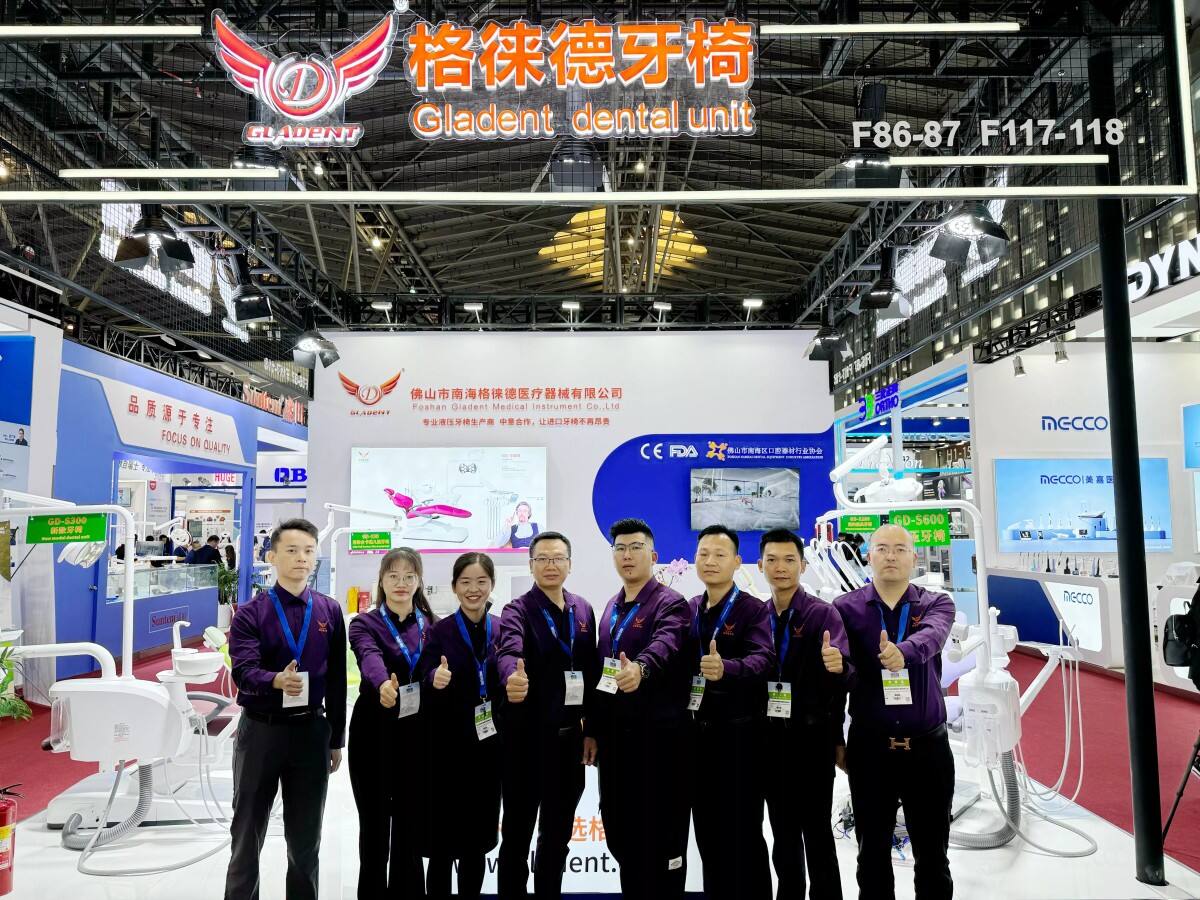
Gladent Medical in DenTech 2024 in Shanghai

27

Aug

Gladent Medical in DenTech 2024 in Shanghai

View More
Innovation Journey - GLADENT Dental Chairs: [The 30th South China International Dental Exhibition 2025 Concludes Successfully]

27

Aug

Innovation Journey - GLADENT Dental Chairs: [The 30th South China International Dental Exhibition 2025 Concludes Successfully]

View More
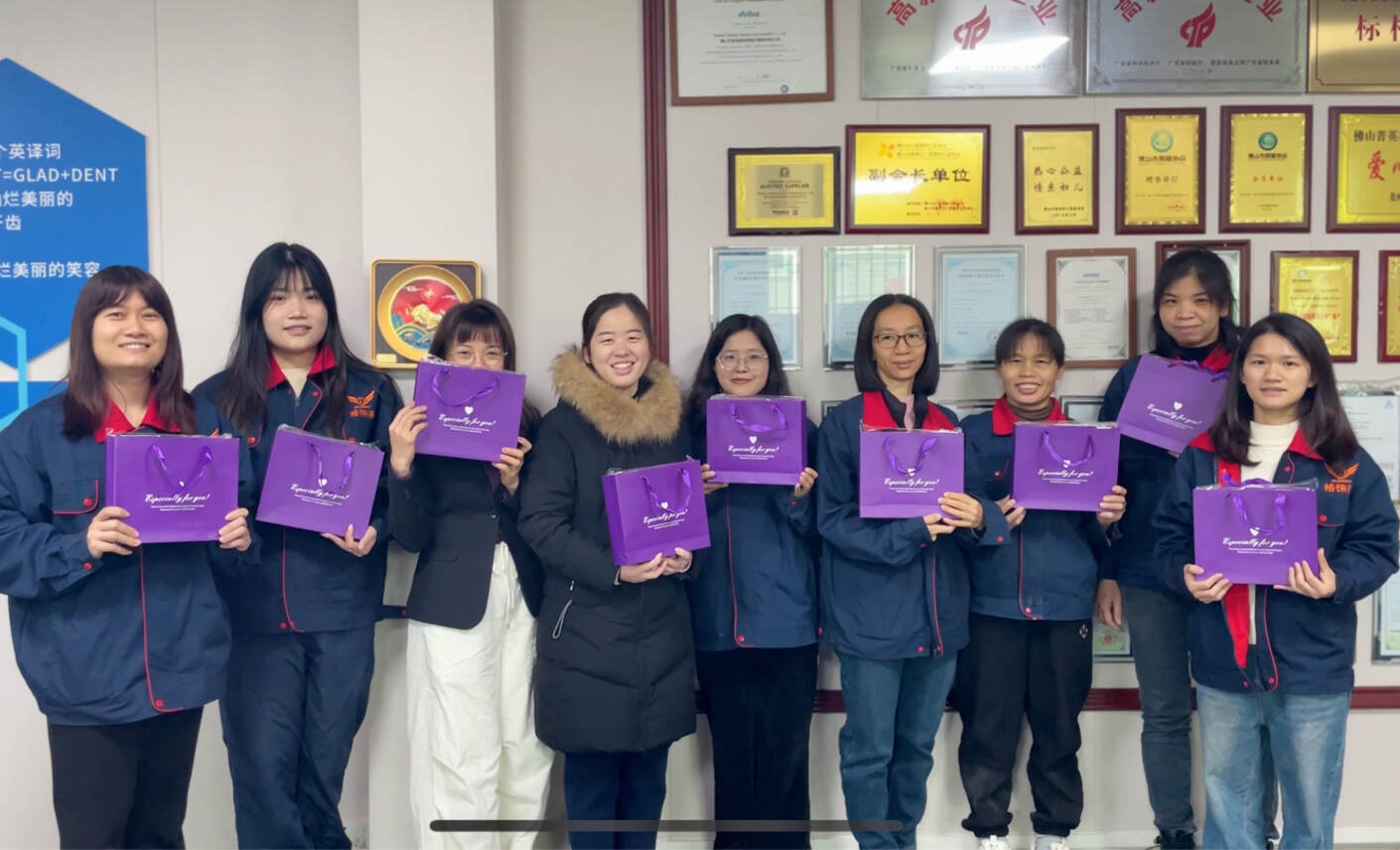
Distribute Women's Day gifts to female employees

28

Aug

Distribute Women's Day gifts to female employees

View More

Get a Free Quote

Our representative will contact you soon.
Email
Mobile
Name
Company Name
Message
0/1000

integral dental unit

Advanced Ergonomic Design for Practitioner Health and Performance

Advanced Ergonomic Design for Practitioner Health and Performance

The ergonomic architecture of modern integral dental units represents a fundamental advancement in protecting practitioner wellbeing while simultaneously enhancing clinical performance. Dental professionals face significant occupational health risks from repetitive motions, sustained awkward postures, and constant reaching for instruments throughout their careers. An integral dental unit addresses these challenges through thoughtfully engineered spatial relationships that position essential tools within optimal reach zones, eliminating the need for excessive twisting, stretching, or bending during procedures. The delivery system arms feature smooth articulation with balanced counterweights that allow effortless repositioning without requiring practitioners to interrupt their focus on the treatment area. This fluid adjustability means that whether working from the twelve o'clock position for anterior procedures or the nine o'clock position for posterior access, clinicians can maintain neutral spine alignment and relaxed shoulder positioning. The instrument handpieces hang at precisely calculated lengths that minimize wrist deviation and grip force requirements, reducing the cumulative stress that leads to carpal tunnel syndrome and similar conditions. Assistant stools integrate seamlessly with the unit's design, incorporating footrests and height adjustments that promote proper posture for supporting team members who spend hours in static positions while assisting. The operator's element features intuitive control placement that follows natural hand movements, allowing practitioners to adjust water flow, activate suction, or reposition the chair without looking away from the oral cavity or releasing instruments. This visual continuity proves especially valuable during delicate procedures requiring continuous concentration. The dental chair itself incorporates advanced cushioning systems that distribute patient weight evenly, preventing pressure points that cause discomfort during extended appointments, which in turn reduces patient movement that forces practitioners into compensatory positions. Programmable position memory allows practitioners to instantly recall their preferred working configurations for different procedure types, eliminating the trial-and-error adjustments that waste time and cause incremental physical strain. The lighting system adjusts in multiple axes with fingertip controls, ensuring optimal illumination angles without requiring practitioners to contort themselves to peer around shadows or inadequate lighting. Waterline and suction hose management systems keep these essential elements organized and out of the way, preventing the tangling and dragging that creates resistance during natural working movements. By reducing physical stress factors, an integral dental unit helps practitioners maintain career longevity, reduces sick days caused by work-related injuries, and enables more consistent performance throughout long clinical days when fatigue might otherwise compromise precision and decision-making quality.
Comprehensive Infection Control Integration for Maximum Patient Safety

Comprehensive Infection Control Integration for Maximum Patient Safety

Patient safety through rigorous infection control stands as a non-negotiable priority in modern dental practice, and integral dental units now incorporate sophisticated features specifically engineered to minimize cross-contamination risks and support sterilization protocols. Traditional dental equipment often created infection control challenges through complex surfaces with seams, joints, and recesses where biofilm could develop and disinfectants struggled to reach effectively. Contemporary integral dental units address these vulnerabilities through seamless surface construction using non-porous materials that resist microbial colonization and withstand repeated exposure to high-level disinfectants without degrading. The touch surfaces that practitioners and assistants contact frequently feature antimicrobial coatings that actively inhibit bacterial growth between patients, providing an additional safety layer beyond manual disinfection. Waterline management represents a critical infection control concern because dental unit waterlines can harbor opportunistic pathogens that multiply in the narrow tubing if not properly maintained. Advanced integral dental units incorporate automated waterline purging systems that flush lines between patients, removing stagnant water where microorganisms thrive. Some systems feature continuous disinfectant injection that maintains water quality throughout the day, while others use ultraviolet sterilization chambers that treat water immediately before delivery to handpieces and air-water syringes. These technologies ensure that irrigation water meets or exceeds drinking water standards, protecting both patients and staff from exposure to contaminated water aerosols. The suction systems in quality integral dental units include features that prevent backflow and cross-contamination between the oral cavity and the evacuation system. Self-cleaning evacuation lines automatically rinse after each use, removing organic debris that could decompose and create unsanitary conditions or unpleasant odors. Removable components such as hose covers, handpiece holders, and control panel overlays can be detached quickly for thorough cleaning or autoclaving, ensuring that every surface patients contact receives appropriate decontamination. The integral dental unit design minimizes the number of separate components that require individual attention during turnover procedures, streamlining the disinfection process so rooms can be prepared more quickly without sacrificing thoroughness. Color-coded or clearly labeled water and air lines prevent accidental cross-connections that could compromise sterility. Documentation features in digital integral dental units can track waterline test results, maintenance schedules, and disinfection protocols, creating the verifiable records that regulatory agencies require and that protect practices during audits or patient inquiries. The enclosed design of modern units prevents dust accumulation in mechanical components, reducing the particulate burden in treatment rooms that can compromise air quality and settle on sterile fields. By systematically addressing infection control at the equipment design level rather than relying solely on procedural compliance, integral dental units create inherently safer clinical environments that protect vulnerable patients and provide peace of mind for practitioners concerned about liability and ethical obligations.
Smart Technology Integration for Enhanced Clinical Efficiency and Patient Engagement

Smart Technology Integration for Enhanced Clinical Efficiency and Patient Engagement

The digital revolution has transformed integral dental units from purely mechanical devices into sophisticated smart systems that enhance clinical decision-making, streamline workflows, and create engaging patient experiences. Modern units feature embedded computers with intuitive touchscreen interfaces that centralize control over all unit functions while simultaneously connecting to practice management software, digital imaging systems, and patient education resources. This connectivity eliminates the inefficiencies of switching between separate systems and manually transferring information across platforms, reducing errors and saving valuable minutes during each appointment that accumulate into significant productivity gains over time. Chairside monitors integrated into the integral dental unit allow practitioners to display radiographs, intraoral photographs, and treatment planning software in real-time during patient consultations, creating visual understanding that verbal explanations alone cannot achieve. Patients who see detailed images of their own oral conditions demonstrate higher treatment acceptance rates because they understand the necessity and value of recommended procedures. Some advanced integral dental units include patient entertainment options such as streaming video or virtual reality systems that reduce anxiety and make lengthy procedures more tolerable, particularly for pediatric or phobic patients who might otherwise require sedation. Voice activation technology in premium units enables hands-free control of essential functions, allowing practitioners to adjust lighting, activate suction, or capture images without interrupting their sterile technique or losing focus on the procedure. Sensor systems detect instrument presence and automatically activate associated functions such as water flow or chip blower, eliminating manual steps and ensuring consistent operation regardless of which team member is assisting. Data logging capabilities track equipment usage patterns, alerting practices when maintenance intervals approach or when performance parameters drift outside normal ranges, enabling proactive service that prevents unexpected breakdowns during patient care. Integration with digital impression systems allows seamless workflow from scanning to restoration design without manual data transfer steps that introduce delay and error potential. Cloud connectivity enables remote diagnostics where equipment manufacturers can assess technical issues without requiring immediate on-site service visits, often resolving problems through software adjustments or guiding practice staff through simple corrections. The integral dental unit can store multiple user profiles that automatically recall individual practitioner preferences for chair positioning, light intensity, and control sensitivity, accommodating different clinicians who share operatories without requiring manual reconfiguration at each shift change. Patient positioning sensors can detect weight distribution and automatically adjust chair contours for optimal comfort, addressing individual body types more effectively than manual adjustments. Integration with appointment scheduling systems allows the unit to display upcoming patient information and treatment plans, ensuring practitioners have relevant details immediately available without searching through paper charts or computer files. These smart capabilities transform the integral dental unit from a passive equipment platform into an active participant in clinical workflows that reduces cognitive load on practitioners, minimizes routine tasks that consume time without adding value, and creates technology-enhanced experiences that differentiate progressive practices in competitive markets.