Professional Dental Unit With Wireless Foot Switch - Advanced Control Technology

EN EN

Call Us:+86-757-81267151

dental unit with wireless foot switch

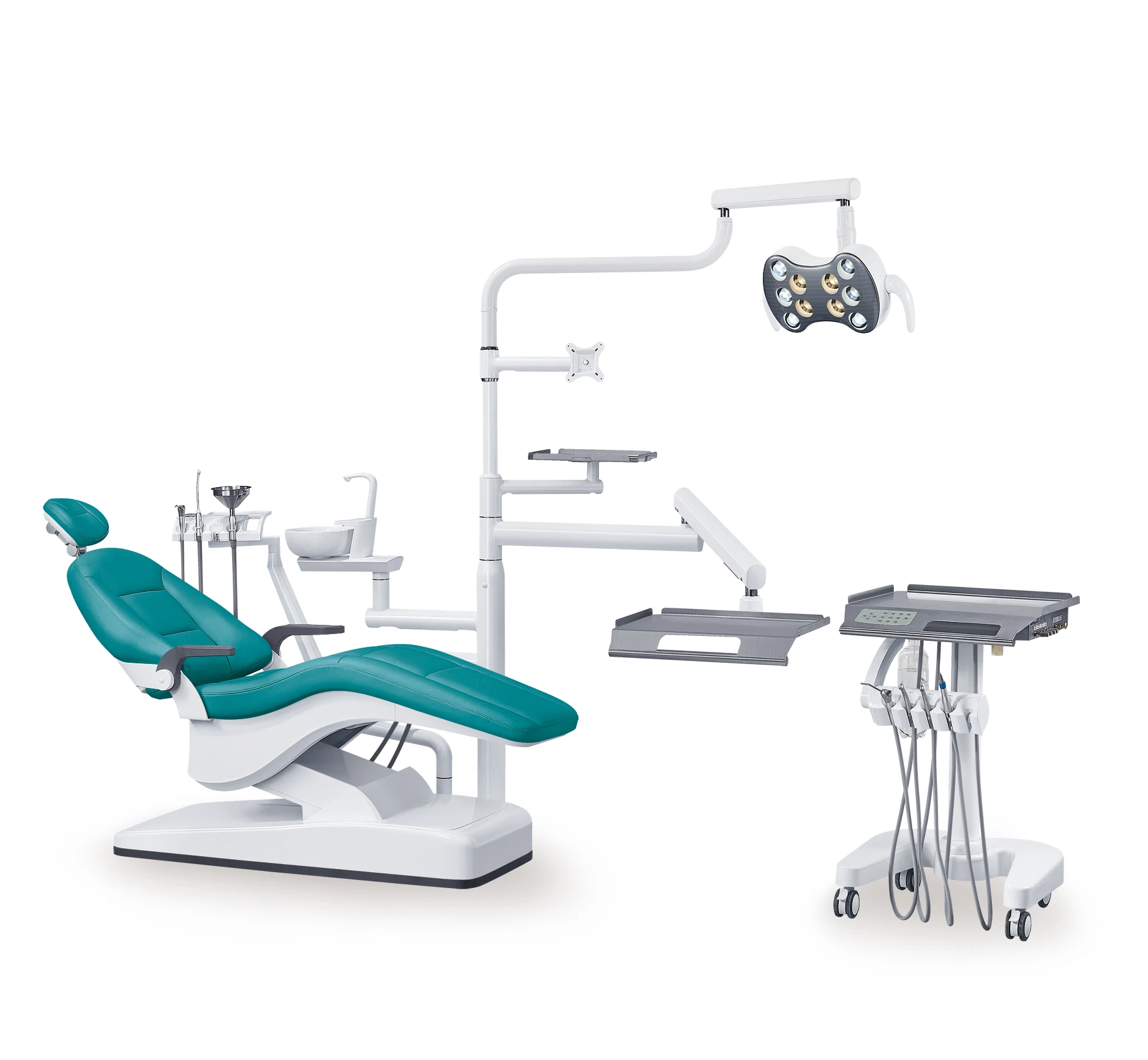
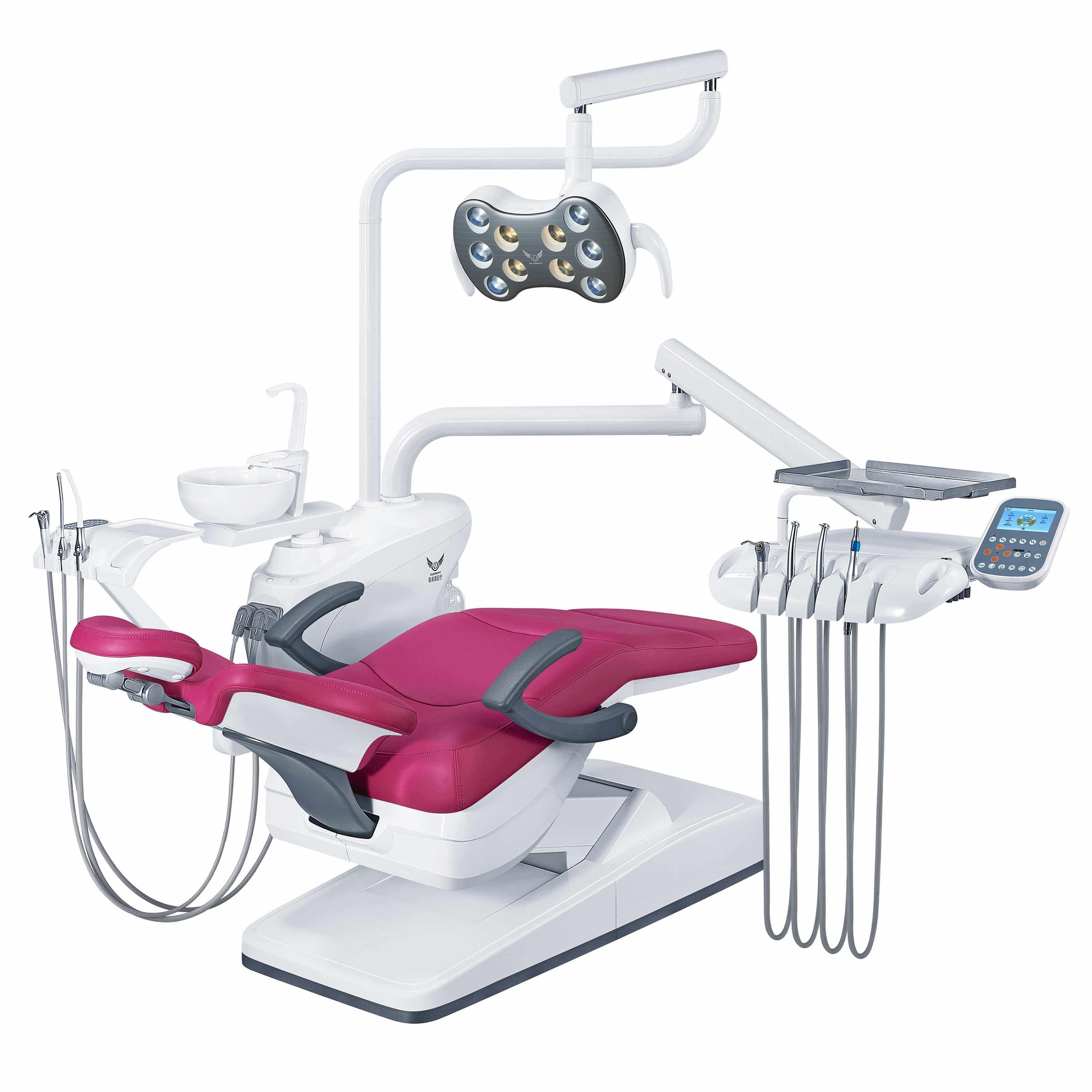
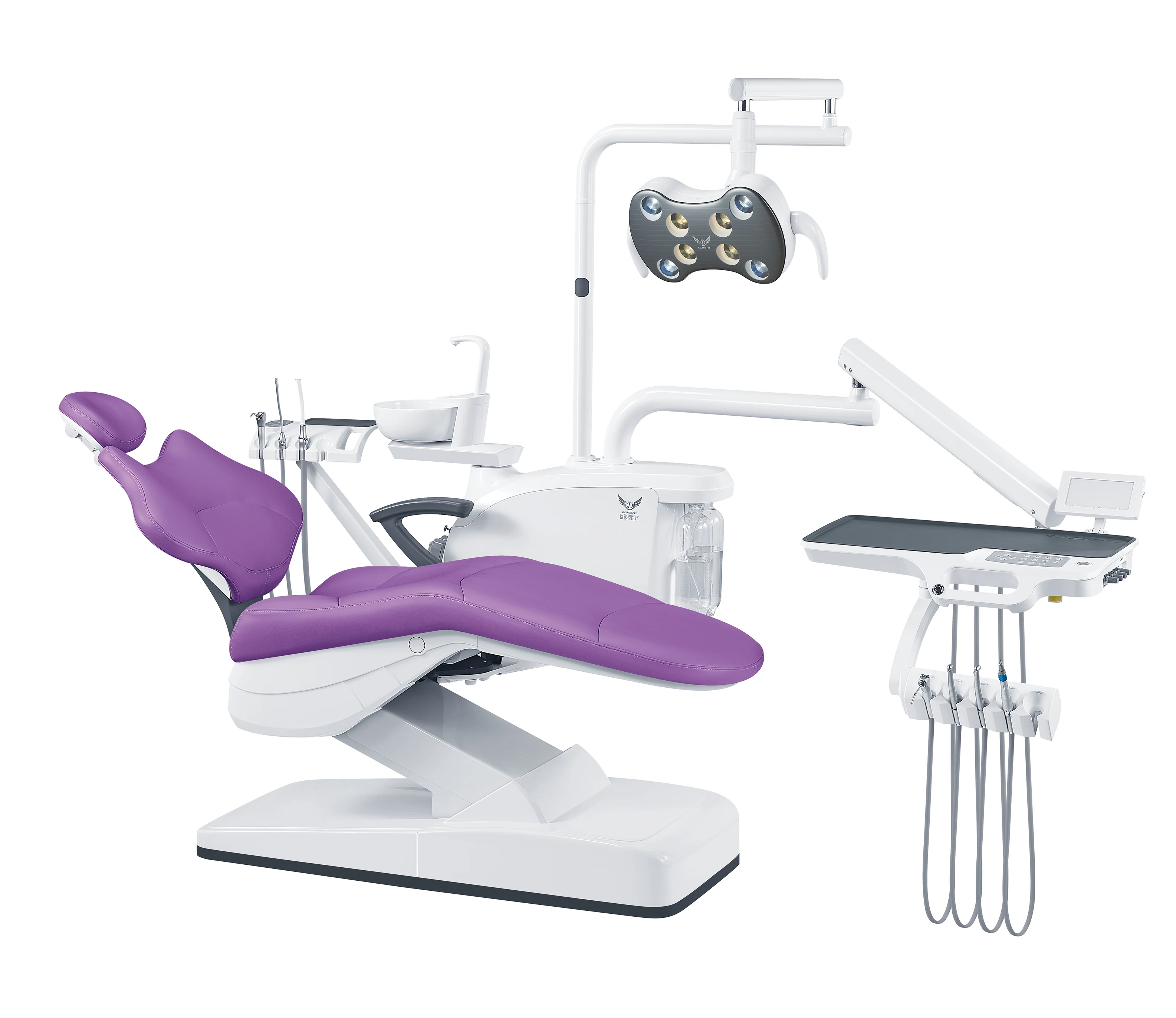
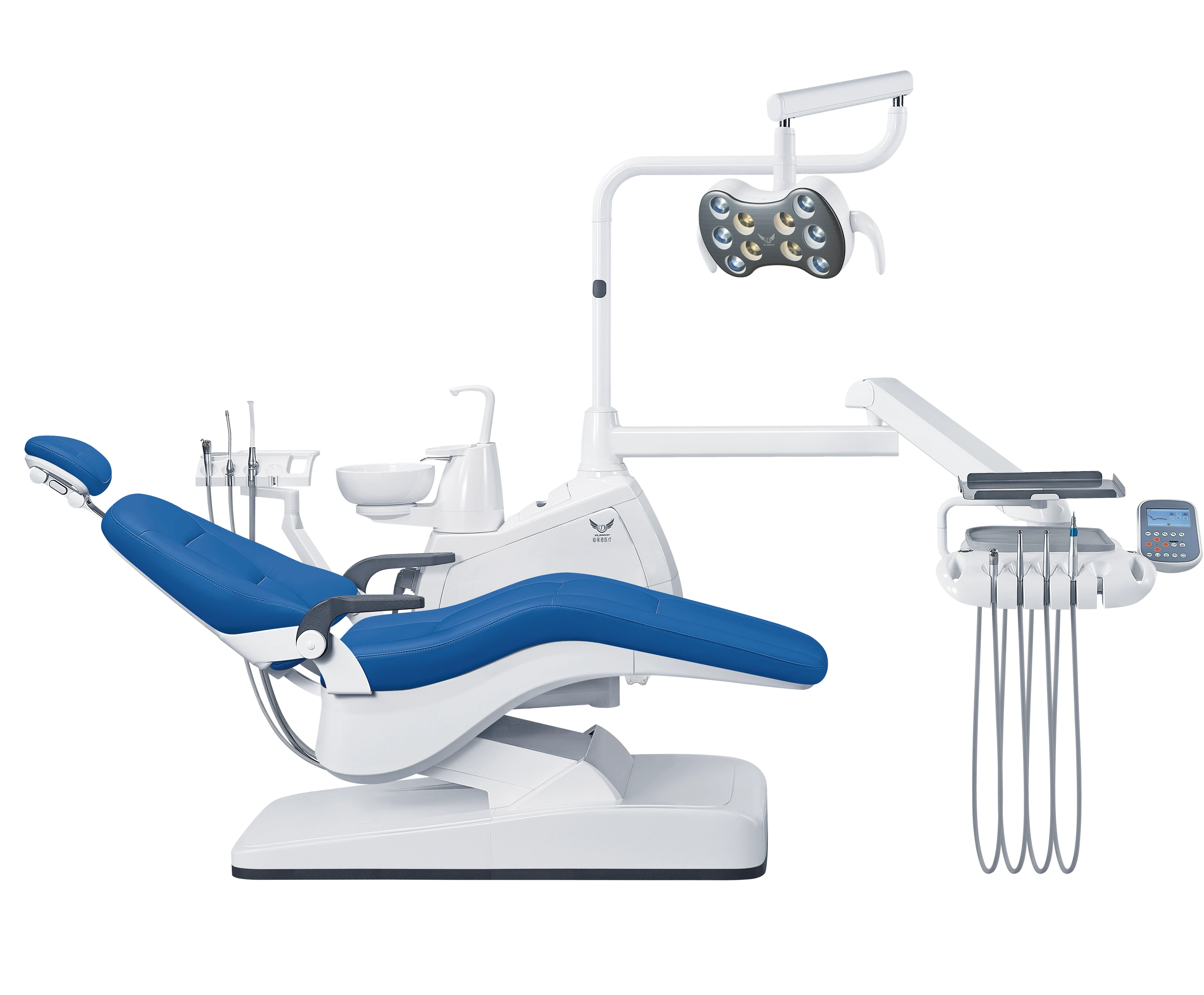
The dental unit with wireless foot switch represents a significant advancement in modern dental practice equipment, combining cutting-edge technology with practical functionality to enhance clinical efficiency and patient care. This comprehensive system integrates all essential components required for dental procedures into a single, coordinated platform that responds seamlessly to the practitioner's commands through an innovative wireless control mechanism. At its core, the dental unit with wireless foot switch serves as the command center for dental operations, enabling dentists to control various instruments, adjust chair positions, activate water and air systems, and manage suction devices without manual interference. The wireless foot switch eliminates the constraints of traditional wired controls, providing freedom of movement and reducing trip hazards in the clinical environment. The main functions of this advanced system include precise chair positioning with programmable memory settings, integrated high-speed and low-speed handpiece controls, ultrasonic scaler activation, three-way syringe operation, and suction system management. The technological features incorporate radio frequency transmission technology that ensures reliable signal communication between the foot pedal and the main unit, with interference-resistant protocols that maintain consistent performance even in environments with multiple electronic devices. The system typically operates on rechargeable battery technology, eliminating the need for constant power connections and reducing maintenance requirements. Advanced models feature customizable pedal sensitivity, allowing practitioners to adjust the response threshold according to their personal preferences and working style. The dental unit with wireless foot switch finds applications across various dental specialties, including general dentistry, orthodontics, endodontics, periodontics, and oral surgery. In general practice settings, it facilitates routine examinations, restorative procedures, and preventive care with enhanced ergonomic benefits. Specialized applications benefit from the precise control capabilities, particularly in procedures requiring frequent instrument changes or delicate manipulations. The wireless technology proves especially valuable in modern open-concept dental clinics where flexibility and mobility are paramount, as well as in mobile dental units serving remote communities or providing on-site corporate dental services.


New Product Recommendations

The dental unit with wireless foot switch delivers substantial practical benefits that directly impact daily clinical operations and overall practice efficiency. First and foremost, the wireless design eliminates cable clutter on the floor, creating a safer working environment for both dental professionals and patients. Without wires snaking across the operatory floor, the risk of tripping accidents decreases significantly, reducing liability concerns and creating a more professional appearance. The freedom of movement afforded by the wireless foot switch allows dentists to position themselves optimally for each procedure without being tethered to a fixed location. This flexibility translates to improved ergonomics, as practitioners can maintain proper posture and reduce physical strain during lengthy procedures, ultimately contributing to longer, healthier careers with fewer repetitive stress injuries. The enhanced mobility also benefits dental assistants who can move more freely around the operatory to support procedures efficiently. From a hygiene perspective, the dental unit with wireless foot switch offers considerable advantages over traditional systems. The wireless pedal can be easily removed for thorough cleaning and sterilization between patients, ensuring superior infection control standards. Many models feature sealed construction that prevents fluid ingress, making them resistant to contamination from aerosols and spills commonly encountered in dental environments. The battery-powered operation means fewer connection points that could harbor bacteria or require complex disinfection protocols. Installation simplicity represents another significant advantage, as the wireless system requires minimal setup compared to conventional wired units. Practices can integrate the dental unit with wireless foot switch into existing operatories without extensive renovation or electrical work, reducing implementation costs and minimizing downtime during installation. The plug-and-play nature of wireless technology means that switching between operatories or relocating equipment becomes straightforward when practice layouts need adjustment. Operational reliability has improved dramatically with modern wireless technology, providing consistent signal transmission without the degradation that can occur with worn cables or loose connections. The dental unit with wireless foot switch typically features intuitive controls that reduce the learning curve for new staff members, improving training efficiency and reducing the time needed to achieve proficiency. The responsive nature of wireless controls enables precise adjustments during procedures, allowing dentists to make minute changes to water flow, air pressure, or suction power without interrupting their focus on the patient. Battery life in contemporary systems has been optimized to last through multiple days of clinical use on a single charge, with clear indicators that alert users when recharging becomes necessary. The cost-effectiveness becomes apparent over time through reduced maintenance requirements, as there are no cables to replace due to wear and tear, and the simplified design means fewer components that could fail or require service. Practice efficiency increases measurably when dental teams work with equipment that responds instantly and reliably to their commands, allowing more patients to be seen comfortably within the same timeframe.

Practical Tips

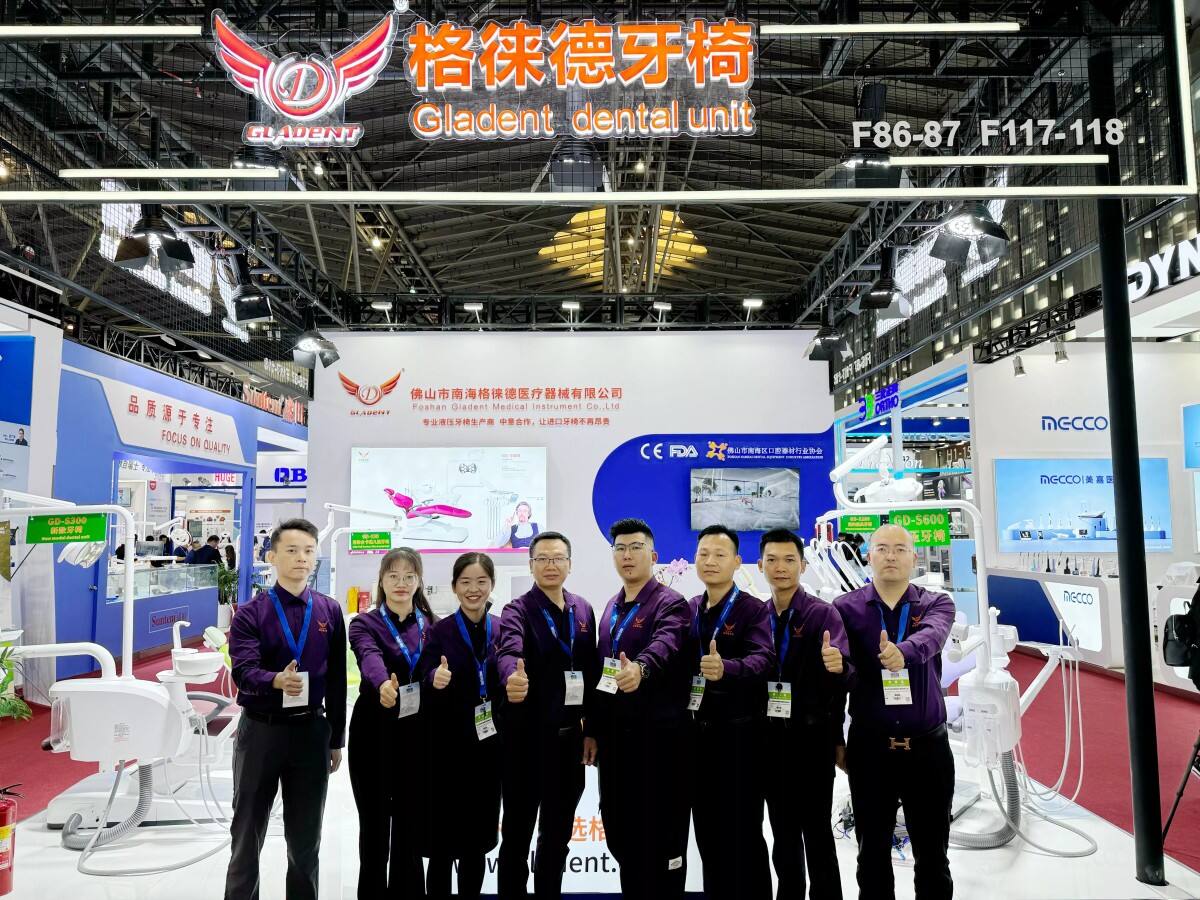
Gladent Medical in DenTech 2024 in Shanghai

27

Aug

Gladent Medical in DenTech 2024 in Shanghai

View More
Innovation Journey - GLADENT Dental Chairs: [The 30th South China International Dental Exhibition 2025 Concludes Successfully]

27

Aug

Innovation Journey - GLADENT Dental Chairs: [The 30th South China International Dental Exhibition 2025 Concludes Successfully]

View More
Distribute Women's Day gifts to female employees

28

Aug

Distribute Women's Day gifts to female employees

View More

Get a Free Quote

Our representative will contact you soon.
Email
Mobile
Name
Company Name
Message
0/1000

dental unit with wireless foot switch

Advanced Wireless Technology Delivering Unmatched Operational Freedom

Advanced Wireless Technology Delivering Unmatched Operational Freedom

The wireless technology integrated into the dental unit with wireless foot switch represents a paradigm shift in how dental professionals interact with their equipment during clinical procedures. This sophisticated system employs advanced radio frequency communication protocols that establish a stable, interference-free connection between the foot pedal and the main control unit, ensuring that every command is executed precisely when intended. The transmission technology operates on dedicated frequency bands specifically allocated for medical device communication, minimizing the possibility of signal disruption from other wireless devices commonly found in modern dental practices, such as computers, tablets, and communication systems. The engineering behind the dental unit with wireless foot switch incorporates intelligent signal processing algorithms that filter out ambient electronic noise and prioritize command signals, resulting in instantaneous response times that match or exceed the performance of traditional wired systems. The range of the wireless connection typically extends well beyond the confines of a standard operatory, providing practitioners with complete spatial freedom to position themselves wherever optimal visualization and access require, whether working from the traditional position behind the patient or adopting alternative ergonomic stances that reduce physical strain. The foot switch itself features ergonomically designed pedals with tactile feedback mechanisms that provide subtle resistance curves, allowing practitioners to develop muscle memory for precise control adjustments without needing to look away from the treatment area. Multiple sensitivity settings can be programmed into the system, accommodating individual practitioner preferences and compensating for variations in footwear or personal operating style. The battery technology powering the wireless foot switch utilizes high-capacity lithium-ion cells that maintain consistent voltage output throughout the discharge cycle, ensuring that control responsiveness remains uniform from the beginning to the end of the workday. Smart power management systems monitor usage patterns and automatically enter low-power standby modes during periods of inactivity, extending operational time between charges while ensuring immediate availability when needed. Visual and audible battery status indicators provide ample warning before power depletion occurs, preventing unexpected interruptions during patient care. The charging infrastructure for the dental unit with wireless foot switch has been designed for convenience, with options for dock-style charging stations that can be integrated into cabinetry or portable charging cases for practices operating multiple operatories.
Superior Infection Control and Hygiene Management Capabilities

Superior Infection Control and Hygiene Management Capabilities

The dental unit with wireless foot switch excels in meeting the stringent infection control requirements that define modern dental practice standards, offering design features specifically engineered to facilitate thorough cleaning protocols and minimize cross-contamination risks. The removable nature of the wireless foot pedal allows it to be completely detached from the operatory environment and transported to designated sterilization areas where comprehensive cleaning can be performed using approved disinfectants and sterilization methods. Unlike traditional wired foot controls that remain permanently connected to floor-mounted cables and collect debris in areas difficult to access, the wireless configuration enables complete surface exposure for visual inspection and chemical treatment. The construction materials selected for the dental unit with wireless foot switch prioritize chemical resistance and non-porous surfaces that prevent absorption of biological fluids or disinfecting agents that could degrade performance over time. Sealed membrane technology protects internal electronic components from moisture penetration during cleaning procedures, while smooth, continuous surface designs eliminate crevices and joints where contaminants might accumulate. The absence of cables entering and exiting the foot control housing removes potential pathways for bacterial colonization that can occur in traditional systems where protective coverings deteriorate with repeated use. Many dental unit with wireless foot switch models incorporate antimicrobial surface treatments that actively inhibit bacterial growth on high-touch areas, providing an additional layer of protection between scheduled cleaning intervals. The pedal surfaces often feature textured patterns that enhance grip while facilitating effective mechanical cleaning with brushes and wipes. Color-coded systems or visual indicators can be integrated into the design to support operatory-specific equipment assignments, reducing the risk of inadvertent cross-contamination when multiple wireless units operate within a practice. The cleaning protocols for the dental unit with wireless foot switch align seamlessly with existing instrument reprocessing workflows, as the compact pedal unit can be included in batch cleaning procedures alongside other removable operatory components. Disposable barrier protection options remain compatible with wireless systems for practitioners who prefer additional protective measures during high-risk procedures or when treating patients with known infectious conditions. The electrical isolation provided by wireless operation eliminates concerns about moisture-related short circuits or electrical hazards during cleaning, as there are no exposed connection points or vulnerable cable junctions. Documentation of cleaning procedures becomes more straightforward with removable equipment that can be processed in centralized sterilization areas where quality assurance protocols and record-keeping systems are already established.
Enhanced Ergonomic Design Promoting Long-Term Practitioner Health

Enhanced Ergonomic Design Promoting Long-Term Practitioner Health

The ergonomic advantages offered by the dental unit with wireless foot switch extend far beyond simple convenience, providing measurable benefits that contribute to practitioner longevity and career satisfaction by reducing the cumulative physical stress associated with decades of clinical practice. Traditional wired foot controls impose spatial constraints that force practitioners to maintain positions that may not align with optimal musculoskeletal alignment for specific procedures or patient anatomies. The wireless freedom provided by the dental unit with wireless foot switch enables dentists to position their feet naturally according to the demands of each clinical situation, rather than adapting their stance to accommodate fixed equipment locations. This flexibility proves particularly valuable during extended procedures where maintaining static positions can lead to muscle fatigue, circulatory compromise, and the development of chronic pain conditions affecting the lower back, hips, knees, and ankles. The foot pedal design itself incorporates ergonomic principles that distribute activation forces across larger surface areas, reducing pressure concentration on specific points of the foot that can cause discomfort during prolonged use. Adjustable angle settings available in advanced dental unit with wireless foot switch models allow practitioners to customize the pedal orientation to match their natural foot position in various working postures, whether sitting, standing, or transitioning between positions during comprehensive treatment sessions. The responsive nature of wireless controls means that practitioners can achieve desired equipment adjustments with minimal pedal displacement and force application, reducing repetitive microtrauma to foot and ankle joints. Weight distribution in the wireless pedal has been optimized to provide stability without excessive mass that could cause fatigue when repositioning the unit throughout the day. The elimination of cable tension that can pull traditional foot controls out of position means the dental unit with wireless foot switch remains exactly where placed, preventing the constant readjustment movements that accumulate into significant physical effort over weeks and months of practice. The psychological benefits of working with responsive, reliable equipment should not be underestimated, as equipment frustrations and workflow interruptions contribute to occupational stress that compounds the physical demands of clinical dentistry. Practitioners report higher satisfaction levels and reduced end-of-day fatigue when working with the dental unit with wireless foot switch compared to conventional systems. The ability to maintain focus on patient care without distraction from equipment limitations or positioning concerns allows for more efficient procedures and higher quality outcomes. Training programs for new dental graduates and continuing education courses increasingly emphasize ergonomic principles that the dental unit with wireless foot switch directly supports, preparing practitioners to implement best practices from the beginning of their careers rather than developing compensatory habits that lead to injury later.