Practical Portability Enhancing Healthcare Access and Equity
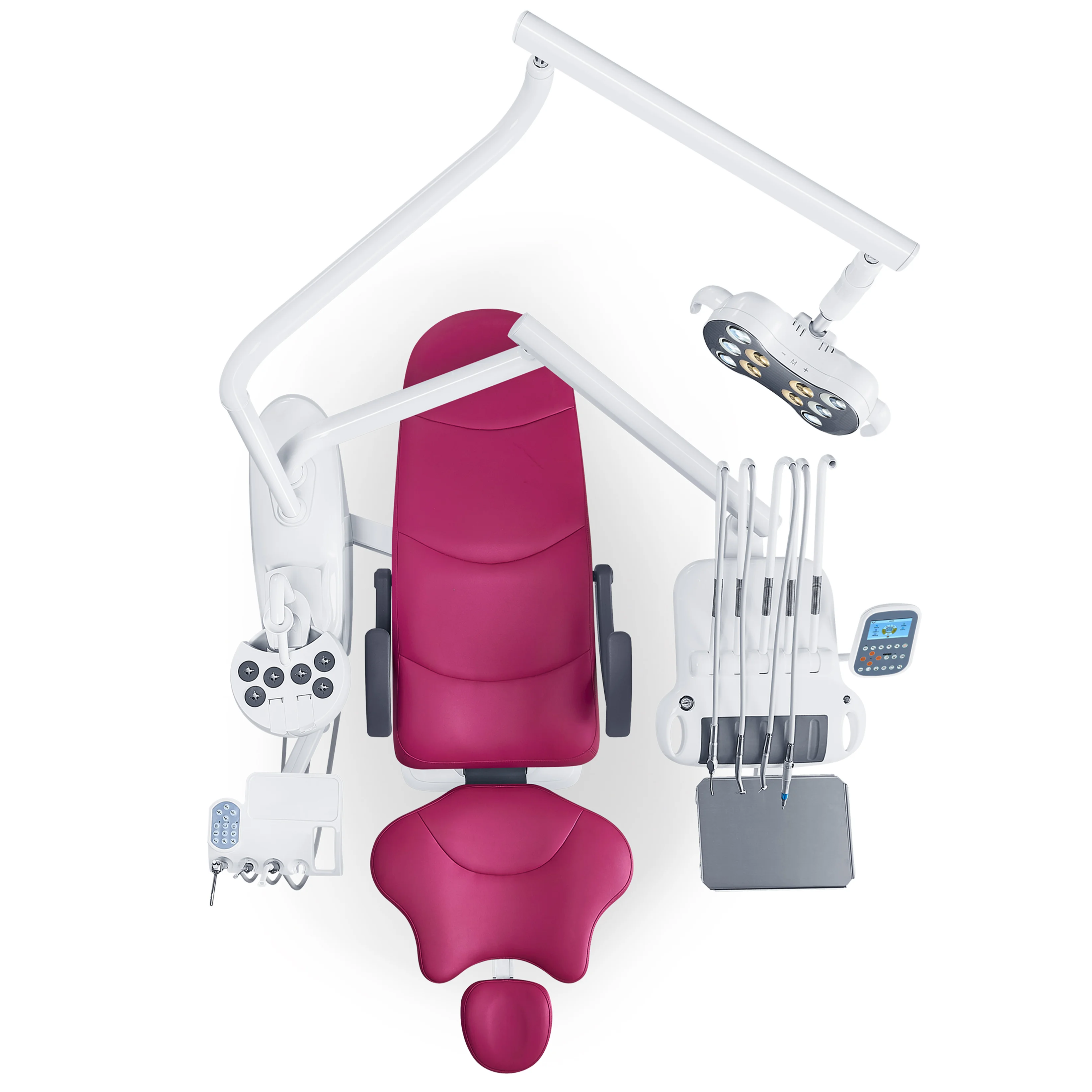
The transformative potential of a mobile dental unit with builtin battery lies primarily in its ability to bring professional dental care directly to populations facing access barriers, fundamentally changing the healthcare delivery model from a centralized facility-based approach to a distributed community-based service. This paradigm shift has profound implications for public health outcomes, particularly among pediatric, geriatric, rural, and socioeconomically disadvantaged populations who experience disproportionate rates of untreated dental disease. The physical design of these units prioritizes genuine portability through careful attention to weight distribution, carrying handles, protective cases, and optional wheeled transport systems that enable practitioners to navigate stairs, uneven terrain, and confined spaces typical of community venues. The compact footprint means that dental services can be established in spaces as small as a standard classroom corner or community center meeting room, dramatically expanding the potential locations for care delivery. Organizations implementing mobile dental programs using these units report significant increases in patient engagement, as the reduction in travel burden and time commitment makes dental appointments feasible for individuals who previously struggled to access care. Parents can bring children for preventive services at their schools without missing work, elderly individuals can receive care at assisted living facilities without complex transportation arrangements, and rural communities can access specialized dental services during scheduled outreach visits rather than traveling hundreds of miles. The mobile dental unit with builtin battery also proves invaluable in emergency response scenarios where natural disasters, conflicts, or infrastructure failures have disrupted normal healthcare systems. Dental pain represents one of the most common medical complaints in disaster situations, and untreated dental infections can rapidly become life-threatening, making mobile dental capacity a critical component of comprehensive emergency medical response. From a programmatic perspective, the relatively low capital investment required for mobile dental units with builtin battery systems enables smaller organizations and individual practitioners to launch community outreach initiatives that would be financially prohibitive using traditional mobile clinic vehicles. The operational flexibility allows programs to adapt service locations and schedules based on community needs and participation patterns, optimizing resource utilization and maximizing population impact. Educational institutions training future dental professionals increasingly incorporate these technologies into their curricula, preparing graduates to participate in alternative care delivery models that address workforce distribution challenges and health equity gaps. The data collected through mobile dental programs frequently reveals previously unrecognized prevalence of dental disease in specific populations, informing public health policy and resource allocation decisions.

 EN
EN


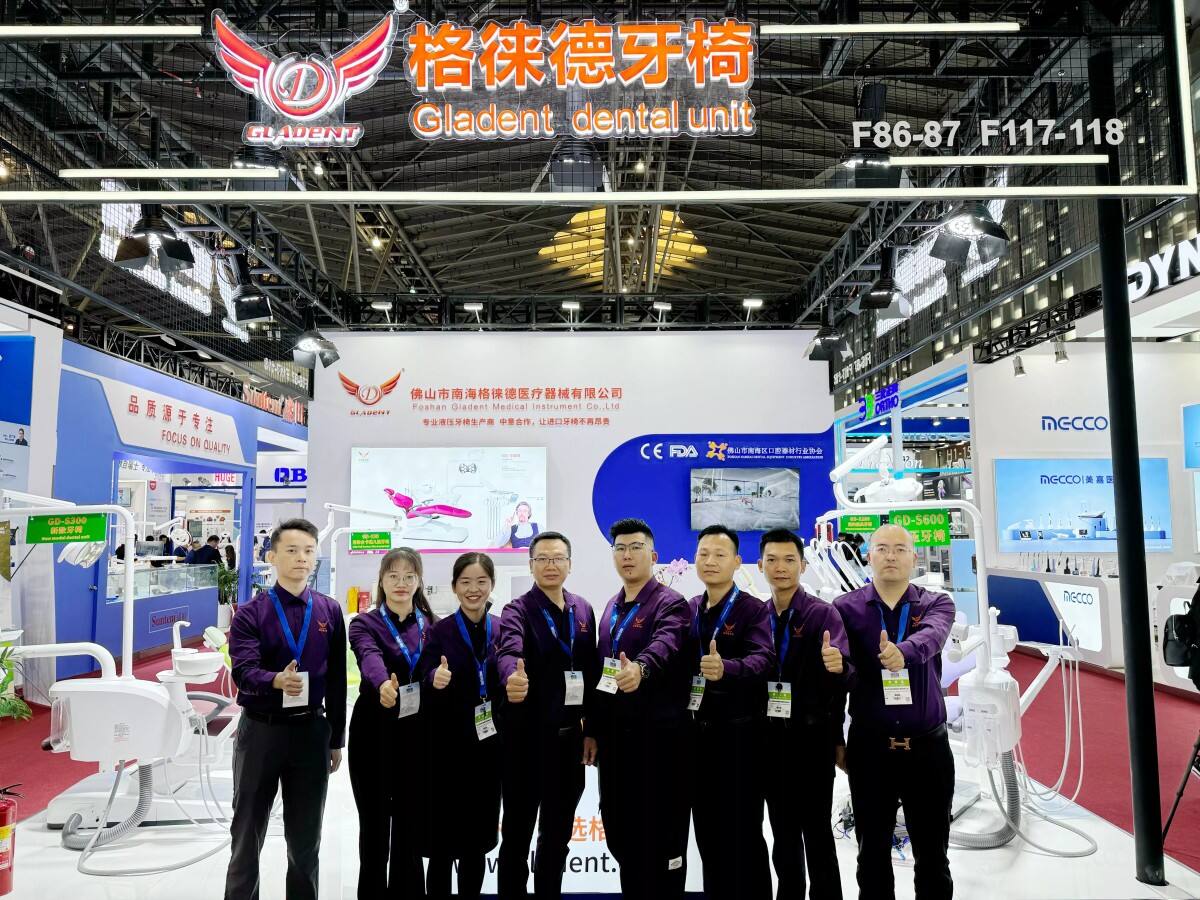
![Innovation Journey - GLADENT Dental Chairs: [The 30th South China International Dental Exhibition 2025 Concludes Successfully]](https://shopcdnpro.grainajz.com/category/19383/3803/616cc2b5bdfecec5e7c5b6aa95e40d84/%E5%BE%AE%E4%BF%A1%E5%9B%BE%E7%89%87_20250826164700.jpg)