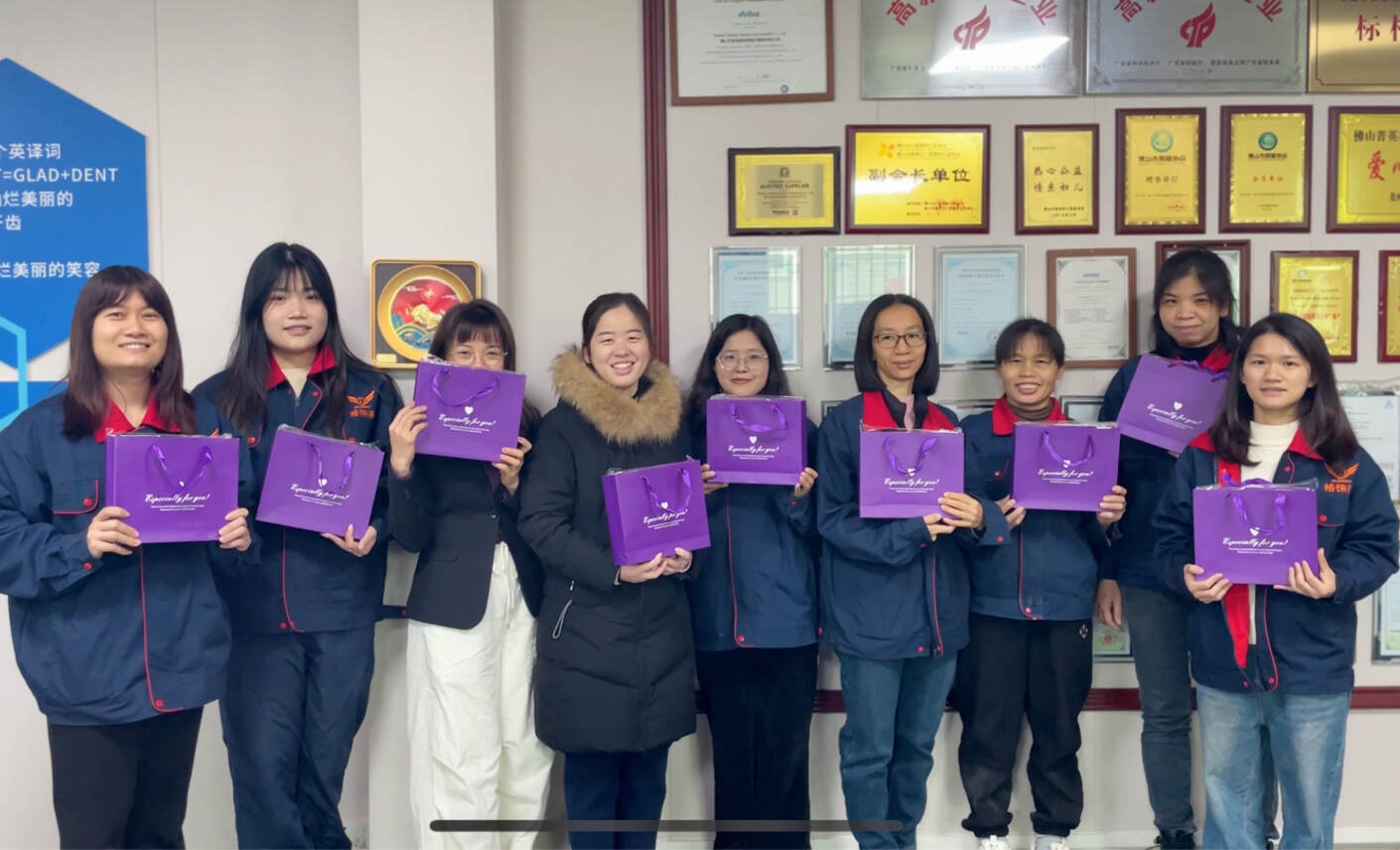
Rapid Deployment and Minimal Setup Requirements
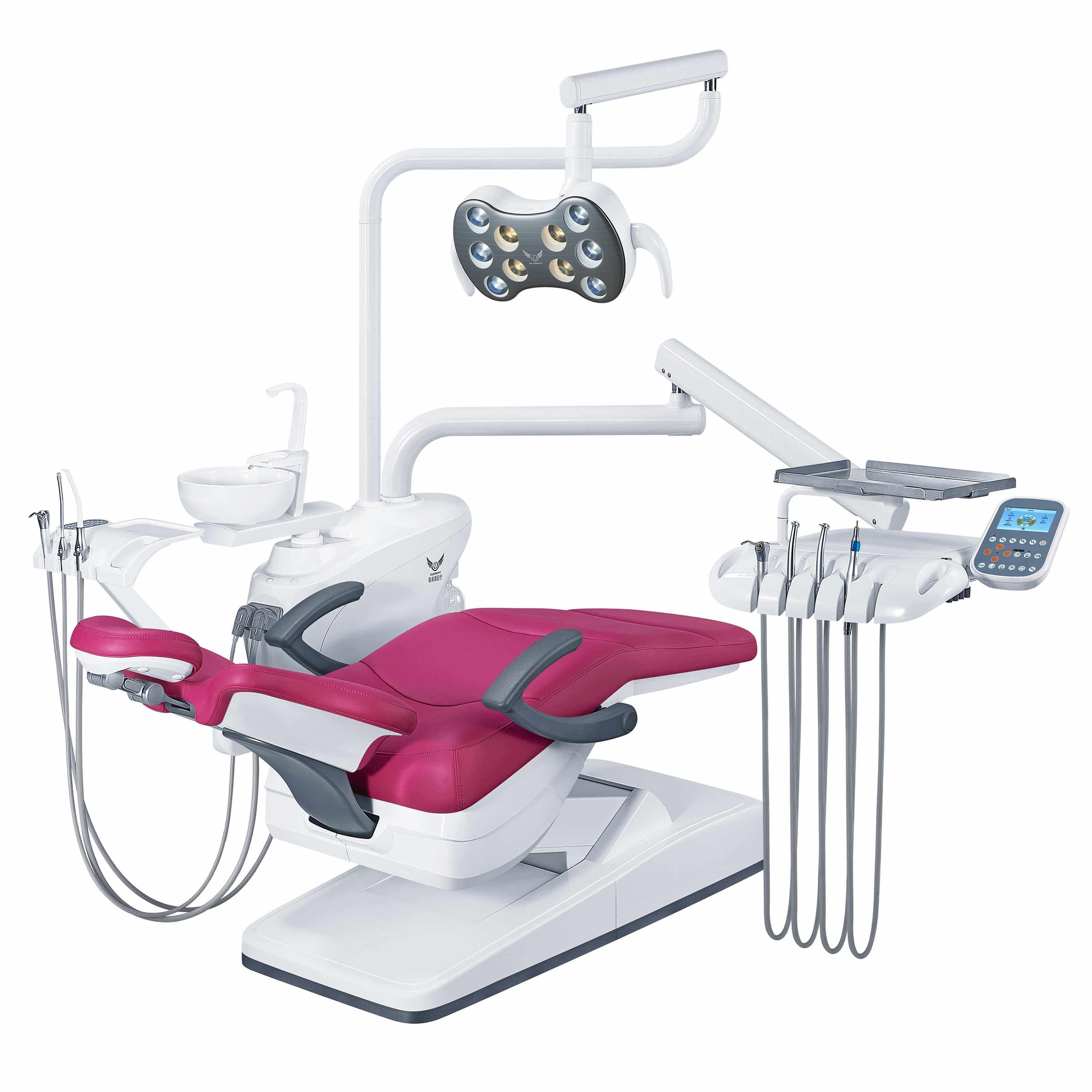
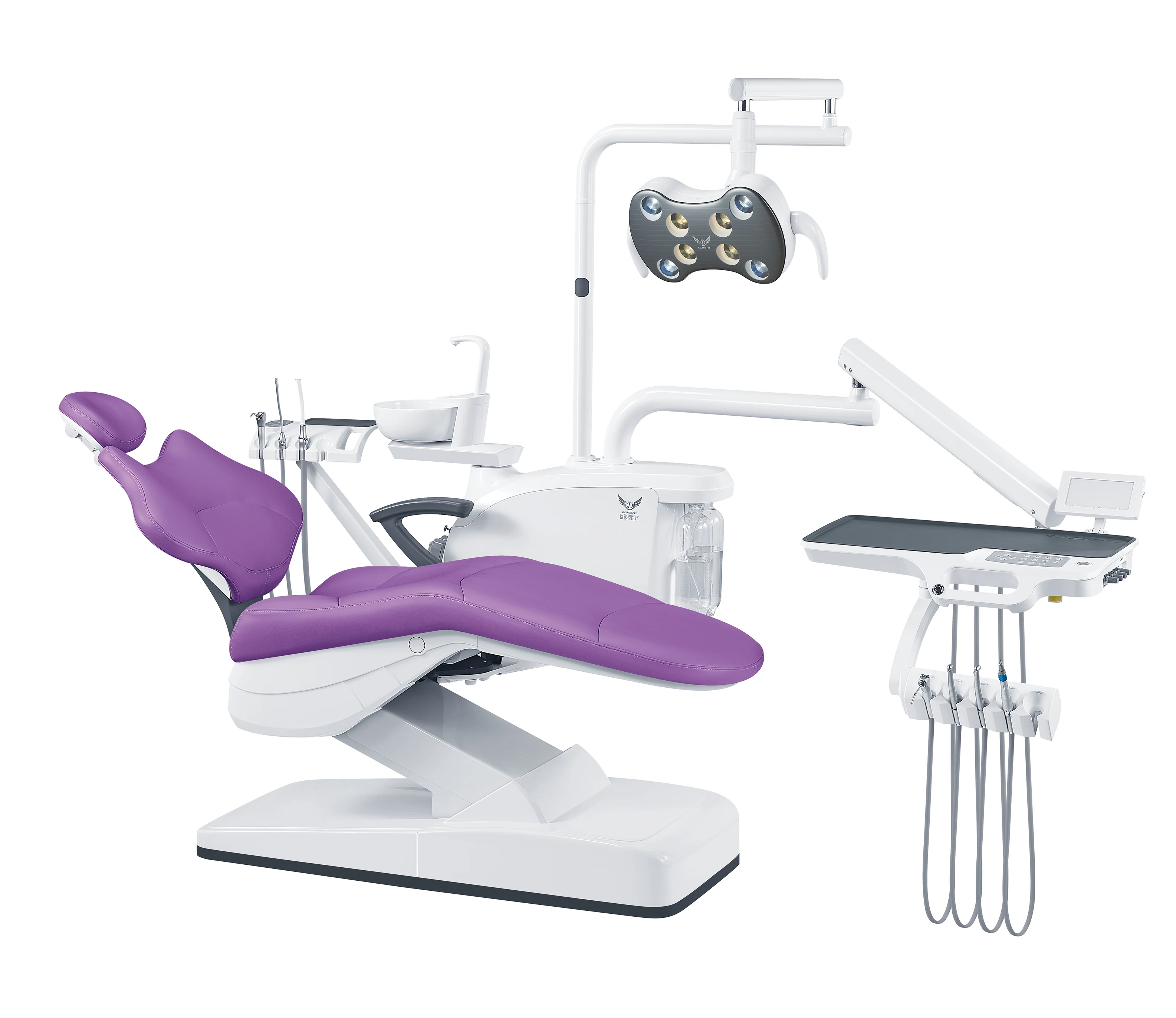
The dental unit mobile transforms logistical challenges into competitive advantages through engineering focused on rapid deployment and minimal setup requirements. Traditional dental equipment installations require days or weeks of planning, professional installation, infrastructure modifications, and inspection approvals before treating the first patient. The dental unit mobile eliminates these barriers, enabling practitioners to establish fully functional treatment capabilities within minutes of arriving at a new location. This speed advantage proves invaluable across numerous scenarios from emergency response situations requiring immediate dental services to scheduled community events where setup time directly impacts the number of patients served. The system arrives as a cohesive unit on smooth-rolling casters that navigate doorways, hallways, and elevators without disassembly. Practitioners or single assistants can maneuver the dental unit mobile into position without special equipment or additional personnel, reducing labor costs and coordination complexity. Stabilization mechanisms deploy quickly once positioned, transforming the mobile unit into a secure platform that remains steady during procedures despite patient movements or instrument vibrations. Power requirements typically involve a single standard electrical connection rather than dedicated circuits or voltage configurations, allowing operation in virtually any building with basic electricity access. The self-contained air compressor eliminates the need for compressed air lines or external compressor installations that traditionally anchor dental equipment to specific locations. Water systems draw from internal reservoirs that practitioners fill from any clean water source, removing dependencies on plumbing connections and drainage systems. Waste collection uses sealed containers that practitioners empty conveniently without specialized disposal infrastructure at treatment sites. This independence from building systems means the dental unit mobile functions equally well in modern facilities, older structures, temporary buildings, or outdoor covered areas. Setup procedures involve simple steps that practitioners complete quickly: position the unit, connect power, verify water reservoir levels, attach instruments to delivery ports, and power on the system. Automated diagnostics run briefly to confirm all functions operate correctly, then the dental unit mobile stands ready for patient care. Breakdown follows equally straightforward procedures: power down systems, disconnect instruments, secure mobile components, and roll the unit to storage or transport vehicles. This simplicity proves especially valuable when serving multiple locations in single days, as practitioners efficiently transition between sites without exhausting themselves managing complicated equipment logistics. Training requirements remain minimal because intuitive designs and familiar dental equipment interfaces allow practitioners and assistants to operate the dental unit mobile confidently after brief orientations. The reduced complexity also decreases the likelihood of user errors that could damage equipment or compromise patient safety. Maintenance accessibility improves as service technicians can quickly diagnose and repair issues without navigating fixed installations or working in confined spaces. The dental unit mobile essentially redefines what constitutes a dental practice location, expanding possibilities from permanent offices to anywhere practitioners can roll equipment and access basic utilities, dramatically increasing service delivery flexibility.
 EN
EN


![Innovation Journey - GLADENT Dental Chairs: [The 30th South China International Dental Exhibition 2025 Concludes Successfully]](https://shopcdnpro.grainajz.com/category/19383/3803/616cc2b5bdfecec5e7c5b6aa95e40d84/%E5%BE%AE%E4%BF%A1%E5%9B%BE%E7%89%87_20250826164700.jpg)