
 EN
EN
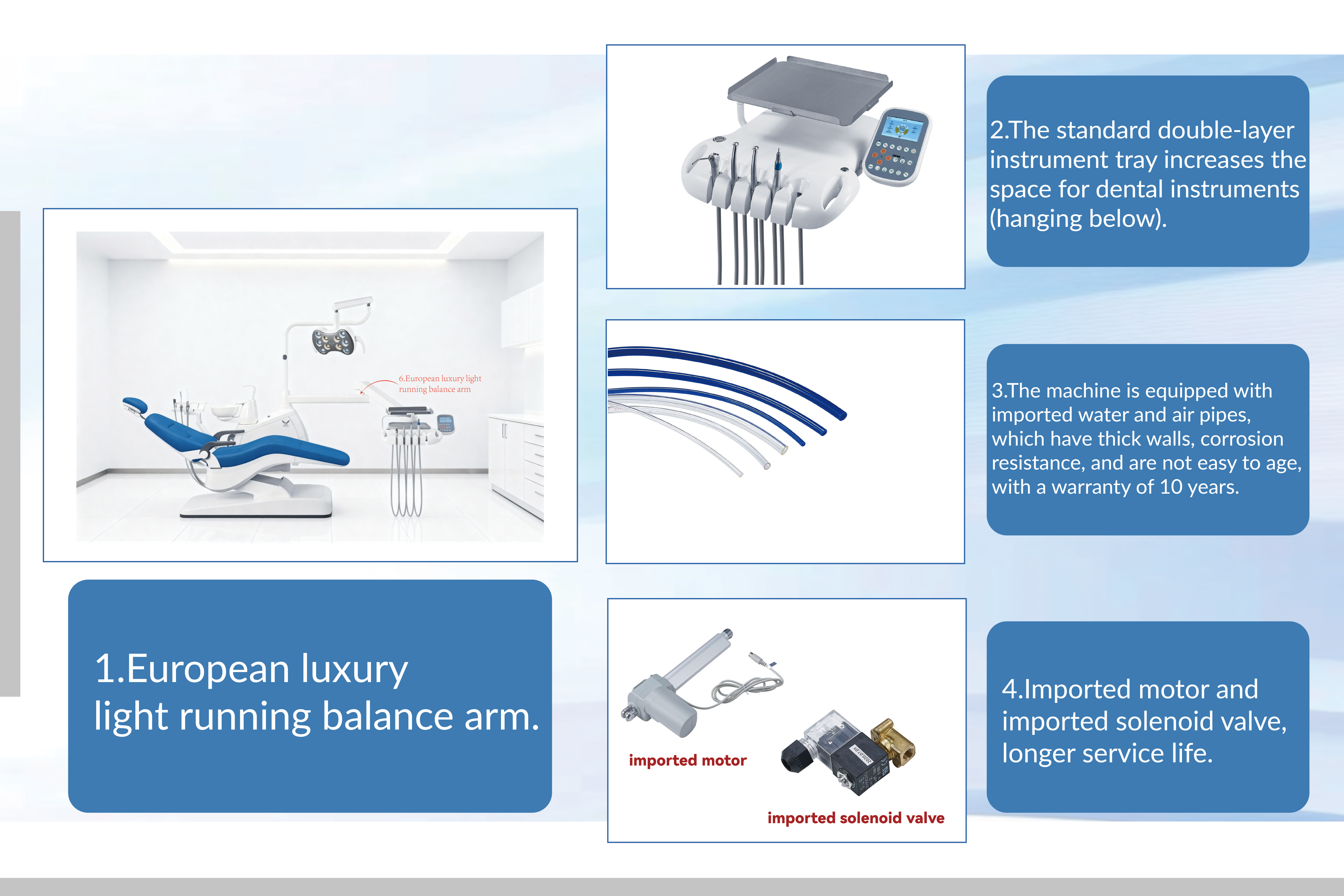
When selecting equipment for a modern dental practice, the dental chair remains one of the most critical investments you'll make. Unlike generic off-the-shelf models, OEM dental chair solutions offer practitioners the flexibility to configure units that match their specific clinical workflows, patient demographics, and practice philosophy. Understanding the customization landscape helps practice owners and procurement teams make informed decisions that directly impact operational efficiency, patient comfort, and long-term return on investment.
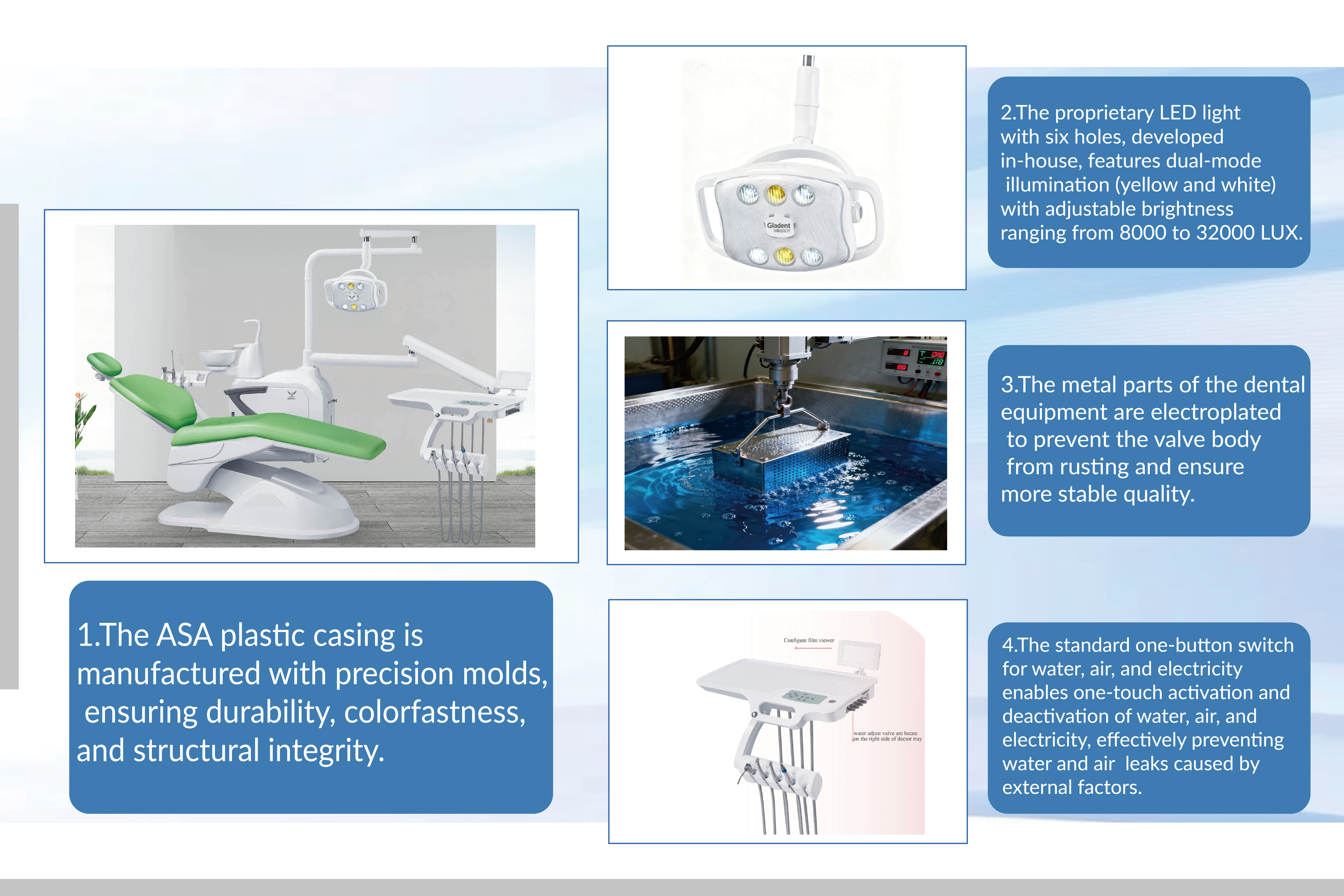
The market for OEM dental chair systems has evolved significantly, with manufacturers recognizing that one-size-fits-all equipment no longer meets the demands of diverse clinical environments. A high-quality dental chair today must balance multiple performance criteria: ergonomic positioning capabilities, integrated instrument accessibility, patient safety features, and aesthetic appeal. Organizations that invest time in evaluating customization options early in their equipment lifecycle often report higher clinician satisfaction and improved patient outcomes compared to those who accept default configurations.
Core Customization Features of Modern Dental Chair Systems
Ergonomic Configuration and Positioning Capabilities
The foundational element of any dental chair lies in its ergonomic range and precision positioning. Modern OEM dental chair designs offer multiple adjustment parameters that practitioners can optimize based on their clinical preferences and patient needs. Headrest angle, backrest inclination, seat height range, and armrest positioning all contribute to creating a work environment that reduces clinician fatigue and musculoskeletal strain. A dental chair with comprehensive positioning flexibility allows operators to maintain neutral wrist positions during extended procedures, directly affecting clinical outcomes and career longevity for dental professionals.
Premium dental chair systems include memory positioning features that allow clinicians to save their preferred configurations for rapid recall between patients. This technological integration transforms the dental chair from a static platform into an adaptive workspace. Practices that prioritize ergonomic customization in their dental chair selection often see measurable improvements in procedure quality and reduced staff turnover due to improved working conditions.
Suction and Evacuation System Integration
The suction system integrated into a dental chair significantly impacts clinical efficiency and visibility during procedures. Customizable dental chair options allow practices to specify dual-suction configurations, high-volume evacuation capabilities, or specialized suction patterns suited to particular treatment modalities. A dental chair equipped with reinforced dual-suction architecture maintains consistent airflow even during high-demand procedures like extractions or implant surgery. The placement, power rating, and filtration level of the dental chair's suction system can be tailored to match practice volume and treatment emphasis.
OEM dental chair manufacturers offering advanced suction customization understand that evacuation performance directly correlates with procedure speed and clinician confidence. dental chair systems with reinforced suction infrastructure provide enhanced reliability during complex cases. Selecting a dental chair with properly configured evacuation capacity prevents workflow interruptions and supports consistent clinical results across your practice schedule.
Instrument Access and Delivery System Customization
Handpiece Delivery Positioning and Integration
How a dental chair integrates handpiece delivery systems directly affects the rhythm and precision of clinical work. Customizable dental chair options allow practitioners to position instrument delivery arms according to their dominant hand, treatment specialties, and spatial preferences. Right-handed practitioners may prefer asymmetric positioning that differs significantly from left-handed colleagues, making adjustable dental chair configurations essential for multi-clinician practices. The dental chair's delivery system customization also influences the accessibility of high-speed handpieces, low-speed motors, ultrasonic scalers, and auxiliary equipment.
Advanced OEM dental chair systems enable practitioners to specify swing-arm geometry, articulation range, and quick-release coupling mechanisms tailored to their procedural preferences. A well-configured dental chair delivery system reduces hand fatigue, minimizes procedural delays, and improves ergonomic efficiency during longer treatment sessions. Practices performing high volumes of cosmetic or surgical procedures benefit particularly from dental chair customization that optimizes handpiece accessibility and positioning.
Instrument Tray and Control Module Placement
Beyond handpiece delivery, the overall organization of the dental chair workspace depends on strategic tray and control placement. Customizable dental chair designs allow you to specify the location of instrument trays, control panels, and auxiliary storage relative to both the clinician's preferred working height and the assistant's operational zone. Some dental chair configurations prioritize clinician-side accessibility, while others emphasize dual-operator convenience for team-based treatment protocols. The flexibility of modern OEM dental chair systems accommodates diverse clinical team structures and practice management philosophies.
Practices specializing in complex restorative work often configure their dental chair systems with enhanced tray visibility and rapid instrument changeover capabilities. The placement and accessibility of bur holders, matrix bands, and shade guides on a properly customized dental chair can meaningfully reduce procedural time and improve clinical precision. Choosing a dental chair manufacturer that offers granular control over workspace organization allows your practice to optimize efficiency unique to your treatment protocols.
Aesthetic and Material Specifications for Dental Chair Selection
Upholstery, Color, and Finish Options
While functionality remains paramount, the visual presentation of a dental chair contributes significantly to practice atmosphere and patient perception. OEM dental chair manufacturers offer extensive customization in upholstery materials, color palettes, and finishing details that align with your practice's aesthetic identity. Premium leather, medical-grade vinyl, and antimicrobial fabric options allow you to match your dental chair to existing décor while prioritizing durability and infection control. The choice of dental chair materials also affects maintenance protocols, infection prevention procedures, and long-term cost of ownership.
Contemporary practices recognize that a dental chair's appearance influences patient confidence and clinical atmosphere. Customizable dental chair options enable you to coordinate colors, accents, and finishes across your treatment zones, creating a cohesive patient experience. Selecting a dental chair with upholstery suited to your clinic's design language demonstrates attention to detail and professionalism that patients notice and appreciate.
Base Structure and Load-Bearing Configuration
The structural foundation of a dental chair determines its stability, longevity, and ability to support diverse patient populations. Customizable OEM dental chair systems offer reinforced base configurations designed for varying weight capacities and clinical demand levels. A dental chair built with reinforced load-bearing architecture provides enhanced stability during complex procedures, reduces vibration transmission, and ensures reliable performance across extended operating hours. The material composition, joint architecture, and stabilization geometry of a dental chair's base structure significantly impact its service life and maintenance requirements.
High-demand practices benefit from dental chair systems engineered with robust foundation structures that minimize calibration drift and positional inconsistency over extended service intervals. Investing in a dental chair with premium structural specifications reduces future repair costs and supports consistent clinical performance throughout the equipment's operational life.
FAQ
What specific customization factors should a practice prioritize when selecting an OEM dental chair?
Practices should prioritize customization based on their clinical focus, team structure, and patient demographics. Start by evaluating your dental chair positioning needs—do your clinicians require extensive adjustability for ergonomic comfort? Next, assess suction capacity requirements based on your case mix; practices performing high volumes of surgical procedures need robust dental chair evacuation systems. Finally, consider how the dental chair's workspace organization aligns with your team's treatment protocols. Consulting your clinical team about their preferences for dental chair positioning, handpiece delivery, and tray accessibility ensures your investment matches actual workflow requirements rather than generic best practices.
How do reinforced load-bearing dental chair designs improve clinical outcomes?
A dental chair with reinforced structural design maintains consistent positioning stability throughout procedures, reducing vibration and micro-movements that can compromise clinical precision. The structural integrity of the dental chair's base directly affects handpiece stability, which matters significantly during delicate restorative work, implant placement, and endodontic procedures. When a dental chair experiences excessive movement or calibration drift, clinicians unconsciously compensate through increased hand pressure and tension, leading to fatigue and reduced precision. Choosing a dental chair engineered with premium load-bearing architecture supports clinician confidence and enables more predictable clinical outcomes, particularly in advanced procedural techniques.
Can a dental chair's ergonomic customization actually reduce clinician fatigue and improve retention?
Yes, research consistently demonstrates that ergonomically optimized workspaces, including properly configured dental chair systems, reduce musculoskeletal strain and career-related injuries. When a dental chair is customized to match individual clinician preferences—including armrest height, backrest angle, and handpiece positioning—operators experience less shoulder and wrist strain during extended procedures. Practices that prioritize dental chair ergonomic customization report improved staff satisfaction, reduced sick leave, and higher clinician retention. Additionally, clinicians working in ergonomically sound dental chair environments demonstrate better clinical precision, reduced fatigue-related errors, and longer productive careers in dental practice.