
 EN
EN
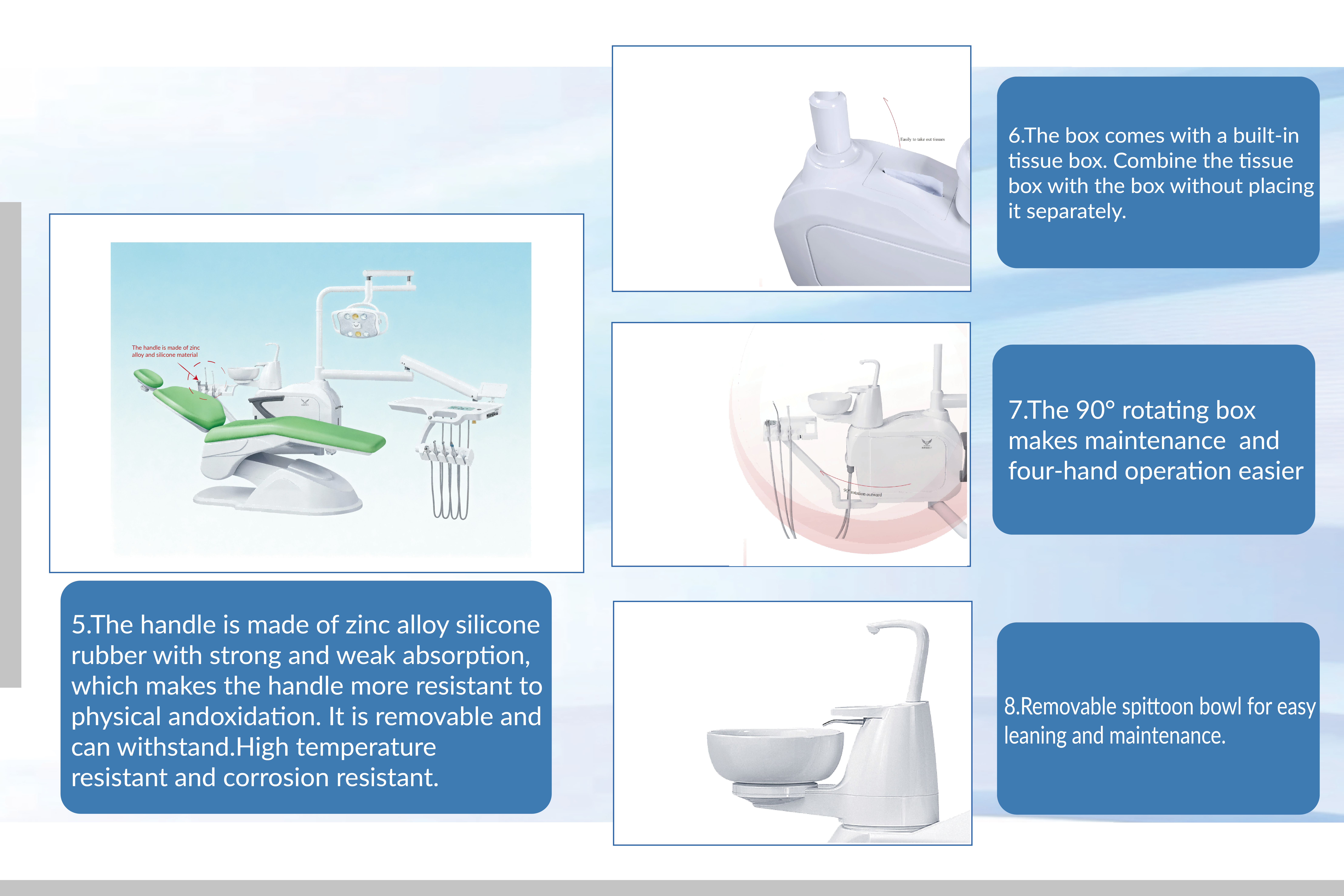
A dental chair is far more than a comfortable seat for patient treatment. Today's modern dental chair represents a sophisticated system of integrated safety features designed to protect both patients and dental professionals during every procedure. Understanding what makes a dental chair truly high-quality requires examining the safety mechanisms and design elements that have evolved to meet contemporary clinical demands and regulatory standards.
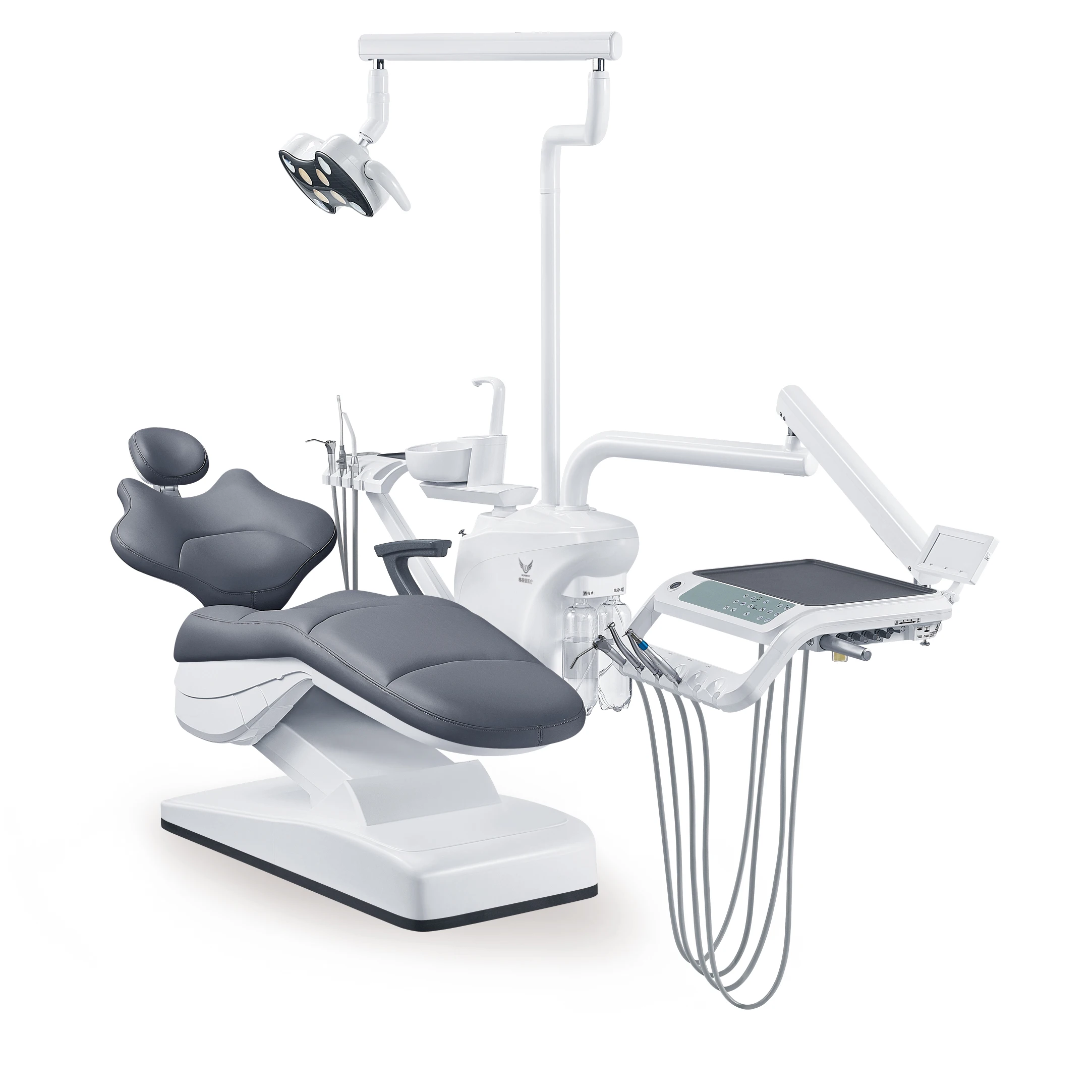
The best dental chair manufacturers now prioritize safety as a fundamental design principle rather than an afterthought. A quality dental chair integrates multiple protective systems that work together to minimize risks, ensure ergonomic positioning, and maintain infection control standards. These safety features have become industry benchmarks that distinguish premium dental chairs from basic models.
Structural Stability and Ergonomic Safety in Dental Chair Design
Load-Bearing Capacity and Foundation Engineering
The foundation of a reliable dental chair lies in its structural engineering. A high-quality dental chair must support dynamic loads safely throughout years of clinical use. Modern dental chair designs incorporate reinforced bases, precision-engineered hydraulic systems, and tested weight distribution mechanisms. These structural elements ensure that a dental chair remains stable during patient transfers, treatment procedures, and emergency situations. The hydraulic lift mechanism in a quality dental chair uses sealed, redundant systems to prevent sudden descent, which represents a critical safety consideration in every dental practice.
Positioning Precision and Patient Safety
A dental chair's positioning capabilities directly impact patient safety during treatment. Premium dental chair units feature smooth, controlled movements with infinite positioning options that allow practitioners to access treatment areas safely and ergonomically. The backrest, headrest, and seat cushion positioning in a modern dental chair must respond precisely to operator controls without jerking or sudden movements. A quality dental chair includes memory positioning functions that recall optimal treatment angles, reducing the time patients spend in the unit and minimizing strain on both patient and practitioner. The footrest design in a contemporary dental chair provides stable support that prevents patient slipping during procedures.
Infection Control and Disinfection Capabilities
Waterline and Handpiece Safety Systems
One of the most critical safety features in today's dental chair is the disinfection pipeline system. A modern dental chair incorporates specialized waterline management that prevents microbial contamination and biofilm accumulation. High-quality dental chair systems use antimicrobial materials in water pathway components and include automated disinfection protocols that run between patient appointments. The handpiece pipeline connections in a premium dental chair feature quick-disconnect couplings with integrated check valves that prevent backflow and cross-contamination. A dental chair equipped with these disinfection features meets or exceeds CDC and ISO standards for infection prevention.
Suction and Evacuation System Safety
Effective suction and evacuation represents another essential safety component of a quality dental chair. The suction system in a modern dental chair must maintain consistent performance without creating unsafe vacuum levels that could harm oral tissues. Premium dental chair designs include isolation valves, antibackflow mechanisms, and filtration systems that protect both patients and the dental office environment. A reliable dental chair incorporates dual evacuation pathways with redundant backup systems to ensure continuous function during treatment. These evacuation safety features prevent aerosol dispersal and reduce infection risk in the clinical environment.
Operator Controls and Emergency Safety Functions
Intuitive Control Systems and Fail-Safe Mechanisms
The control interface in a quality dental chair represents a critical safety touchpoint. Modern dental chair control systems feature intuitive, ergonomic designs that minimize operator error during routine adjustments. A premium dental chair includes clearly labeled controls, logical button placement, and responsive feedback that confirms each command execution. Emergency stop functions in a contemporary dental chair can be accessed immediately in case of system malfunction or patient distress. The positioning controls in a high-quality dental chair include soft limits that prevent overextension or unsafe angles that could compromise patient safety during complex procedures.
Electrical Safety and Power Management
Electrical safety distinguishes a premium dental chair from inferior models. Modern dental chair systems incorporate grounding protocols, surge protection, and isolation transformers that protect patients from electrical hazards. A quality dental chair uses low-voltage control circuits for positioning functions and high-efficiency motors with thermal protection. Contemporary dental chair power management includes battery backup systems that allow controlled lowering if primary power fails, preventing patients from being trapped in unsafe positions. Proper electrical isolation in a premium dental chair ensures that touching the unit creates no electrical risk to patients or practitioners.
Soft Lifting Systems and Assisted Patient Transfers
Smooth Lifting Mechanism and Load Control
Patient transfer safety has become increasingly important in modern dentistry. A high-quality dental chair features a soft lifting system with progressive acceleration and deceleration that prevents jerking movements that could startle or injure patients. The hydraulic lifting mechanism in a premium dental chair uses precision valves that maintain constant pressure and prevent sudden drops. A quality dental chair's lifting system responds smoothly to operator controls, allowing gentle adjustment for patients with mobility concerns or anxiety. The maximum lift height in a modern dental chair accommodates both wheelchair transfers and comfortable standing positions for different patient populations.
Armrest and Support Surface Design
Safety during patient positioning depends on support surface design in a quality dental chair. Modern dental chair armrests feature removable or retractable designs that facilitate patient entry and exit without collision hazards. The upholstery in a premium dental chair uses antimicrobial, stain-resistant materials that support infection control and can withstand frequent disinfection. Armrest padding in a contemporary dental chair provides comfortable support during treatment while allowing free arm positioning for patients with different body types. The cushion design in a high-quality dental chair distributes patient weight evenly to prevent pressure injuries during extended treatment sessions.
FAQ
What makes a dental chair safer than a basic model?
A premium dental chair incorporates redundant safety systems, precision engineering, and infection control features that basic models lack. Safety features in a quality dental chair include sealed hydraulic systems with backup descent mechanisms, antimicrobial waterlines with automated disinfection, fail-safe electrical isolation, and emergency positioning controls. A high-quality dental chair undergoes rigorous testing for structural integrity, load capacity, and system reliability before reaching clinical settings.
How often should dental chair safety features be inspected?
Regular maintenance ensures that a dental chair continues operating safely. Most dental practices should conduct daily visual inspections of a dental chair's positioning response and control function. Monthly maintenance checks should include testing emergency stop functions, verifying suction performance, and inspecting hydraulic system integrity. Annual service by qualified technicians ensures that a dental chair's safety systems remain compliant with manufacturer specifications and regulatory standards.
Are modern dental chair disinfection systems effective against current pathogens?
Quality dental chair disinfection systems provide significant pathogen reduction when properly maintained. The waterline management in a modern dental chair, combined with regular antimicrobial protocols, substantially reduces microbial contamination compared to older units. However, a dental chair's disinfection effectiveness depends on consistent maintenance, use of appropriate disinfectants, and adherence to manufacturer protocols alongside standard infection control procedures in the broader clinical environment.