
 EN
EN
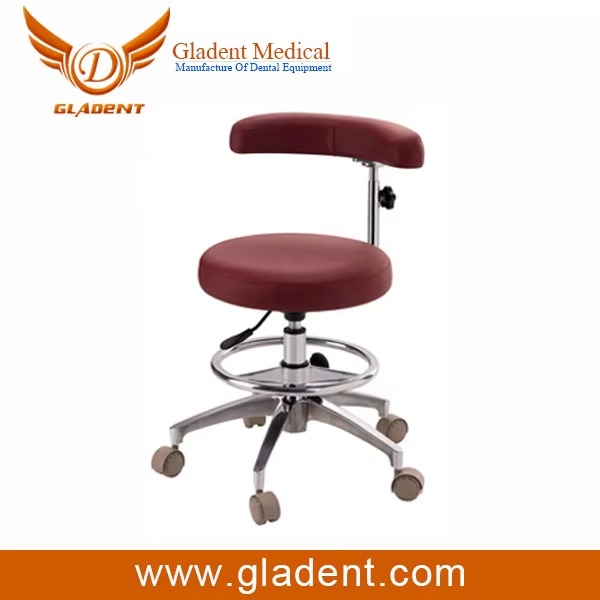
Selecting the right dental instrument tools involves understanding more than just individual instruments—it extends to the entire ecosystem of dental furniture and equipment that supports your practice. A dental stool, often overlooked in discussions about dental instrument tools, represents a critical investment that affects both practitioner comfort and patient care quality. The materials used in constructing dental instrument tools and supporting furniture directly influence durability, maintenance requirements, and long-term cost efficiency for any dental facility.
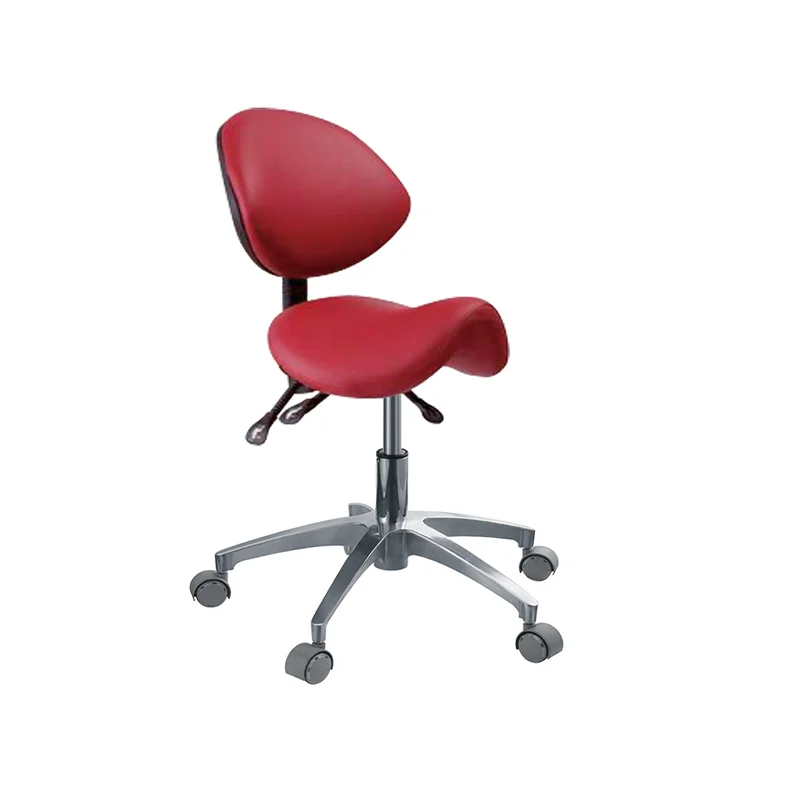
When examining how dental instrument tools are utilized in clinical settings, the role of supporting furniture becomes apparent. A high-quality dental stool crafted from premium materials ensures that your dental instrument tools remain accessible, properly positioned, and maintained in optimal working condition. Understanding material selection for dental stools helps practitioners invest wisely in equipment that will support their practice for years while maintaining the functionality required by modern dental instrument tools.
Base and Frame Material Selection for Dental Instrument Tools Support
Stainless Steel Construction for Dental Instrument Tools Stability
Stainless steel represents the gold standard for dental stool bases and frames that support dental instrument tools storage and access. This material resists corrosion from continuous sterilization cycles, chemical exposure, and the humid dental environment. Stainless steel bases provide exceptional stability and weight distribution, essential when dental instrument tools are frequently accessed from multiple positions. The material's durability ensures that your dental stool frame maintains structural integrity even after thousands of adjustments and movements required in daily dental instrument tools usage.
The use of grade 304 or 316 stainless steel in dental stool construction guarantees compatibility with aggressive disinfectants used in dental settings. When dental instrument tools are stored on or near stools equipped with stainless steel frames, the material prevents rust and degradation that could compromise both the furniture and the instruments themselves. This material choice directly impacts the lifespan of your entire dental instrument tools station.
Cast Aluminum Components in Dental Instrument Tools Furniture
Cast aluminum components offer lightweight yet durable support for dental instrument tools accessibility. Aluminum provides excellent strength-to-weight ratio, making dental stools easier to reposition while maintaining the stability necessary for precise dental instrument tools placement and retrieval. The material naturally resists corrosion without requiring special coatings, and dental instrument tools professionals appreciate the ease of cleaning aluminum surfaces during sterilization procedures.
High-quality dental stools incorporate aluminum in structural elements that support dental instrument tools organization. When combined with stainless steel fasteners, aluminum components create a robust framework that withstands the demands of busy dental practices. The durability of aluminum ensures that dental instrument tools remain properly supported throughout the stool's operational life.
Upholstery and Seating Materials for Extended Dental Instrument Tools Use
Medical-Grade Vinyl for Dental Instrument Tools Environments
Medical-grade vinyl upholstery has become standard in dental stools designed for environments where dental instrument tools are actively used. This material withstands hundreds of sterilization cycles, chemical cleaners, and blood-borne pathogen exposures without degradation. The non-porous surface prevents bacterial colonization, critical when dental instrument tools are frequently accessed during procedures. Medical-grade vinyl maintains its appearance and integrity far longer than standard upholstery, providing excellent value across the lifespan of your dental instrument tools station.
The durability of medical-grade vinyl directly correlates with the overall reliability of your dental instrument tools setup. Tears or degradation in seating material can create unsafe conditions and make cleaning difficult around dental instrument tools storage areas. Premium vinyl formulations maintain flexibility and resist cracking even in temperature-fluctuating dental environments where dental instrument tools must be sterilized and quickly deployed.
Foam Density Requirements for Dental Instrument Tools Comfort
High-density polyurethane foam underlies the medical-grade vinyl in quality dental stools supporting dental instrument tools work. Foam density of at least 2.0 pounds per cubic foot ensures that the seating surface maintains its supportive structure through years of use by practitioners accessing dental instrument tools. Low-quality foam compresses permanently within months, creating uncomfortable seating that contributes to posture problems affecting dental instrument tools handling and precision.
The relationship between foam quality and dental instrument tools accessibility cannot be overstated. When seating becomes compressed and unsupportive, practitioners lose the optimal positioning needed for safely managing dental instrument tools. Durable foam maintains the ergonomic height and support that enables practitioners to work efficiently with dental instrument tools while minimizing fatigue and injury risk.
Mechanical Components and Hardware Supporting Dental Instrument Tools Access
Pneumatic Cylinder Systems in Dental Instrument Tools Stools
High-quality dental stools utilize pneumatic cylinders manufactured to ISO 6432 standards, ensuring that height adjustments remain smooth and reliable when dental instrument tools must be quickly repositioned between patients. These cylinders employ stainless steel rods and hardened pistons that withstand millions of cycles without leakage. The durability of pneumatic systems directly enables the flexibility required to maintain optimal positioning for dental instrument tools access throughout extended clinical sessions.
Premium pneumatic cylinders resist the moisture and corrosive agents present in dental environments where dental instrument tools are sterilized. A reliable cylinder system means dental instrument tools remain accessible at consistent heights, supporting proper ergonomics and reducing strain. When pneumatic systems degrade, dental instrument tools become harder to access safely, potentially compromising clinical procedures.
Bearing Systems and Swivel Mechanisms for Dental Instrument Tools Functionality
Precision ball bearing systems in dental stools enable smooth, durable swivel and rotation capabilities essential when working with dental instrument tools. Sealed bearings prevent fluid ingress while maintaining the smooth operation required for quick repositioning when dental instrument tools must be accessed from different angles. Industrial-grade ball bearings rated for medical equipment guarantee that your dental instrument tools furniture remains responsive throughout years of clinical use.
The mechanical durability of swivel mechanisms determines how reliably practitioners can rotate and position themselves while maintaining access to dental instrument tools. High-quality bearing assemblies distribute stress evenly, preventing the wobbling or locking that compromises both comfort and dental instrument tools safety. Investing in dental stools with precision bearing systems ensures that your dental instrument tools remain consistently accessible without mechanical interference or degradation.
FAQ
What materials prevent bacterial contamination in dental stools supporting dental instrument tools?
Medical-grade vinyl, stainless steel, and sealed ball bearing systems all contribute to preventing bacterial contamination in dental stools. These materials feature non-porous surfaces that resist bacterial colonization and withstand aggressive sterilization chemicals used in dental environments where dental instrument tools are deployed. The seamless construction of quality dental stools eliminates crevices where bacteria could harbor, maintaining a hygienic environment for dental instrument tools usage.
How long do high-quality dental stools with premium materials typically last?
Premium dental stools constructed from stainless steel frames, high-density foam, and medical-grade vinyl typically last 10 to 15 years with proper maintenance. The durability of quality dental instrument tools furniture depends on material selection and manufacturing standards. Regular cleaning and preventive maintenance extend the lifespan of all components, ensuring your dental instrument tools remain properly supported throughout the equipment's operational life.
Can inferior dental stool materials affect the safety of dental instrument tools handling?
Yes, inferior materials directly impact dental instrument tools safety by causing structural instability, uncomfortable positioning, and mechanical failures. When dental stools deteriorate, practitioners lose the stable platform and proper ergonomics necessary for safely handling dental instrument tools. Compressed foam, torn upholstery, and degraded pneumatic systems compromise the positioning precision required for reliable dental instrument tools access and use during clinical procedures.