
 EN
EN
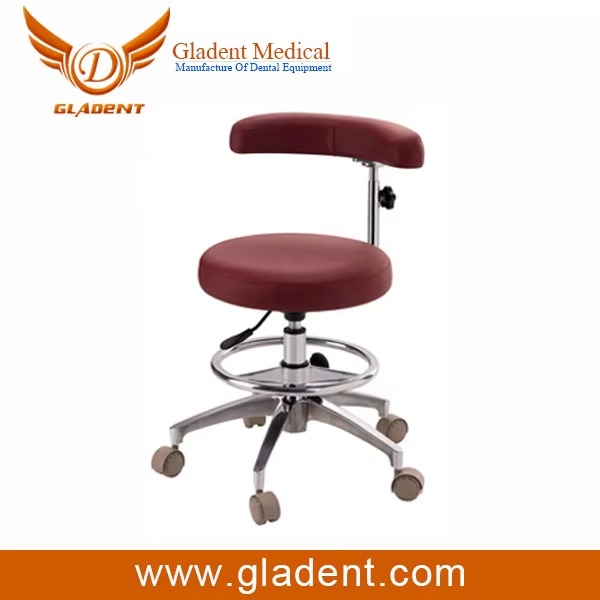
Dental professionals spend hours each day working with dental instrument tools in positions that demand precision, comfort, and control. The quality of dental instrument tools directly influences clinical outcomes, practitioner fatigue, and patient safety. Modern adjustable dental instrument tools have revolutionized how practitioners interact with their workspace, offering customizable features that adapt to individual body mechanics and clinical workflows. Understanding how adjustability enhances the use of dental instrument tools is essential for any practice seeking to improve both productivity and professional well-being.
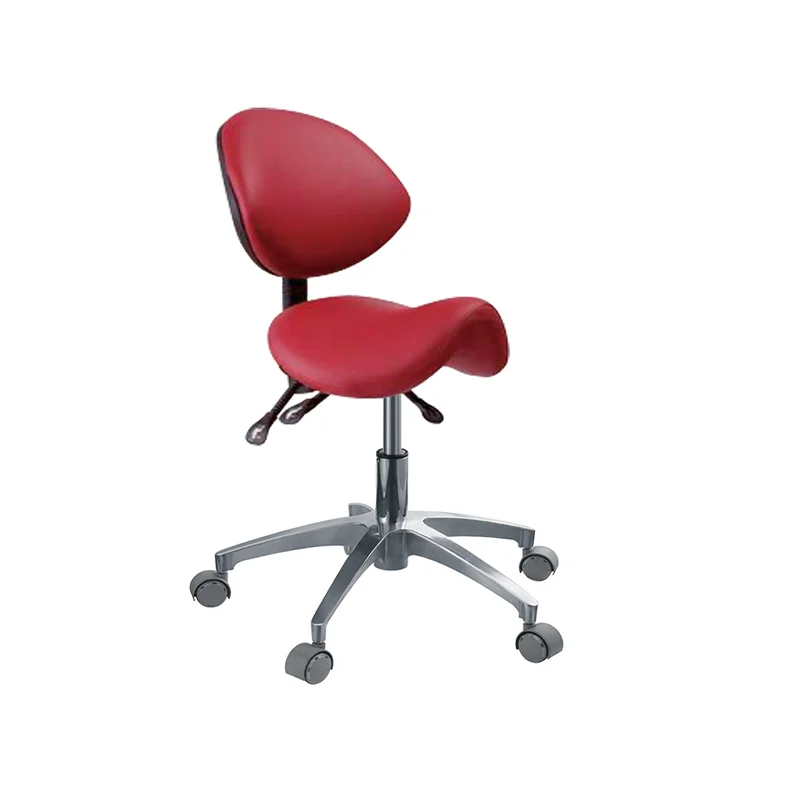
Adjustable dental instrument tools represent a fundamental shift in clinical ergonomics and equipment design. These specialized tools allow practitioners to modify height, angle, rotation, and positioning to match their unique physical requirements and procedural needs. The integration of adjustable features into dental instrument tools reduces repetitive strain, minimizes awkward postures, and extends the working lifespan of dental professionals by supporting long-term musculoskeletal health.
The Core Benefit of Adjustable Dental Instrument Tools
Ergonomic Positioning and Operator Comfort
Ergonomic design in dental instrument tools is not a luxury but a clinical necessity. Adjustable dental instrument tools enable practitioners to position their work surface, seating, and tool angles in alignment with their body's natural mechanics. When dental instrument tools lack adjustability, practitioners must contort their posture to reach instruments, leading to chronic musculoskeletal disorders, fatigue, and reduced precision during procedures. Adjustable features in dental instrument tools allow each practitioner to establish an optimal working height and angle that minimizes strain on the back, neck, shoulders, and wrists.
The height adjustment capability of quality dental instrument tools directly impacts clinical efficiency and accuracy. Practitioners who work with non-adjustable dental instrument tools often experience fatigue-related errors, decreased visibility, and compromised instrument control. Adjustable dental instrument tools accommodate varying practitioner heights, reach capabilities, and preference for working distance, ensuring that every team member can maintain the ideal posture throughout their shift.
Enhanced Procedural Control and Visibility
Precision in dentistry depends on the practitioner's ability to position themselves and their dental instrument tools for optimal visibility and access. Adjustable dental instrument tools provide the flexibility to reposition the work environment based on the specific procedure being performed. Some procedures require closer proximity to the patient, while others benefit from increased working distance. Adjustable dental instrument tools allow practitioners to modify height, angle, and orientation without dismounting or making major adjustments that interrupt clinical flow.
The rotational and angular adjustments available in modern dental instrument tools enhance accessibility to different tooth surfaces and treatment zones. When dental instrument tools are fixed in position, practitioners must compromise their approach or use compensatory movements that reduce control and increase fatigue. Adjustable dental instrument tools enable multi-directional positioning that aligns with the clinical task at hand, improving visibility, reducing strain, and supporting more efficient treatment delivery.
Practical Impact on Clinical Practice
Reducing Fatigue and Long-Term Health Outcomes
Cumulative musculoskeletal injury is one of the most significant occupational health challenges in dentistry. Practitioners who work with rigid, non-adjustable dental instrument tools face accelerated development of conditions such as neck pain, lower back pain, carpal tunnel syndrome, and shoulder impingement. Adjustable dental instrument tools mitigate these risks by allowing practitioners to maintain neutral posture and reduce compensatory movements throughout their workday. The long-term health benefits of using adjustable dental instrument tools extend beyond individual comfort to impact practice productivity, staff retention, and workplace safety culture.
When dental instrument tools are adjustable, practitioners can alternate between positions, accommodating different body regions and preventing the cumulative strain that develops from static, repetitive postures. This postural variation supported by adjustable dental instrument tools enhances blood circulation, reduces muscle fatigue, and decreases the likelihood of repetitive strain injuries that can end careers prematurely.
Workflow Efficiency and Patient Outcomes
Adjustable dental instrument tools contribute directly to clinical efficiency by enabling faster setup, smoother transitions between procedures, and reduced time spent on ergonomic adjustments. Practitioners using dental instrument tools with intuitive adjustment mechanisms can quickly adapt their workspace without losing focus or breaking sterile field protocols. This efficiency translates to increased treatment capacity, improved patient satisfaction, and more predictable scheduling within the practice.
The precision enabled by well-positioned adjustable dental instrument tools also supports better clinical outcomes. When practitioners maintain optimal posture and visibility, their procedural accuracy improves, reducing the need for rework and enhancing patient confidence in treatment quality. Adjustable dental instrument tools that accommodate the practitioner's natural working position reduce fatigue-related cognitive errors and support more consistent clinical results.
Selecting and Implementing Adjustable Dental Instrument Tools
Key Adjustment Features to Evaluate
When selecting dental instrument tools for your practice, prioritize models with comprehensive adjustability across multiple dimensions. Essential adjustment features in dental instrument tools include height regulation, seat inclination, backrest positioning, and rotational capability. The best dental instrument tools offer smooth, tool-free adjustments that practitioners can make quickly without interrupting clinical work. Look for dental instrument tools with a wide adjustment range to accommodate different practitioner sizes and procedural requirements within your team.
The durability of adjustment mechanisms in dental instrument tools is as important as the adjustment range itself. Dental instrument tools subjected to daily adjustments require robust hydraulic systems, quality fasteners, and reliable positioning locks to maintain adjustability over years of clinical use. Evaluate whether the dental instrument tools you consider will retain their adjustment smoothness and reliability after months or years of regular use in a busy practice environment.
Training and Optimization Strategies
Implementing new adjustable dental instrument tools in your practice requires practitioner training and optimization protocols. Each team member should learn how to customize their dental instrument tools settings based on their individual anthropometry, clinical preferences, and specific procedures. Providing education on ergonomic principles helps practitioners understand why adjustable dental instrument tools matter and how to use their features intentionally rather than defaulting to static positions.
Establish a culture of ergonomic awareness within your practice by regularly reviewing how practitioners are using adjustable dental instrument tools. Some team members may revert to familiar but suboptimal positions despite having access to adjustable dental instrument tools. Ongoing support and reinforcement of proper ergonomic practices ensure that the investment in adjustable dental instrument tools translates into genuine health and productivity benefits for your entire team.
FAQ
What adjustability features matter most in dental instrument tools?
The most critical adjustability features in dental instrument tools are height regulation, seat inclination, and rotational capability. Height adjustment accommodates different practitioner body dimensions and reach requirements. Seat inclination and backrest positioning support proper spinal alignment and reduce lower back strain. Rotational capability enables practitioners to position their dental instrument tools for optimal access to different tooth surfaces and treatment areas. Together, these adjustable features in dental instrument tools create a flexible work environment that adapts to individual needs and varying clinical tasks.
How do adjustable dental instrument tools reduce practitioner injury risk?
Adjustable dental instrument tools reduce injury risk by enabling practitioners to maintain neutral posture and minimize compensatory movements throughout their workday. When dental instrument tools lack adjustability, practitioners must contort their body to reach instruments and achieve visibility, creating repetitive strain and muscle fatigue. Adjustable dental instrument tools allow each practitioner to establish an ergonomically sound position, reducing stress on the neck, back, shoulders, and wrists. This postural support decreases the cumulative trauma that leads to chronic musculoskeletal disorders, extending the career longevity of dental professionals.
Can adjustable dental instrument tools improve clinical efficiency?
Yes, adjustable dental instrument tools significantly improve clinical efficiency by reducing setup time, enabling faster transitions between procedures, and supporting better practitioner visibility and control. Practitioners working with well-positioned adjustable dental instrument tools maintain better focus, make fewer fatigue-related errors, and complete procedures more predictably. The comfort and confidence gained from using adjustable dental instrument tools also reduces practitioner stress and creates a more positive work environment, which indirectly supports better patient interactions and treatment quality throughout the practice.