
 EN
EN
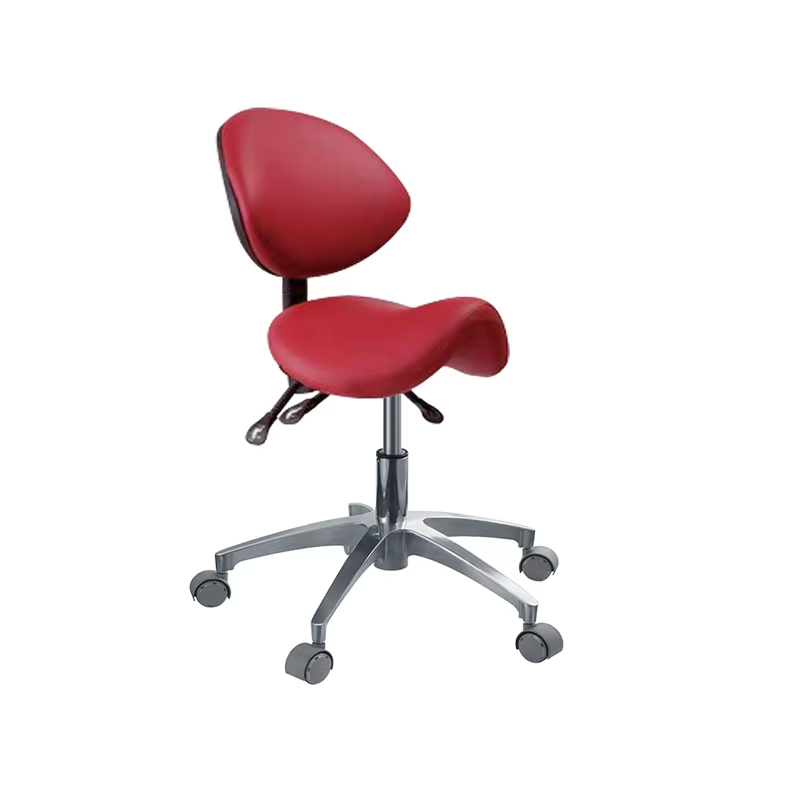
Selecting the right dental instrument tools and seating solutions represents one of the most critical operational decisions for large dental practices. Beyond the obvious need for comfort, the choice of dental instrument tools directly impacts clinical efficiency, staff retention, and long-term operational costs. When practices invest in superior dental instrument tools that include well-designed seating, they reduce fatigue-related errors, improve patient outcomes, and create an environment where dental professionals want to work. Large practices face unique challenges when evaluating dental instrument tools because they must balance individual ergonomic needs with budget constraints and standardization across multiple treatment rooms.
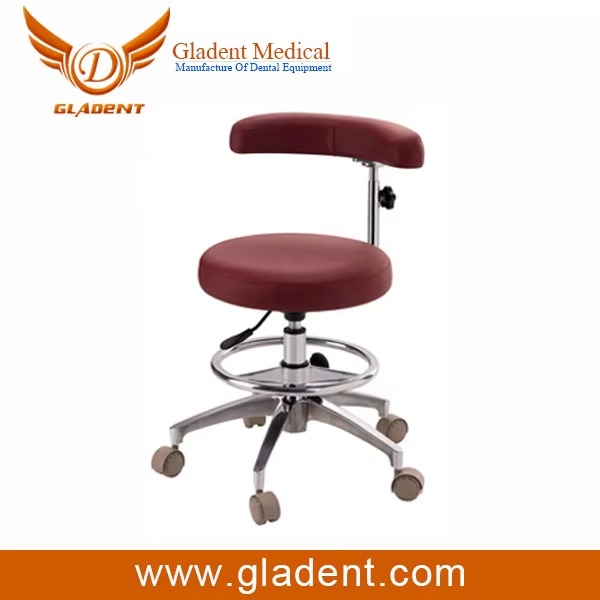
The landscape of dental instrument tools has evolved significantly, with manufacturers now offering modular systems designed specifically for high-volume practices. Understanding which dental instrument tools deliver genuine value requires looking beyond initial purchase price to examine total cost of ownership, maintenance requirements, and adaptability to your practice's workflow. Large practices that implement comprehensive dental instrument tools strategies—including proper seating, instrument organization, and ergonomic support systems—report measurable improvements in productivity and staff satisfaction.
Understanding Dental Instrument Tools for Large Practices
The Role of Ergonomic Seating in Your Dental Instrument Tools Setup
Dental instrument tools encompass far more than just burs and mirrors; they include the entire support ecosystem that enables clinicians to work efficiently and safely. When considering dental instrument tools for a large practice, ergonomic seating becomes essential infrastructure rather than a luxury upgrade. Properly selected dental instrument tools with supportive seating reduce musculoskeletal strain, which represents the leading cause of burnout among dental professionals. The best dental instrument tools systems integrate seating that adjusts to accommodate different operator heights and procedures, ensuring that clinical staff can maintain proper posture throughout extended patient care sessions.
Why Large Practices Need Standardized Dental Instrument Tools
Large practices typically operate multiple treatment rooms simultaneously, which means dental instrument tools selections must support consistency across different operatory setups. Standardizing dental instrument tools reduces training time for new staff members, minimizes equipment errors, and creates familiar workflows that enhance both speed and safety. When practices implement uniform dental instrument tools standards, they also simplify inventory management and create opportunities for bulk purchasing discounts. This standardization approach transforms dental instrument tools from a fragmented collection of individual purchases into a strategic operational system.
Key Value Factors When Selecting Dental Instrument Tools
Durability and Long-Term Cost Advantages of Quality Dental Instrument Tools
The initial sticker price of dental instrument tools often misleads practice managers into choosing inferior options that require frequent replacement or repairs. Premium dental instrument tools constructed from high-quality materials typically cost more upfront but deliver superior durability that justifies the investment over multiple years. Large practices that analyze total cost of ownership discover that expensive dental instrument tools often become the most economical choice because they withstand heavy daily use without performance degradation. When evaluating dental instrument tools vendors, request specific information about material composition, warranty coverage, and expected lifespan under typical large-practice conditions.
Adaptability and Scalability of Dental Instrument Tools Systems
Growing dental practices require dental instrument tools that can scale efficiently without complete system replacement. The best dental instrument tools feature modular designs that allow practices to add, remove, or reconfigure components as operational needs evolve. This flexibility means your initial investment in dental instrument tools can expand as the practice expands, protecting your capital expenditure over time. Modular dental instrument tools also simplify troubleshooting and maintenance because individual components can be serviced or upgraded independently without disrupting entire operatories.
Practical Implementation of Premium Dental Instrument Tools
Ergonomic Design Features That Maximize Dental Instrument Tools Effectiveness
Advanced dental instrument tools feature ergonomic seating with multiple adjustment parameters that accommodate the full range of operator sizes and preferences. Look for dental instrument tools that include height adjustment, seat angle customization, and adequate lumbar support to prevent chronic back pain. The most effective dental instrument tools also incorporate mobility features that allow operators to reposition quickly during procedures without leaving their seated position. Premium dental instrument tools reduce the repetitive strain that accumulates through thousands of patient care appointments, directly improving retention rates among experienced clinical staff.
Integration of Dental Instrument Tools with Practice Workflow
Implementing new dental instrument tools requires careful attention to how these systems interact with existing practice workflows and staff training protocols. The most successful dental instrument tools implementations involve staff input during selection and trial periods before full deployment. When team members participate in evaluating dental instrument tools options, they develop ownership of the decision and adapt more readily to the new systems. Training investment in dental instrument tools ensures that staff understand all adjustment features and maintenance requirements, maximizing the practical benefits of your purchase.
FAQ
How do I calculate the true return on investment for dental instrument tools in a large practice?
Calculate dental instrument tools ROI by comparing the cost per operatory against projected savings from reduced staff turnover, fewer injury-related absences, and improved appointment productivity. Factor in replacement frequency for lower-cost alternatives and include training time required when swapping between different dental instrument tools systems. Many large practices discover that premium dental instrument tools pay for themselves within three to five years through efficiency gains alone, making them a sound financial decision.
What specifications should I prioritize when comparing dental instrument tools models?
Prioritize adjustability, durability rating, warranty coverage, and compatibility with your existing operatory infrastructure when comparing dental instrument tools options. Request detailed material specifications and ask vendors to provide references from other large practices using their dental instrument tools. Ensure that dental instrument tools you select can accommodate your full range of staff members comfortably and support the specific procedures your practice emphasizes.
Can I mix and match dental instrument tools from different manufacturers in one practice?
While possible, mixing dental instrument tools from different manufacturers often creates inconsistency, complicates training, and prevents you from negotiating volume discounts. Standardizing on a single dental instrument tools brand or compatible system family maintains workflow familiarity and simplifies troubleshooting. If you must use multiple dental instrument tools vendors, ensure that core features like seat height, adjustment mechanisms, and ergonomic principles remain consistent across all units.