
 EN
EN
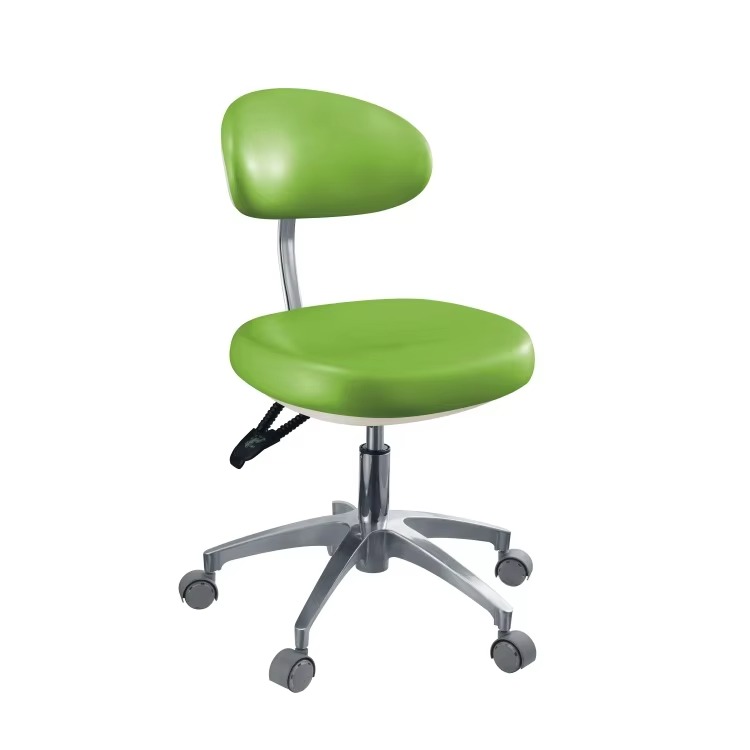
Selecting the right seating solution for dental practices requires understanding how dental instrument tools and operational efficiency intersect. Modern dental instrument tools demand that clinicians maintain precise control, optimal visibility, and comfortable positioning throughout extended procedures. When dental instrument tools are used consistently in clinical settings, the supporting infrastructure—particularly seating—becomes critical to both operator comfort and patient outcomes. OEM dental stool options designed with ergonomic and durable construction address this essential need, ensuring that dental instrument tools can be deployed effectively without causing physical strain to practitioners.
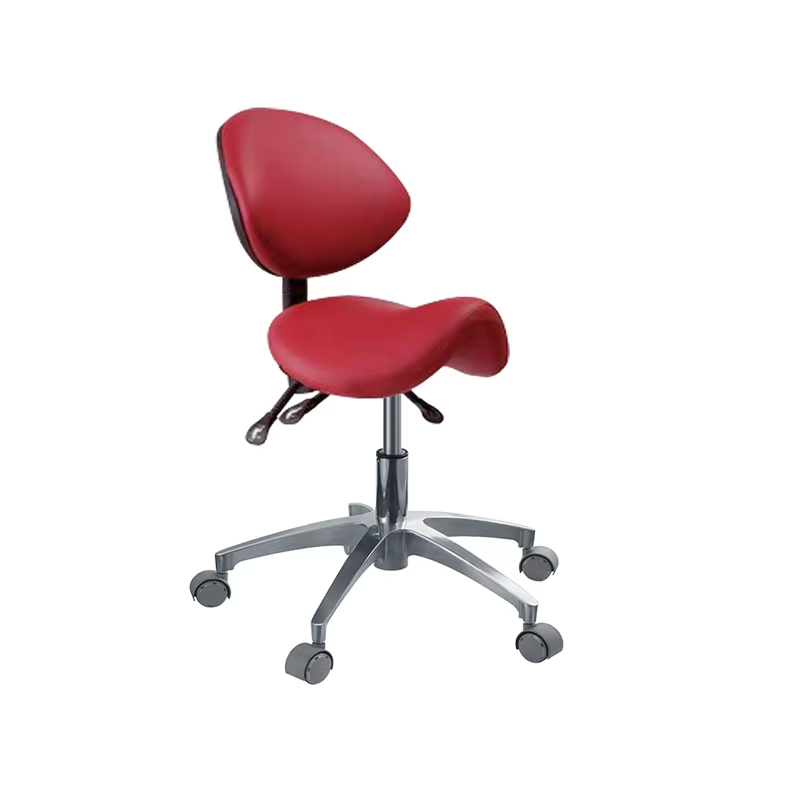
The connection between seating quality and dental instrument tools performance is often overlooked, yet it directly impacts clinical outcomes. When dental instrument tools are operated from an unstable or uncomfortable position, precision suffers, fatigue accelerates, and long-term musculoskeletal issues emerge. OEM manufacturers recognize that dental instrument tools require operators who remain alert, positioned correctly, and physically supported throughout their workday. Investing in ergonomic OEM dental stool options ensures that your dental instrument tools investment delivers consistent results while protecting your team's health and productivity.
Ergonomic Features That Support Dental Instrument Tools Performance
Adjustability and Positioning Control
Proper ergonomic design in dental instrument tools environments begins with seating that adapts to individual anatomy. OEM dental stool options featuring pneumatic height adjustment allow clinicians to position themselves optimally when using dental instrument tools at various angulations and distances. The best dental instrument tools operators maintain a neutral spine, elbows at approximately 90 degrees, and vision aligned perpendicular to the treatment area. Without adjustable seating, dental instrument tools become harder to control, vision deteriorates, and operator fatigue increases rapidly. Footrings and base stability ensure that dental instrument tools users maintain secure positioning even during demanding procedures requiring fine motor control.
Lumbar Support and Spinal Alignment
Lumbar curvature support directly influences how effectively dental instrument tools can be manipulated during clinical work. OEM dental stool options with integrated backrest support prevent the forward slouching posture that commonly develops when dental instrument tools are used without proper spinal alignment. When operating dental instrument tools for six to eight hours daily, inadequate lumbar support leads to lower back pain, reduced productivity, and increased error rates. Premium OEM dental stool options incorporate contoured backrests that maintain natural spinal curvature, allowing clinicians to keep focus on their dental instrument tools rather than managing discomfort. This design philosophy extends the career longevity of dental professionals while improving their daily experience with precision dental instrument tools work.
Durability Standards for High-Demand Clinical Environments
Material Selection and Construction Quality
OEM dental stool options manufactured for professional clinical settings demand materials that withstand constant use, cleaning protocols, and the wear patterns unique to dental instrument tools environments. High-quality upholstery resists staining from disinfectants, dental materials, and blood, while base materials must tolerate rolling across floors multiple times per hour without degradation. Dental instrument tools operators move constantly between treatment stations, rolling their stools across various flooring types throughout the day. Premium OEM dental stool options use heavy-gauge welded steel bases, medical-grade upholstery, and sealed pneumatic cylinders that resist fluid infiltration. These material choices ensure that dental instrument tools can be deployed reliably across months and years of intensive clinical use without requiring frequent replacement or repair.
Mechanical Reliability and Maintenance
The mechanical systems within OEM dental stool options must operate flawlessly since downtime affects dental instrument tools availability and clinical scheduling. Pneumatic height adjustment systems in quality OEM dental stool options use sealed cylinders rated for 100,000 or more cycles, ensuring smooth operation after months of constant adjustment. When dental instrument tools are stationed in a treatment room, the supporting stool becomes part of the critical clinical infrastructure; mechanical failure is simply not acceptable. Reputable OEM manufacturers provide replacement parts availability, warranty coverage, and documented maintenance protocols for their dental instrument tools environments. This commitment to durability means that your investment in ergonomic OEM dental stool options continues providing value across multiple years without unexpected equipment failures disrupting your dental instrument tools practice.
Selecting OEM Dental Stool Options for Your Practice
Assessing Practice Workflow and Spatial Constraints
Different dental practices use dental instrument tools in distinct patterns depending on their specialization, patient volume, and treatment room configuration. General practices requiring flexibility across multiple procedure types benefit from OEM dental stool options with 360-degree swivel capability and maximum adjustability to accommodate diverse dental instrument tools applications. Specialists who focus on specific procedures may prefer OEM dental stool options optimized for particular positioning angles and specialized backrest configurations matching their dental instrument tools techniques. Space constraints influence whether your practice can accommodate wider bases or requires more compact OEM dental stool options that still maintain stability during precise dental instrument tools manipulation. Evaluating your specific workflow patterns ensures that chosen OEM dental stool options genuinely enhance how your team interacts with dental instrument tools rather than introducing ergonomic compromises.
Budget Considerations and Long-Term Value
While OEM dental stool options represent a significant equipment investment, calculating total cost of ownership reveals their true financial value compared to budget alternatives. Replacing worn-out budget seating annually costs more than investing in durable OEM dental stool options lasting five to seven years, and the ergonomic benefits translate directly into reduced injury claims and improved productivity with dental instrument tools. When clinicians experience less fatigue and discomfort using quality OEM dental stool options, they perform more efficiently with dental instrument tools, complete procedures faster, and experience fewer errors requiring rework. Many practices find that investing in premium OEM dental stool options represents one of the highest-return equipment purchases they make, delivering benefits across both clinical quality and operational economics. The health and satisfaction of your team using dental instrument tools throughout their workday depends substantially on seating quality, making this investment strategically important beyond simple cost comparison.
FAQ
How do ergonomic dental stool options improve outcomes when using dental instrument tools?
Ergonomic OEM dental stool options enable clinicians to maintain proper positioning, spinal alignment, and visibility when operating dental instrument tools, reducing operator fatigue and enhancing precision during procedures. When dental instrument tools are used from a well-supported, properly positioned seat, clinicians experience fewer errors, work more efficiently, and maintain better control throughout extended procedures. Reduced physical strain also means dental instrument tools professionals can perform more treatments daily without experiencing cumulative fatigue that degrades quality and increases risks of repetitive strain injury.
What features should I prioritize when comparing OEM dental stool options for my practice?
Prioritize pneumatic height adjustability, lumbar support quality, base stability, and material durability when evaluating OEM dental stool options for use with dental instrument tools. Ensure that the stool height range accommodates your team members and your specific dental instrument tools positioning requirements. Check whether the base width and swivel range match your treatment room dimensions, and verify that upholstery materials are compatible with your disinfection protocols used around dental instrument tools. Additionally, confirm warranty coverage, replacement parts availability, and the manufacturer's reputation for customer support specific to OEM dental stool options used in dental instrument tools environments.
How often should OEM dental stool options be replaced in an active dental practice using dental instrument tools?
Quality OEM dental stool options typically remain functional for five to seven years in active dental practices where dental instrument tools are used daily. Lifespan depends on maintenance quality, usage intensity, and whether the stool has experienced physical damage or mechanical failures. Monitoring for signs of wear, testing hydraulic responsiveness, and inspecting structural integrity helps determine when replacement becomes necessary for optimal ergonomic support during dental instrument tools use. Many practices proactively replace stools after five years to ensure consistent ergonomic benefits and prevent unexpected equipment failures affecting dental instrument tools availability.