
 EN
EN
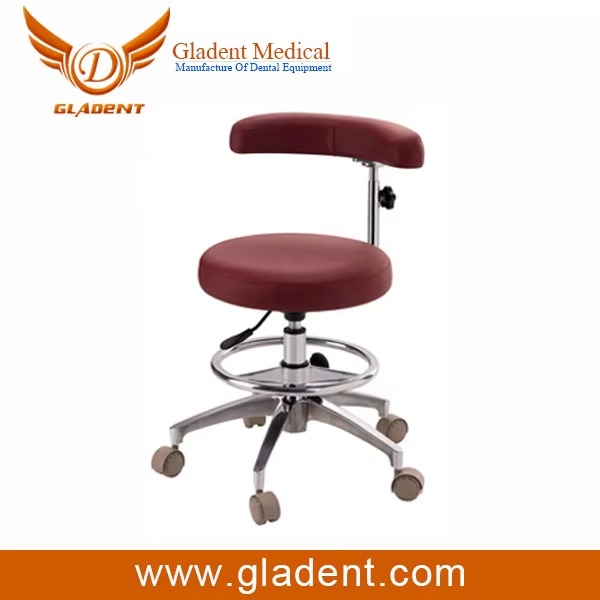
Selecting the right dental instrument tools and seating solutions represents one of the most important decisions a clinic can make for long-term operational success and practitioner health. Dental instrument tools encompass everything from handpieces and scalers to the supporting furniture that enables clinicians to work efficiently and safely. When comparing dental stool brands, practitioners often overlook how directly dental instrument tools impact daily workflow, posture, and clinical outcomes. The quality of your seating directly influences how well clinicians can access and utilize their dental instrument tools throughout the day, making brand selection a strategic practice investment rather than a simple purchasing decision.
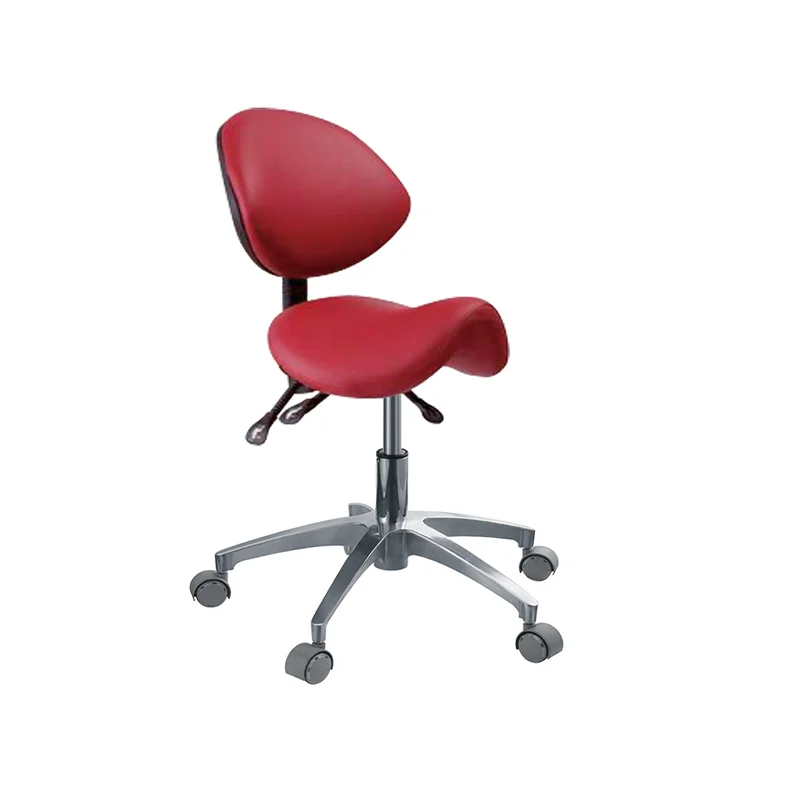
Clinics that properly evaluate dental instrument tools alongside appropriate seating experience measurably better ergonomic outcomes, fewer practitioner injuries, and improved patient satisfaction. Modern dental practices recognize that dental instrument tools function best when supported by equipment that promotes correct posture and reduces fatigue. This comprehensive guide walks clinic decision-makers through the systematic evaluation framework for comparing dental stool brands while ensuring alignment with your dental instrument tools ecosystem.
Establishing Core Performance Criteria for Dental Instrument Tools Integration
Understanding How Seating Affects Your Dental Instrument Tools Performance
The relationship between dental stool design and dental instrument tools accessibility cannot be overstated in clinical practice. When your dental instrument tools are mounted on operatory walls or instrument trays, the stool height, seat angle, and back support directly determine whether clinicians can reach and manipulate these tools safely without strain. Brands that understand this integration point build stools with adjustable heights and swivel capabilities that complement how dental instrument tools are positioned in your operatory layout. A dental stool that forces clinicians into awkward angles ultimately compromises their ability to work effectively with dental instrument tools, leading to rushed procedures and potential safety issues.
Evaluating Ergonomic Alignment for Long-Term Practice Health
Proper ergonomic alignment directly impacts how clinicians interact with dental instrument tools throughout an eight-hour day. Brands focused on clinical ergonomics design stools that support neutral spine positioning, allowing practitioners to access dental instrument tools with minimal compensatory movement. When comparing dental stool brands, examine the lumbar support design, seat cushioning density, and armrest positioning relative to where your dental instrument tools mount. Clinics that prioritize ergonomics report lower practitioner burnout rates and reduced work-related musculoskeletal disorders. The best dental instrument tools investments include complementary seating that prevents practitioners from developing chronic posture-related injuries that could end careers prematurely.
Key Brand Differentiation Factors in the Dental Stool Market
Material Quality and Durability Expectations Across Brands
Different dental stool brands employ markedly different material specifications that affect both longevity and how well the furniture integrates with dental instrument tools workflows. Premium brands typically use medical-grade upholstery that resists staining from dental instrument tools residue, sterilizing agents, and daily cleaning protocols. The base construction varies significantly, with some brands offering reinforced metal frames while others use plastic or hybrid materials. When evaluating brands for dental instrument tools environments, durability becomes critical because replacing seating disrupts clinical scheduling and represents significant unexpected expense. Brands offering extended warranties and documented durability testing records provide better long-term value for clinics committed to maintaining consistent dental instrument tools accessibility.
Adjustability and Customization Options for Your Workflow
Clinics operate dental instrument tools using varied procedural approaches, and dental stool brands differ significantly in how much adjustment they permit. Some brands offer fully adjustable height ranges spanning from 16 to 26 inches, accommodating different practitioner heights and clinical tasks. The most adaptable dental stool brands include swivel capabilities, tilt mechanisms, and removable or adjustable armrests that clinicians can customize around their specific dental instrument tools positioning. Brands with limited adjustability may work for standardized operatories but create friction when practitioners with different physical characteristics or alternative dental instrument tools configurations need to share seating. Comparison shopping should prioritize brands that explicitly list their adjustment ranges and swivel capabilities.
Practical Evaluation Framework for Brand Selection
Testing Comfort and Functionality Before Commitment
Reputable dental stool brands encourage hands-on testing before purchase because comfort perception varies significantly among different body types and clinical styles. Request trial periods or demonstration units from shortlisted brands to evaluate how their stools integrate with your existing dental instrument tools layout. Have multiple team members test the stools under realistic conditions, performing actual clinical tasks with your dental instrument tools rather than simply sitting in the stool statically. This practical testing reveals whether brand claims about adjustability and ergonomic support translate to real-world comfort during active clinical work. Brands that hesitate to provide trial opportunities or restrict testing access may indicate lower confidence in their product performance.
Comparing Total Cost of Ownership Across Brands
Purchase price represents only one component of the true cost when comparing dental stool brands for your dental instrument tools ecosystem. Consider warranty length, maintenance requirements, upholstery replacement availability, and projected replacement cycles when calculating long-term expense. Some premium brands command higher initial prices but offer superior durability, extended warranties, and readily available replacement parts that reduce total ownership cost. Brands with lower entry prices may require more frequent replacement or repairs, particularly in high-usage clinical environments. Clinics implementing multiple dental instrument tools stations should negotiate volume pricing with shortlisted brands and request itemized total cost of ownership projections spanning five to ten years.
Specialized Considerations for Different Clinical Environments
General Practice vs. Specialty-Specific Requirements
General dental practices typically require seating that balances flexibility across varied procedures using diverse dental instrument tools, whereas specialty practices may prioritize stools optimized for specific applications. Orthodontic practices need different ergonomic profiles than surgical or endodontic specialists, and your dental stool brand selection should reflect these specialized dental instrument tools demands. Some brands specifically engineer seating for surgical applications involving prolonged positioning with advanced dental instrument tools, while others focus on general dentistry versatility. When comparing dental stool brands for specialty practices, verify that the manufacturer has clinical experience serving your specific discipline and can reference successful installations in similar environments.
Space Constraints and Operatory Layout Integration
Compact operatories require different dental stool brands than spacious suites, particularly when dental instrument tools positioning limits where clinicians can position their seating. Brands offering slim profiles and compact bases are essential for practices with constrained floor space, while established operatories may accommodate larger bases providing enhanced stability. Mobile dental instrument tools carts and wall-mounted systems require stools with excellent maneuverability, making swivel performance a critical brand-selection factor. Measure your operatory dimensions and evaluate how leading dental stool brands fit within your existing layout before committing to purchase. Brands providing detailed dimension drawings and layout guidance significantly reduce the risk of selecting seating that incompatibilities with your dental instrument tools configuration.
FAQ
What specific features make one dental stool brand superior to another for dental instrument tools integration?
Superior dental stool brands demonstrate excellent adjustability, ergonomic lumbar support, durable medical-grade materials, and documented compatibility with diverse dental instrument tools configurations. The best brands provide detailed product specifications, warranty coverage, and manufacturer support for customizing stools to specific clinical workflows. Brands with superior reputation typically offer trial periods and maintain strong customer satisfaction ratings from established practices using comparable dental instrument tools systems.
How should clinics prioritize ergonomic considerations when comparing dental stool brands?
Ergonomic prioritization begins by assessing how each dental stool brand supports neutral spine positioning during extended clinical tasks with dental instrument tools. Evaluate lumbar support design, seat depth and angle, armrest positioning, and height adjustment range as foundational ergonomic criteria. Have clinicians test stools while performing actual procedures with your dental instrument tools to identify which brands best support proper posture throughout the day. Prioritize brands with proven track records reducing practitioner musculoskeletal complaints and fatigue-related errors.
Should budget constraints significantly influence dental stool brand selection decisions?
While budget matters, selecting the lowest-priced dental stool brand often represents false economy because seating quality directly impacts practitioner health and productivity working with dental instrument tools. Consider total cost of ownership across five to ten years, including warranty coverage, durability expectations, and replacement parts availability when making brand comparisons. Mid-to-premium brands typically offer superior long-term value despite higher initial investment, whereas budget brands may require frequent replacement, limiting your return on investment in dental instrument tools and practice infrastructure.