
 EN
EN
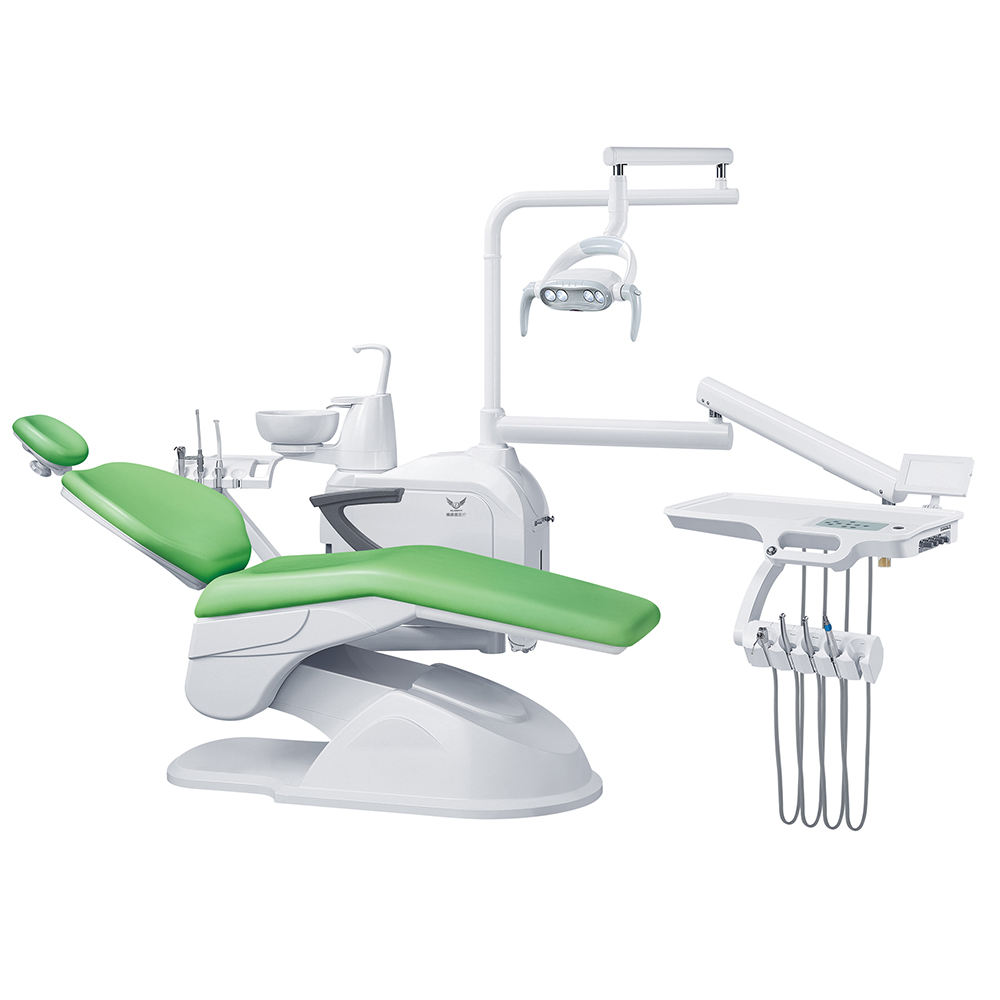
Modern dental practices demand more than standard equipment—they require solutions that align with unique clinic layouts, patient demographics, and clinical workflows. A dental chair serves as the centerpiece of any treatment room, and choosing the right one can significantly impact both patient comfort and practitioner efficiency. Original Design Manufacturer (ODM) dental chair solutions offer the flexibility to customize specifications, ergonomic features, and integrated systems to match the exact needs of your clinic environment.
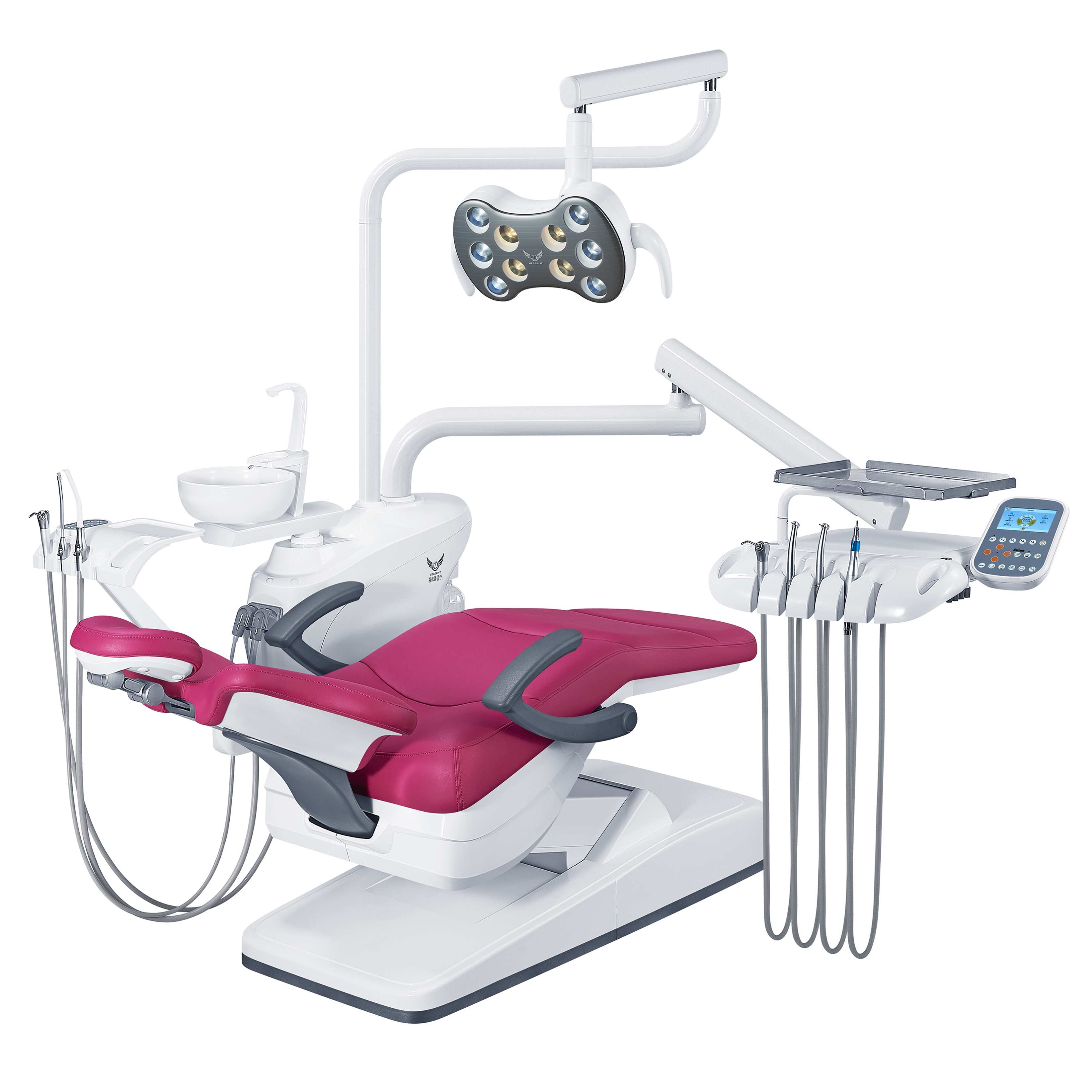
Working with an ODM partner allows clinics to move beyond one-size-fits-all equipment and develop a dental chair specifically engineered for their operational context. Whether you operate a boutique cosmetic practice, a high-volume general dentistry clinic, or a specialized surgical center, an ODM dental chair can be configured to support your clinical protocols, aesthetic preferences, and patient care standards. This customization approach reduces costly compromises and ensures that every element of the dental chair directly supports your practice's success.
Understanding ODM Dental Chair Customization
What Makes ODM Dental Chair Solutions Different
Traditional dental chair manufacturers produce standardized models with limited configuration options. In contrast, an ODM dental chair partner works directly with your clinic to understand operational requirements, patient flow patterns, and specific clinical needs. The ODM model enables modification of structural components, upholstery materials, integrated delivery systems, control interfaces, and even footprint dimensions to create a dental chair that genuinely fits your space and workflow rather than forcing your workflow to fit the equipment.
An ODM dental chair solution begins with a discovery process where manufacturers analyze your clinic's treatment philosophy, treatment room layout, team skill levels, and patient population. This information drives design decisions around seating height adjustability, armrest positioning, headrest ergonomics, and auxiliary equipment compatibility. The result is a dental chair that enhances rather than complicates your daily operations and directly contributes to patient satisfaction and staff efficiency.
Core Customization Elements
ODM dental chair designs typically address several key customization dimensions. The hydraulic or electronic positioning system can be tuned for specific operating ranges, responsive speed, and load-bearing capacity based on your patient demographics and treatment intensity. Suction and air delivery systems can be integrated with dual channels, moisture management features, or specialized configurations for specific procedures. Upholstery options range from standard vinyl to premium antimicrobial materials, and the dental chair base can be modified for floor space optimization, mobility requirements, or aesthetic alignment with your clinic's design identity.
Control systems represent another critical customization point for a dental chair. Foot pedal configurations, handpiece tubing routing, assistant-side accessibility, and digital interface preferences can all be engineered to match your team's working style. Some clinics require a more traditional dental chair layout with minimal tech integration, while others demand fully digital control systems with memory presets and integrated diagnostic interfaces. An ODM approach makes both scenarios feasible within a single, coordinated design.
Aligning Dental Chair Features to Clinical Workflows
Ergonomic Tailoring for Patient Comfort
Patient experience directly correlates with treatment outcomes and referral patterns, making ergonomic precision in a dental chair investment critical. When working with an ODM dental chair manufacturer, clinics can specify exact headrest geometry, seat depth, lumbar support positioning, and armrest angles based on their typical patient profile and treatment modalities. Pediatric practices may design a dental chair with lower baseline heights and engaging aesthetic elements, while surgical centers require a dental chair configured for extended procedures and precise positioning stability.
The cushioning firmness, fabric texture, and overall tactile experience of sitting in a dental chair significantly influence patient anxiety levels and compliance with treatment plans. ODM customization allows you to select materials and designs that align with your patient expectations and clinical values. A dental chair that communicates quality, stability, and care through its physical design builds patient confidence and supports your clinical reputation.
Operational Efficiency Through Design Alignment
An ODM dental chair designed around your actual clinical processes eliminates friction points and accelerates routine tasks. If your practice emphasizes four-handed dentistry with a dedicated assistant, the dental chair can be engineered with optimized sightlines and instrument access for the assistant position. If you operate primarily solo with minimal assistance, the dental chair layout can prioritize practitioner reach and visibility while minimizing unnecessary features that consume space and complicate operation.
Treatment room transitions, patient positioning for specific procedures, and equipment cleaning protocols all benefit from a dental chair that anticipates your workflow. An ODM dental chair can be designed with breakaway components for enhanced sanitation, removable trays for easier sterilization, and positioning mechanisms that support your most common procedures. This operational alignment reduces chair-related delays, minimizes practitioner strain, and ultimately increases treatment room productivity and staff satisfaction.
Integration with Clinic Infrastructure and Aesthetics
Space Planning and Room Layout Optimization
Dental treatment rooms vary significantly in dimensions, ceiling heights, window placement, and utility access points. An ODM dental chair can be engineered to fit your specific room constraints rather than forcing renovations or awkward furniture arrangements. If your clinic has compact operatories, a dental chair footprint can be optimized for minimal floor space while maintaining full functionality. Conversely, if you have generous room dimensions, a dental chair can incorporate additional features like integrated operator stools, expanded delivery systems, or larger assistant-side workspaces.
Utility line routing—including compressed air, water lines, electrical connections, and suction delivery—can be customized in a dental chair design to align with your clinic's infrastructure placement. This coordination prevents expensive retrofitting and ensures that a dental chair integrates seamlessly into existing building systems. An ODM approach treats the dental chair not as an isolated furniture piece but as an integrated component within your entire treatment environment.
Aesthetic and Brand Alignment
Your clinic's design identity communicates professionalism, clinical capability, and patient values to every visitor. An ODM dental chair can be engineered to reinforce your brand through color selection, material finishes, upholstery patterns, and stylistic details. A pediatric practice might select a dental chair with rounded edges, playful color accents, and welcoming proportions, while a premium cosmetic center might specify premium upholstery, minimalist aesthetic, and sophisticated control interfaces that signal cutting-edge capability.
The visual and tactile experience of a dental chair contributes to the overall patient perception of your clinic's quality and care standards. When a dental chair design aligns with your interior aesthetics and brand positioning, every patient interaction reinforces your clinic's professional identity. An ODM dental chair solution enables this level of strategic design alignment that distinguishes your clinic in a competitive market.
FAQ
What lead time should I expect for an ODM dental chair project?
ODM dental chair development typically requires four to six months from initial design specifications to final delivery, depending on customization complexity and testing requirements. The timeline includes discovery and requirements gathering, design prototyping, engineering refinement, manufacturing setup, and quality assurance testing. Working with your ODM partner early in your clinic planning process ensures the dental chair timeline aligns with your facility development schedule and minimizes delays.
Can an ODM dental chair be modified after initial installation?
Some modifications to an ODM dental chair are feasible post-installation, such as upholstery updates, control interface adjustments, or accessory additions. However, structural and mechanical changes are typically not practical once manufacturing is complete. This underscores the importance of thorough requirements definition and testing during the development phase, ensuring that the dental chair meets your needs from initial deployment.
How does ODM dental chair pricing compare to standard models?
ODM dental chair solutions typically carry higher initial costs than mass-produced standard models due to custom engineering, dedicated tooling, and smaller production runs. However, the long-term value often justifies the investment through improved workflow efficiency, reduced operational friction, enhanced patient experience, and extended equipment lifespan. When you eliminate equipment compromises and gain a dental chair perfectly aligned with your practice, the return on investment becomes evident within months of deployment.