
 EN
EN
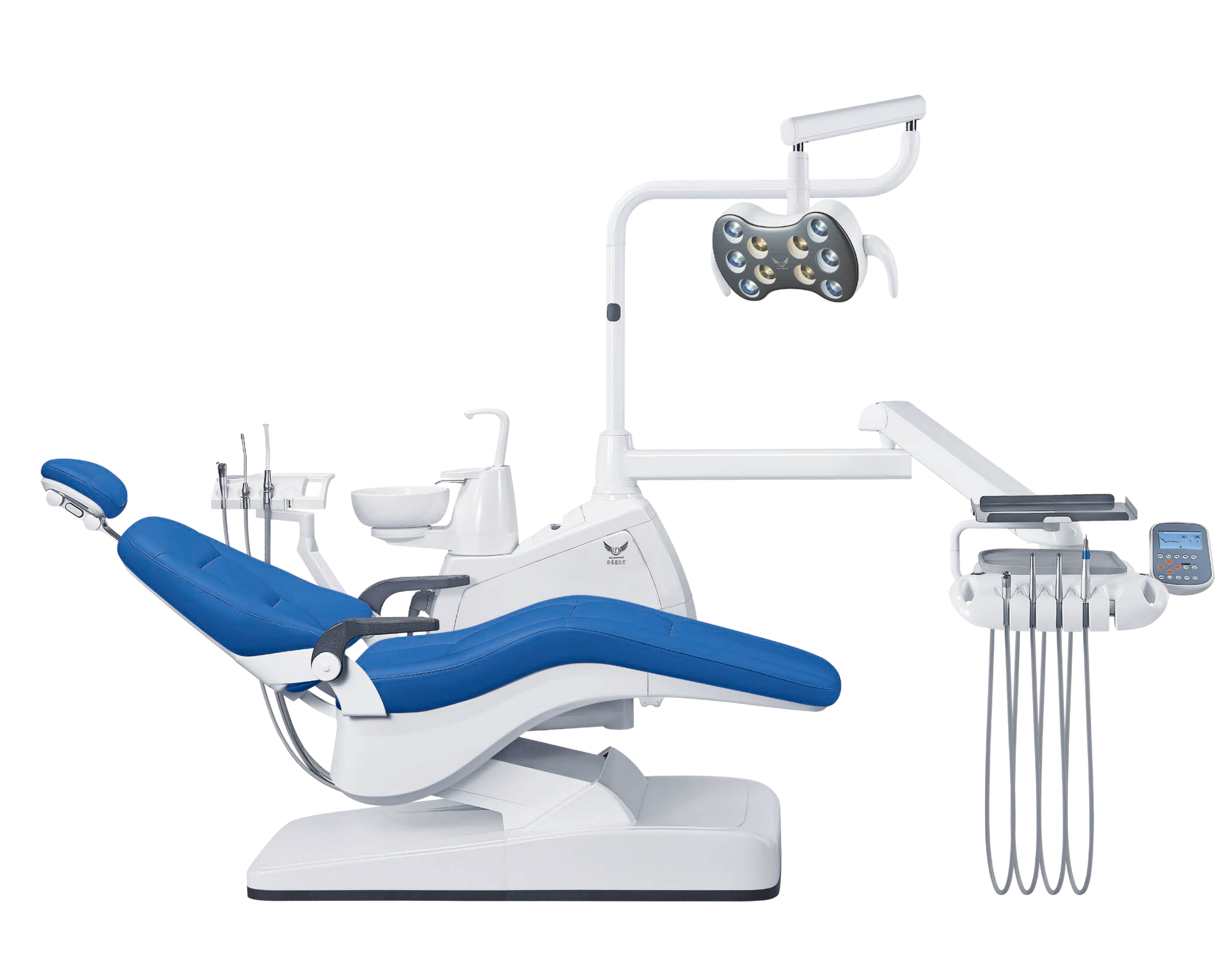
Selecting the right dental chair for your clinic is one of the most significant investment decisions you will make. A dental chair represents not only a substantial financial commitment but also directly impacts patient comfort, staff efficiency, and clinical outcomes. When evaluating different dental chair options, understanding how to systematically compare models ensures you invest in equipment that truly meets your clinic's operational needs and patient care standards. This comprehensive guide walks you through the essential comparison criteria that will help you make an informed dental chair purchasing decision.
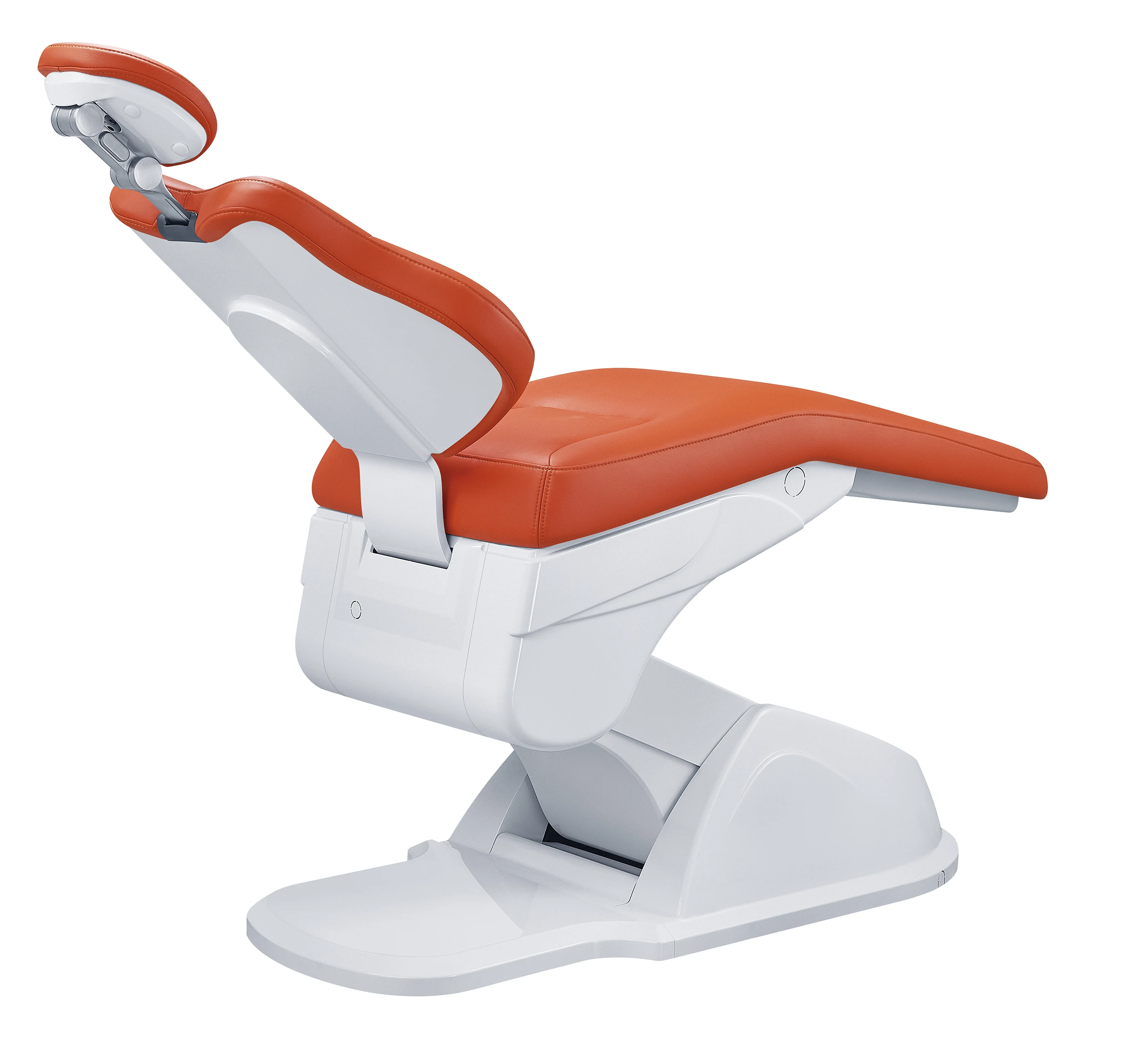
The process of comparing dental chair models requires evaluating multiple dimensions simultaneously, from technical specifications to long-term operational considerations. Each dental chair model carries distinct advantages and limitations depending on your clinic's size, patient volume, and clinical specializations. By establishing a structured evaluation framework, you can objectively assess which dental chair aligns with your practice's unique requirements and financial parameters.
Evaluating Ergonomic Design and Operator Comfort
Seat Height and Positioning Range
Ergonomic design is foundational to any dental chair comparison. The dental chair must accommodate operators of varying heights and physical needs while maintaining proper clinical posture. A quality dental chair should offer a wide height adjustment range, typically from 17 to 21 inches from floor to seat surface, allowing dentists and hygienists to position themselves optimally relative to the patient's oral cavity. Headrest adjustability is equally critical—the dental chair's headrest should move independently, allowing precise patient positioning without compromising operator visibility or access.
Armrest Configuration and Accessibility
When comparing dental chair models, examine the armrest positioning and movement capabilities. The dental chair should feature armrests that swing away or fold down completely to allow easy patient entry and exit. Some dental chair designs include adjustable armrests that can be modified for patient size variation, which proves especially valuable in pediatric or specialized practices. The dental chair's armrest placement should not obstruct instrument access or the operator's working position during extended procedures.
Assessing Clinical Performance Features
Suction System and Operational Reliability
The dental chair's integrated suction system represents a critical operational component that directly affects clinical efficiency. When comparing dental chair options, evaluate whether the model features high-volume suction capability, typically rated at 85 decibels or lower for patient comfort. A dental chair with dual suction channels provides flexibility for simultaneous assistant and operator suction access. Additionally, examine the dental chair's suction hose routing and quick-disconnect mechanisms—these design elements reduce setup time and minimize cross-contamination risks during patient transitions.
Delivery System Integration and Hand Instrument Access
Modern dental chair models integrate complex delivery systems that require careful evaluation. The dental chair's instrument delivery arm should rotate smoothly and position intuitively within the operator's working zone. Compare whether the dental chair offers left-hand or right-hand delivery configurations, or ambidextrous designs that accommodate both. The dental chair's delivery system should include quick-connect couplings for high-speed and low-speed handpieces, with minimal pressure loss and reliable water-line connections. Examine maintenance accessibility—a dental chair with accessible water-line filters and simple disassembly procedures reduces downtime and service costs.
Comparing Durability, Maintenance, and Total Cost of Ownership
Frame Construction and Material Quality
Long-term value depends critically on the dental chair's construction quality and material selection. When comparing dental chair models, assess the frame material—modern dental chair units typically use welded steel or reinforced aluminum bases designed to withstand daily clinical stress. Examine the dental chair's upholstery material, preferably medical-grade vinyl or synthetic leather that resists staining, withstands repeated cleaning with antimicrobial agents, and maintains appearance over years of use. A dental chair with sealed hydraulic systems and protected electronic components demonstrates superior durability and reduced repair frequency.
Maintenance Requirements and Service Accessibility
Different dental chair models impose varying maintenance burdens and service costs. Compare the dental chair's replacement part availability, typical maintenance intervals, and warranty coverage terms. Some dental chair manufacturers provide readily available components and straightforward replacement procedures, while others require specialized technician intervention for routine maintenance. Evaluate the dental chair's water-line management system—models with automatic purge cycles and anti-siphon valves reduce biofilm accumulation and associated maintenance. Request detailed maintenance schedules for each dental chair model you consider, then project three-year and five-year ownership costs including routine service, component replacement, and potential downtime expenses.
FAQ
What specific features should I prioritize when comparing dental chair models for my clinic?
Prioritize based on your clinic's primary use case. For general practices handling diverse procedures, focus on a dental chair with excellent ergonomic adjustability, reliable delivery system integration, and comprehensive warranty coverage. For surgical or specialist practices, emphasize the dental chair's headrest stability, precise positioning repeatability, and accessory mounting capabilities. For high-volume clinics, prioritize a dental chair with rapid patient transfer mechanics, durable upholstery, and rapid-cycle disinfection compatibility. Every dental chair model involves trade-offs, so list your non-negotiable requirements first, then evaluate which dental chair models meet those criteria within your budget.
How can I assess whether a dental chair's maintenance costs are reasonable?
Request detailed maintenance documentation directly from each dental chair manufacturer. Compare the dental chair's warranty duration and what components are covered, typical service intervals, and average repair costs based on five-year projections. Contact existing users of the dental chair model—ask about actual maintenance experiences, unexpected failures, and service satisfaction. A dental chair with transparent maintenance information and strong user reviews typically indicates reasonable long-term costs. Some dental chair manufacturers offer extended warranties or service packages that can reduce uncertainty about future maintenance expenses.
Should I prioritize the lowest-priced dental chair or invest in a premium model?
Calculate total cost of ownership rather than comparing purchase prices alone. A lower-priced dental chair might require expensive repairs or replacement components within three to five years, while a premium dental chair with proven durability and readily available parts may deliver superior long-term value. Consider your clinic's patient volume—high-volume practices justify premium dental chair investment due to increased component wear. Evaluate each dental chair's track record through independent user reviews and industry resources. The optimal dental chair balances your immediate budget constraints with realistic long-term ownership costs and clinical performance expectations.