
 EN
EN
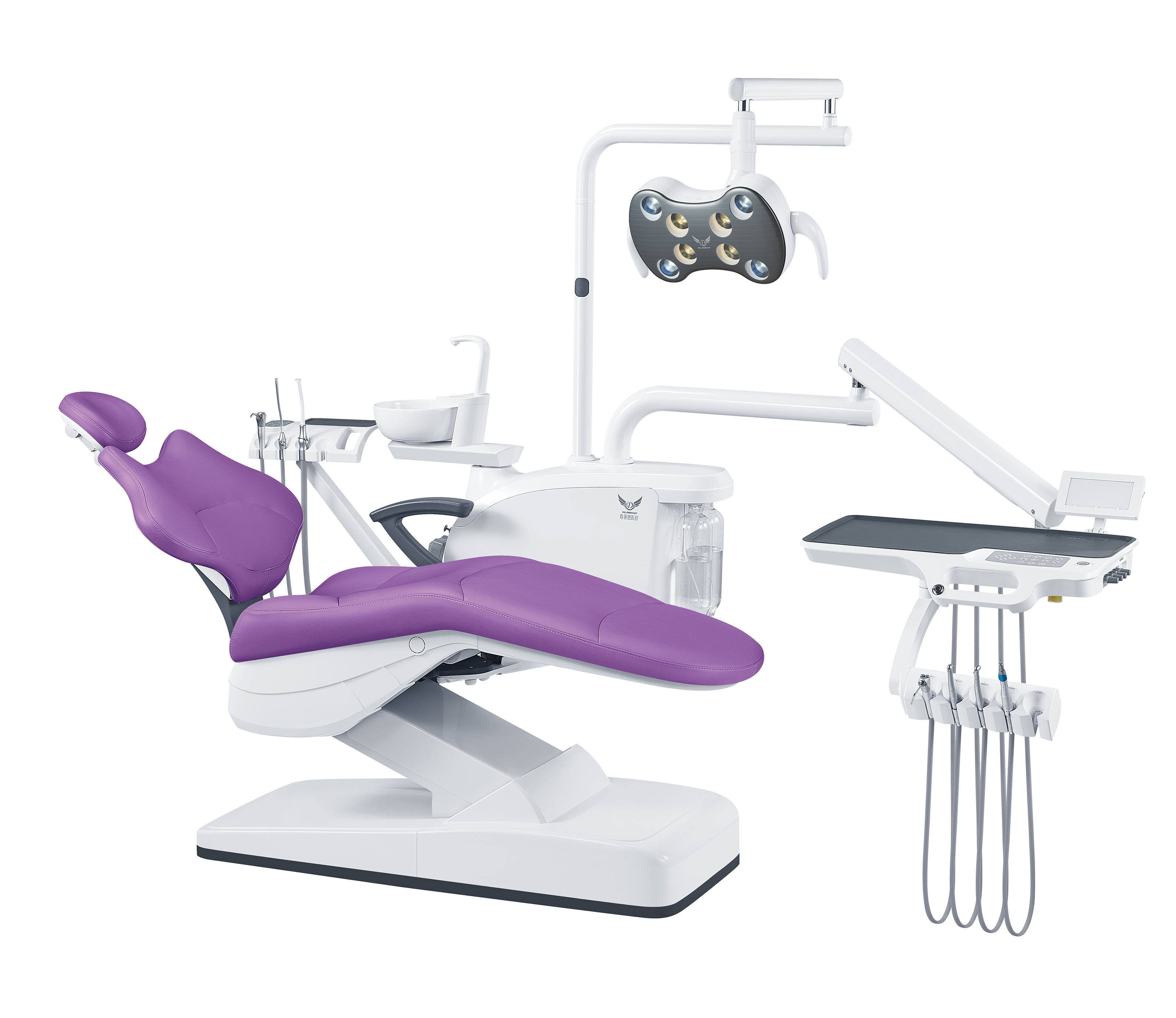
Selecting the right dental chair is one of the most important decisions a dental practice can make. A quality dental chair directly impacts your clinical efficiency, patient comfort, and long-term physical health as a dentist. However, not all dental chairs are created equal, and understanding which ergonomic features truly matter will help you invest wisely. The dental chair you choose should support proper posture, reduce strain during long procedures, and enhance your ability to deliver excellent patient care. This guide explores the ergonomic features that separate exceptional dental chairs from mediocre options.
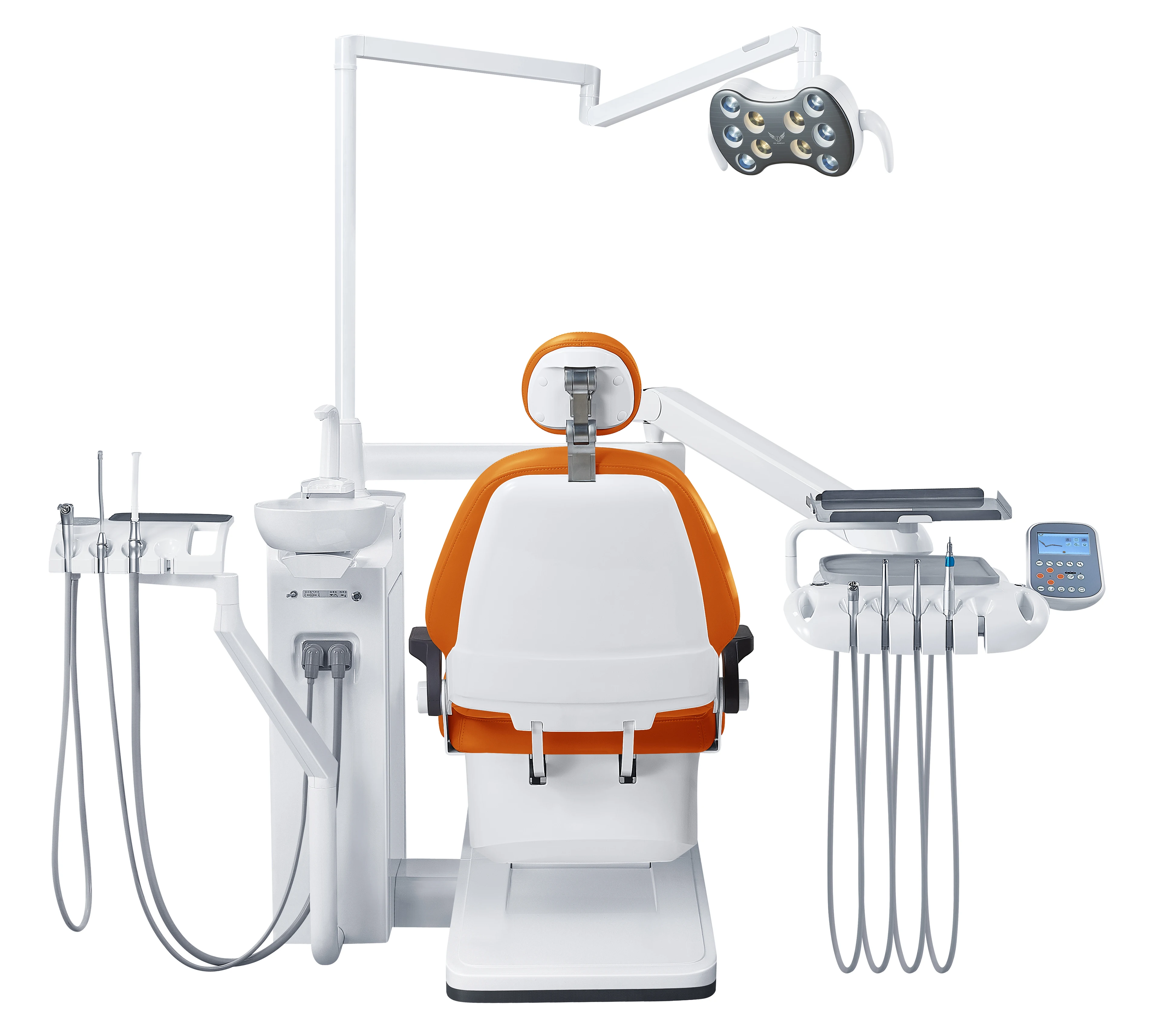
The ergonomic design of your dental chair affects more than just your comfort during the workday. Poor ergonomic support in a dental chair can lead to chronic back pain, neck strain, and repetitive stress injuries that compromise your career longevity. Modern dental chair technology now incorporates advanced features specifically engineered to address these concerns. By understanding what makes a dental chair ergonomically sound, you can evaluate options more critically and select equipment that truly meets your clinical needs.
Seat Design and Lumbar Support
Adjustable Lumbar Curves for Proper Spinal Alignment
The lumbar region of your spine bears significant load during dental procedures, making lumbar support in a dental chair absolutely critical. A quality dental chair offers adjustable lumbar support that conforms to your natural spinal curve rather than forcing you into an unnatural position. The best dental chair models allow you to customize the lumbar depth and height independently, ensuring the support aligns precisely with your lower back anatomy. This feature prevents forward slouching, which is a primary cause of disc stress and chronic pain among dental professionals. When evaluating a dental chair, test whether the lumbar support can be easily adjusted to match your unique body contours.
Seat Cushion Density and Pressure Distribution
The seat cushion of a dental chair must balance firmness with comfort to distribute pressure evenly across your sit bones. High-density foam that is too rigid can create pressure points, while cushions that are too soft collapse under weight and fail to provide stable support. An ideal dental chair features medium-density, memory-responsive cushioning that maintains its shape throughout the workday while reducing localized pressure. The seat should be wide enough to accommodate natural hip positioning without restricting blood flow. Many modern dental chair designs now include waterproof, antimicrobial covering that maintains hygiene while preserving cushion integrity over years of clinical use.
Armrest and Backrest Functionality
Independently Adjustable Armrests for Proper Arm Positioning
Your arms and shoulders can accumulate significant tension during prolonged dental procedures, making armrest design in a dental chair essential for stress reduction. The most ergonomic dental chair features armrests that adjust independently in height, width, and angle, allowing you to position them to support your forearms without forcing your shoulders upward. When armrests are too high, they cause shoulder elevation and trapezius strain; when too low, they force excessive reach and create rotator cuff tension. Quality dental chair armrests should support your arms at elbow height while your shoulders remain relaxed and neutral. Test whether the armrests can be easily removed or rotated outward for patient access without compromising your seated positioning.
Synchronized Backrest and Seat Angle Coordination
A dental chair that moves the backrest and seat independently often creates uncomfortable lumbar gaps and forces awkward posturing. The superior ergonomic dental chair synchronizes backrest and seat movement so they maintain proper spinal alignment throughout recline and upright transitions. This synchronized motion in a dental chair prevents the common problem where the backrest reclines while the seat stays fixed, creating a kink at your lower back. The backrest should offer adequate lateral support to prevent side-to-side shifting during procedures. Premium dental chair models include memory settings that save your preferred recline angle and seat height, eliminating the need for constant readjustment between patients.
Headrest Design and Neck Support
Contoured Headrest with Adjustable Height and Depth
Your neck endures constant micro-movements and positioning demands during clinical work, making headrest quality in a dental chair a major factor in long-term comfort. An ergonomic dental chair provides a contoured headrest that supports the natural curve of your cervical spine rather than forcing your head into a flat or hyperextended position. The headrest should be adjustable in height so it properly cradles your skull without forcing your chin down or your head back unnaturally. Depth adjustment is equally important, allowing the headrest to move forward or backward to match your seated position. A dental chair with these adjustable headrest features significantly reduces neck fatigue and tension headaches that often result from poor cervical support.
Material Selection and Hygiene Considerations
The headrest material of your dental chair must withstand daily disinfection while maintaining comfort and support characteristics. Leather or vinyl-covered headrests in a dental chair are ideal because they resist moisture and sanitizing agents while providing good tactile comfort. The underlying cushioning should be firm enough to support your head without compressing excessively under repeated use. Removable or replaceable headrest covers are valuable features that extend the lifespan of the dental chair while ensuring consistent hygiene standards. Some modern dental chair headrests now incorporate memory foam technology that conforms to your head shape while resisting permanent compression, maintaining optimal support year after year.
Weight Distribution and Sitting Posture Support
Proper Seat Height and Distance to Patient
Correct sitting height relative to your patient is foundational to ergonomic positioning, and your dental chair must offer sufficient height range to accommodate various clinical scenarios. The ideal dental chair allows your forearms to be parallel to the floor when working in the patient's mouth, preventing excessive shoulder elevation or downward reaching. Seat height should be easily adjustable during the workday without complex mechanical adjustments or tools. A pneumatic or motorized dental chair height system provides smooth, responsive adjustments that let you fine-tune positioning instantly. When you sit too high, you create shoulder and neck strain; sitting too low forces forward head posture and lumbar compression.
Footrest Design for Postural Stability
A dental chair footrest that is too narrow, poorly angled, or positioned incorrectly can actually destabilize your posture rather than support it. The optimal dental chair footrest provides a stable platform positioned so your feet rest naturally with knees at approximately ninety degrees. Footrests should be wide enough to distribute pressure evenly across your feet without creating edge pressure points. Some advanced dental chair models feature adjustable footrest angles that accommodate different leg lengths and seated preferences. A proper dental chair footrest reduces the temptation to cross your legs or swing your feet, which can disrupt spinal alignment and create asymmetrical muscle tension over time.
Frequently Asked Questions
What specific measurements should I look for when testing dental chair ergonomics?
When evaluating a dental chair for your practice, measure the range of seat height adjustment, backrest recline angles, armrest adjustment capabilities, and headrest positioning options. The best dental chair typically offers seat height range of at least eight to ten inches, backrest recline of sixty to ninety degrees, and armrests that adjust at least six inches vertically. These measurements ensure the dental chair can accommodate different operator body types and clinical preferences. Always physically sit in the dental chair and adjust features to your exact comfort specifications before purchase, as specifications alone cannot capture how the dental chair feels during extended use.
How often should I adjust my dental chair settings during the workday?
An ergonomic dental chair should require minimal adjustment once you establish your ideal settings, though slight modifications between patients may improve comfort. The best dental chair includes memory presets that restore your preferred configuration instantly, eliminating time-consuming manual readjustment. Most dentists benefit from one primary setting for routine procedures and perhaps one alternative for complex cases requiring different positioning. If you find yourself constantly adjusting your dental chair throughout the day, this usually indicates that the chair itself is not providing adequate postural support or that your initial settings were not optimized. Consistent discomfort despite frequent adjustments suggests you may need a different dental chair model better suited to your body mechanics.
Can a high-quality dental chair prevent occupational injuries?
While a dental chair alone cannot prevent all occupational injuries, choosing a properly ergonomic dental chair significantly reduces your risk of developing chronic musculoskeletal problems. The dental chair is one component of overall ergonomic practice that also includes proper patient positioning, instrument placement, and regular movement breaks. A dental chair with excellent ergonomic features supports good posture naturally, reducing the muscular compensation patterns that lead to injury over time. Combined with proper technique and workplace habits, an excellent dental chair helps ensure that your career can be comfortable and injury-free for decades. Investing in a quality dental chair should be viewed as a long-term investment in your professional health and career sustainability.