
 EN
EN
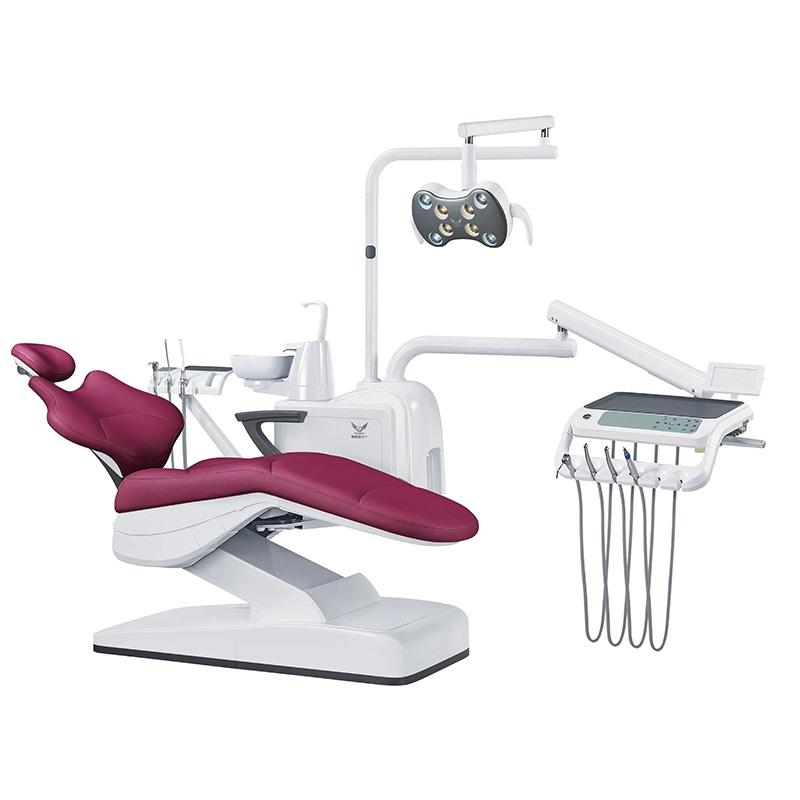
Selecting the right dental chair represents one of the most significant capital investments for large dental practices. A quality dental chair directly impacts patient comfort, clinical efficiency, and long-term operational costs. For practices managing multiple operatories, the dental chair must deliver exceptional durability, ergonomic design, and reliable performance across high patient volumes. Understanding how to evaluate dental chair value ensures your practice maximizes return on investment while maintaining clinical excellence and staff satisfaction.
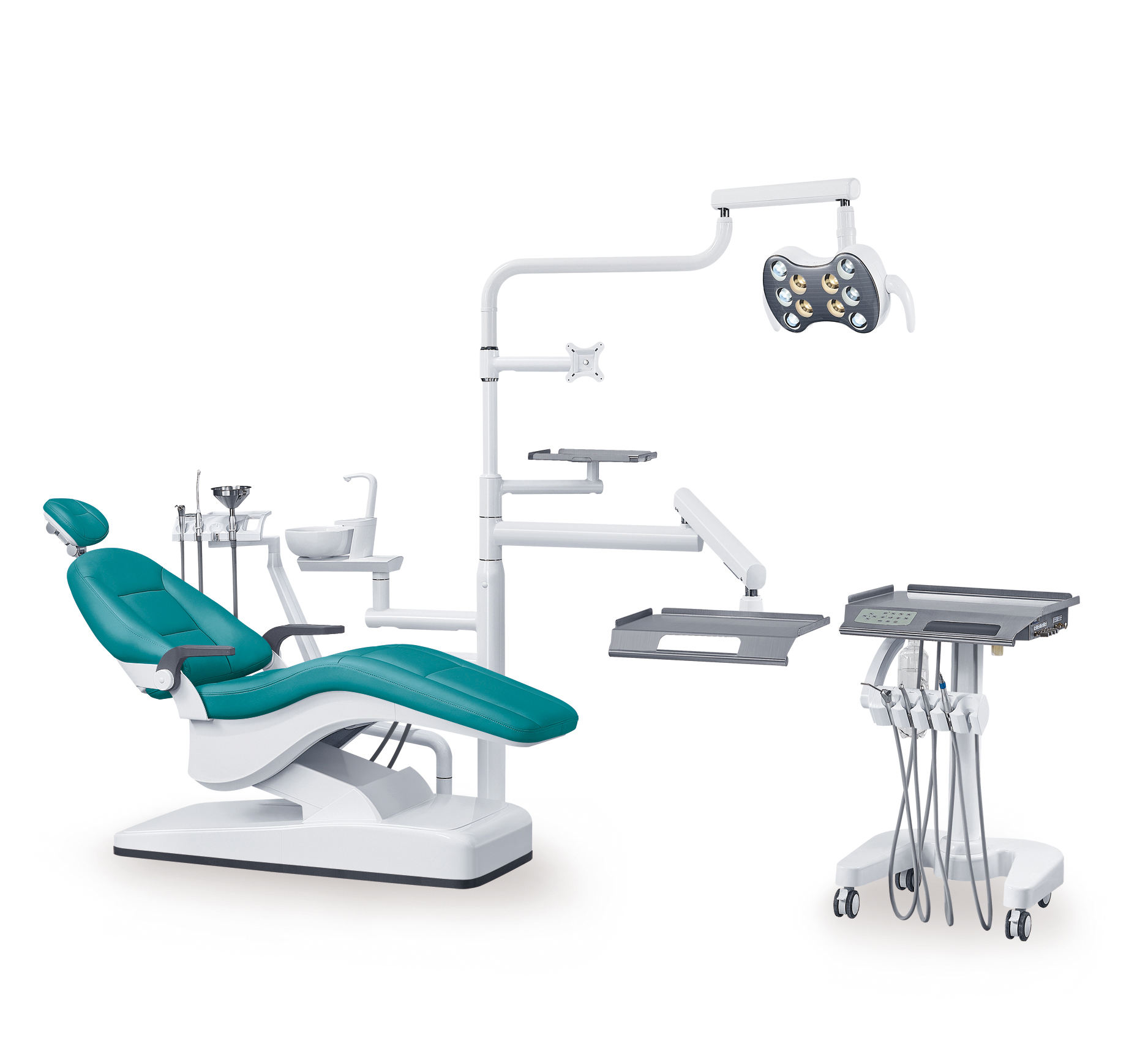
For large dental practices, a dental chair is not simply a patient seating solution; it is a clinical workstation that must accommodate extended daily use, support diverse treatment modalities, and maintain precision positioning throughout its lifespan. Practices with multiple treatment rooms face unique demands, as each dental chair must perform consistently across numerous patients and operators. The best value dental chair combines premium construction, advanced ergonomic features, intuitive controls, and substantial load capacity to serve high-volume clinical environments effectively.
Evaluating Durability and Load Capacity in Dental Chairs
Why Load Capacity Matters for Large Practices
Load capacity is a critical specification that directly reflects a dental chair's structural integrity and longevity. A dental chair engineered for high-weight applications demonstrates superior manufacturing standards and component quality. For large practices managing diverse patient populations, selecting a dental chair with robust load capacity ensures reliability across all treatment scenarios. A dental chair capable of supporting 1000 kg or more offers substantial safety margins and signals investment-grade construction that resists premature wear and component failure.
Construction Materials and Frame Design
Premium dental chair models utilize reinforced hydraulic systems, high-grade steel frameworks, and precision-engineered mechanisms to achieve superior load ratings. The hydraulic system within a dental chair must deliver smooth, responsive adjustments without fluid leakage or pressure inconsistencies. Large practices benefit from dental chair designs that incorporate redundant safety features, sealed bearings, and corrosion-resistant components. These engineering investments directly reduce maintenance frequency, minimize unplanned downtime, and extend the effective lifespan of your dental chair fleet.
Ergonomic Design and Operator Efficiency
Operator Comfort and Clinical Precision
Ergonomic positioning within a dental chair directly affects clinician productivity, patient safety, and long-term staff health outcomes. A dental chair that provides seamless adjustments in height, backrest angle, and seat tilt enables operators to achieve optimal working posture throughout extended clinical sessions. For large practices with multiple clinicians, a dental chair featuring responsive controls and smooth mechanical movement reduces operator fatigue and increases treatment efficiency. Ergonomic excellence in your dental chair selection translates to improved clinical outcomes and reduced worker compensation claims across your entire practice.
Patient Positioning and Treatment Access
Patient comfort directly influences compliance, treatment acceptance, and practice reputation. A well-designed dental chair accommodates varied patient sizes, body types, and mobility limitations while providing supportive cushioning and stable positioning. The dental chair must offer unrestricted access to all oral quadrants, enabling clinicians to execute procedures with precision and efficiency. Advanced dental chair models provide motorized positioning, memory presets, and synchronized light and handpiece delivery systems that streamline workflows and enhance treatment quality across high-volume practices.
Cost of Ownership and Long-Term Value
Initial Investment Versus Operational Expenses
Evaluating dental chair value requires examining total cost of ownership rather than purchase price alone. A premium dental chair may command higher upfront expenditure but delivers superior reliability, reduced repair frequency, and extended service intervals. For large practices, calculating the per-patient cost over the dental chair's expected lifespan reveals true value metrics. A durable dental chair that performs reliably across five to ten years of intensive clinical use significantly outperforms cheaper alternatives requiring frequent repairs, component replacements, and eventual premature retirement.
Warranty Coverage and Manufacturer Support
Comprehensive warranty protection and responsive manufacturer support differentiate genuine value investments in dental chairs. Top-tier dental chair manufacturers offer extended warranties, lifetime support options, and readily available replacement parts that protect your operational continuity. For large practices investing in multiple units, establishing direct relationships with reputable dental chair providers ensures priority service access and favorable repair terms. A dental chair backed by strong manufacturer commitment and documented quality standards provides confidence that your investment will deliver consistent performance and justify its capital allocation.
Maintenance Requirements and Parts Availability
Operational efficiency depends on minimizing unplanned downtime and maintaining predictable maintenance costs. Quality dental chair models incorporate sealed hydraulic systems, low-wear bearing assemblies, and robust electrical components that reduce service demands. A dental chair with readily available parts, simplified maintenance procedures, and transparent cost structures enables practices to budget accurately and manage service effectively. Selecting a dental chair from manufacturers with established distribution networks and documented service records protects your operational continuity and prevents costly emergency repairs that disrupt patient scheduling.
FAQ
What specifications should large practices prioritize when selecting a dental chair?
Large practices should prioritize load capacity, hydraulic system reliability, ergonomic positioning flexibility, and comprehensive warranty coverage. A dental chair with at least 1000 kg load capacity demonstrates robust engineering suitable for high-volume clinical environments. Ergonomic features including smooth height adjustment, responsive backrest mechanics, and intuitive operator controls enhance both clinician satisfaction and treatment precision. Warranty terms extending five years or longer, combined with manufacturer support guarantees, protect your investment and ensure long-term operational reliability across multiple treatment rooms.
How does a dental chair impact patient satisfaction and clinical outcomes?
A dental chair directly influences patient comfort, clinician precision, and treatment success rates. Patients experience reduced anxiety when seated in supportive, ergonomic dental chairs that provide comfortable positioning throughout extended procedures. For clinicians, a dental chair offering precise positioning, smooth adjustments, and unrestricted access enables superior treatment execution and more efficient workflows. The combined effect of patient comfort and clinical efficiency elevates practice reputation, increases treatment acceptance rates, and strengthens patient retention across your multi-operatory facility.
What should practices evaluate regarding dental chair durability for high-volume use?
Evaluate hydraulic system construction, frame materials, bearing assemblies, and electrical component quality when assessing dental chair durability. A dental chair engineered for sustained high-volume use incorporates sealed hydraulic systems preventing fluid leakage, reinforced steel frameworks resisting structural fatigue, and precision bearings minimizing mechanical wear. Request documentation of materials specifications, load testing results, and expected lifespan under intensive daily use. A dental chair backed by manufacturer data demonstrating performance reliability under high-patient-volume conditions provides confidence that your investment will deliver consistent value across years of demanding clinical service.