
 EN
EN
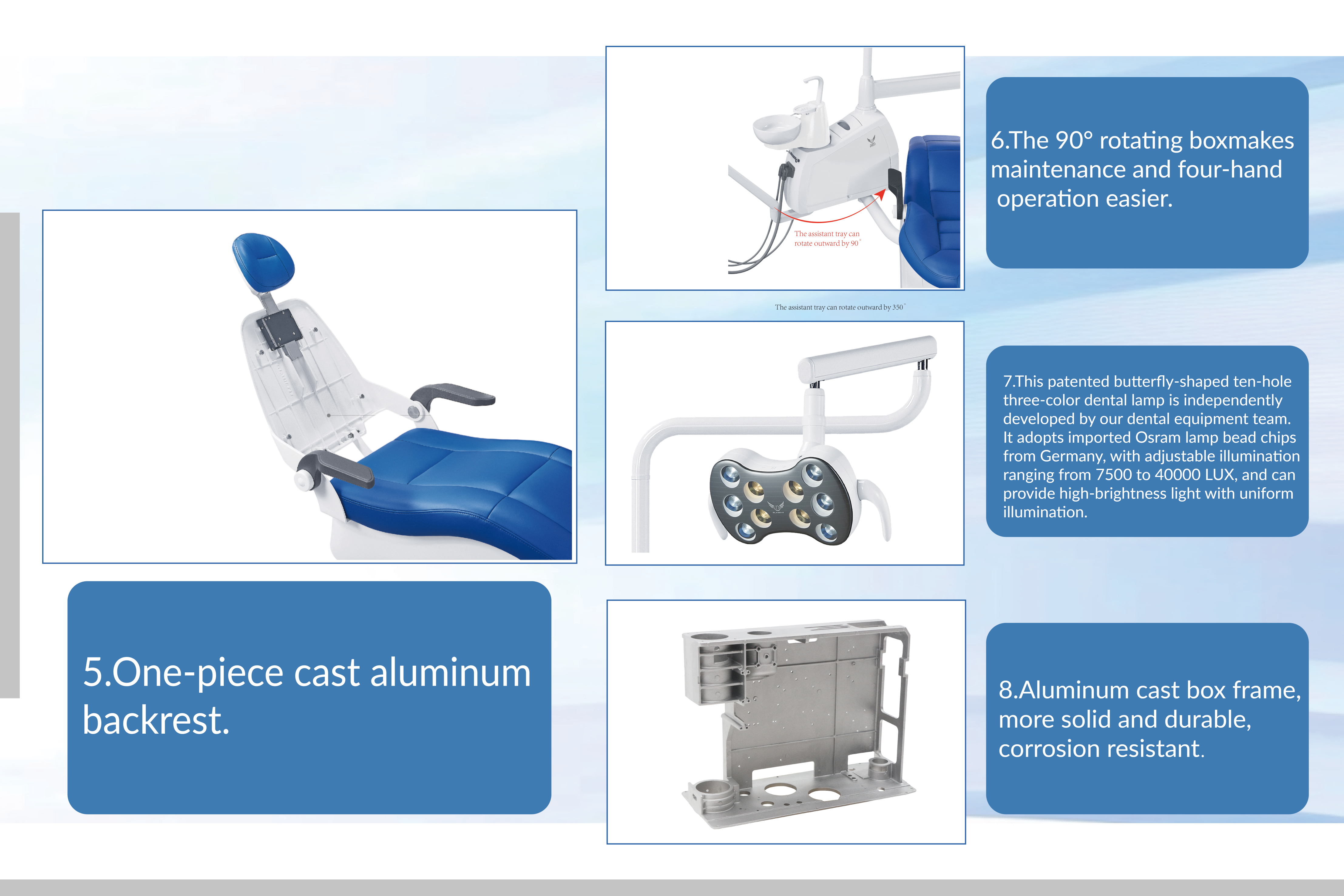
Selecting the right dental equipment supplier is one of the most critical decisions a clinic can make. A reliable supplier ensures that your practice receives high-quality dental chairs, sterilization systems, imaging equipment, and other essential tools that form the backbone of daily operations. When clinics choose a dental equipment supplier, they are making an investment that will impact patient care, staff productivity, and long-term operational costs. The quality of your dental chair directly influences patient comfort, clinical outcomes, and treatment efficiency, making supplier selection far more than a simple purchasing transaction.
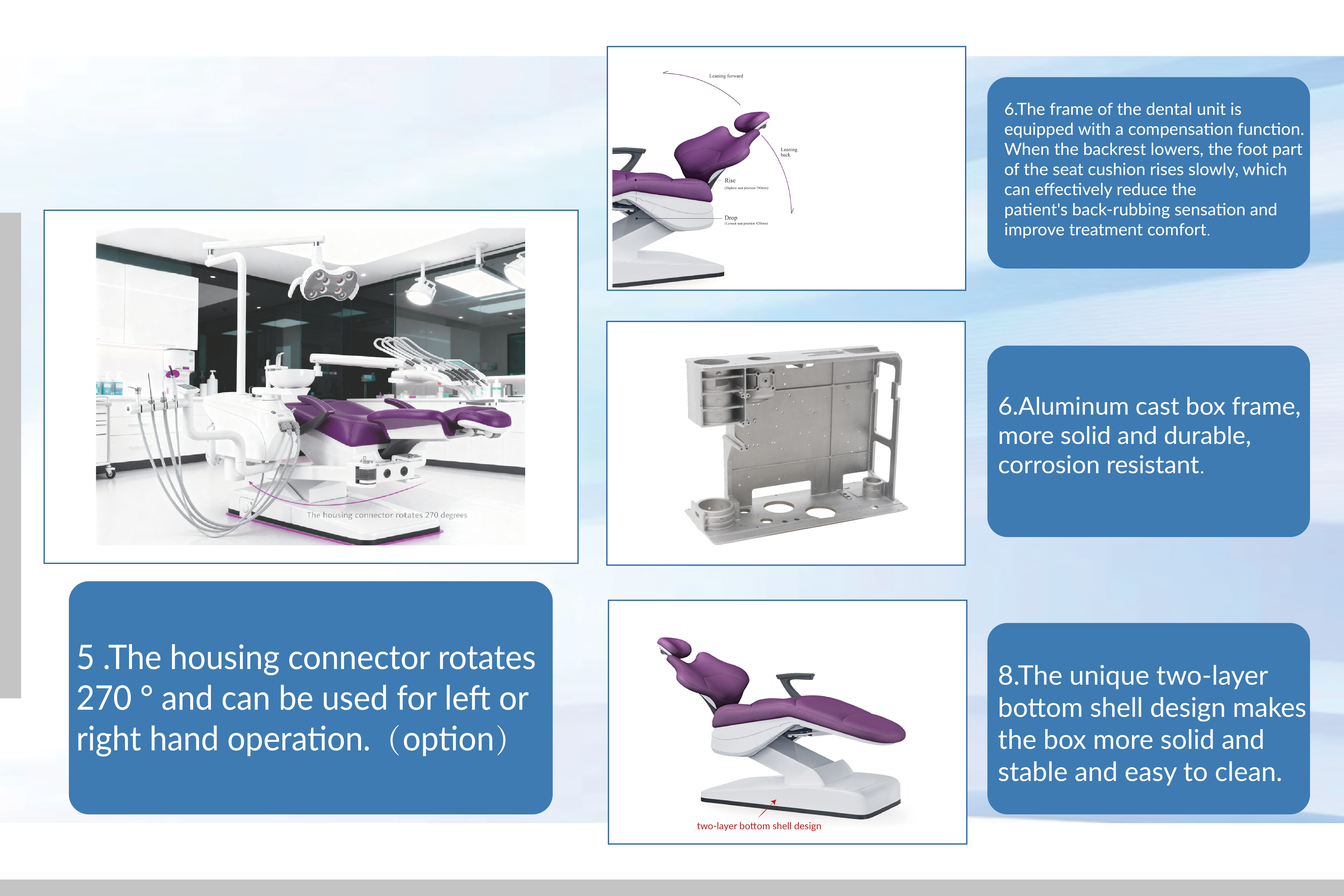
Clinics operate in a competitive healthcare environment where every operational efficiency matters. A dental chair that breaks down frequently or lacks proper ergonomic design creates cascading problems—delayed appointments, frustrated patients, and increased maintenance costs. This reality explains why successful clinics invest significant time in evaluating suppliers before committing to a partnership. Understanding the factors that distinguish reliable suppliers from mediocre ones empowers clinic administrators and practice owners to make informed decisions that protect their investment and enhance patient experiences.
Assessing Product Quality and Technical Specifications
Understanding Core Equipment Standards
Every dental chair and related equipment must meet rigorous safety and performance standards. When clinics choose a dental equipment supplier, they need confirmation that products comply with ISO standards, FDA regulations, and regional health requirements. A reliable supplier provides transparent documentation about certifications, material composition, and quality assurance processes. The dental chair your clinic selects should demonstrate consistent performance across thousands of patient hours without degradation in functionality. Suppliers who openly share technical specifications, warranty details, and compliance certifications signal confidence in their products and commitment to clinic safety.
Evaluating Durability and Design Innovation
Dental chairs represent significant capital investments that should deliver reliable service for seven to twelve years or longer. Clinics need suppliers who use durable materials, implement proven mechanical designs, and incorporate modern ergonomic principles. A dental chair purchased from a reputable supplier should feature smooth hydraulic systems, responsive foot controls, and adjustable headrests that accommodate patient variations. Advanced suppliers integrate innovative materials that resist staining, withstand constant disinfection protocols, and maintain structural integrity through thousands of cycles. When evaluating a dental equipment supplier, request information about material sourcing, engineering testing protocols, and real-world performance data from similar clinics.
Evaluating Supplier Reliability and Support Services
Warranty Coverage and Technical Support
Comprehensive warranty programs differentiate reliable dental equipment suppliers from those cutting corners. When clinics choose a dental equipment supplier, the warranty structure reveals their confidence in product longevity and commitment to customer success. Superior suppliers offer multi-year warranties covering mechanical components, electrical systems, and upholstery, while providing expedited service response times. Technical support quality matters enormously—clinics need suppliers with trained technicians available for emergency repairs, routine maintenance, and system optimization. A reliable dental chair supplier maintains service availability during extended hours and responds to urgent issues within hours rather than days. Ask potential suppliers about average response times, technician qualifications, and spare parts availability before signing contracts.
Training and Implementation Support
Professional dental equipment suppliers recognize that new technology requires proper staff training to deliver maximum value. When clinics evaluate a dental equipment supplier, they should consider the training and onboarding support provided during installation. A dental chair involves not just equipment placement but comprehensive staff orientation covering adjustment procedures, maintenance protocols, patient positioning techniques, and troubleshooting basics. Excellent suppliers conduct in-person or detailed video training sessions, provide comprehensive user manuals in multiple languages, and offer ongoing phone support during the adjustment period. This proactive approach reduces setup problems, accelerates staff competency development, and helps clinics realize full operational benefits quickly.
Building Long-Term Partnerships and Assessing Business Stability
Supplier Company History and Market Presence
Clinics benefit from partnering with established dental equipment suppliers who have demonstrated sustained success and market credibility. A dental chair purchased from a supplier with decades of industry experience comes with built-in confidence about product reliability and service continuity. Established suppliers have proven business models, financial stability, and genuine commitments to customer retention because their reputation depends on consistent performance. Research a supplier's company history, customer testimonials, industry recognition, and geographic presence before making purchasing decisions. Smaller suppliers may offer attractive pricing but carry higher risks regarding business continuity, parts availability, and long-term support capabilities.
Pricing Transparency and Total Cost of Ownership
When clinics choose a dental equipment supplier, transparent pricing structures help ensure alignment between expectations and actual costs. Reliable suppliers clearly outline the base equipment cost, installation fees, training expenses, warranty coverage, and ongoing maintenance requirements upfront. Many clinics make purchasing errors by fixating on initial price without considering total cost of ownership over five to ten years. A dental chair purchased at the lowest upfront price may incur higher maintenance costs, require earlier replacement, or deliver inferior patient experiences that harm practice reputation. Smart clinics request itemized quotes from multiple suppliers, compare warranty coverage, calculate lifecycle costs, and assess which supplier offers the best value rather than just the lowest sticker price.
Evaluating Clinical Outcomes and User Experience Alignment
Patient Comfort and Clinical Functionality
The dental chair forms the physical foundation for successful clinical work, directly impacting both patient satisfaction and practitioner efficiency. When clinics choose a dental chair supplier, they must prioritize equipment that supports optimal patient positioning, maintains stability during procedures, and delivers intuitive controls. A well-designed dental chair reduces patient anxiety through smooth movements, comfortable positioning options, and intuitive armrests that make patients feel secure. Clinicians require chairs that provide unrestricted access to tooth surfaces, responsive positioning that adapts to different treatment scenarios, and ergonomic support that reduces practitioner fatigue during extended procedures. Request demonstration units or site visits to similar practices using the same dental chair model, allowing clinical staff to evaluate firsthand whether equipment supports your specific workflow.
Integration with Digital Practice Systems
Modern dental practices increasingly rely on integrated digital systems for patient records, imaging, and treatment planning. Forward-thinking dental equipment suppliers ensure their products integrate smoothly with popular practice management software, digital imaging systems, and communication platforms. A dental chair from a progressive supplier may include integrated sensors, networked controls, or compatibility features that enhance overall practice efficiency. When evaluating suppliers, ask about integration capabilities, software compatibility, and their roadmap for future digital enhancements. Suppliers who actively embrace digital dentistry trends and invest in system compatibility position clinics to benefit from ongoing technological advancement without equipment obsolescence concerns.
FAQ
What certifications should I verify when choosing a dental equipment supplier?
When selecting a dental equipment supplier, verify ISO 1396 compliance for dental chairs, FDA clearance for U.S. markets, and regional certifications like CE marking in Europe. Request documentation confirming adherence to infection control standards, material safety data sheets for all components, and warranty coverage specifics. Reputable suppliers readily provide comprehensive documentation and third-party testing results demonstrating compliance with international safety standards.
How important is local technical support when choosing a dental chair supplier?
Local or readily available technical support is critically important because dental equipment downtime directly impacts patient scheduling, revenue, and staff productivity. When clinics choose a dental equipment supplier, prioritize those with service centers in your geographic region, trained technicians available for emergency calls, and expedited repair capabilities. Even minor malfunctions in a dental chair can cascade into appointment delays and patient frustration, making responsive support essential for operational continuity and clinic reputation.
Should clinics prioritize lowest price when selecting a dental chair supplier?
No—lowest initial price often leads to higher total costs when you factor in maintenance frequency, warranty limitations, shorter equipment lifespan, and inferior clinical performance. When clinics choose a dental equipment supplier, evaluate complete lifecycle costs including installation, training, routine maintenance, expected replacement intervals, and warranty coverage. A dental chair priced modestly higher initially but backed by comprehensive warranties, excellent support, and proven durability typically delivers superior long-term value and contributes more meaningfully to practice success.