
 EN
EN
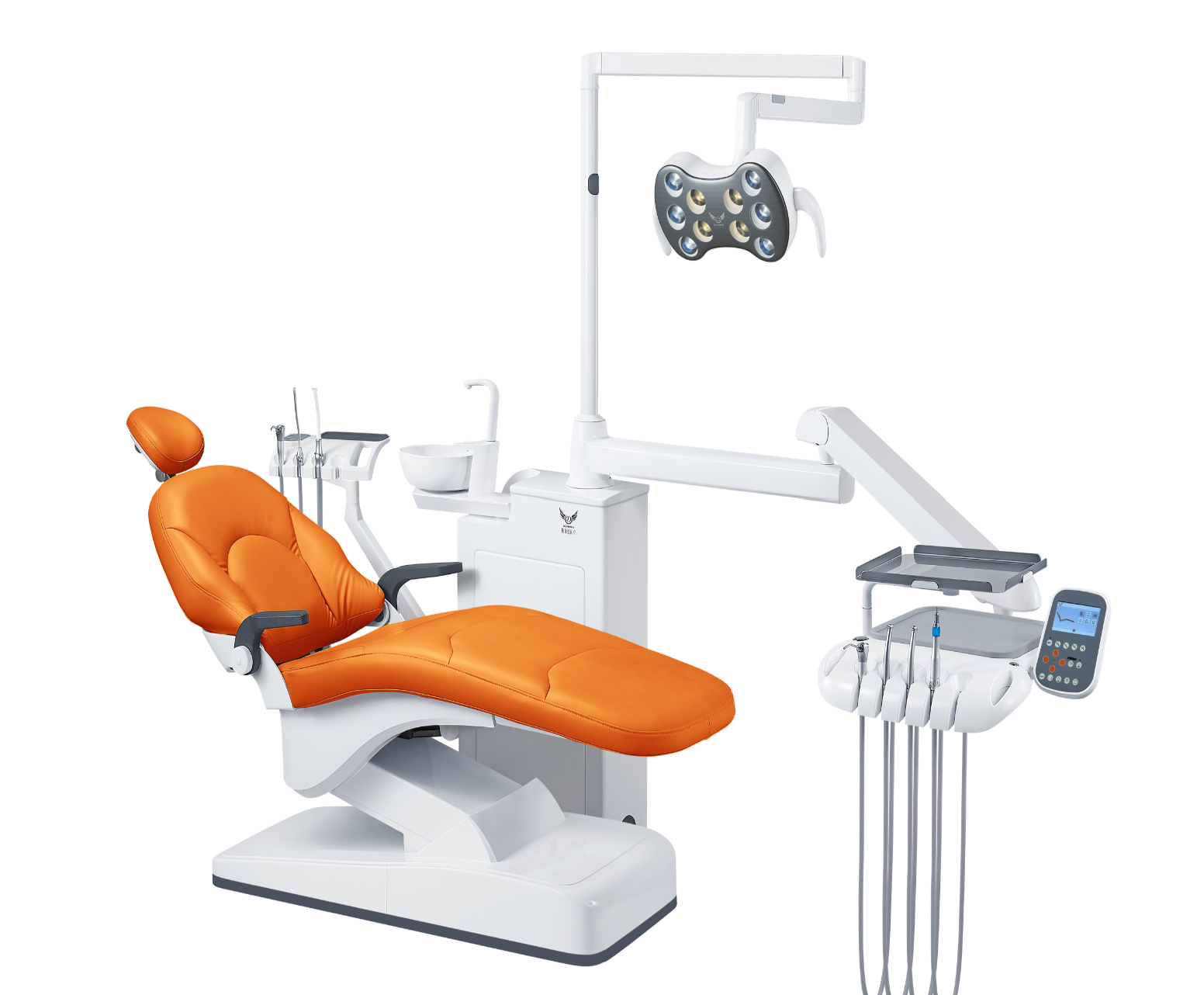
Modern dental practice demands equipment that goes beyond basic functionality. A dental chair represents one of the most critical investments in any dental facility, and today's technological advancements have fundamentally transformed how dental chairs operate and support clinical excellence. Technology integration has revolutionized the dental chair from a simple mechanical seat into a sophisticated system that enhances diagnostic accuracy, improves patient outcomes, and streamlines practice workflow. Understanding how these technological improvements enhance dental chair performance is essential for any dental professional looking to optimize their clinical environment and deliver superior patient care.
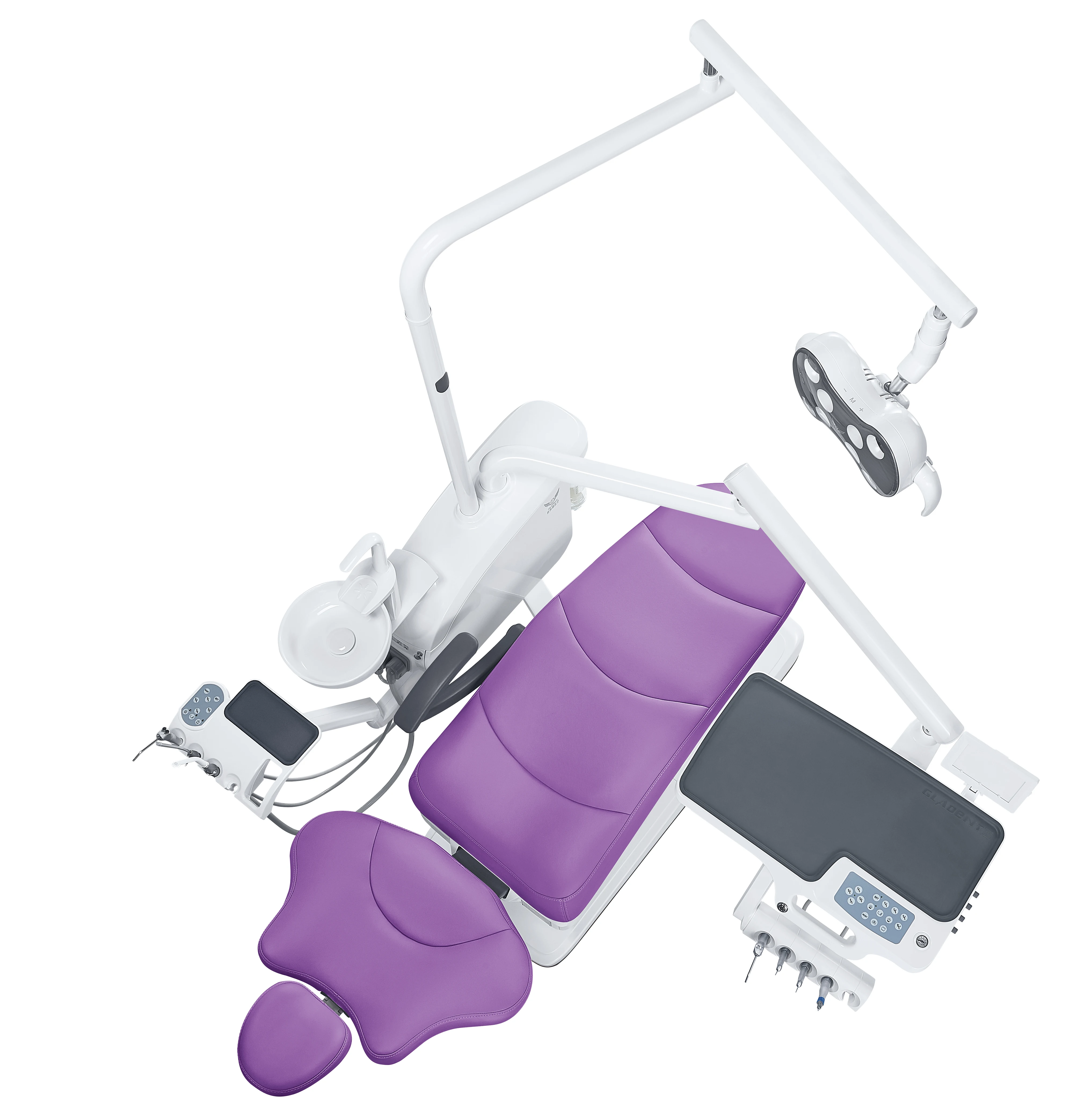
The integration of advanced technology into dental chair systems represents a significant shift in how modern dental practices operate. A dental chair equipped with cutting-edge technology offers dentists and hygienists unprecedented control over positioning, visibility, and patient comfort during procedures. This technological advancement directly impacts treatment quality, reduces practitioner fatigue, and creates a more pleasant experience for patients. The dental chair has evolved into a command center that coordinates multiple functions simultaneously, enabling practitioners to focus entirely on clinical care rather than equipment management.
Digital Positioning and Ergonomic Control Systems
Precision Motorized Positioning in Modern Dental Chairs
Technology integration enables the dental chair to incorporate motorized positioning systems that respond to digital controls with millimeter-level precision. A dental chair with computerized controls allows practitioners to memorize and recall patient positioning preferences, ensuring consistency across multiple appointments and different operatories. These systems eliminate manual adjustments, reducing the physical strain on dental professionals and improving their ability to maintain optimal working angles. The precision that technology brings to dental chair positioning directly correlates with improved access to treatment areas, better visibility, and more predictable clinical outcomes. Digital positioning also enables seamless transitions between different treatment phases without requiring manual repositioning.
Ergonomic Benefits Through Automated Adjustment
When technology is integrated into a dental chair, ergonomic features become programmable and adaptive rather than static. Practitioners can establish custom seating angles, backrest heights, and armrest positions that match their individual anatomy and preferred working posture. This customization capability means each team member can quickly configure the dental chair to their specifications, reducing musculoskeletal strain and improving long-term occupational health. The dental chair becomes a personalized workstation rather than a one-size-fits-all fixture, allowing practitioners to maintain proper spinal alignment throughout extended clinical sessions. Automated height adjustments also facilitate patient transfers and accommodate individuals with mobility limitations, enhancing accessibility and inclusivity in dental care delivery.
Integrated Lighting and Visualization Technology
Advanced LED Illumination Systems
Technology integration has transformed dental chair lighting from basic incandescent bulbs into sophisticated LED systems that provide optimal visibility and color accuracy. A dental chair equipped with advanced lighting technology delivers consistent illumination across the entire oral cavity, eliminating shadows and enabling precise identification of tooth discoloration, decay, and structural anomalies. LED systems in modern dental chairs generate minimal heat compared to older lighting technologies, creating a more comfortable environment for both patients and practitioners. The brightness and color temperature of integrated dental chair lighting can often be digitally adjusted to match specific diagnostic needs or patient comfort preferences. Enhanced visualization through improved lighting directly reduces diagnostic errors and supports more precise treatment planning and execution.
Integrated Camera and Digital Documentation
Modern technology allows dental chairs to serve as platforms for integrated intraoral cameras and imaging systems that capture high-resolution clinical photography during procedures. When technology is embedded into a dental chair's design, cameras can be mounted at ergonomic angles, capturing detailed images without requiring additional handheld equipment or extra positioning adjustments. A dental chair with integrated imaging capabilities enables real-time documentation of clinical findings, facilitating better patient communication and creating comprehensive treatment records. These systems support clinical research, quality assurance, and legal documentation while reducing interruptions to the treatment workflow. The dental chair transforms into a complete diagnostic and documentation station, consolidating multiple functions that previously required separate equipment and setup time.
Integrated Fluid Management and Infection Control
Automated Suction and Evacuation Systems
Technology integration enables dental chairs to incorporate automated fluid management systems that optimize suction efficiency and waste evacuation during procedures. A dental chair with computerized suction controls can adjust evacuation power based on procedure type, reducing patient discomfort from excessive suction while maintaining clear visibility of the treatment field. Integrated evacuation systems eliminate the need for separate handheld devices in many situations, allowing the dentist or hygienist to work with improved visibility and fewer distractions. Modern dental chair technology often includes automatic shutoff mechanisms that prevent unnecessary energy consumption and reduce cross-contamination risks. The seamless integration of fluid management into the dental chair architecture improves infection control protocols and streamlines clinical operations.
Automated Handpiece Connection and Power Delivery
Technology advancement has enabled dental chairs to feature automated connection systems for high-speed and low-speed handpieces, with integrated power delivery and cooling systems. A dental chair with these technological features eliminates fumbling with separate connections, reducing setup time and minimizing interruptions between treatment phases. The dental chair's integrated power system ensures consistent handpiece performance by delivering stable electrical current and optimal cooling water flow. Automated connections reduce the risk of handpiece damage from improper seating and enhance safety by preventing accidental disconnection during use. This technology integration significantly improves clinical efficiency while reducing equipment-related complications that can disrupt treatment schedules.
Patient Communication and Comfort Technology
Integrated Patient Entertainment and Communication Systems
Modern dental chair design incorporates technology platforms that enhance patient experience through entertainment options and two-way communication systems. A dental chair equipped with display screens or audio systems can provide distraction during procedures, significantly reducing patient anxiety and improving treatment acceptance. Technology integration enables the dental chair to include overhead ceiling-mounted displays or integrated armrest screens that patients can control, offering personalized entertainment or educational content about their treatment. Communication systems built into the dental chair allow practitioners to easily check in with patients during procedures without removing gloves or leaving their working position. These comfort-focused technological features improve patient satisfaction scores and encourage better compliance with recommended treatment plans.
Memory and Preset Configuration Management
Advanced dental chair technology includes memory systems that store patient-specific configurations, allowing the dental chair to automatically adjust to each individual's preferred positioning and settings. When a patient sits in a technology-enabled dental chair, the system can recall previous positioning preferences, lighting adjustments, and comfort settings from prior appointments. A dental chair with this predictive capability creates a personalized experience that builds patient confidence and reduces appointment anxiety. The technology also enables practitioners to document patient-specific positioning requirements, supporting consistency across different team members and operatories. This intelligent adaptation transforms the dental chair from a static piece of equipment into a responsive system that learns and accommodates individual preferences over time.
FAQ
How does technology integration reduce treatment time in a dental chair?
Technology integration reduces treatment time by automating positioning adjustments, eliminating manual setup procedures, and enabling seamless transitions between treatment phases. When a dental chair includes computerized controls and preset configurations, practitioners spend less time managing equipment and more time delivering clinical care. Integrated handpiece connections, automated suction optimization, and coordinated lighting all eliminate workflow interruptions that previously required separate adjustments. The cumulative effect of these technological improvements can reduce total chair time per appointment while maintaining or improving clinical quality and patient comfort throughout the procedure.
What infection control benefits come from technology-integrated dental chairs?
A dental chair with advanced technology includes automated fluid management systems, integrated handpiece connections, and self-cleaning protocols that enhance infection control compared to traditional dental chairs. Automated suction and evacuation reduce manual handling of contaminated materials, and integrated connection systems minimize accidental splashing or cross-contamination during handpiece changes. Modern dental chair technology often includes antimicrobial surfaces and automated flushing systems that reduce bacterial colonization between patients. Technology-integrated dental chairs simplify compliance with infection control protocols by automating critical steps and reducing opportunities for contamination during transitions between different treatment phases and patient appointments.
Can a technology-integrated dental chair improve patient communication and satisfaction?
Yes, technology integration significantly enhances patient communication and satisfaction through built-in display systems, two-way communication features, and personalized comfort settings. A dental chair equipped with entertainment screens or audio systems reduces patient anxiety and provides distraction during procedures, improving treatment acceptance and compliance. The technology enables practitioners to communicate with patients without leaving their working position, creating a more attentive and responsive clinical experience. Personalized preset configurations that recall individual preferences from previous appointments make patients feel valued and understood, directly contributing to higher satisfaction scores and stronger patient-provider relationships over time.