
 EN
EN
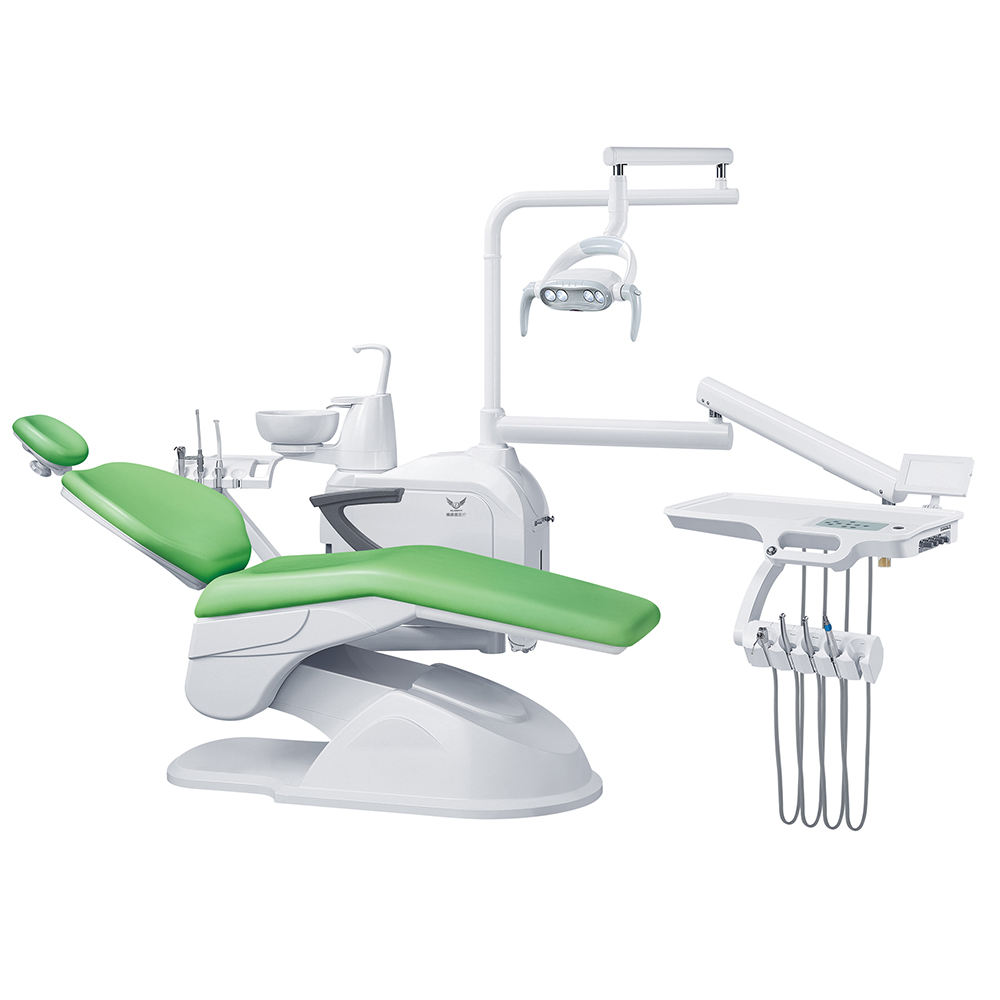
Purchasing a dental chair is one of the most significant investments any dental practice makes, yet many practitioners overlook the critical safety standards that should guide this decision. A dental chair serves as the foundation of your clinical environment, directly impacting both patient safety and operator ergonomics. Understanding which safety standards apply to your dental chair purchase ensures compliance with regulations, protects your staff from injury, and provides patients with confidence in your facility. This comprehensive guide explores the essential safety standards you must evaluate before committing to a dental chair investment.
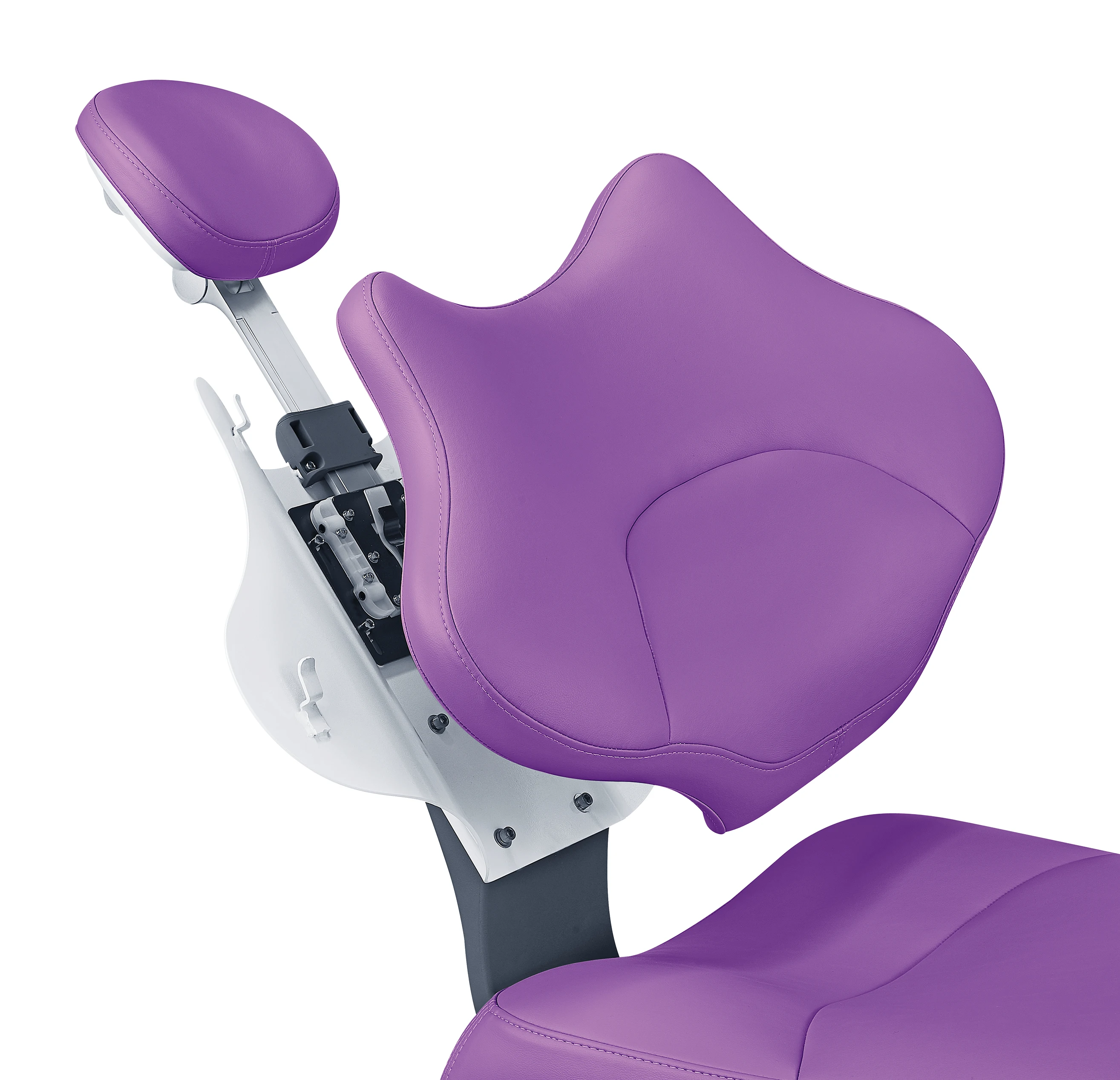
The dental chair market includes numerous manufacturers and models, but not all meet the rigorous safety benchmarks required for clinical practice. When evaluating a dental chair, you must verify that it complies with internationally recognized safety standards, including ISO certifications, national regulatory requirements, and industry-specific guidelines. These standards address structural integrity, electrical safety, ergonomic design, infection control capability, and patient positioning stability. A properly certified dental chair protects your practice from liability while ensuring optimal working conditions for your team.
Understanding ISO Standards for Dental Chairs
ISO 6875 Certification Requirements
ISO 6875 is the fundamental international standard governing dental chair design and performance. This standard specifies safety requirements, operational characteristics, and dimensions that every dental chair must meet. When selecting a dental chair, verification of ISO 6875 compliance is non-negotiable because this standard addresses critical safety factors including stability under load, electrical insulation properties, and mechanical robustness. A dental chair bearing the ISO 6875 mark indicates that the manufacturer has tested the unit for structural durability, ensuring it can safely support patients of varying weights and accommodate repetitive clinical use.
The ISO 6875 standard also establishes performance criteria for dental chair hydraulic and pneumatic systems. These specifications ensure that the dental chair's elevation, backrest adjustment, and patient positioning mechanisms function smoothly without sudden failures or drift. Testing procedures verify that a dental chair maintains stable positioning throughout the day and responds predictably to operator controls. This reliability is essential because unexpected movement during clinical procedures could injure patients or compromise treatment quality.
Additional ISO Standards for Complementary Equipment
Beyond the primary dental chair standard, related ISO standards address supporting components and accessories. ISO 1942 covers dental materials and devices, ensuring that cushioning materials, upholstery, and contact surfaces meet biocompatibility and durability requirements. When evaluating a dental chair, you should verify that all materials contacting patients comply with biocompatibility standards, reducing infection transmission risk and allergic reactions. A dental chair with certified materials protects vulnerable patient populations while extending the unit's service life.
ISO 3696 addresses water quality for dental equipment, which directly impacts the safety of the dental chair's integrated water delivery systems. Dental chairs typically include water connections for cooling and irrigation, and water quality standards prevent pathogen transmission and equipment contamination. Confirming that your dental chair model meets water quality and delivery safety standards protects both patients and staff from waterborne pathogens that could compromise clinical outcomes.
Electrical Safety and Regulatory Compliance
Electrical System Standards and Grounding Requirements
Electrical safety represents a critical aspect of dental chair evaluation that directly protects operators and patients from shock hazards. Your dental chair must comply with IEC (International Electrotechnical Commission) standards governing medical device electrical safety, including IEC 60601 for general requirements and IEC 60601-1-6 for usability and design standards. These standards mandate that electrical components within the dental chair maintain proper insulation, feature grounding systems, and include safety mechanisms to prevent accidental contact with live components. Before purchasing a dental chair, request documentation proving electrical compliance and verify that the unit undergoes regular electrical safety testing in your facility.
The dental chair's power delivery system must include residual current circuit breakers (RCCB) to interrupt electrical circuits in case of faults. This protection prevents electrocution scenarios where a damaged dental chair could create a hazardous environment during patient treatment. Additionally, your dental chair must feature isolated power systems that prevent electrical current from flowing through patients' bodies. Confirming these electrical safety features during the dental chair selection process ensures your practice maintains a safe clinical environment and reduces liability exposure.
Regulatory Approval Marks and Documentation
Different regions enforce distinct regulatory requirements for dental chair approval. In the United States, dental chairs must receive FDA clearance, demonstrating that the device meets safety and efficacy standards. In European Union countries, a dental chair must display the CE mark, indicating compliance with the Medical Device Regulation. When evaluating a dental chair for purchase, always request official certification documentation and verify that markings appear on the actual unit. A dental chair lacking proper regulatory markings may indicate non-compliance with safety standards, creating legal and safety risks for your practice.
Beyond international marks, some regions impose additional requirements. For example, a dental chair sold in Canada must comply with Canadian Standards Association (CSA) requirements, while Australian practices must verify that the dental chair meets Australian/New Zealand standards. Purchasing a dental chair that complies with your local regulatory requirements ensures your practice operates legally and maintains professional liability insurance coverage without gaps related to equipment compliance.
Ergonomic Safety and Operator Protection
Positioning, Support, and Repetitive Strain Prevention
Dental chair ergonomics directly impact operator health and long-term clinical productivity. A properly designed dental chair supports dentists and hygienists in neutral postures that minimize repetitive strain injuries, back pain, and shoulder dysfunction. When assessing a dental chair for purchase, evaluate whether the headrest design accommodates various patient head sizes, whether the backrest supports proper spinal alignment for operators working in different positions, and whether seat height adjustment allows operators to access patient oral cavities without bending or overreaching. An ergonomic dental chair reduces clinician burnout and minimizes workers' compensation claims related to musculoskeletal disorders.
The dental chair's armrests and support surfaces should allow operators to maintain comfortable positions throughout extended clinical sessions. Testing the dental chair prototype or demo unit before purchase helps identify whether its ergonomic features genuinely match your practice's workflow. Some dental chairs include operator stools that coordinate with the dental chair's height and positioning range, creating an integrated ergonomic system that reduces fatigue and improves treatment quality. Prioritizing ergonomic safety when selecting a dental chair demonstrates commitment to staff wellbeing and reduces long-term healthcare costs.
Patient Safety Positioning and Accessibility
A dental chair must position patients safely and comfortably to facilitate clinical access while protecting vulnerable anatomical areas. The dental chair should feature multiple positioning options, including supine positioning for general dentistry, semi-supine positioning for specific procedures, and an accessible upright position for patients with mobility limitations. The dental chair's patient restraints, if included, must prevent accidental slipping without creating pressure points or circulation restriction. Verifying that your dental chair accommodates diverse patient populations, including pediatric, geriatric, and physically compromised patients, ensures inclusive and safe clinical practice.
The dental chair's width, support surfaces, and weight capacity directly impact patient safety and practice liability. Confirming that the dental chair's weight capacity exceeds your typical patient population's maximum weight ensures structural integrity and prevents equipment failure during use. Additionally, the dental chair's upholstery must allow thorough cleaning and disinfection, preventing pathogen accumulation and cross-contamination. A dental chair with smooth, non-porous surfaces and removable components simplifies infection control protocols and maintains safety throughout the device's operational lifespan.
FAQ
What are the most critical safety standards to verify before purchasing a dental chair?
The most critical standards include ISO 6875 for general dental chair safety and performance, IEC 60601 standards for electrical safety, and regulatory approvals specific to your region such as FDA clearance in the United States or CE marking in Europe. Additionally, verify compliance with water quality standards (ISO 3696) and biocompatibility requirements (ISO 1942) to ensure comprehensive safety across all dental chair systems. Always request official certification documentation from the manufacturer and verify that markings appear on the actual unit before finalizing purchase.
How often should a dental chair undergo safety testing after purchase?
A dental chair should undergo preventive maintenance according to the manufacturer's recommended schedule, typically including annual professional inspections and electrical safety testing. Many regions require formal electrical safety testing every 12-24 months to maintain compliance and ensure ongoing protection. Your dental practice should also establish daily pre-use inspections where operators check positioning mechanisms, upholstery condition, and visible structural integrity. Documented maintenance schedules demonstrate due diligence and help identify potential safety issues before they escalate into hazardous situations.
Can older dental chairs still meet current safety standards?
Older dental chairs may no longer comply with current safety standards, particularly regarding electrical safety, ergonomic design, and infection control capabilities. Many dental chairs manufactured more than 10-15 years ago lack modern electrical protection systems, use materials that fail biocompatibility testing, or feature design elements that increase operator injury risk. While refurbished dental chair units exist, purchasing new equipment ensures your practice benefits from current safety innovations and maintains full compliance with evolving regulations. Consulting with your equipment provider about upgrade options helps determine whether retrofitting an existing dental chair or investing in new equipment better serves your practice's safety needs.