
 EN
EN
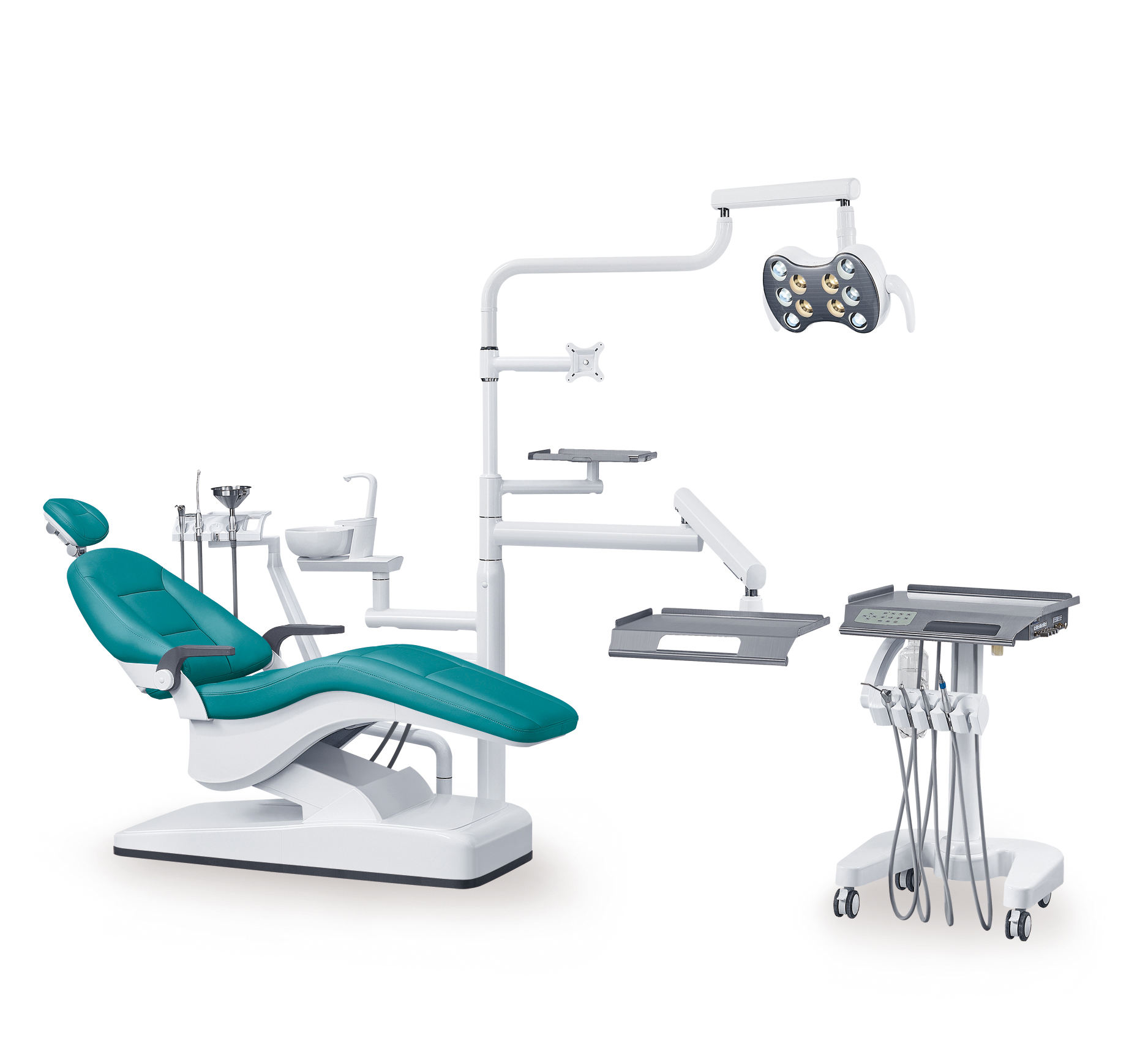
Selecting the right ergonomic dental chair is one of the most important decisions a dental practice can make. Dentists spend hours each day working in precise, often physically demanding positions, and the ergonomic dental chair they rely on directly shapes their comfort, accuracy, and long-term health. When the ergonomic dental chair is designed with the clinician in mind, fatigue is reduced and the quality of patient care improves significantly.
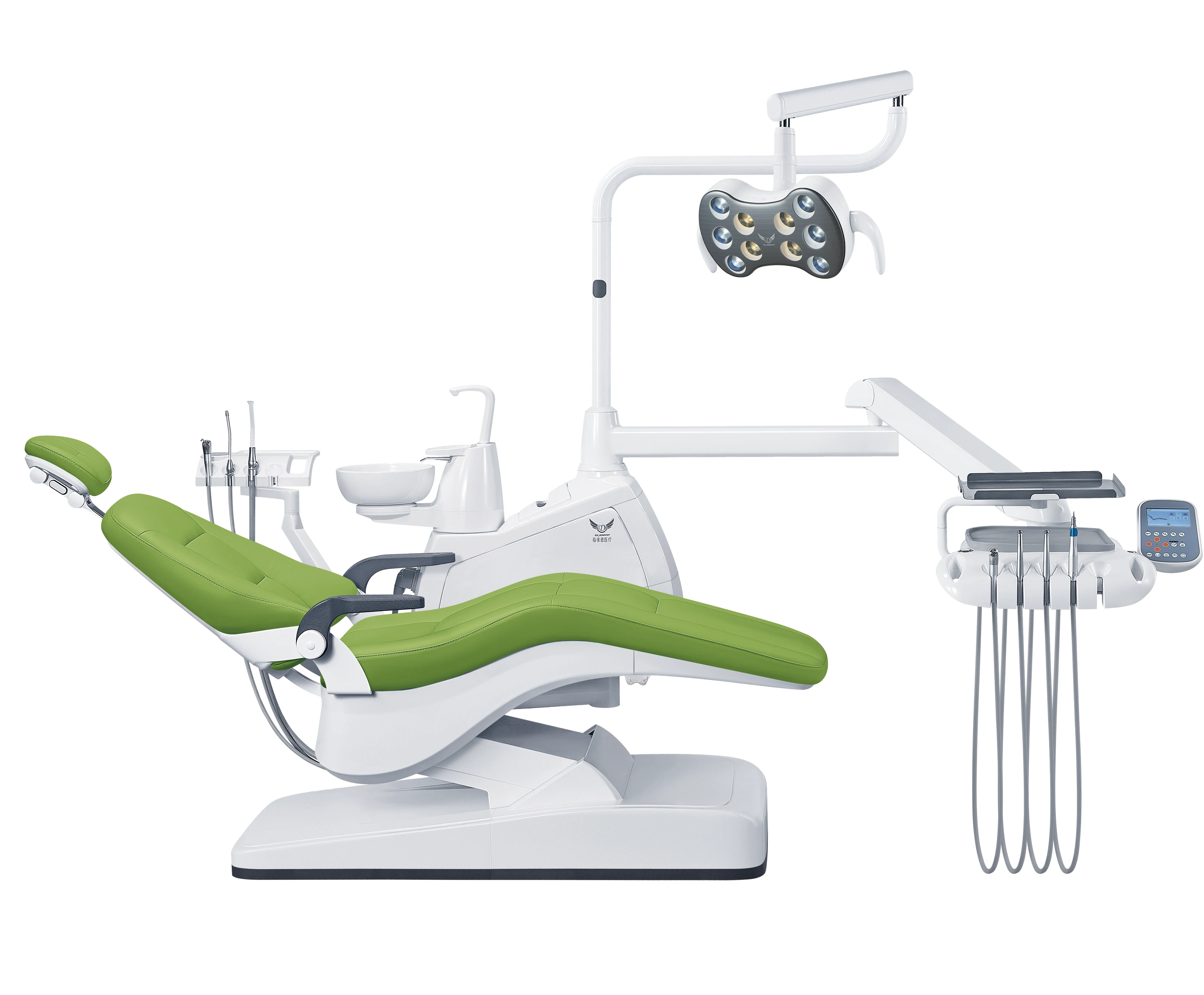
Understanding which specific features of an ergonomic dental chair genuinely benefit dentists who work with dental instruments every day requires looking beyond surface aesthetics. The right ergonomic dental chair integrates postural support, adjustability, and workflow convenience into a single clinical tool. This article examines the key ergonomic dental chair features that matter most for practicing dentists and explains why each one contributes to a healthier, more productive working environment.
Postural Support and Spinal Alignment
Wrap-Around Waist Design and Lumbar Support
One of the most critical features an ergonomic dental chair can offer is meaningful lumbar and waist support. A wrap-around waist design holds the patient securely while simultaneously positioning the patient's body at an angle that allows the dentist to maintain a neutral spinal posture. When a dentist works over a patient on an ergonomic dental chair with proper lumbar contouring, the risk of lower back strain is significantly reduced. An ergonomic dental chair designed with curvature that mirrors natural spinal alignment ensures the clinician does not need to compensate with awkward bending or twisting.
Dentists who regularly use dental instruments such as scalers, mirrors, and handpieces need a steady, predictable working platform. The ergonomic dental chair contributes to this by keeping the patient in a stable position, which in turn allows the dentist to focus on precision rather than on physical compensation. A well-supported patient position on the ergonomic dental chair reduces unnecessary micro-movements that can accumulate into musculoskeletal stress over a full workday.
Headrest Adjustability and Neck Positioning
The headrest on an ergonomic dental chair plays a decisive role in how a dentist positions their own neck and shoulders during procedures. When the headrest of an ergonomic dental chair is fully adjustable in both height and angle, the dentist can bring the patient's oral cavity to the optimal working height without tilting forward or straining the cervical spine. A rigid or poorly designed headrest forces the dentist into compensatory postures that cause cumulative neck fatigue. The ergonomic dental chair headrest should be flexible enough to accommodate patients of different sizes while consistently supporting precise clinical access.
Instrument Access and Workflow Efficiency
Integrated Double-Tray Systems
An ergonomic dental chair equipped with integrated double trays provides dentists with a distinct workflow advantage. When dental instruments are positioned within arm's reach on a well-designed ergonomic dental chair, the dentist avoids repeated twisting, reaching, or stepping away from the patient. Every unnecessary movement during a procedure adds to physical strain and reduces procedural efficiency. The ergonomic dental chair with a double-tray configuration allows instruments to be organized bilaterally, meaning both the primary operator and an assistant can access tools without disrupting the working zone.
The placement of trays on an ergonomic dental chair is not a minor detail. An ergonomic dental chair whose trays are poorly positioned relative to the operator's body creates an invisible but consistent source of ergonomic stress. When the trays are designed to sit at the correct height and angle relative to a seated dentist, the ergonomic dental chair becomes a genuine productivity tool rather than simply a patient seat. Practices that invest in an ergonomic dental chair with thoughtful tray integration report smoother procedural flow and fewer instrument-retrieval interruptions.
Smooth Positioning and Motorized Adjustments
The ability to reposition an ergonomic dental chair smoothly and quietly during a procedure is a feature that directly benefits the working dentist. Motorized controls on an ergonomic dental chair allow for precise chair height, backrest angle, and leg rest adjustments without physical effort. When a dentist can modify the ergonomic dental chair position with minimal movement, they maintain their own postural stability throughout the appointment. Manual adjustment mechanisms on older chair models require physical effort that disrupts clinical flow, while a quality ergonomic dental chair with programmable positioning can recall preferred setups for different procedure types instantly.
Material, Padding, and Long-Procedure Comfort
Cushioning and Surface Material Selection
The cushioning and surface material of an ergonomic dental chair influence both patient comfort and the dentist's working conditions. A firm but well-padded ergonomic dental chair prevents the patient from sinking into an unsupported position during long procedures, which would require the dentist to continuously readjust their approach angle. High-density foam layers in an ergonomic dental chair maintain consistent body positioning for the duration of the appointment. Durable, easy-to-clean upholstery on the ergonomic dental chair also reduces between-patient preparation time, indirectly contributing to reduced physical exertion for clinical staff.
Stability, Chair Base Design, and Floor Footprint
The base design of an ergonomic dental chair affects how stable the working surface feels during delicate procedures. A wide, low-profile base on an ergonomic dental chair resists unwanted movement and vibration when dentists apply pressure with instruments. Stability is not purely a patient safety concern; it also protects the dentist from overextending muscles to stabilize their position during critical treatment steps. An ergonomic dental chair with a well-engineered base also allows the dentist's own stool to be positioned closely and freely around the chair, which is essential for maintaining a correct seated posture throughout the working day.
FAQ
How does an ergonomic dental chair reduce dentist fatigue?
An ergonomic dental chair reduces dentist fatigue by positioning the patient at a height and angle that allows the dentist to maintain a neutral posture. When the ergonomic dental chair supports proper spinal alignment, the dentist exerts less muscular effort to maintain their position during procedures. Over a full day of clinical work, this cumulative reduction in effort translates directly into lower fatigue levels.
What makes a double-tray ergonomic dental chair more efficient?
A double-tray ergonomic dental chair improves efficiency by placing dental instruments within reach on both sides of the patient. The dentist using a double-tray ergonomic dental chair avoids repeated turning or stretching movements to retrieve tools. This streamlines procedural flow and reduces the physical strain associated with frequent instrument retrieval during complex treatments.
Is an ergonomic dental chair suitable for all procedure types?
Yes, an ergonomic dental chair with full adjustability is suitable for a wide range of procedure types, from routine examinations to complex restorative treatments. The key is that the ergonomic dental chair must offer programmable positioning so it can be quickly adapted to each clinical scenario. A versatile ergonomic dental chair that accommodates different patient sizes and procedure angles provides consistent ergonomic benefit regardless of the treatment being performed.